
Dark Carved Wooden Pedestal
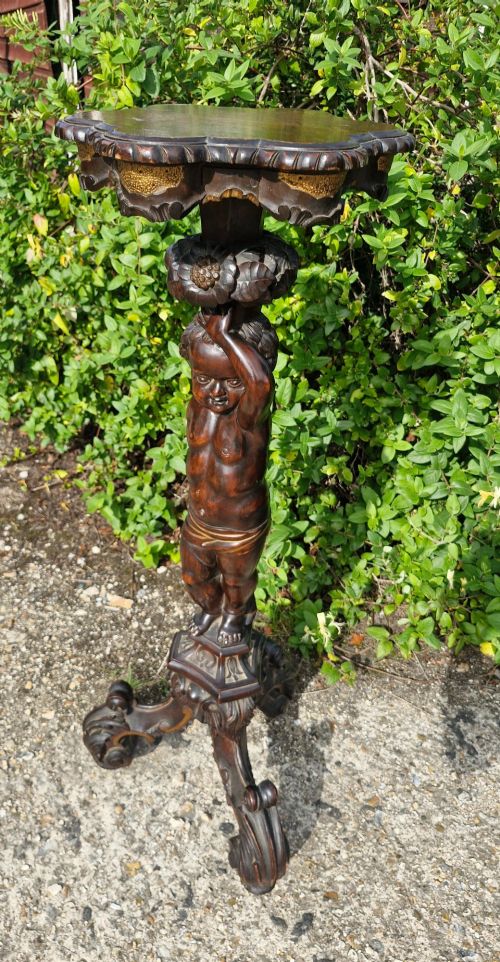
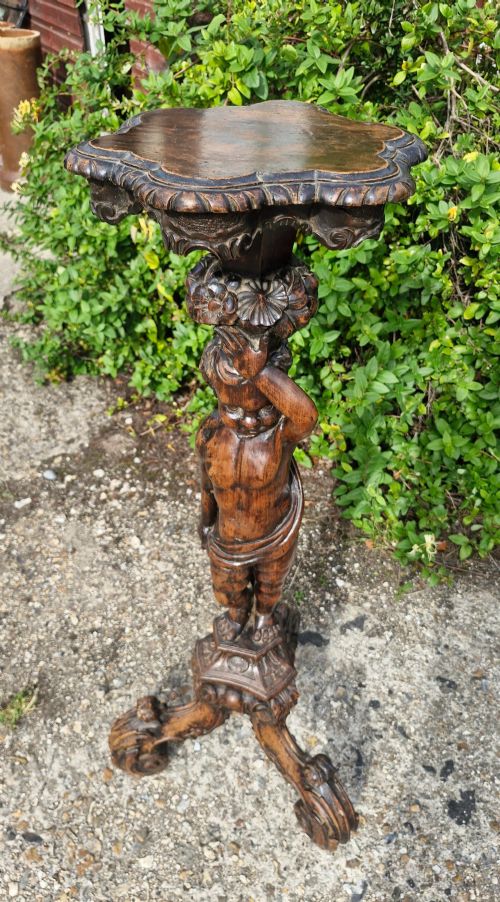
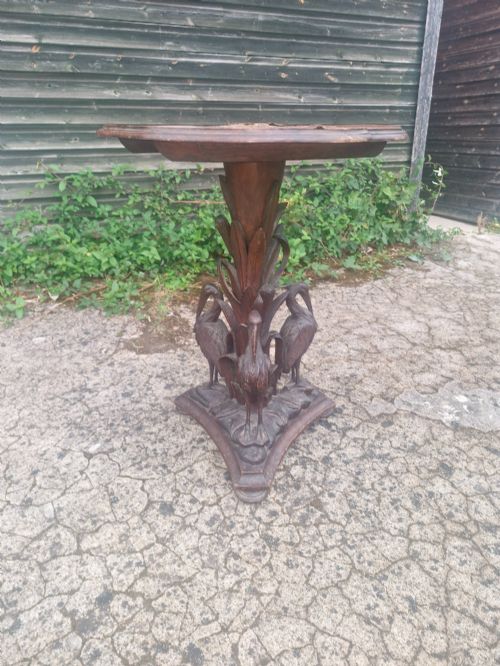
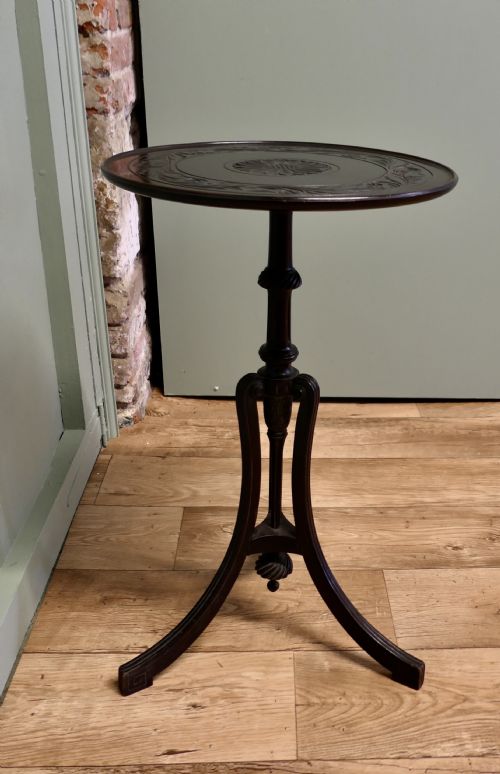
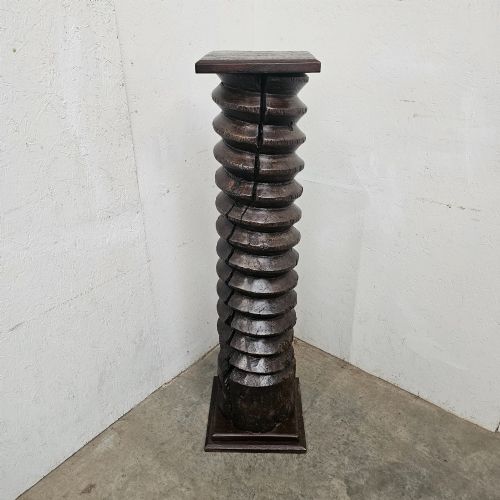
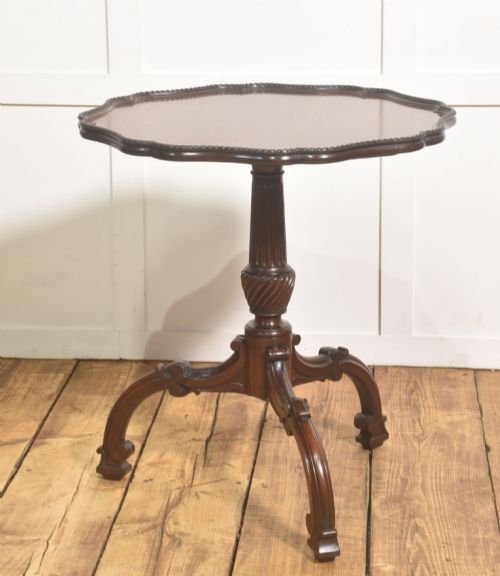
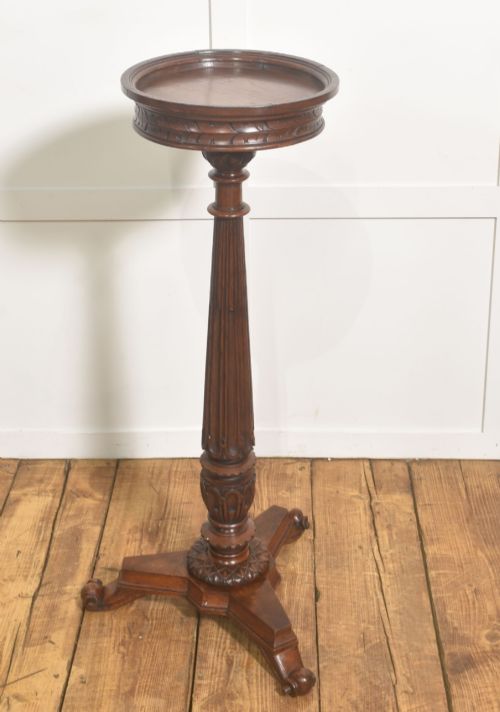
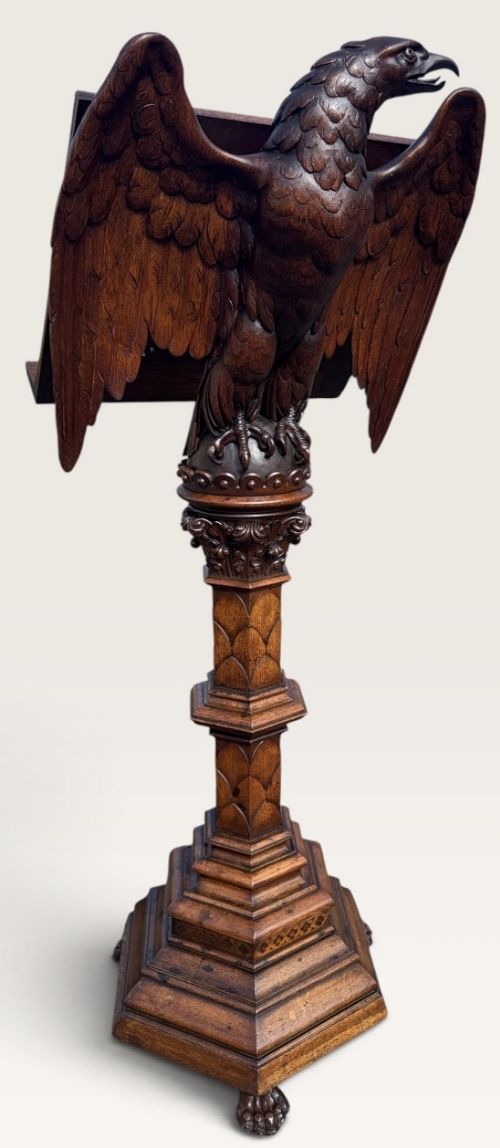
A dark carved wooden pedestal elevates a sculpture or plant with rich grain and traditional craftsmanship.
Dark Carved Wooden Pedestal
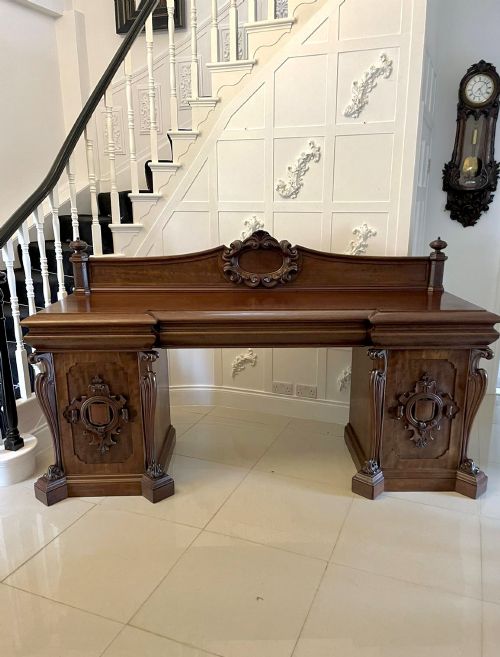
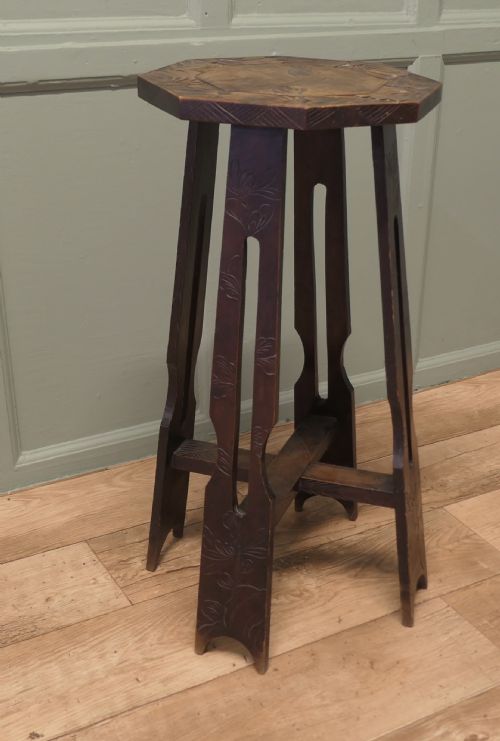
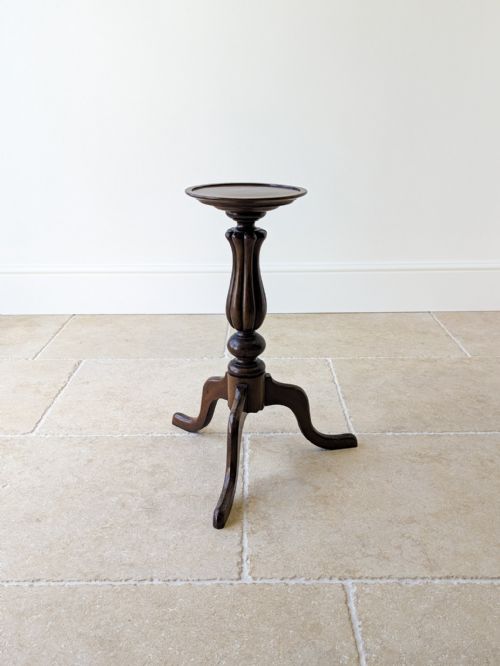
A dark carved wooden pedestal provides a sturdy elevation for display, appearing across periods from the eighteenth century through the twentieth century. These stands serve primarily as torcheres, plant stands, columns, and display bases.
The selections on this page span Victorian, Edwardian, and earlier eras, incorporating styles such as Arts and Crafts, Anglo-Indian, and Baroque. Mahogany, oak, walnut, and rosewood form the structural foundation of these pieces.
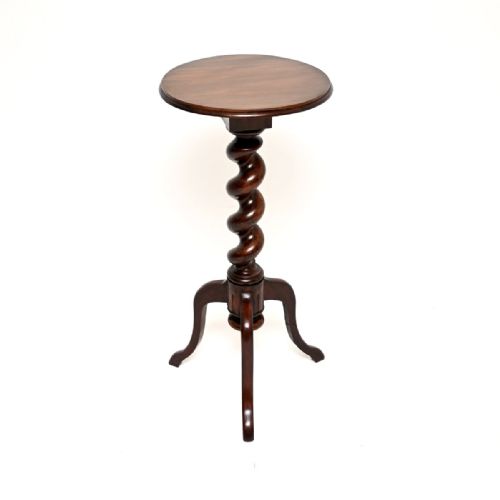
Buyers encounter forms ranging from simple barley twist columns to elaborate figural supports and tall plant stands. Each item brings functional height and sculptural presence to an interior space.
Materials and construction
Cabinet makers utilised dense timbers such as mahogany, oak, walnut, and rosewood, often finished to deep, dark tones. These hardwoods provided the structural integrity required to support heavy urns, sculptures, or plants without tipping.
Carving techniques defined the surface ornamentation, ranging from crisp foliate motifs to solomonic columns and figural representations. Joinery combined traditional turning with hand chiselling to shape capitals, shafts, and bases.
Listings feature woods such as mahogany, oak, walnut, and rosewood across Victorian and Edwardian periods.
Assessing quality and execution
The depth and crispness of the hand carving distinguish superior examples from plain production pieces. Sharp undercut details and well-defined proportions reflect superior artisan skill.
The choice of timber grain and the integrity of the structural joints dictate the longevity of the stand. Solid hardwood construction with stable bases commands greater regard than composite builds.
Denby and Spinks·Liberty of London·Valentino Besarel
The Dark Carved Wooden Pedestal Glossary
- Torchere
- A tall stand designed to hold a light, plant, or sculpture. These pieces feature slender columns and supportive bases.
- Solomonic
- A helical twist column shape resembling a spiral. This distinctive form appears frequently on seventeenth and eighteenth-century supports.
- Barley twist
- A spiral turning resembling a twist of barley sugar. Craftsmen utilised this lathe-cut pattern extensively on Victorian legs and columns.
- Jardiniere
- An ornamental pot or stand for holding plants or flowers. These items often feature detailed woodwork to complement botanical displays.
Dark Carved Wooden Pedestal: Frequently Asked Questions
What were pedestals used for originally?
These pieces functioned primarily to elevate lighting, decorative vases, or plants to optimal viewing heights within period rooms.
Their sturdy vertical construction allowed homeowners to display prized possessions effectively in corners or reception spaces.
How do I style a pedestal at home?
Position a standalone column in an empty corner or hallway to display a bronze sculpture, ceramic vessel, or trailing plant.
Ensure the surface area matches the base of your intended display object for stability and visual balance.
How can I tell Victorian from Edwardian stands?
Victorian examples generally exhibit heavier proportions, darker finishes, and deep, ornate carved details. Edwardian pieces often lean towards lighter oak or mahogany with simpler Arts and Crafts influences.
Comparing the density of the timber and the style of ornamentation helps clarify the manufacturing era.
Are these stands suitable for heavy items?
Solid hardwood construction provides robust support for substantial table lamps or heavy ceramic planters. Checking the base diameter ensures the stand remains stable under offset loads.