





Dark Brown Wooden Vessel
A dark brown wooden vessel brings warmth and history to a room, offering tactile connection through organic grain and age.
Dark Brown Wooden Vessel
A dark brown wooden vessel encompasses utilitarian containers, decorative bowls, and carved chalices gathered from various global traditions and domestic workshops. These objects serve as functional items and sculptural forms, shaped from timber over centuries of craftsmanship.
The pieces appearing on this page span from the seventeenth century through the Edwardian era, incorporating regional styles such as Swiss Brienz, Black Forest, and Indian vernacular work. Oak, walnut, fruitwood, and teak form the primary substance of these historical containers.
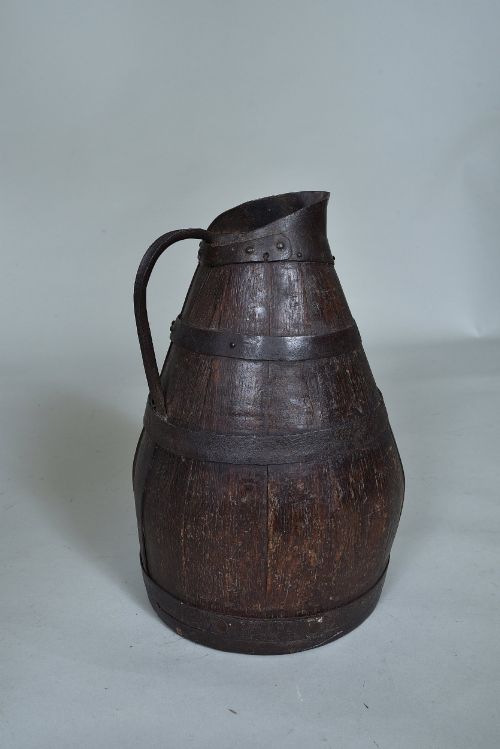
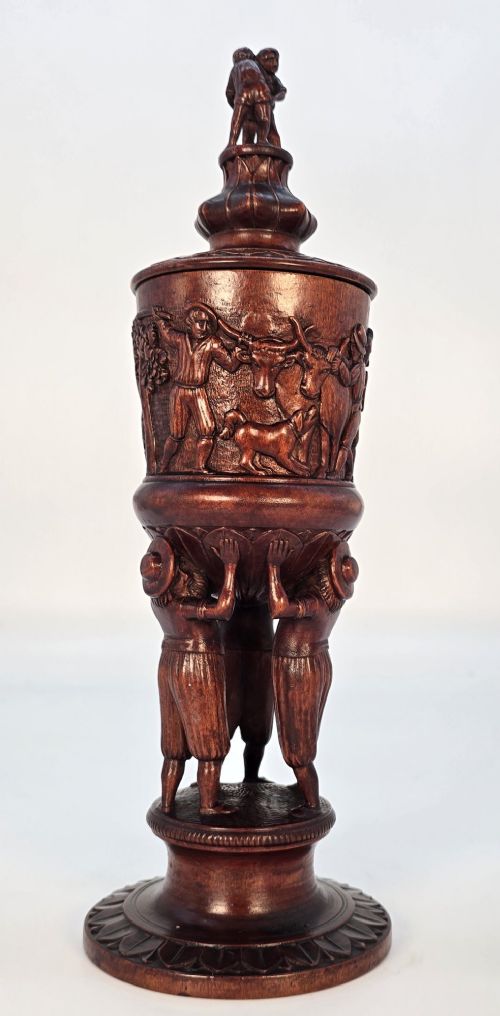
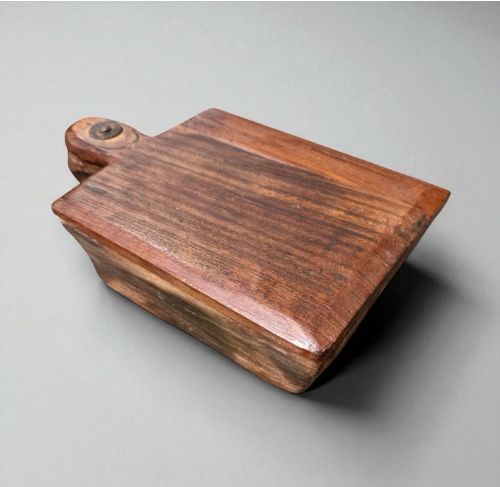
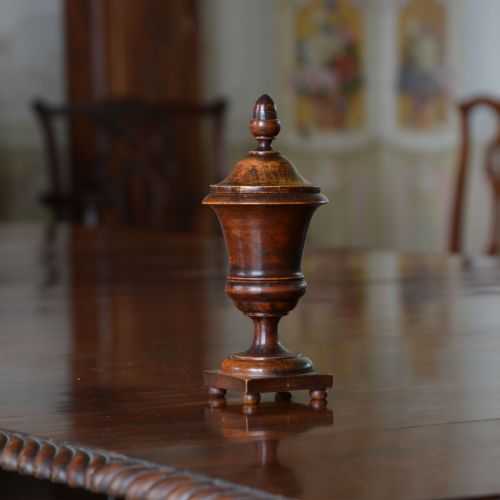
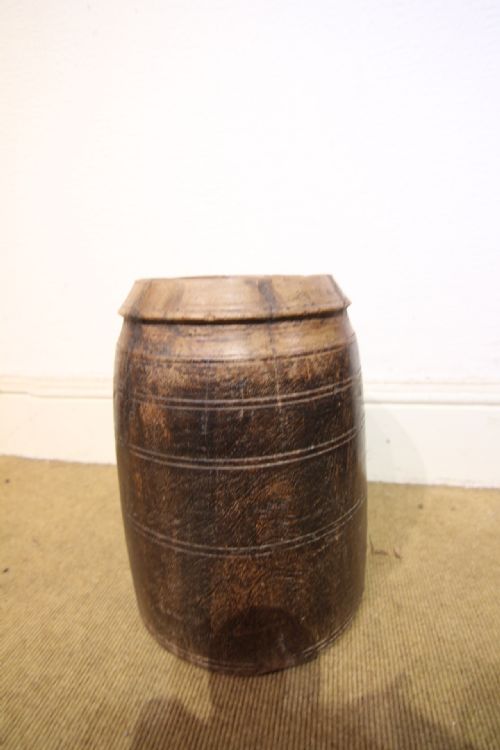
Buyers frequently encounter turned wooden churns, iron-bound harvest jugs, and primitive dug-out tree trunks alongside carved fruitwood urns. Each dark brown wooden vessel carries the distinct marks of its maker and period, reflecting local utility and decorative ambition.
Materials and construction methods
Craftsmen utilised dense hardwoods including oak, walnut, and fruitwood to build durable containers capable of holding liquids, grain, or spices. Turning on a lathe or hollowing out solid timber trunks formed the basis of these structural shapes.
Iron bands and brass hoops provided structural reinforcement for heavy-duty harvest jugs and churns subjected to rigorous daily use. Detailed carving by hand transformed lindenwood and walnut into intricate chalices and sculptural vessels with textured relief.
Dark Brown Wooden Vessel Retail Price Guide 2026
Typical asking prices for dark brown wooden vessel among the pieces listed under this phrase on Sellingantiques today, from the lower quarter to the upper quarter. They describe what is for sale here now, not the wider market.
The selection includes regional styles such as Swiss Brienz, Black Forest, and Indian vernacular woodwork alongside primitive pieces.
Assessing quality in historical woodwork
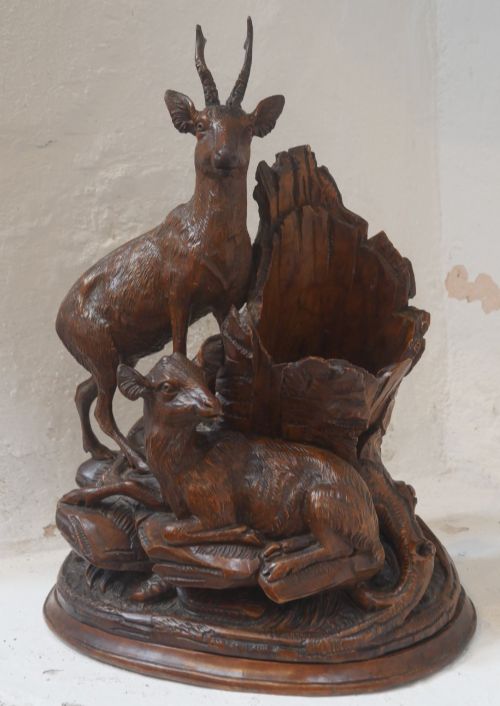
Depth of carving and precision in woodturning separate standard utility items from masterworks of regional craft. The crispness of detail in Swiss Brienz walnut or Black Forest carvings indicates the skill of the original hand.
Patina built through decades of handling and natural ageing determines the visual richness of the timber surface. Original metal bindings, such as wrought iron or brass hoops, contribute to the structural integrity and historical completeness of the container.
The Dark Brown Wooden Vessel Glossary
- Treen
- Small handmade wooden objects for domestic use. This category includes trenchers, bowls, and small containers shaped by local turners.
- Campana urn
- A bell-shaped vessel with a flaring rim and footed base. Originating in classical antiquity, these forms were reinterpreted in wood during the eighteenth century.
- Brienz carving
- Intricate wood sculpture originating from the Swiss village of Brienz. These pieces often depict alpine animals and foliage with high realism.
- Dug-out
- A vessel formed by hollowing out a single log of timber. This primitive construction method preserves the natural contours of the tree trunk.
Dark Brown Wooden Vessel: Frequently Asked Questions
How do I clean an antique wooden vessel?
Dust the surface gently with a dry, soft cloth to remove everyday particles without disturbing the aged timber. Avoid using water, detergents, or modern polishes that can penetrate the grain and strip the historic patina.
Apply a microcrystalline wax sparingly if the wood appears dry, buffing it gently with a clean cloth after application. Proper environmental humidity prevents the wood from splitting or warping over time.
Can I use these vessels for food?
Most historical containers were designed for dry goods, spices, or liquids during earlier centuries and may possess porous surfaces. Modern food safety standards rarely align with the finishes and sealants found on antique timber.
Display these objects as decorative pieces rather than functional kitchenware to preserve their structural integrity. Using them for dry display items keeps the interior surfaces safe from moisture damage.
How do I date an old wooden container?
Examine the tool marks left on the interior and exterior, as hand-chiselled surfaces differ significantly from mechanized lathe turnings. Adze marks, pit saw striations, and hand-forged iron bindings provide strong chronological indicators.
Compare the timber species and regional decorative motifs with documented examples from specific periods like the Georgian era or Edwardian times. Patina and wear patterns also accumulate over centuries, offering clues to the age of the piece.
Where were these wooden vessels made?
Origins vary widely from rural European farmhouses to specialised carving centres in the Swiss Alps and Black Forest region. Local timber availability dictated whether a vessel was shaped from native oak, walnut, or fruitwood.
Trade and colonial connections also brought items from distant regions, such as Indian vernacular workshops, into European homes. Each geographic source imparts distinct stylistic characteristics to the finished object.