


Dark Brown Windsor Chair
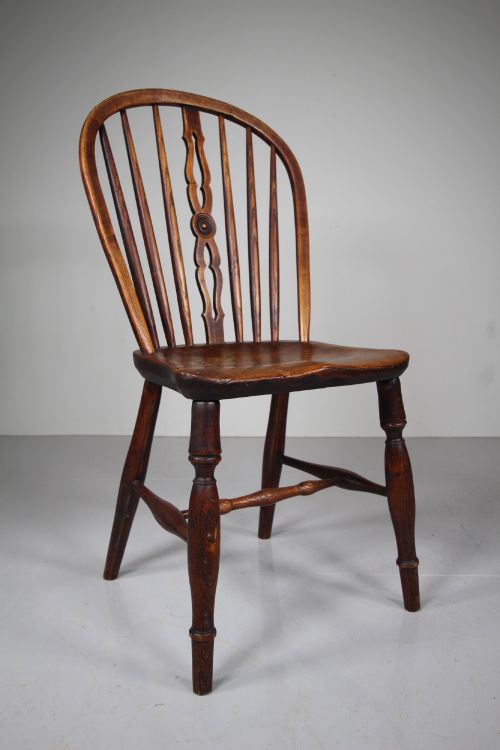
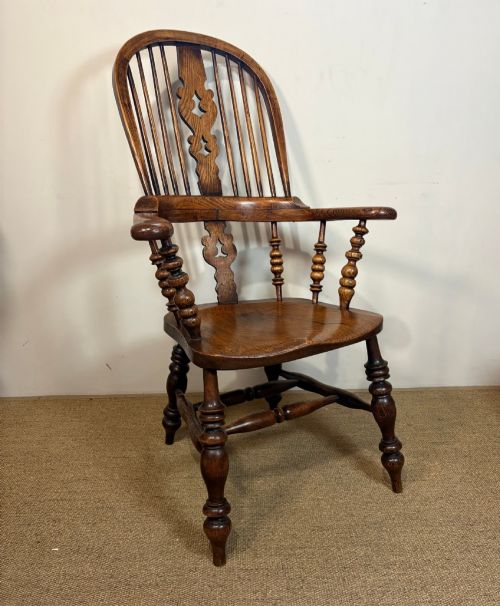
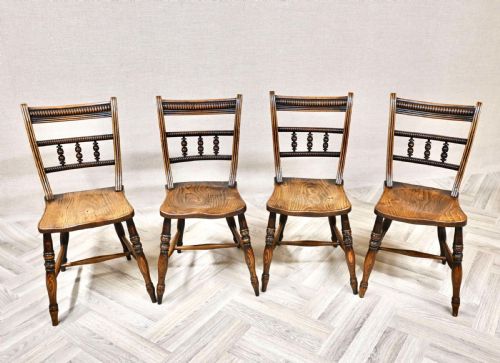
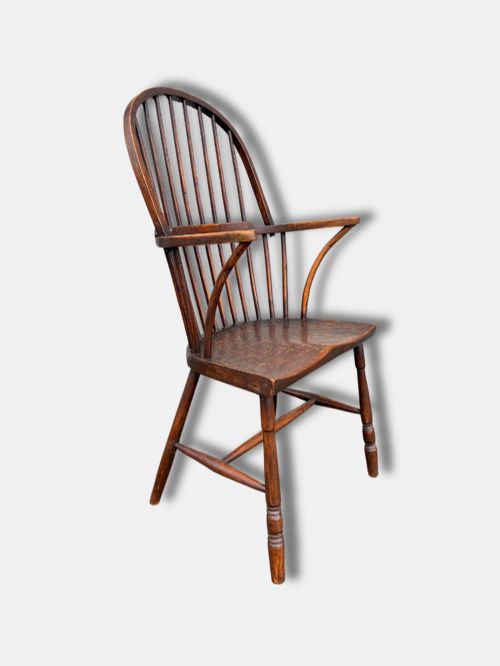
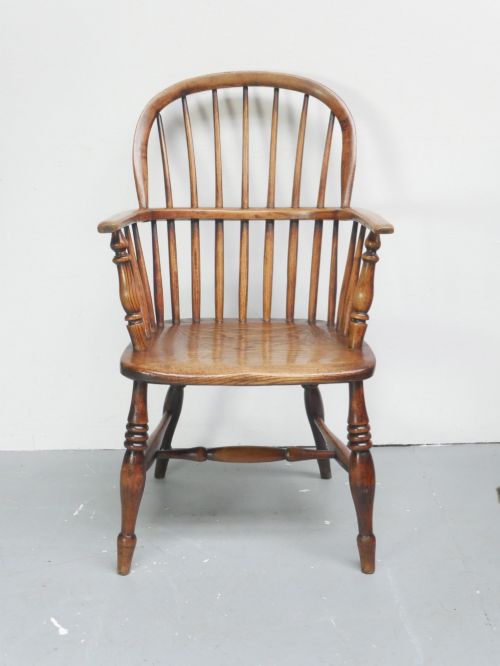
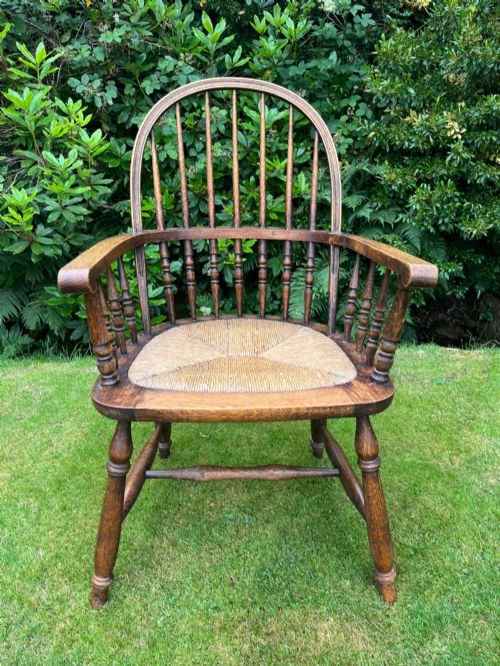
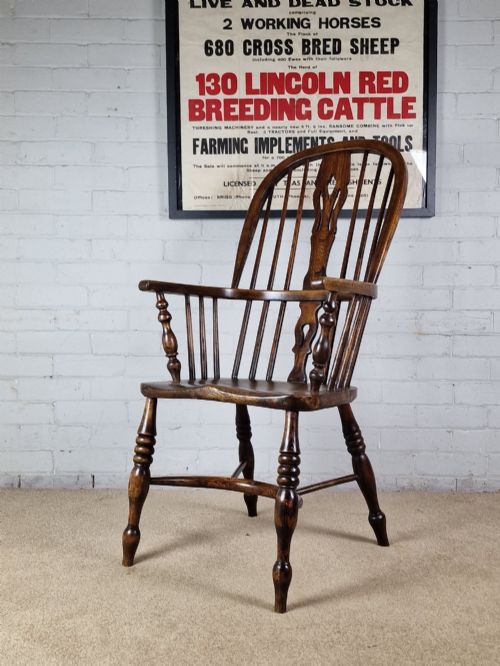
These dark brown windsor chair options bring rustic utility and comfortable seating into a room.
Dark Brown Windsor Chair
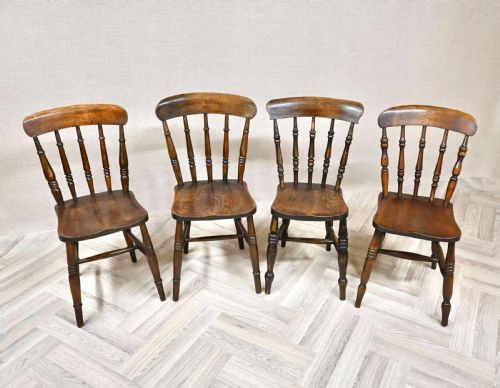
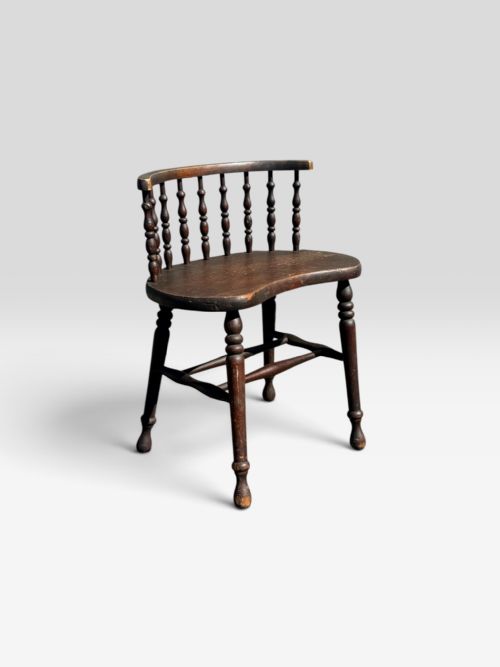
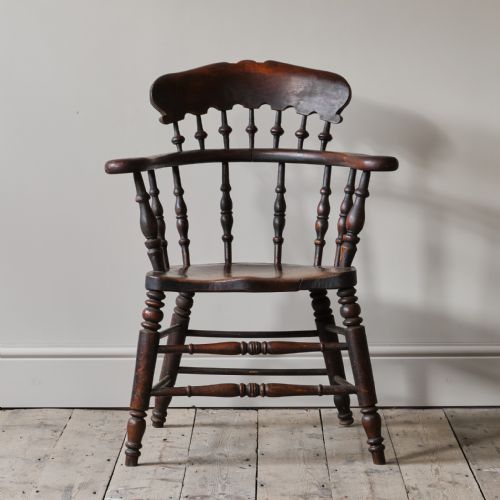
A dark brown windsor chair provides sturdy seating shaped by centuries of regional vernacular tradition. Buyers searching for a dark brown windsor chair will encounter forms ranging from 18th century comb backs and panel backs to 19th century wheel backs, stick backs, and smokers bows.
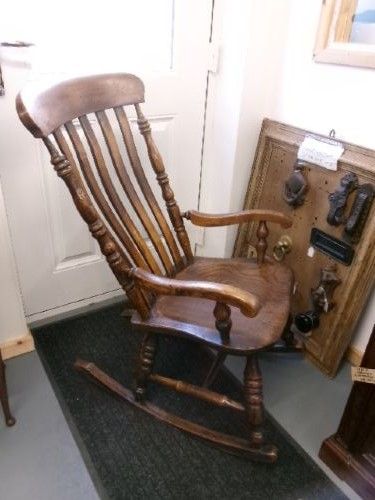
Originating largely from rural farmhouses and country houses, these chairs appear as individual armchairs, rocking chairs, high chairs, and sets of dining chairs. The regional variations span English country workshops as well as Scottish and Welsh origins.
Materials and construction
Construction relies on a combination of native timbers, predominantly pairing solid elm seats with ash, beech, oak, or yew for the spindles, legs, and bentwood bows. Makers turned legs and spindles on a lathe while steaming wood to achieve the characteristic curved backs.
The traditional method involves inserting individual legs and back spindles directly into a thick, sculpted wooden seat rather than using a conventional frame. This pegged and wedged joinery creates a resilient structure that endures heavy daily use.
Dark Brown Windsor Chair Retail Price Guide 2026
Typical asking prices for dark brown windsor chair among the pieces listed under this phrase on Sellingantiques today, from the lower quarter to the upper quarter. They describe what is for sale here now, not the wider market.
Assessing craftsmanship
Quality rests in the depth of the sculpted seat, the grace of the spindle turnings, and the harmony of the timber grain. Superior examples show careful selection of contrasting woods, such as rich elm for the seat paired with figured ash or yew for the superstructure.
The integrity of the original joints and the preservation of the surface patina dictate the standing of a piece. Chairs retaining their early finish without heavy replacement parts or excessive structural intervention command greater appreciation.
Duncan McKellar of Fenwick
The Dark Brown Windsor Chair Glossary
- Comb back
- A Windsor chair design where the vertical spindles extend upward into a horizontal headboard resembling the teeth of a comb. This style frequently appears in 18th century vernacular examples.
- Smokers bow
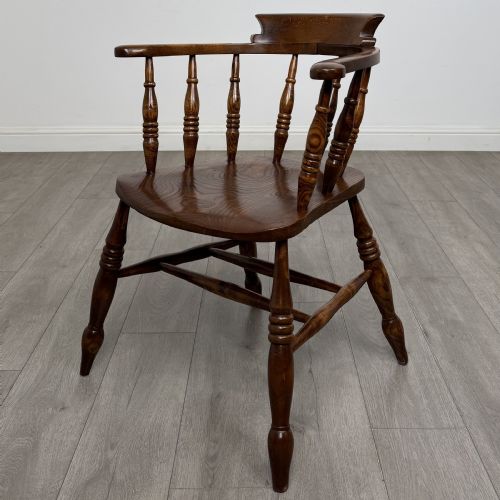
- A low-backed Windsor armchair with a continuous curved arm rail and turned spindles, commonly used in domestic and public interiors during the 19th century.
- Wheel back
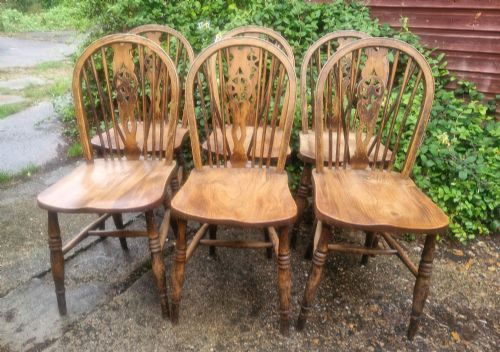
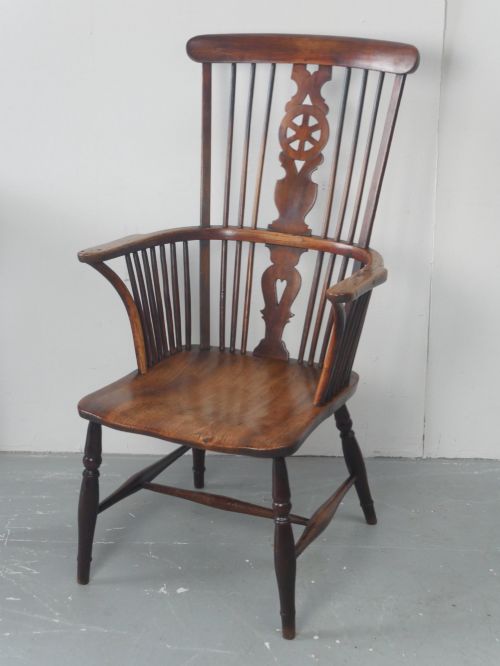
- A chair back featuring a pierced splat carved or shaped in the outline of a spoked cart wheel. This decorative motif gained popularity during the Victorian period for kitchen and dining sets.
- Stick back
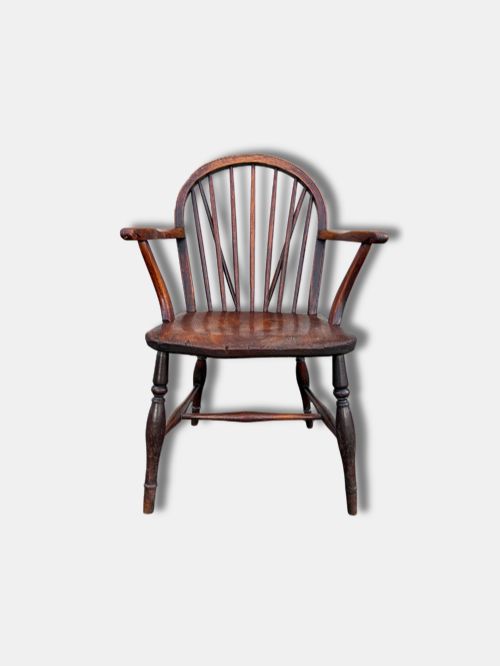
- A minimalist chair construction where plain, unadorned spindles form the back support. These pieces rely on clean lines and functional joinery.
- Vernacular
- Objects designed by regional makers using local materials and traditional methods without formal academic styling. This approach defines much of rural English and Welsh furniture production.
Dark Brown Windsor Chair: Frequently Asked Questions
How do I identify an 18th century windsor chair?
Eighteenth century examples typically feature high comb backs, panel backs, or heavy ash construction with deep saddle seats shaped by hand adzes.
Construction details such as cleft undercarriages and early wedge joinery help distinguish these foundational vernacular pieces from later 19th century production.
Were windsor chairs used only in kitchens?
While frequently found in farmhouse kitchens and dining spaces around scrubbed tables, these chairs served versatile roles across the home.
Sturdy construction made them suitable for parlours, bedrooms, and country house smoking rooms, as well as specialised forms like children's high chairs and rocking chairs.
What is the difference between a stick back and a wheel back?
Stick backs utilise simple, parallel turned spindles to support the backrest, offering a clean and unpretentious silhouette.
Wheel backs incorporate a central wooden splat shaped like a cart wheel, reflecting Victorian decorative preferences in kitchen and dining seating.
How should I care for an antique elm seat?
Elm is prone to movement with changes in household humidity, so keeping pieces away from direct heat sources prevents timber splitting.
Applying a traditional beeswax polish maintains the surface sheen and nourishes the deep brown patina built up over generations of use.