




Dark Brown Settee
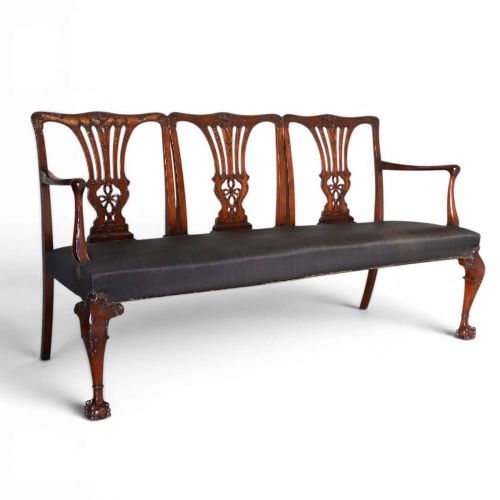
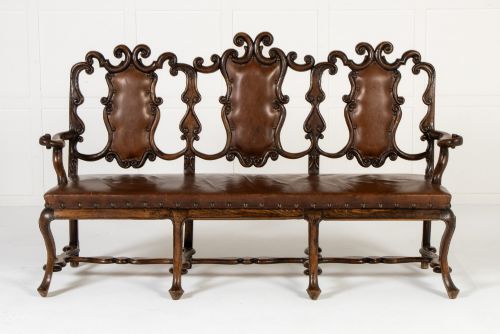
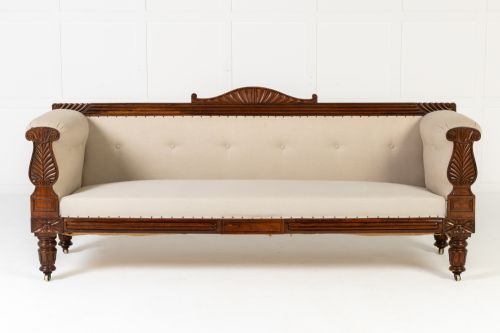
A dark brown settee anchors a room with deep, rich tones and solid period presence, offering both generous seating and historic character.
Dark Brown Settee
When searching for a dark brown settee, you are looking at substantial seating pieces rendered in rich, deep woods and aged leathers that span multiple centuries and stylistic revivals. The listings here encompass forms ranging from early 18th-century camel-back shapes and Regency designs to Victorian Chesterfields and Edwardian mahogany iterations.
You are most likely to meet pieces constructed from walnut, mahogany, rosewood, and teak, alongside button-tufted brown leather and dark fabric upholstery. These seating options include country house sofas, vernacular benches, and carved continental frames that bring strong architectural lines into a modern interior.
Materials and construction
Construction relies heavily on solid timber frames fashioned from mahogany, walnut, teak, and bentwood, often shaped with hand-carved details or turned elements like the French bobbin style. These structural timbers provide the robust skeleton necessary to support long spans and deep seating wells.
Upholstery techniques involve traditional stuffing secured with hessian, paired with finishes in supple brown leather or patterned fabric. Metal accents in brass and bone occasionally appear as decorative mounts or inlay work on the frames.
Porcupine quills double as structural marquetry on one unusual 19th-century sofa.
Assessing quality and finish
Quality reveals itself in the integrity of the timber framing and the depth of the carved ornamentation, distinguishing standard vernacular output from master-carved or attributed workshop pieces. The crispness of carved motifs on mahogany and walnut elements indicates the skill applied at the bench.
The condition of the primary material, whether aged leather with an authentic patina or structurally sound bentwood and hardwood, dictates the standing of the piece. Original upholstery surfaces and untouched timber finishes elevate the historical interest of the object.
Thonet
The Dark Brown Settee Glossary
- Camel back
- A sofa style featuring a undulating, serpentine upper rail that resembles the hump of a camel. This shape originated in the 18th century and provides a graceful profile against a wall.
- Chesterfield
- A large upholstered sofa traditionally featuring deep button tufting and rolled arms of equal height to the back. It is most commonly found finished in dark brown leather.
- Bentwood
- Wood that has been heated and steamed until pliable, then bent into curved structural forms. Thonet famously utilised this technique for lightweight yet durable frames around nineteen-hundred.
- Bobbin turned
- A method of turning wood on a lathe to create a series of rounded, spool-like shapes resembling bobbins threaded together. This decorative turning is frequently seen on late 19th-century framework.
- Serpentine front
- A furniture front edge that curves outward in the centre and recesses inward toward the ends. This flowing contour adds visual movement to the base of a settee.
Dark Brown Settee: Frequently Asked Questions
How do I care for antique leather?
Antique leather requires gentle cleaning with damp cloths and occasional applications of neutral leather wax to prevent drying and cracking. Avoid harsh chemical cleaners that strip the original finish.
Keep the piece away from direct sunlight and strong heat sources, which accelerate the breakdown of aged animal skins. Allowing the leather to breathe maintains its suppleness over decades of daily use.
Where should I place a settee?
A settee functions well in entrance halls, living rooms, and large bedrooms where its compact depth allows it to sit comfortably against walls or beneath windows. Its narrower profile compared to a modern sofa makes it ideal for circulation spaces.
Position the piece away from damp exterior walls and radiators to protect the wooden frame and historic adhesives from warping or splitting. Adequate clearance lets the carved details and timber grain remain visible.
How do I identify a Victorian piece?
Victorian settees often display heavier proportions, rich walnut or mahogany timbers, and styles that draw heavily on earlier periods like the Baroque or Rococo revivals. Look for deep buttoning, robust frame construction, and elaborate turnings. Nineteeth-century manufacturing methods combined hand-carved elements with early industrial framing techniques. Examining the underside and joinery helps confirm the period of manufacture.
Are these settees comfortable for daily use?
Many period settees offer firm support due to traditional stuffing materials like horsehair and hessian rather than modern foam. Their ergonomics reflect the posture preferences of the 18th and 19th centuries.
Adding matching cushions or assessing the internal webbing can adjust the seating comfort to suit modern relaxation habits. The scale remains well-suited for reading and formal seating.