
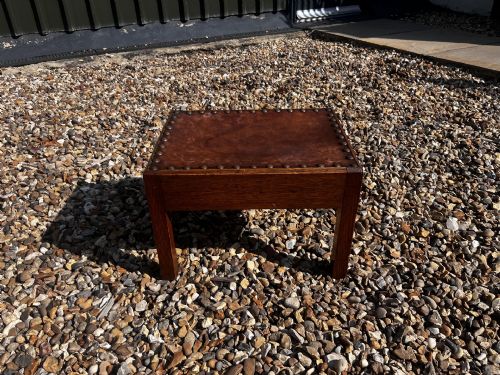
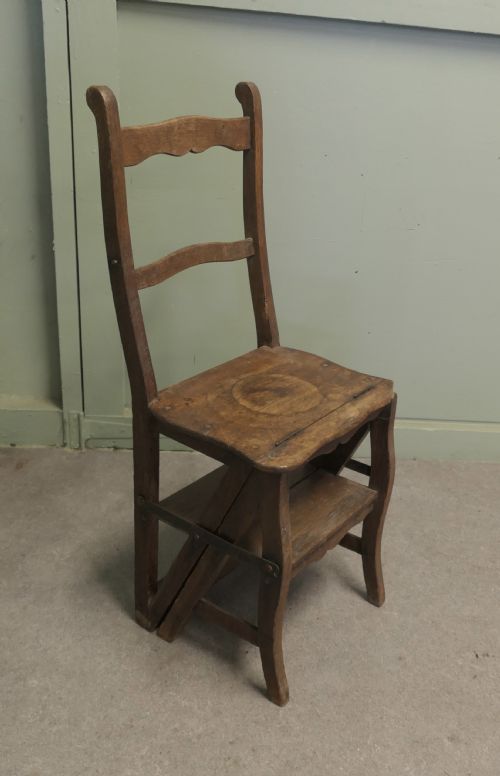
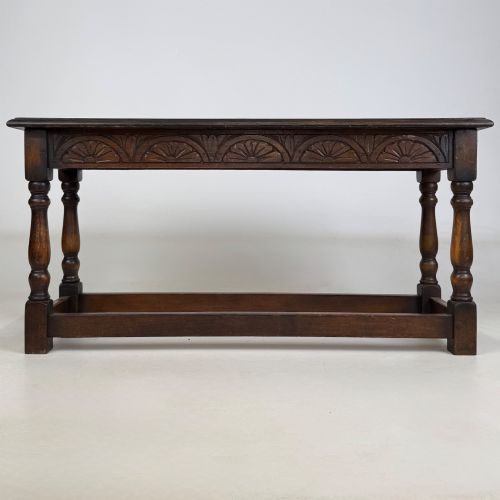
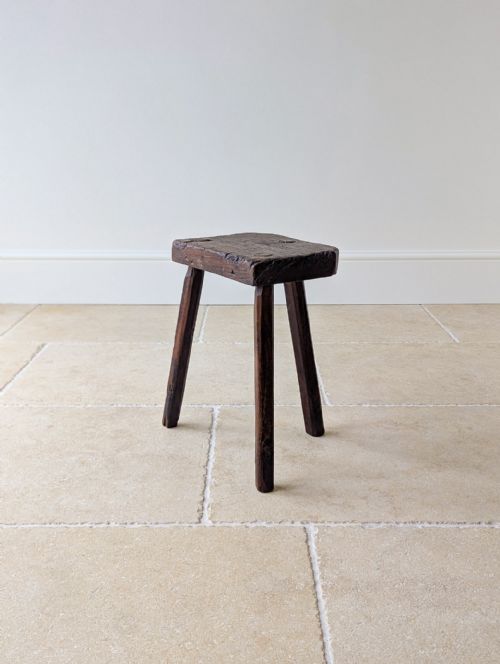
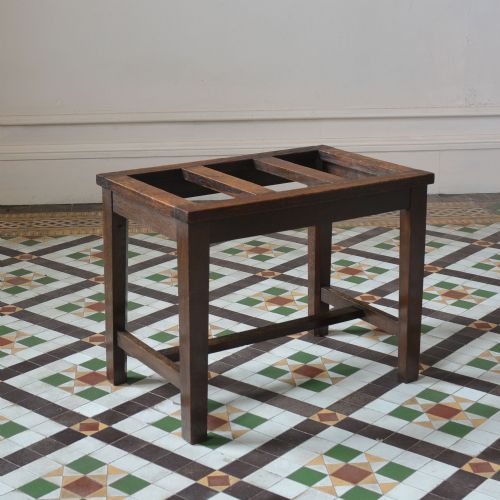
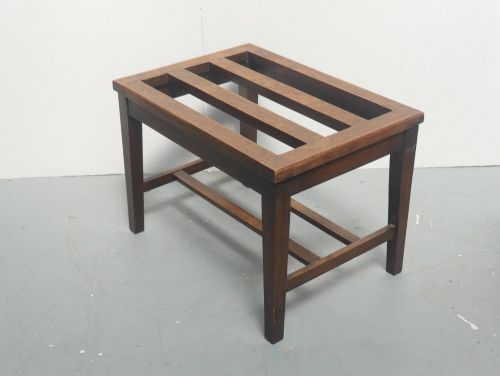
Dark Brown Oak Stool
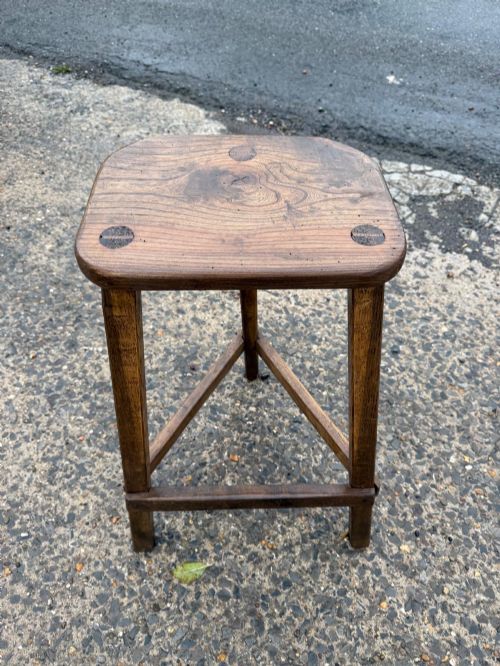
A dark brown oak stool brings practical, solid timber into a room, spanning centuries of provincial joinery and country seating.
Dark Brown Oak Stool
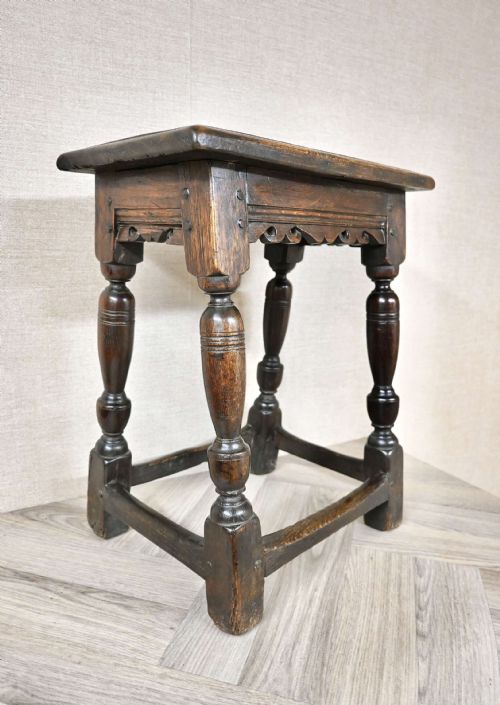
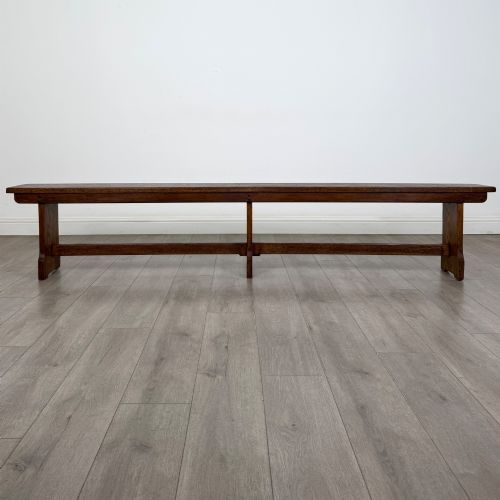
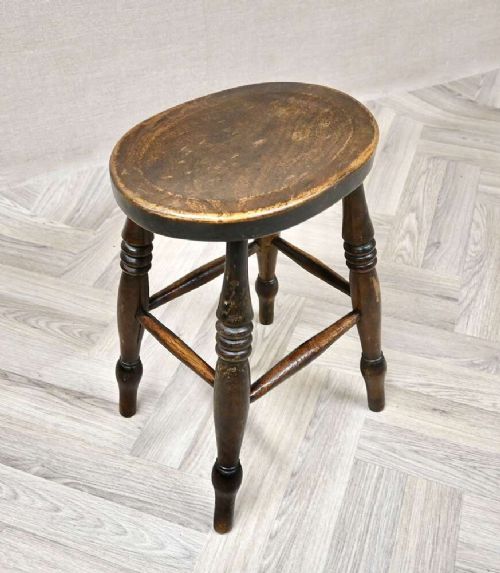
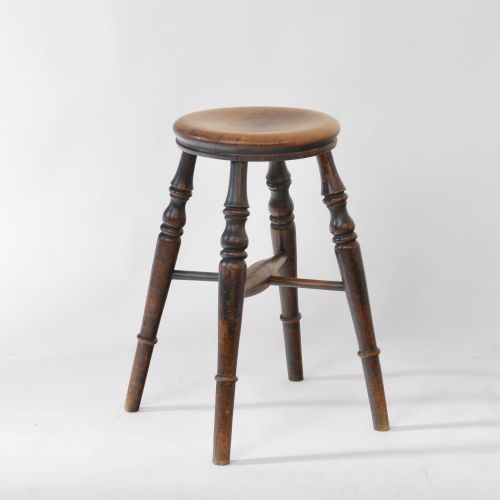
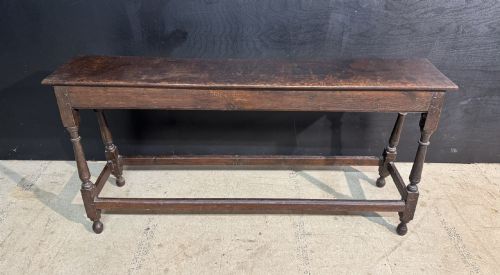
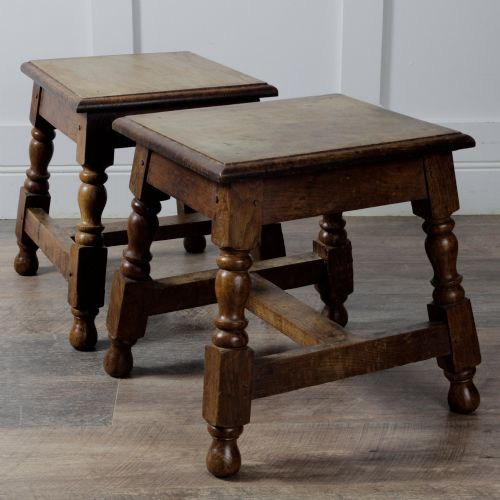
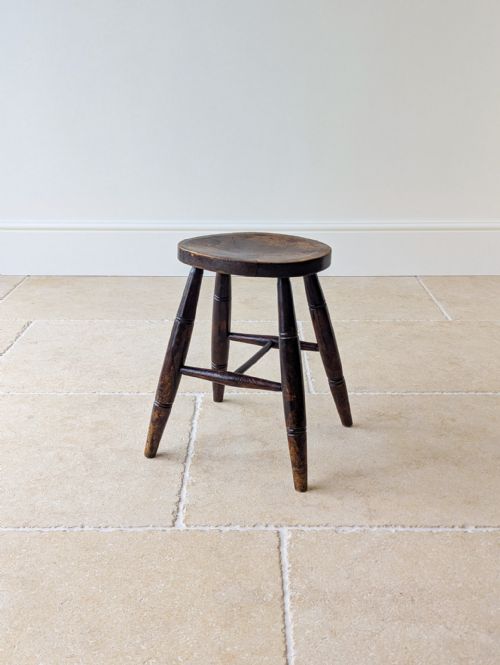
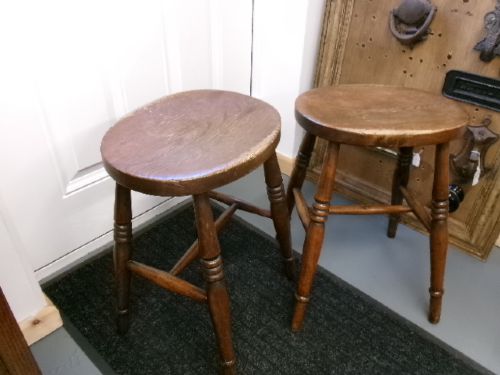
A dark brown oak stool appears in several historic forms, ranging from early joint stools and tavern benches to low country seats and utilitarian workshop items. Buyers browsing this selection most frequently encounter 19th-century interpretations alongside earlier 17th-century and 18th-century provincial examples.
Makers constructed these sturdy items from native timber, often pairing oak with elm, sycamore, or ash for seats and supports. Styles shift from austere Jacobean and Georgian vernacular designs through to later Arts and Crafts interpretations and rustic country variations.
Assessment of quality
Quality rests upon the integrity of the timber, the honesty of the construction, and the depth of the natural finish accumulated over generations. Pieces retain superior character when joints remain tight without excessive modern intervention or unsympathetic timber replacement.
Proportion and execution distinguish standard utilitarian workshop items from finer provincial creations. A well-preserved surface tone and clear tool marks elevate an ordinary seat into a notable example of period craftsmanship.
Listings feature oak alongside elm, sycamore, and brass across periods ranging from the 17th century through the Edwardian era.
Arthur Simpson Of Kendal
The Dark Brown Oak Stool Glossary
- Joint stool
- A sturdy wooden seat constructed with mortise and tenon joints, pegged together securely. These items date primarily from the 17th and 18th centuries.
- Close stool
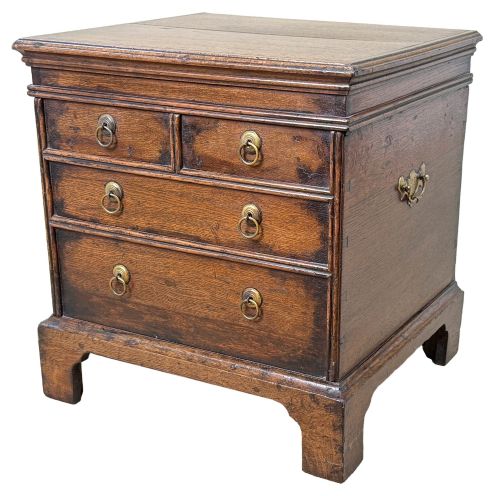
- An enclosed piece of furniture designed to house a chamber pot, often disguised as a small chest, commode, or cupboard.
- Tavern bench
- A long, robust seating form intended for public houses and commercial establishments, typically fashioned from oak or mixed hardwoods.
- Vernacular
- Objects made by local artisans following regional traditions rather than high-style academic designs, prioritising function over fashion.
- Pegged construction
- A traditional method of securing joints using wooden dowels instead of metal fasteners.
Dark Brown Oak Stool: Frequently Asked Questions
What is a dark brown oak stool used for?
These pieces serve as functional seating, occasional side surfaces, or display stands within a domestic interior. Historic examples double as decorative accents that reflect centuries of vernacular woodworking traditions.
Their robust timber construction allows for everyday placement in hallways, living spaces, or bedrooms. Many buyers utilise them simply to add texture and historical depth to a room.
How do I date an antique oak stool?
Dating relies upon observing construction techniques, tool marks, timber shrinkage, and stylistic indicators such as turned legs or carved details. 17th-century examples typically feature peg construction and heavy frames, whereas later 19th-century interpretations show different turning styles and varied secondary woods.
Examining the underside and joints reveals whether makers used hand saws and traditional joinery. Comparing the form against known provincial styles helps narrow the period of manufacture.
Are these stools suitable for daily use?
Solid oak and hardwood construction ensures these items remain robust enough for regular sitting or supporting objects. Pegged joints and sturdy frames provide the structural integrity needed for practical modern living.
Owners should apply appropriate wood care and avoid placing timber furniture in areas with extreme temperature fluctuations. Regular gentle maintenance preserves both the finish and the structural joints.
What is the difference between a joint stool and a regular stool?
A joint stool is built using precise mortise and tenon joinery secured with wooden pegs, creating an exceptionally rigid frame. Regular stools may utilise simpler framing methods or later industrial turning techniques.
Historically, joint stools served multiple domestic purposes, including seating and standing platforms. Their architectural form distinguishes them from lighter domestic seating.