

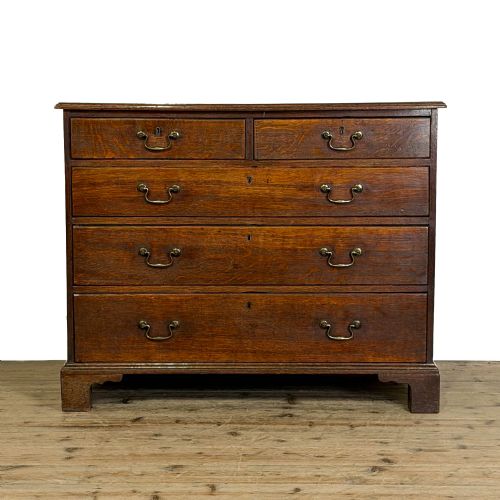
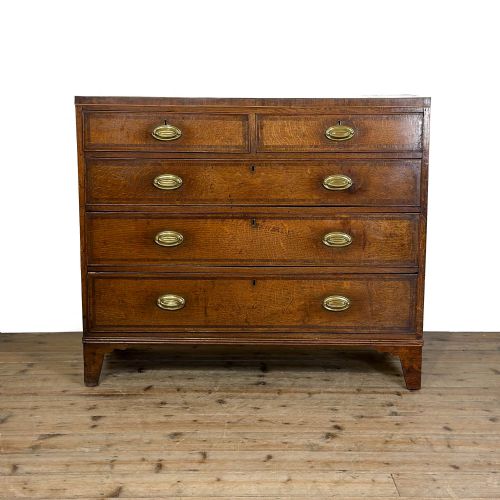
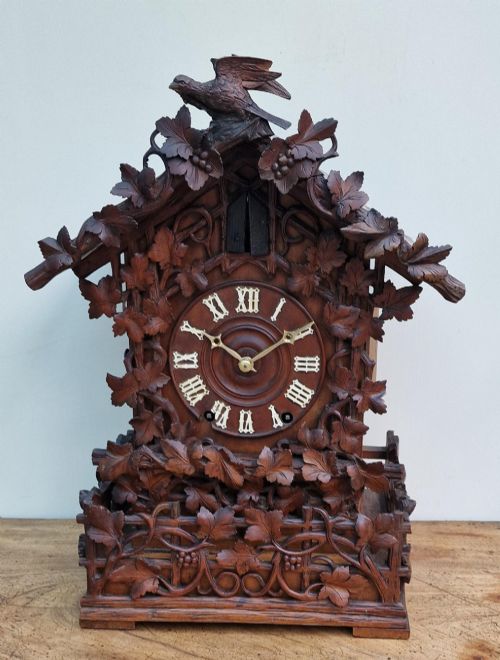
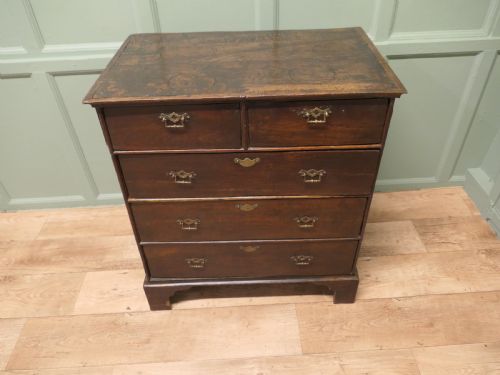
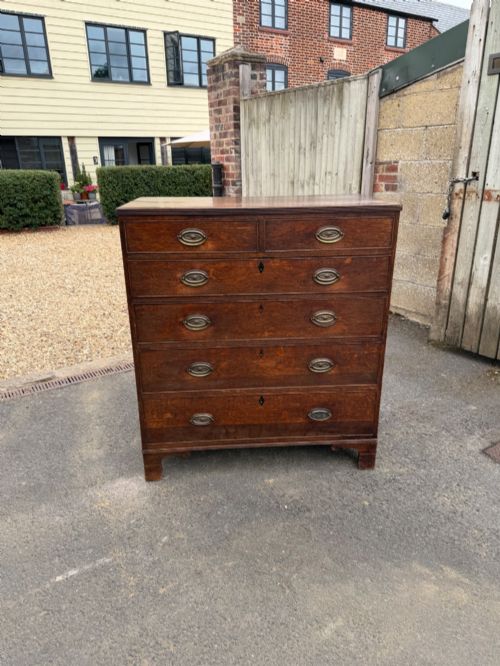
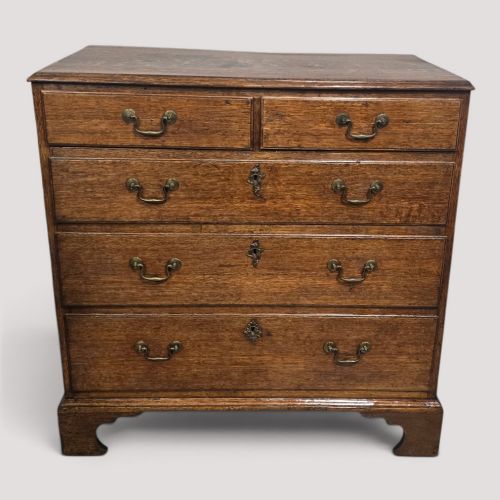
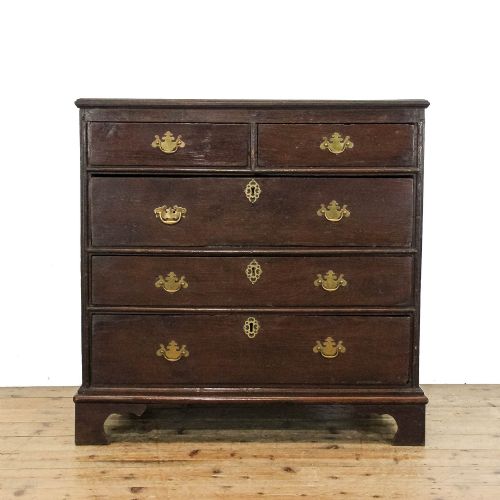
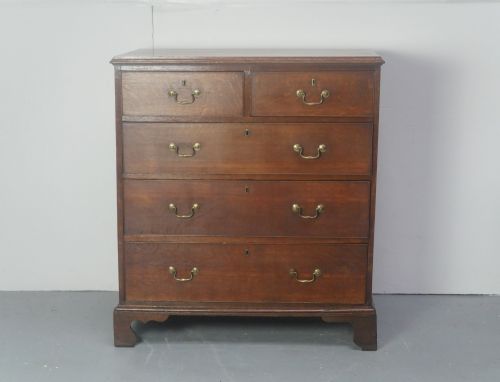


Dark Brown Oak Bracket
A dark brown oak bracket holds weight against a wall with architectural strength and rich timber tone.
Dark Brown Oak Bracket
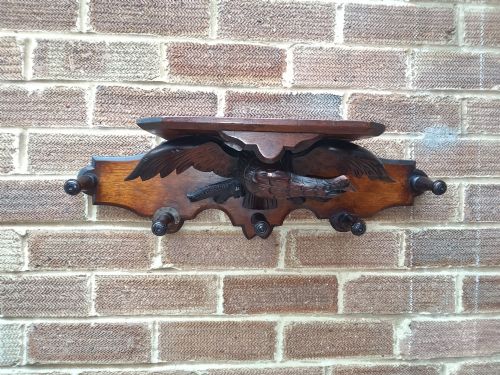
A dark brown oak bracket represents a functional support or display shelf shaped from durable timber, often appearing alongside architectural elements and carved corbels in these listings. These items emerge from periods spanning the sixteenth century through the Victorian era, showing how artisans adapted sturdy wood for domestic and structural use.
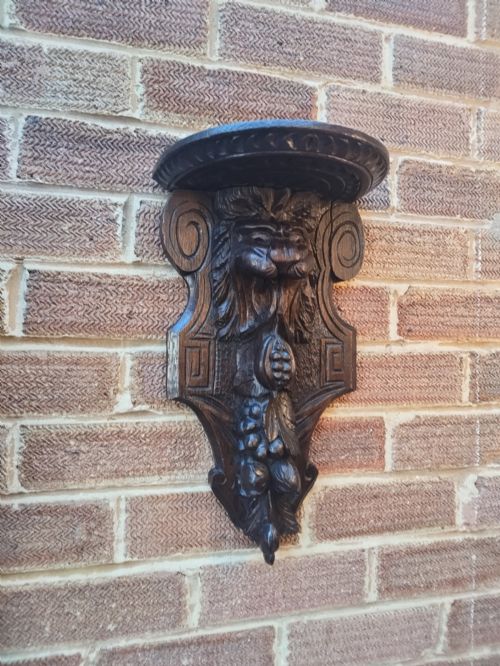
The version a buyer meets most frequently on this page is the carved wall bracket or architectural corbel, frequently finished in deep brown tones that highlight the natural grain. Pieces take the form of lion mask carvings, figurative wall supports, and building brackets originating from seventeenth-century continental workshops and later periods.
Assessing quality
The standard of a dark brown oak bracket rests upon the crispness of the hand carving and the depth of the timber patination. Master carvers achieved distinct facial expressions and musculature in figurative works, whereas lesser pieces show softer, more generalised detail.
Integrity of the wood structure also dictates overall worth, separating substantial architectural salvage that retains its original mounting strength from items with extensive timber replacement or later alterations.
Dark Brown Oak Bracket Retail Price Guide 2026
Typical asking prices for dark brown oak bracket among the pieces listed under this phrase on Sellingantiques today, from the lower quarter to the upper quarter. They describe what is for sale here now, not the wider market.
The listings on this site span multiple centuries of oak work, incorporating sixteenth-century building brackets alongside seventeenth-century continental corbels and nineteenth-century wall supports.
The Dark Brown Oak Bracket Glossary
- Corbel
- A structural piece of stone, wood, or metal jutting from a wall to carry a superincumbent weight. In these listings, wooden examples often feature figural or foliate carvings.
- Fusee
- A conical pulley used in clockwork to maintain equal power as the mainspring unwinds. This mechanism appears in clock-related listings paired with wooden cases.
- Ting-tang
- A two-bell striking mechanism used in clocks to sound the quarters. It produces a distinct high-low chime sequence.
- Architectural salvage
- Building materials rescued from structures slated for demolition or remodelling. These items retain historical construction methods and period timber.
Dark Brown Oak Bracket: Frequently Asked Questions
How were oak brackets used historically?
Carpenters and builders installed these supports beneath ceiling beams, heavy shelving, or projecting upper storeys to bear structural loads. They also served internally to display clocks, busts, and lighting.
Over time, smaller decorative brackets transitioned into purely ornamental wall ledges for domestic display.
How do I date an antique oak bracket?
Dating relies on tool marks, carving style, and the oxidation of the oak over the centuries. Sixteenth and seventeenth-century pieces display hand-adzed surfaces and deep, tool-cut relief work.
Later Victorian interpretations often incorporate machine-cut backing plates or softer, stylised motifs that reflect revival aesthetics.
Where should I mount a wall bracket?
Select a wall location with sufficient stud support to bear the weight of both the timber bracket and any object placed upon it. Solid masonry walls require appropriaterawl plugs and heavy-duty screws.
Ensure the mounting height suits the viewing angle of the carved details.
How do I care for dark brown oak?
Maintain the timber by dusting with a soft, dry cloth and avoiding modern liquid polishes that can build up on the carved surfaces. Keep the piece away from direct heat sources and strong sunlight.
Occasional application of traditional beeswax preserves the natural lustre of the aged wood.