

Antique Wall Bracket Shelf
These antique wall bracket shelf pieces project architectural character onto a room while holding small treasures.
Antique Wall Bracket Shelf
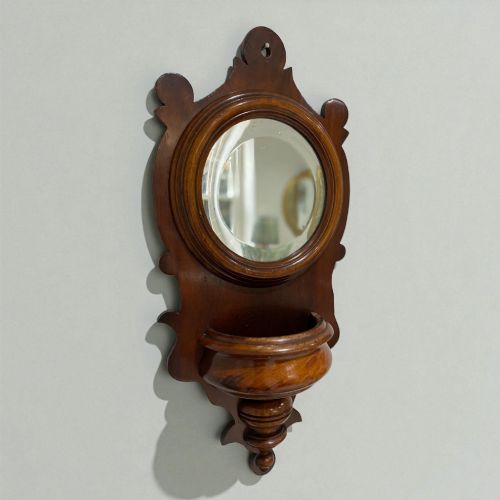
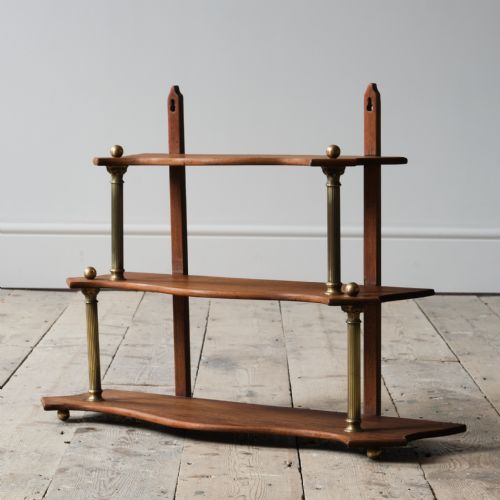
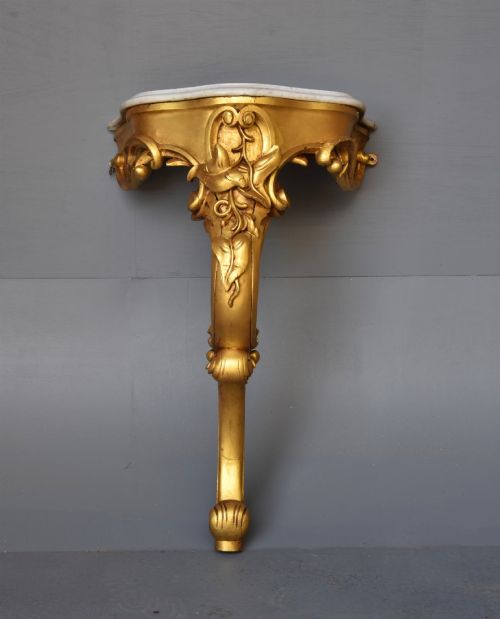
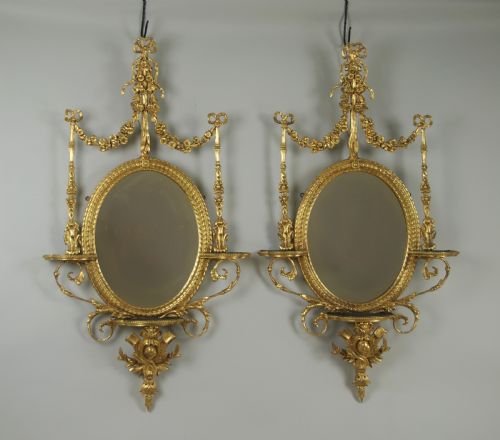
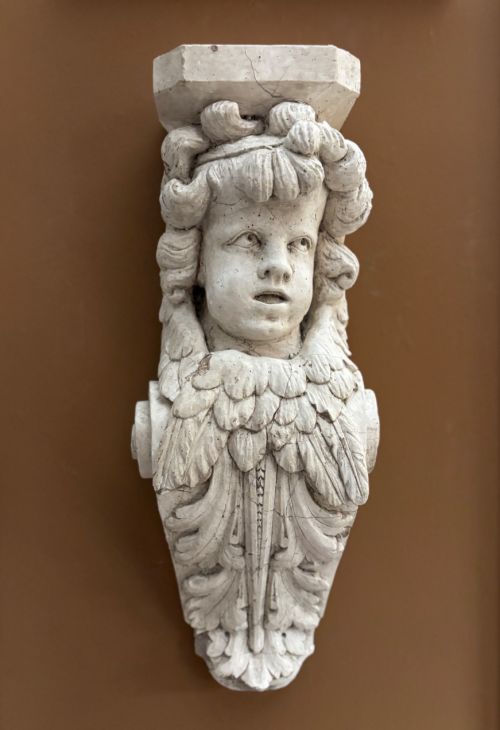
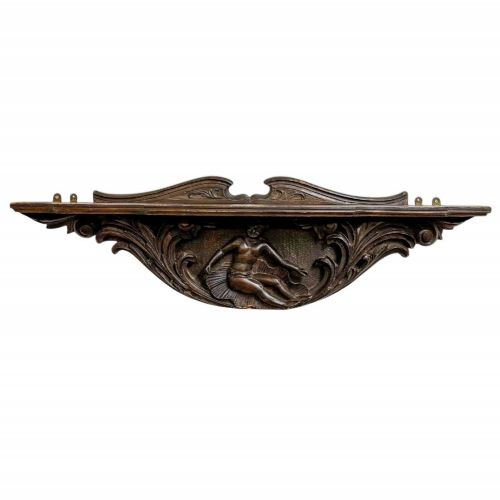
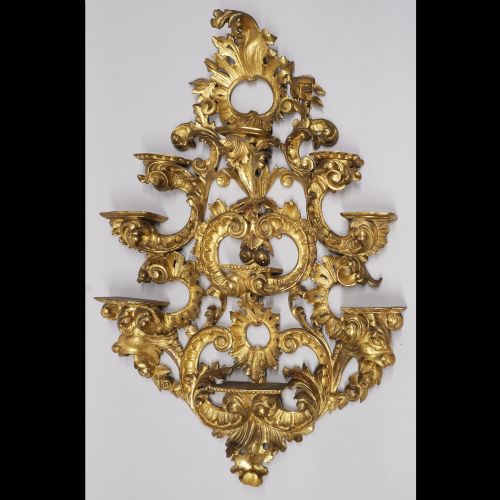
An antique wall bracket shelf serves as a projecting ledge or support fixed directly to a vertical surface, designed to display ornaments, clocks or small sculptures. When searching for an antique wall bracket shelf, collectors encounter forms ranging from simple mahogany hanging shelves to elaborate giltwood consoles and figural corbels.
The pieces on this page span the eighteenth, nineteenth and early twentieth centuries, drawing on Victorian, Regency, Edwardian, Baroque Revival and Rococo Revival styles. Materials include carved wood, walnut, mahogany, gesso, giltwood, brass, glass, terracotta, porcelain and cast iron.
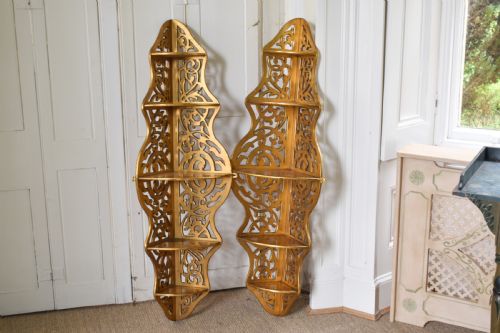
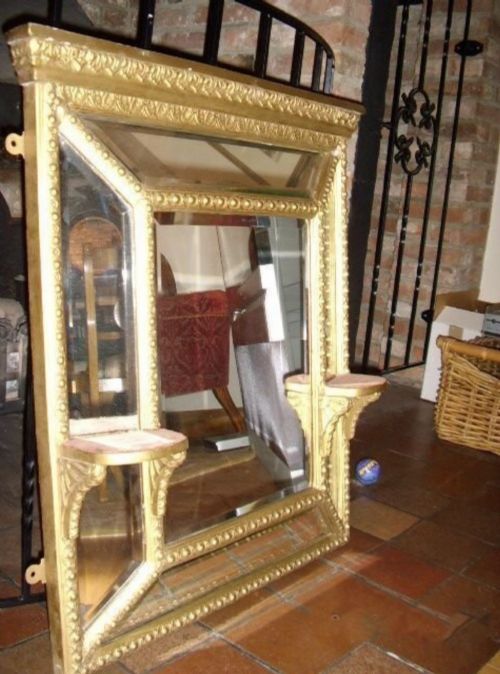
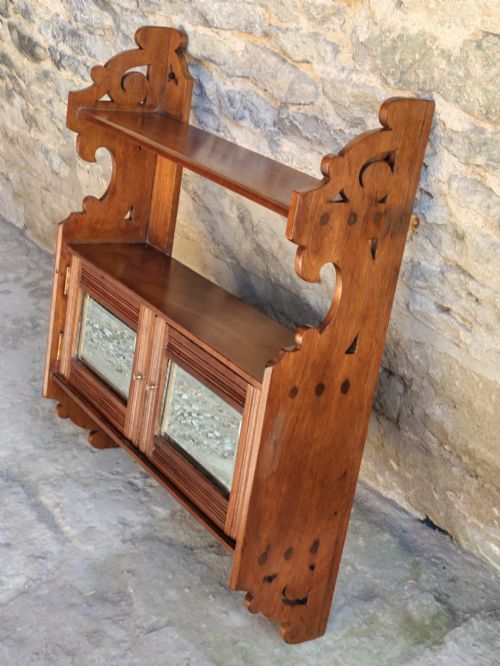
Common formats include corner shelves, console tables, mirrored display shelves and architectural salvage brackets. Origins stretch across British, French and Italian workshops, reflecting diverse domestic and decorative interiors.
Materials and technique
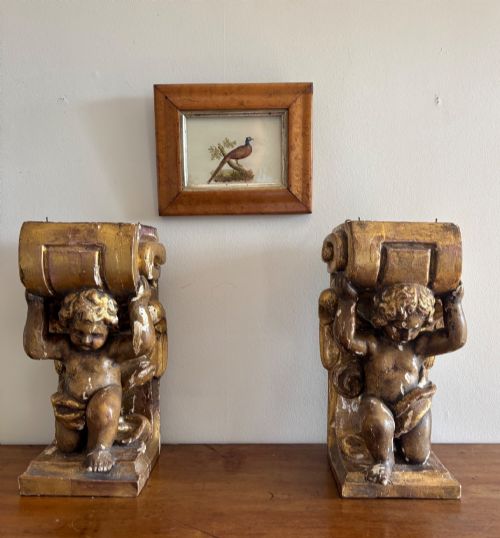
Makers shaped these supports using traditional joinery and carving methods on solid timbers such as walnut, mahogany, oak and pine. Carved wood details often received layers of gesso before being gilded with gold leaf or painted in antique white finishes.
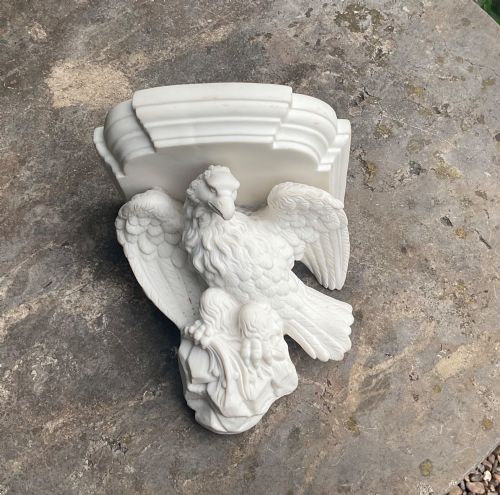
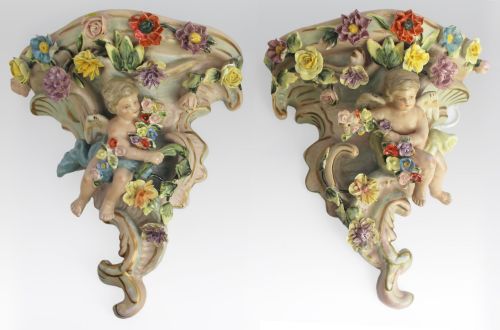
Finer decorative examples incorporate specialised techniques like Sorrento marquetry inlay in olive wood, or hand-modelled terracotta, parian ware and majolica ceramics. Metal elements utilise cast iron and brass, while mirrors employ bevel-cut glass set into moulded frames.
Some nineteenth century carvers could not resist adding a touch of mischief, immortalising horned devils alongside traditional celestial cherubs on the wall.
Evaluating workmanship
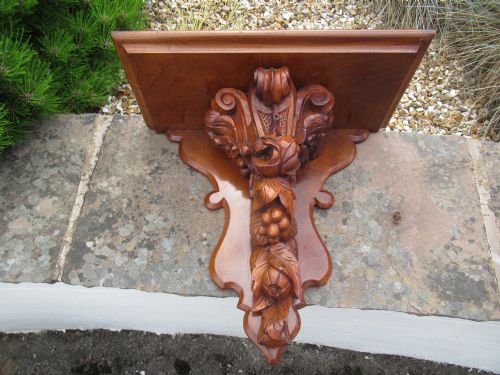
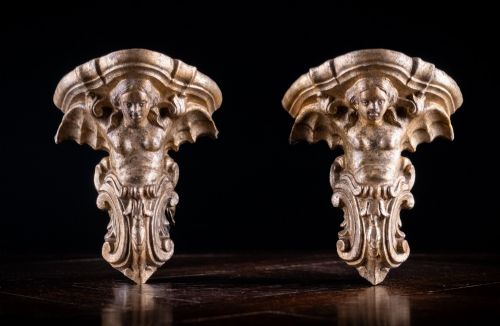
Quality resides in the crispness and depth of the hand-carving, particularly on figural motifs like cherubs, putti, sirens and acanthus scrolls. Sharp, undercut details indicate a skilled hand rather than a mass-produced moulded substitute.
The integrity of the surface finish dictates visual success, whether it is the warm patina of polished walnut and mahogany or the burnished depth of original water-gilding on gesso. Structural robustness at the wall junction remains essential for weight-bearing ledges.
Strahan of Dublin·Minton·Meissen·Connell of London·Luigi Frullini
The Antique Wall Bracket Shelf Glossary
- Corbel
- A structural or decorative bracket projecting from a wall to support a weight above it. These architectural supports often take figurative or scroll-carved forms.
- Giltwood
- Timber coated with fine gold leaf applied over a prepared gesso ground. This technique creates a luminous metallic sheen characteristic of formal period interiors.
- Gesso
- A plaster-like mixture applied to wood surfaces as a smooth base for gilding or painting. It allows craftsmen to model crisp relief ornamentation before finishing.
- Majolica
- A type of tin-glazed earthenware decorated with colourful opaque glazes. Victorian makers utilised this technique for vibrant, sculptural wall supports.
- Parian ware
- A fine-grained unglazed porcelain resembling white marble. It gained popularity in the nineteenth century for classical figures and decorative brackets.
Antique Wall Bracket Shelf: Frequently Asked Questions
What rooms suit an antique wall shelf best?
These shelves suit hallways, living rooms and studies where surface space is limited but decorative display area is desired. Smaller mahogany or walnut versions fit well in intimate corners or narrow corridors.
Mirrored variants work effectively in darker spaces by reflecting ambient light while providing a compact ledge for small objects.
How do I tell Victorian from eighteenth century pieces?
Eighteenth century pieces typically exhibit heavier proportions, hand-cut joinery and deeper, organic carving associated with Georgian and Italian Baroque or Rococo aesthetics. Timber choice often leans toward dense oak, walnut or early mahogany with deep patination.
Victorian and later nineteenth century items frequently embrace revival styles with machine-assisted precision, factory ceramics like majolica, or brighter gilt finishes.
How should I clean antique giltwood brackets?
Clean giltwood surfaces gently with a very soft, dry brush or feather duster to remove accumulated dust without disturbing the fragile gold leaf. Avoid all moisture, wet cloths and chemical cleaning agents.
Water and solvents dissolve historic gesso and gilding layers very quickly, causing permanent damage to the antique finish.