



Dark Brown Metal Vases
Dark brown metal vases bring weight and rich patination to a room, spanning Japanese Meiji bronzes and French neoclassical urns.
Dark Brown Metal Vases
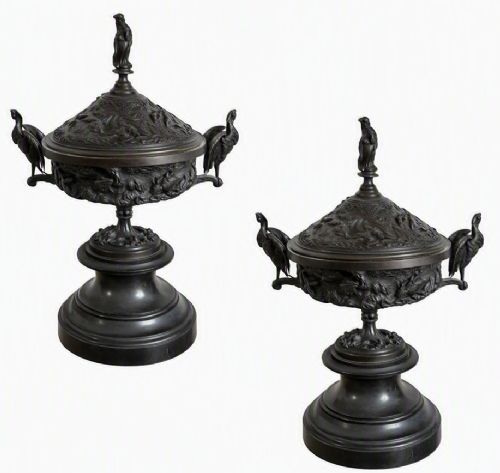
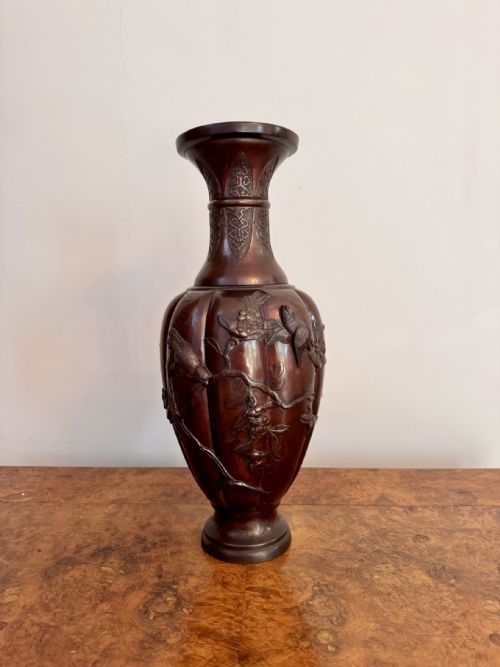
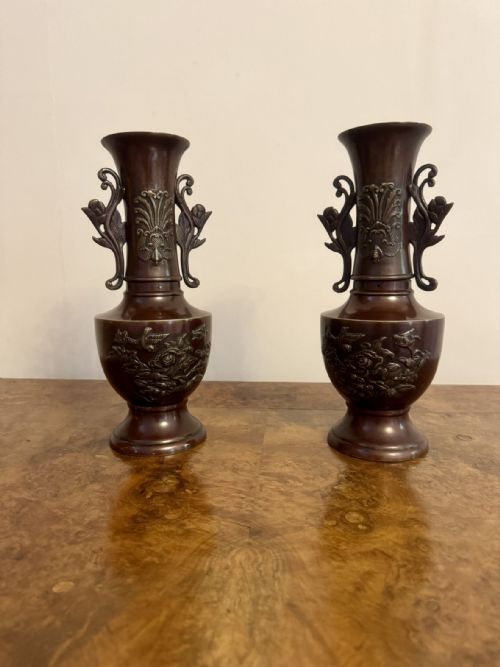
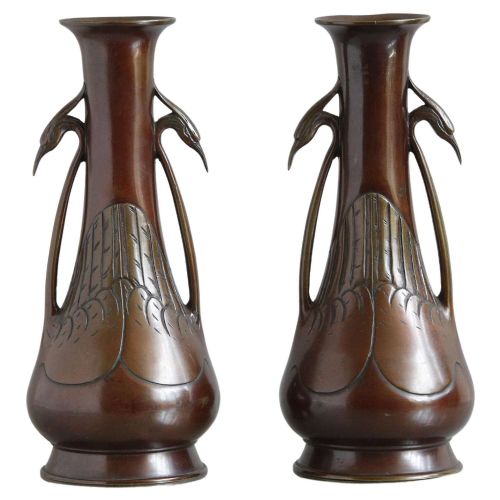
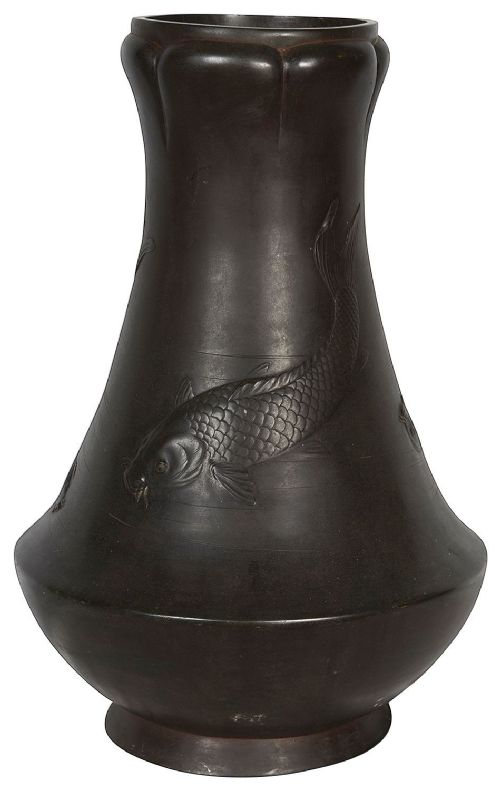
The Japanese Meiji period examples dominate the selection, often featuring finely detailed handles shaped as egrets or carp, alongside traditional tsubo and gu forms. Alongside these, French nineteenth-century bronze and spelter urns offer classical proportions set upon stepped plinth bases.
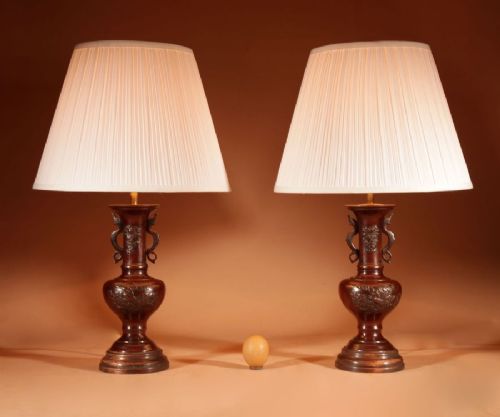
Buyers also discover occasional table lamps converted from bronze vases, merging utility with sculptural form. Pieces range from pre-sixteenth century Chinese origins up to early twentieth-century works, providing varied silhouettes suited to classical and eclectic interiors alike.
What varies in quality
Quality rests in the crispness of the cast and the depth of the original patination rather than mere age or scale. Superior Japanese Meiji bronzes display sharply defined chisel work on handles and relief motifs, whereas lesser examples show softer surface detail.
Weight and balance distinguish substantial altar vases and large pairs from lighter decorative items. The finesse of applied signatures and the integrity of patinated surfaces separate standard production pieces from masterworks by named makers.
Jules Moigniez·Charles Korschann
The Dark Brown Metal Vases Glossary
- Patinated bronze
- Bronze that has been treated with chemical solutions to produce a darkened surface colour. This dark brown coating protects the metal and defines the sculptural contours.
- Campana urn
- A bell-shaped vessel with an everted rim, popular in French neoclassical design. These often rest on square plinth bases as decorative garnitures.
- Meiji period
- The era of Japanese history lasting from 1868 to 1912, noted for exceptional metalwork exported to the West. Vases from this time frequently feature naturalistic flora and fauna.
- Cassolette
- A decorative vessel shaped to serve as a perfume burner or vase, fitted with a removable pierced lid. Regency and nineteenth-century examples often use classic classical urn profiles.
- Gu vase
- An ancient Chinese ritual vessel form with a flared trumpet neck and widened base. Later bronze interpretations translate this ancient silhouette into dark patinated metal.
Dark Brown Metal Vases: Frequently Asked Questions
What periods do these vases come from?
The selection spans several centuries, with a heavy concentration of pieces originating in the nineteenth century. You will find items from the Japanese Meiji period, French neoclassical era, and older Chinese dynasties.
Dates range from pre-sixteenth century examples up to early twentieth-century creations, reflecting diverse global manufacturing traditions in cast metal.
How do I distinguish bronze from spelter?
Bronze is a heavy alloy of copper and tin that takes a deep, stable patination and rings with a clear tone. Spelter is a zinc-based alloy that is lighter in weight and often used in French decorative urns.
Spelter generally feels softer to the touch and requires careful handling to preserve its applied dark brown finish.
Were these vases used for flowers?
Many Japanese and Chinese vessels served as ornamental display pieces rather than functional flower holders, particularly ritual altar pieces and heavy bronze urns. Others, such as stem vases and bouquet pots, were specifically designed to hold cut stems.
Examine the interior of the vessel for water staining or liners to determine its historical use.
How should I clean a dark brown metal vase?
Maintain the surface by dusting gently with a dry, soft cloth to prevent particulate buildup. Avoid chemical polishes and abrasive cleaners, which will strip away the original patination.
Preserving the darkened metallic finish protects the historical integrity and appearance of the piece.