



Dark Brown Carved Plaque
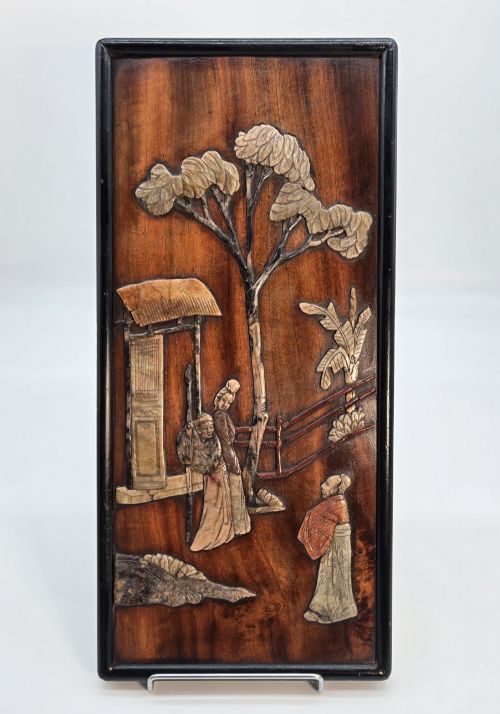
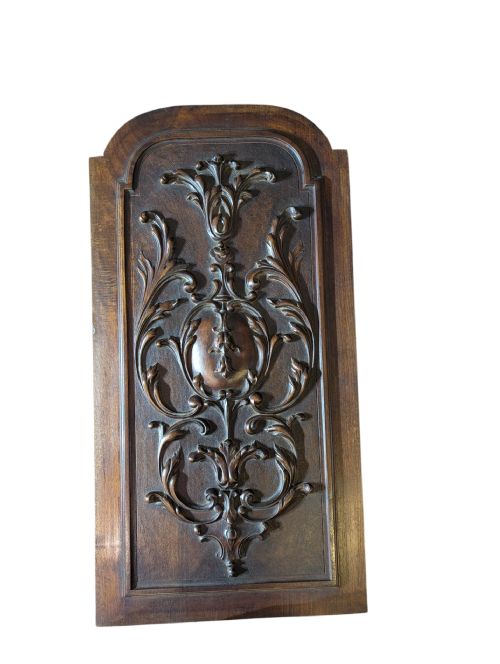
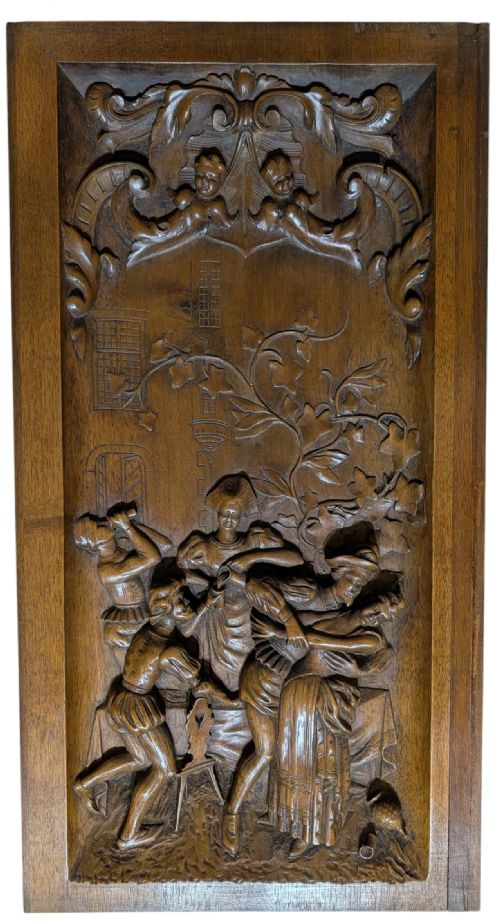
A dark brown carved plaque brings deep texture and centuries of handcraft into a room, serving as a striking architectural focal point.
Dark Brown Carved Plaque
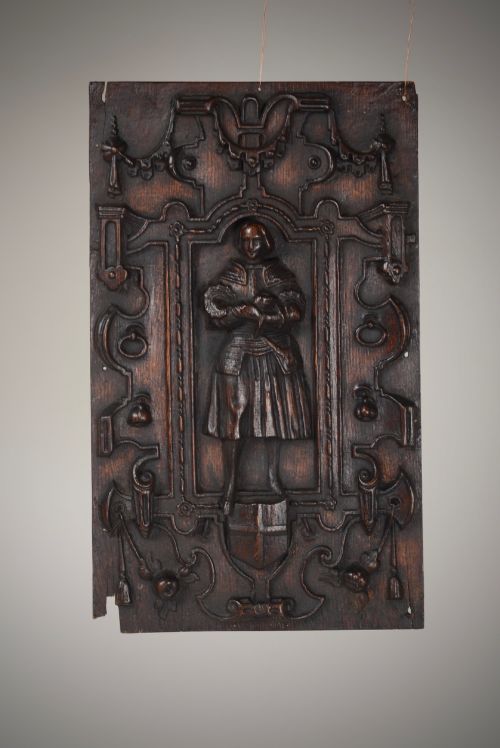
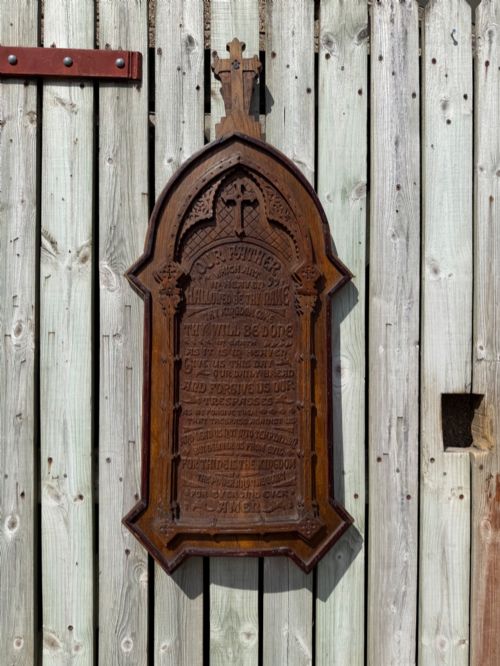
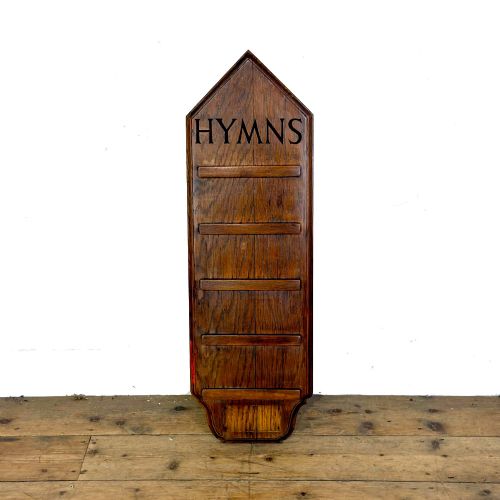
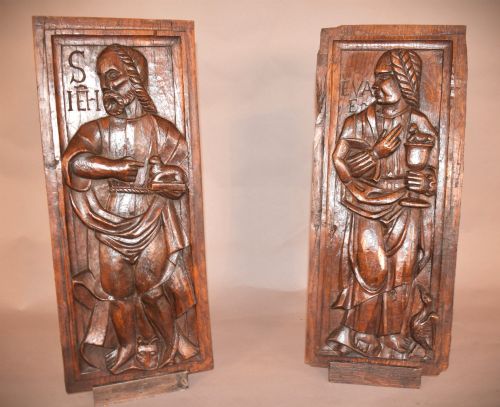
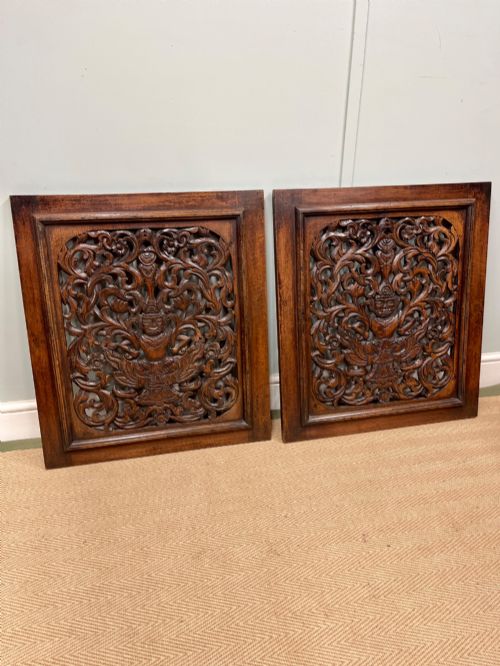
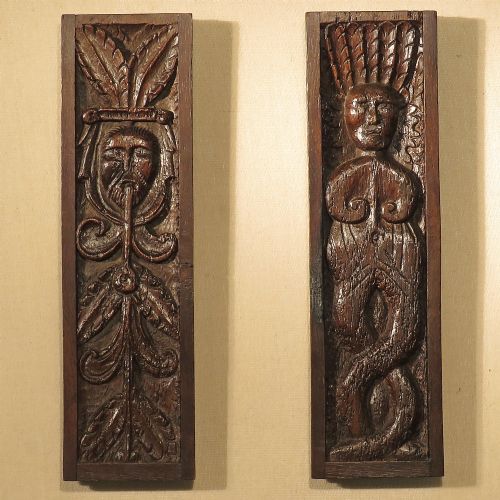
A dark brown carved plaque encompasses wall panels, architectural salvage, and framed reliefs originating from the sixteenth century through to the early twentieth century. These pieces function primarily as wall art, wall sculptures, and heraldic plaques designed to decorate interiors with historical motifs.
The version most commonly encountered on this page is an oak or walnut panel dating from the nineteenth century or the seventeenth century. They frequently display deep relief carving, botanical patterns, or figurative subjects such as hunting trophies and portraits.
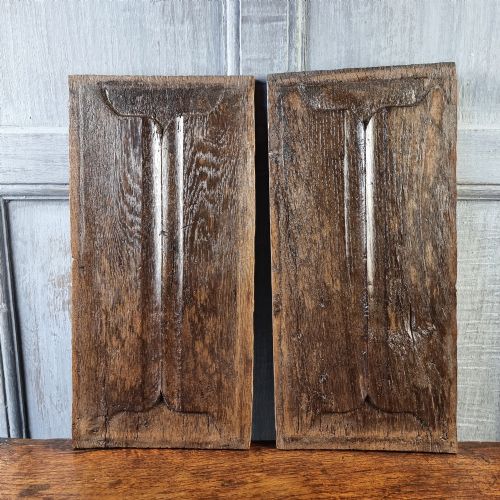
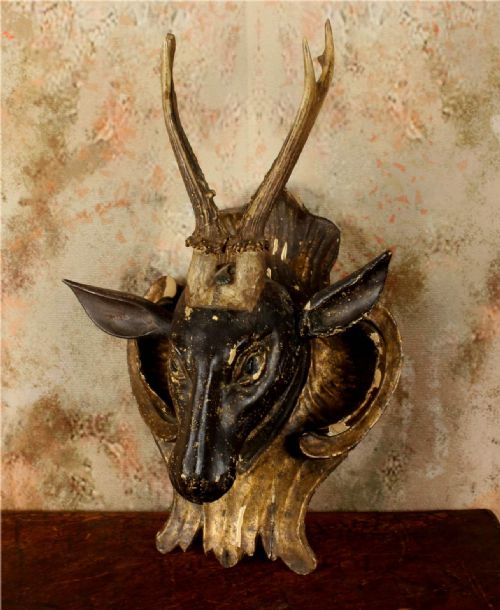
Origins span widely across European workshops in Britain, Germany, and Flanders, alongside regional works from India, China, and Kashmir. Forms range from simple linenfold panels to elaborate Black Forest animal carvings and ecclesiastical plaques.
What varies in quality
The standard of a dark brown carved plaque rests upon the depth, sharpness, and fluidity of the chisel work. Superior pieces display confident undercutting and expressive anatomical or botanical details that create natural shadows, whereas inferior examples appear flat and mechanical.
Proportion and the preservation of the original timber surface dictate the desirability of a panel. Pieces that retain their historic patina and show minimal later modification stand apart from heavily restored or clumsily re-carved items.
Listings feature woods such as oak, walnut, teak, and fruitwood, spanning the sixteenth to the early twentieth century.
The Dark Brown Carved Plaque Glossary
- Linenfold
- A style of wood carving that mimics folded linen cloth, commonly seen on sixteenth-century panels. This architectural motif gives flat wooden surfaces the appearance of draped fabric.
- Black Forest
- A nineteenth-century German style of wood carving known for realistic animal sculptures and hunting trophies. These pieces frequently depict bears, dogs, stags, and foliage in deep relief.
- Relief
- A sculptural technique where figures or patterns project from a background plane. High relief projects significantly, creating strong shadows and a three-dimensional effect.
- Acanthus
- A classical decorative motif based on the leaves of the acanthus plant. Carvers utilised this stylized foliage extensively in Baroque and Renaissance architectural woodwork.
- Treen
- Small handmade wooden household objects and decorative items. The term encompasses carved wooden wares produced before the advent of modern mass production.
Dark Brown Carved Plaque: Frequently Asked Questions
How should I hang a heavy wooden plaque?
Heavy wooden plaques require secure fixings anchored directly into wall studs or masonry using appropriate wall plugs and screws. Many antique panels feature original hanging loops, but supplementary weight-bearing brackets provide safer support.
Ensuring the mounting hardware matches the substantial weight of dense woods like oak or walnut prevents structural strain on the wall and the antique piece itself.
How do I clean an antique carved plaque?
Dust the carved recesses regularly using a soft, dry natural bristle brush to prevent particle buildup in the intricate details. Avoid using water, liquid cleaners, or modern polishes that can strip the historic wax and darken the timber further.
Applying a microcrystalline wax sparingly once a year helps protect the wood surface and preserves the rich dark brown tone without leaving a sticky residue.
How can I tell a sixteenth-century panel from a nineteenth-century revival piece?
Sixteenth-century panels typically display adze marks, hand-split grain irregularities, and peg construction consistent with early joinery techniques. The wear patterns on early pieces reflect centuries of handling and atmospheric ageing.
Nineteenth-century Gothic Revival pieces often exhibit regular machine-sawn backing marks, crisper tool edges, and standardised dimensions that distinguish them from genuinely early examples.
Where were these carved plaques originally displayed?
Many panels originated as architectural elements integrated into church interiors, institutional halls, or wealthy domestic wood-panelled rooms. Others functioned as portable devotional shrines, guild signs, or armorial displays mounted in libraries and great halls.
Over time, many architectural components were salvaged from buildings and mounted independently as decorative wall art for collector interiors.