

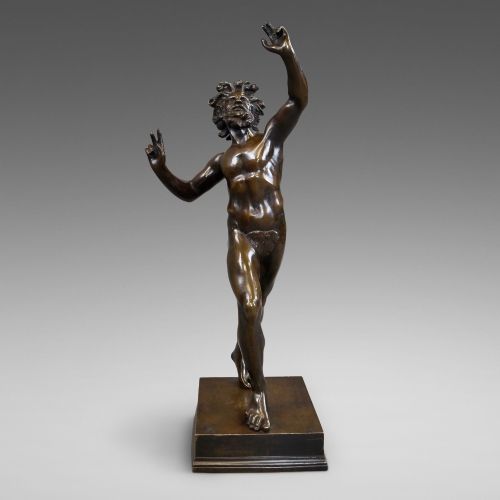
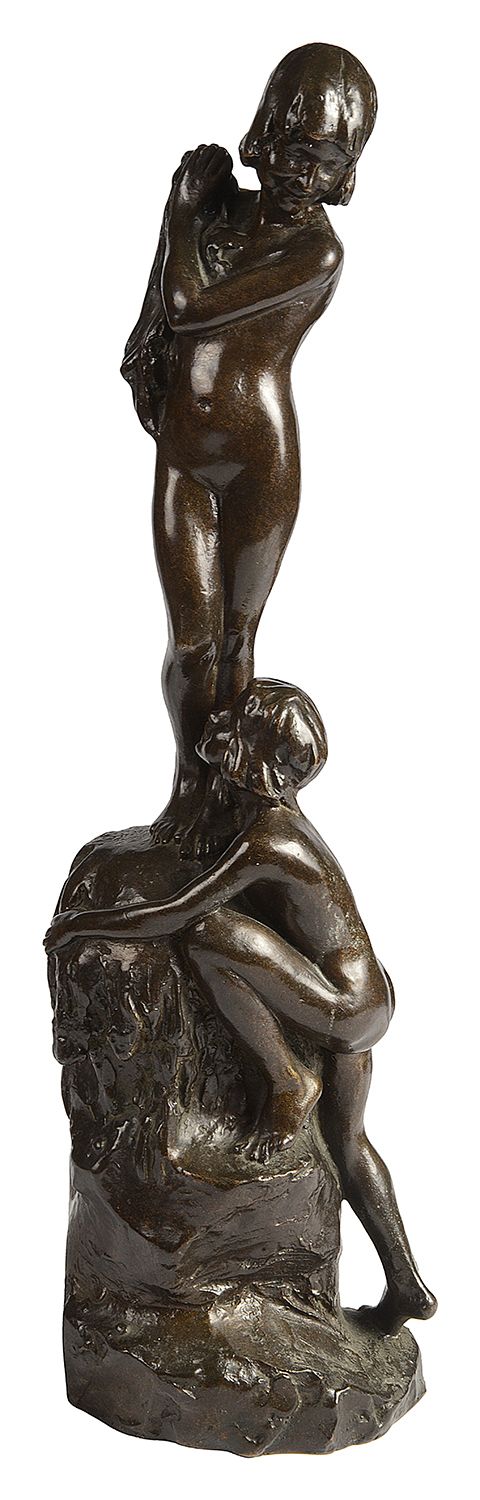
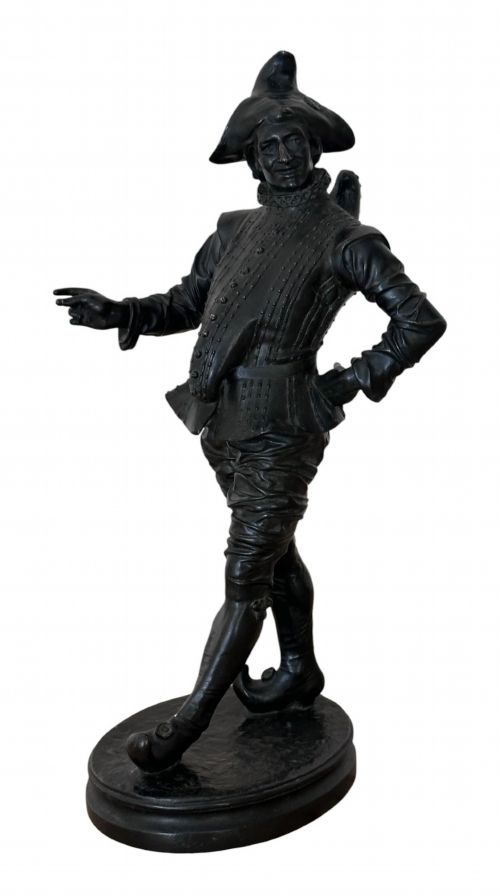
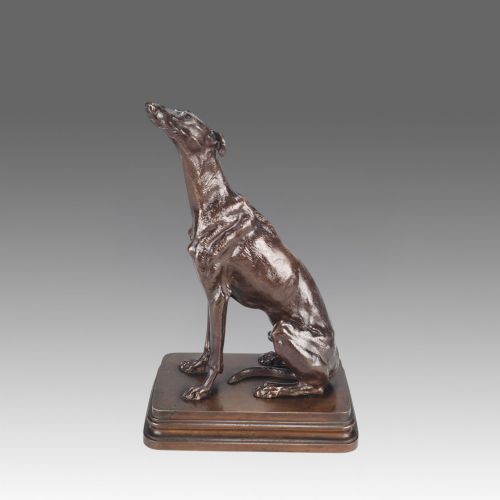

Dark Brown Bronze Statuette
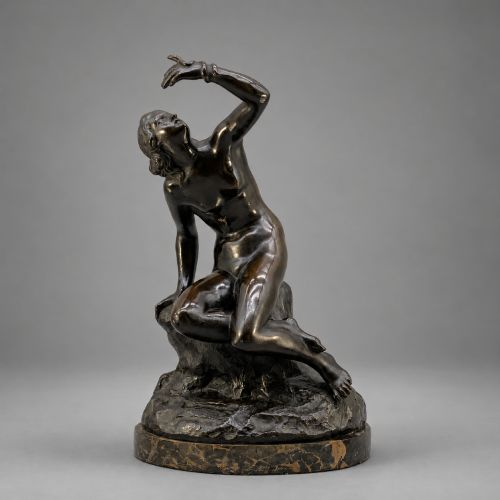
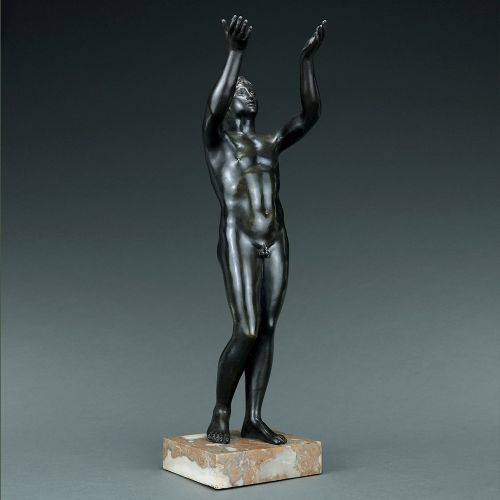
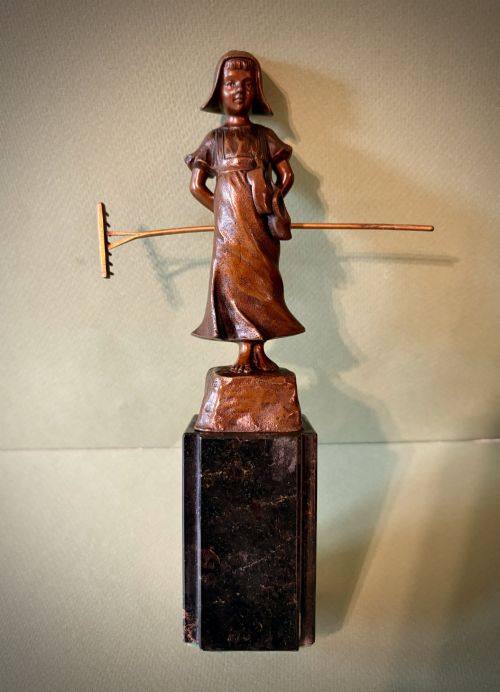
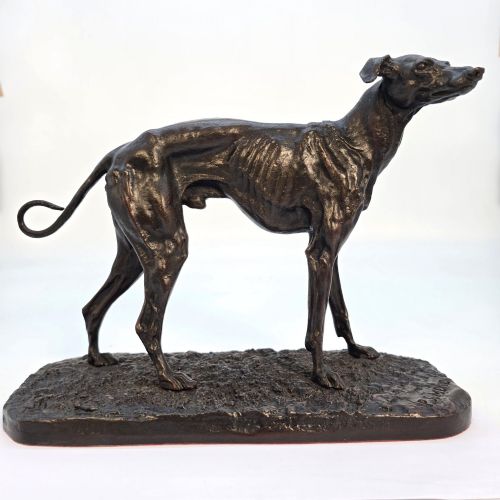
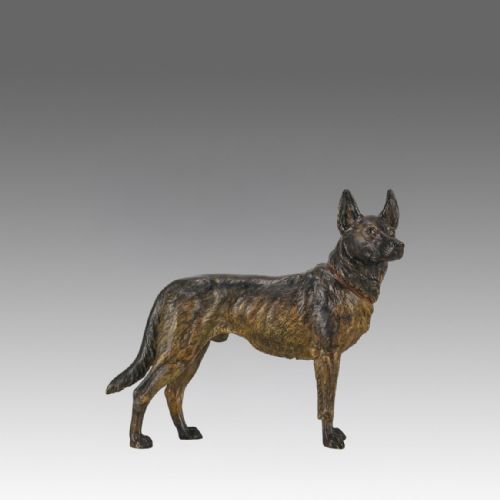
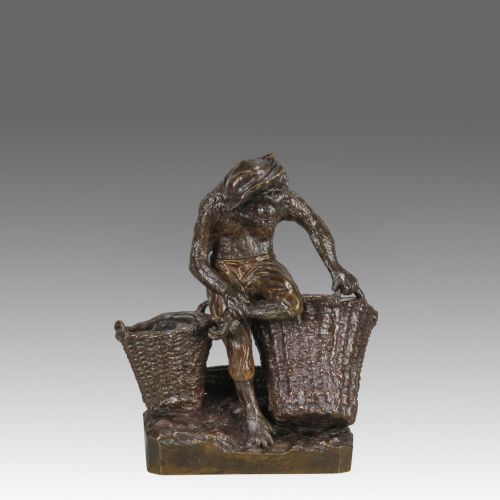
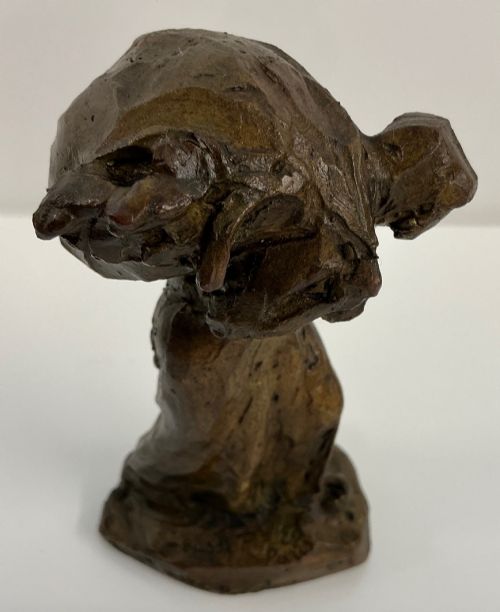
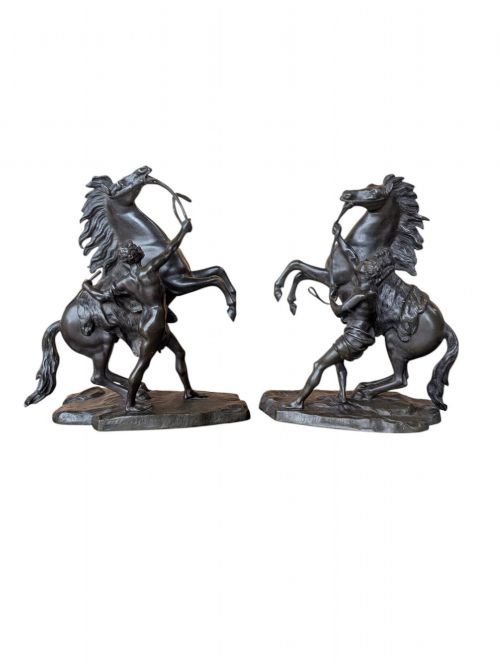
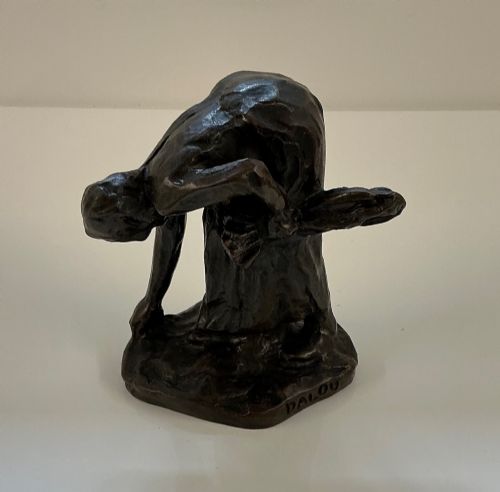
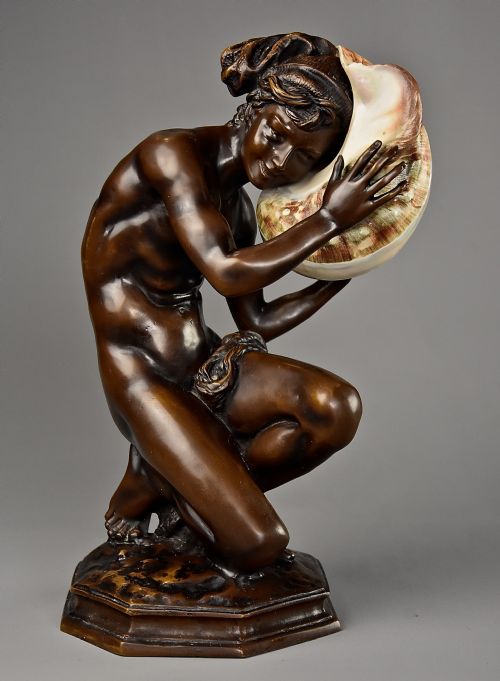
A dark brown bronze statuette brings dense weight and finely modelled detail into a room, capturing human figures, animals and classical subjects through the methods of past centuries.
Dark Brown Bronze Statuette
A dark brown bronze statuette represents a diverse category of small sculptural works originating primarily from the nineteenth and early twentieth centuries. These pieces encompass figurative subjects, animal studies, mythological groups and architectural souvenirs designed for display on mantelpieces, desks and cabinets.
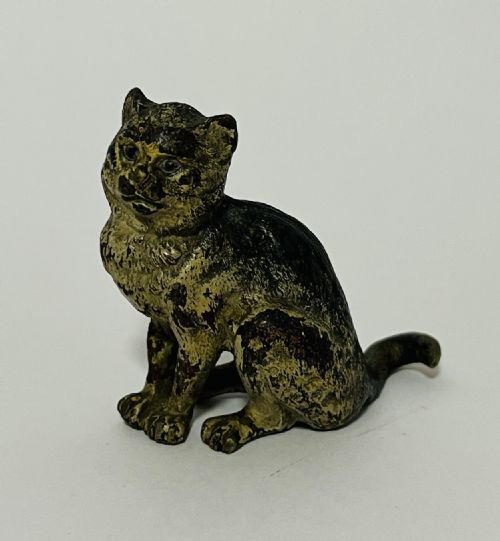
Buyers encounter French realism, Art Nouveau styling, Grand Tour classical reductions and Austrian cold-painted animalier subjects across this selection. Forms range from miniature single figures to complex groupings involving marble bases, wooden mounts and clock sets.
The prevalent origins span French foundries, Austrian workshops and Italian studios, reflecting the widespread popularity of small-scale metal casting during the Victorian and Edwardian eras. Each piece demonstrates the specific aesthetic priorities of its period, shifting from strict academic realism to fluid decorative lines.
Assessing sculptural quality
The integration of the metal figure with its supporting base, whether marble, wood or integrated bronze, indicates the original maker's standard of production. Stronger castings exhibit careful finishing on the underside and secure assembly without visible gaps.
Dark Brown Bronze Statuette Retail Price Guide 2026
Typical asking prices for dark brown bronze statuette among the pieces listed under this phrase on Sellingantiques today, from the lower quarter to the upper quarter. They describe what is for sale here now, not the wider market.
Victorian sculptors occasionally turned their attention to diminutive subjects, casting mice and lobsters with the same solemn gravity usually reserved for heroes.
Christophe Fratin·Alfred Dubucand·Franz Bergman·Jules Dalou·Carl Kauba·Emmanuel Villanis
The Dark Brown Bronze Statuette Glossary
- Animalier
- A nineteenth-century artistic movement dedicated to the realistic depiction of animals, particularly predators, horses and hounds in motion. Sculptors in this tradition studied anatomy extensively in menageries.
- Grand Tour
- A traditional trip through Europe undertaken by upper-class scholars and travellers, who acquired miniature bronze souvenirs of classical antiquities. These replicas reproduced famous statues found in Italian museums and excavations.
- Cold-Painted Bronze
- A technique where oil paint is applied to an unheated bronze casting and allowed to air dry rather than being fired in a kiln. This method was widely used in Austrian workshops to create vibrantly coloured birds and human figures.
- Patination
- The chemical treatment or natural weathering applied to the surface of bronze to alter its colour and tone. Artisans used specific compounds to produce deep brown, black or greenish hues.
- Spelter
- An alloy of zinc and lead used as a cheaper alternative to bronze in the manufacture of decorative figures and clocks. It is lighter in weight and softer than true bronze.
Dark Brown Bronze Statuette: Frequently Asked Questions
What is a dark brown bronze statuette?
A dark brown bronze statuette is a small cast metal sculpture finished with a chemical patination to produce a deep brown tone. These pieces depict human figures, animals and classical subjects.
They were produced primarily in European workshops during the nineteenth and early twentieth centuries as decorative art for domestic interiors.
How do I clean a bronze sculpture?
Cleaning requires only a gentle dusting with a soft, dry microfibre cloth to remove accumulated particles. Avoid using water, soap, abrasive cleaners or metal polishes.
Harsh substances strip away the original patination and damage the protective wax coating applied to the metal surface.
Are these pieces solid bronze?
Many sculptures are cast using the traditional lost-wax method, resulting in solid bronze construction, while others are cast with a hollow interior to save weight and metal.
Alternative materials like patinated spelter also appear in the period, requiring careful examination of weight and base metal colour to distinguish them from bronze.
Where were these statuettes displayed?
Original owners placed these small sculptures on library desks, mantelpieces, side tables and specialised vitrines in nineteenth-century homes. They served as conversation pieces and evidence of the owner's cultural interests.
Today, they function similarly on bookshelves, sideboards and collectors' display cabinets.