





Classical Mythology Bronze Figurine
These classical mythology bronze figurine pieces bring ancient deities and mythological figures into domestic spaces with enduring sculptural presence.
Classical Mythology Bronze Figurine
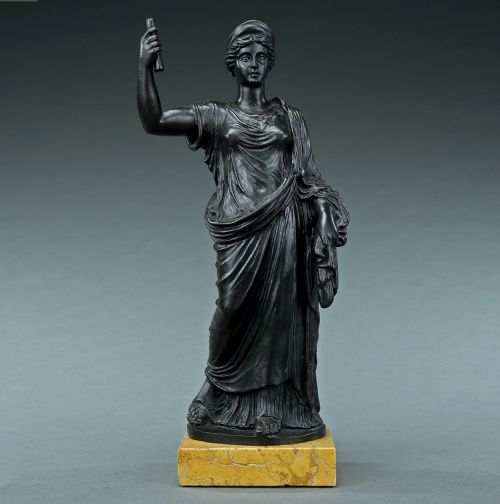
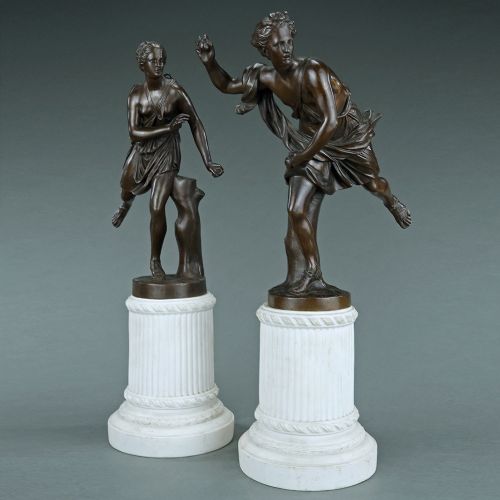
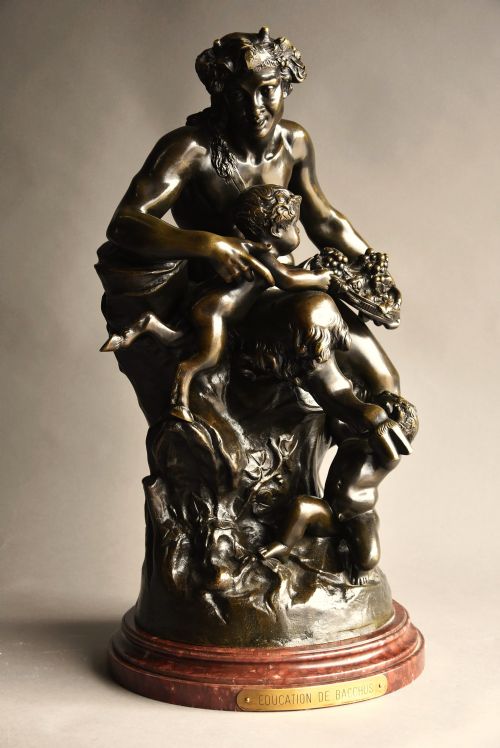
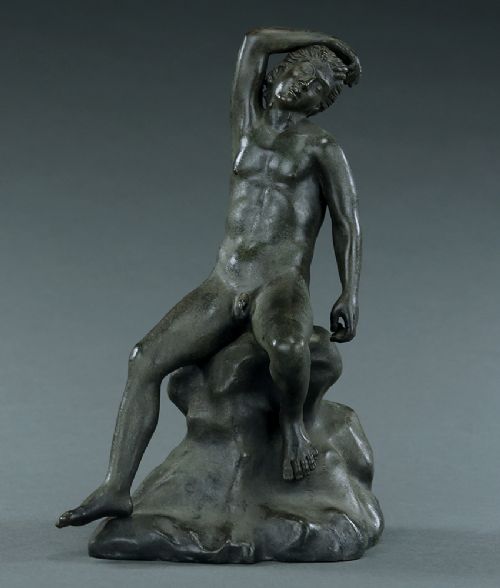
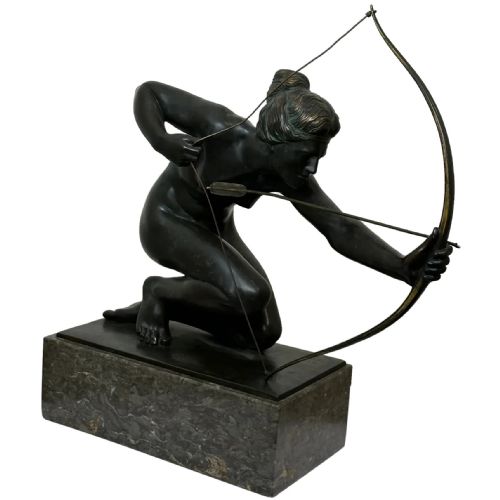
A classical mythology bronze figurine depicts figures from ancient Greek and Roman pantheons, including gods, goddesses, satyrs, and legendary heroes. These works draw directly on classical antiquity, translating monumental marble and excavated bronzes into cabinet-sized sculptures.
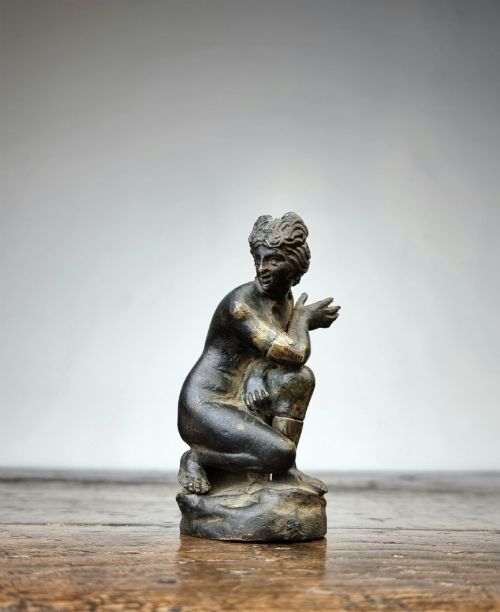
The selections available here predominantly span the nineteenth century, encompassing Grand Tour souvenirs, classical revival studies, and later reinterpretations. Common subjects include mythological figures such as Venus, Bacchus, Perseus, and Pan, captured in moments of action, repose, or meditation.
Many of these pieces serve as reductions of famous museum sculptures originally housed in Italian collections like the Musée de Naples or excavated at Pompeii. Collectors encounter both single figures and sculptural groups, often mounted on integrated bronze bases or secondary plinths.
Materials and casting methods
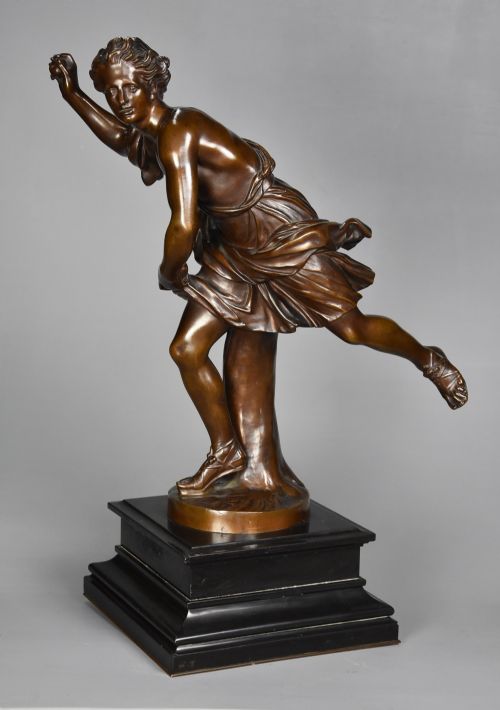
The primary material across these works is bronze, often worked with patination treatments ranging from dark brown surfaces to verdigris and green finishes. Foundries applied chemical patinas to simulate the aged appearance of excavated antiquities or to enhance the sculptural contours.
Support materials frequently include marble plinths, stone bases, and ebonised wood mounts that elevate the bronze figures and provide structural stability. These secondary materials complement the metalwork, distinguishing Grand Tour souvenirs and cabinet bronzes from simple loose castings.
Classical Mythology Bronze Figurine Retail Price Guide 2026
Typical asking prices for classical mythology bronze figurine among the pieces listed under this phrase on Sellingantiques today, from the lower quarter to the upper quarter. They describe what is for sale here now, not the wider market.
Pan continues serenading reluctant fauns in miniature bronze, proving that ancient woodland mischief survives perfectly well on a nineteenth-century mantelpiece.
Evaluating craftsmanship and definition
Quality in a classical mythology bronze figurine rests upon the crispness of the chase work and the fidelity of the cast to the original antique source. Superior examples retain sharp facial expressions, articulated musculature, and fine detail in hair, drapery, and attributes like bows, pipes, or chariots.
The sophistication of the patination and the quality of the mounting further distinguish finer castings from standard production pieces. Foundries that employed skilled chisellers achieved depth and nuance in the metal surface that lesser commercial workshops omitted.
Barbedienne·Claude Michel Clodian·Albert Hussmann·Franz Iffland·Aug. Moreau
The Classical Mythology Bronze Figurine Glossary
- Grand Tour
- A traditional trip through Europe undertaken by upper-class scholars and travellers to view classical antiquities. Figures acquired during these journeys served as portable souvenirs of ancient art.
- Patinated Bronze
- Bronze metal treated with chemical solutions to produce a specific surface colour or aged finish. This technique alters the raw metallic sheen to various shades of brown, green, or verdigris.
- Neoclassical
- An artistic movement drawing inspiration from the art and culture of classical Greece and Rome. This style prioritises balance, proportion, and heroic mythological subject matter.
- Verdigris
- A green patina formed naturally on copper, brass, or bronze through atmospheric oxidation or applied artificially by founders. It mimics the appearance of long-buried ancient statuary.
- Ebonised Wood
- Timber treated to resemble ebony, typically through staining and polishing dark. It provides a dense, neutral base for mounting small bronze sculptures.
Classical Mythology Bronze Figurine: Frequently Asked Questions
What are grand tour bronzes?
Grand tour bronzes are small-scale sculptures produced in Europe during the eighteenth and nineteenth centuries for travellers visiting classical sites in Italy and Greece.
These pieces replicated famous excavated sculptures and museum holdings, allowing collectors to bring ancient mythology and classical aesthetics back to their homes.
How should I display these sculptures?
These bronzes sit well on desks, mantels, and dedicated display tables where adequate lighting reveals the patination and fine casting details.
Ensure they rest on stable, level surfaces away from excessive moisture to preserve both the bronze metal and any integrated marble or wooden bases.
How do I identify nineteenth-century pieces?
Nineteenth-century works often bear foundry marks, signatures, or specific patination styles associated with active workshops of that era. Examining the underside, the casting seams, and the nature of the bronze alloy helps determine the period of manufacture.
Many pieces also reference specific excavation finds or museum collections catalogued during the eighteen-fifties and eighteen-sixties.
What mythological figures appear most often?
Subjects frequently include Olympian deities like Zeus, Athena, and Bacchus, alongside legendary figures such as Perseus, Venus, and Pan playing pipes. These characters derive from classical literature and well-known sculptural precedents.
Figures of satyrs, fauns, and nymphs also recur across nineteenth-century foundry catalogues and Grand Tour collections.