








Art Deco Classical Figure
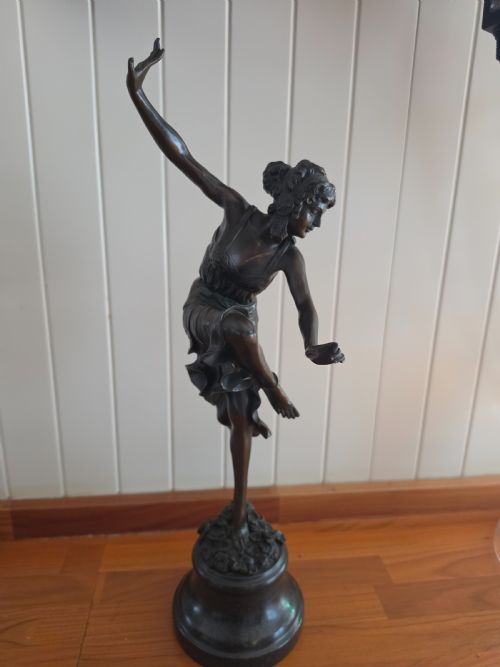
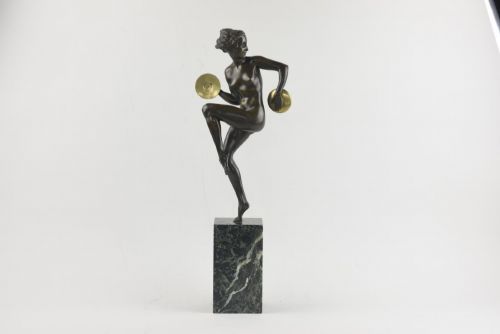
An art deco classical figure merges mythological narrative with modernist geometry, offering a striking centrepiece for a mantel or side table.
Art Deco Classical Figure
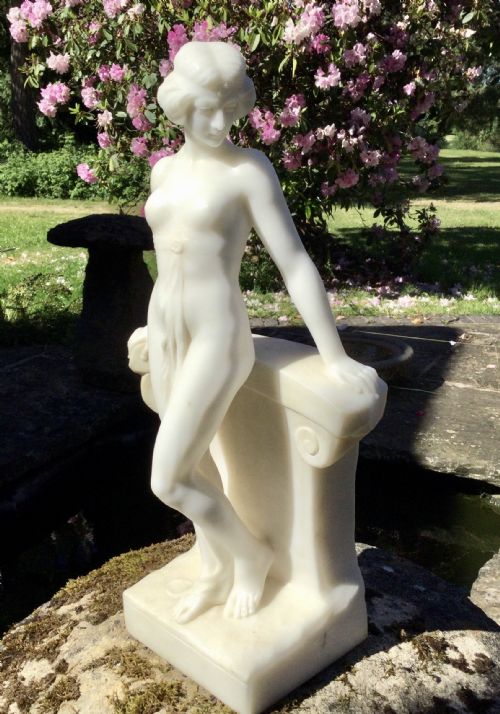
An art deco classical figure draws upon ancient myths, historical narratives, and heroic bodies rendered through the sleek aesthetic of the early twentieth century. These objects bridge the gap between traditional sculpture and modern decorative arts, capturing motion and mythology in solid form.
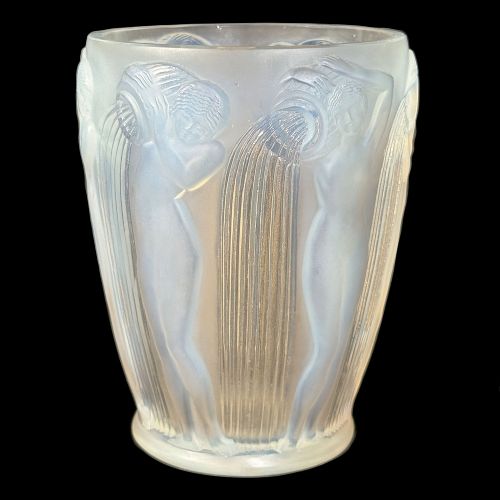
The pieces you encounter most frequently on this page take the form of bronze sculptures, often mounted on marble bases, alongside occasional opalescent glass vases and table lamps. Subjects span from mythological figures such as Diana and Europa to dancers caught mid-movement.
Originating largely from French workshops and prominent European foundries, these works reflect the stylistic shifts of the 1920s and 1930s. They combine classical poise with the stylised lines characteristic of the Art Deco and French Modernist movements.
Materials and methods
Foundries produced these sculptures using traditional lost-wax casting techniques in bronze, which artisans then finished with cold painting, patination, or silvering to accentuate drapery and muscle tone. The resulting metalwork is frequently heavy and detailed, anchored securely to white marble or stone plinths.
Glassworks utilised pressed, frosted, and opalescent techniques to create translucent figures and vessels where light plays across the surface. These glass pieces require precise mould-making and controlled cooling to achieve their signature depth and luminosity.
Art Deco Classical Figure Retail Price Guide 2026
Typical asking prices for art deco classical figure among the pieces listed under this phrase on Sellingantiques today, from the lower quarter to the upper quarter. They describe what is for sale here now, not the wider market.
Listings feature four distinct material categories: bronze, marble, stone, and glass.
Evaluating the pieces
Quality rests in the crispness of the casting and the sensitivity of the chisel work applied after the metal leaves the mould. Finer pieces retain sharp details in hair, fingers, and drapery without softening or blurring.
The integration of the figure with its base matters significantly, as does the quality of the materials themselves, such as heavy veined marble or dense, tactile bronze. Signed works by recognised sculptors carry distinct artistry in their proportions and balance.
Pierre le Faguays·Claire Colinet·Georges-Charles Coudray·Eugène Désiré Piron·Albert Hussmann
The Art Deco Classical Figure Glossary
- Cold Painted
- A method of applying non-fired oil or water-based paint to a bronze surface after casting. This technique allowed makers to add vibrant colour to clothing and hair.
- Lost-Wax Casting
- A historical process where a wax model is melted from a mould and replaced with molten bronze. It permits exceptional detail in figural sculpture.
- Opalescent Glass
- Glass that displays milky or pearlescent blue and amber tones when light passes through it. It became a defining medium for French decorative arts in the interwar period.
- Patination
- The chemical treatment or natural weathering applied to the surface of bronze to alter its colour. A well-applied patina adds depth and highlights anatomical contours.
- Silvered Bronze
- Bronze that has been coated with a thin layer of silver to create a luminous, metallic sheen. This finish was favoured for its bright, modern appearance.
Art Deco Classical Figure: Frequently Asked Questions
What periods do these figures come from?
The pieces listed span the early twentieth century, with a heavy concentration in the 1920s and 1930s during the height of the Art Deco movement. You will also encounter occasional nineteenth-century examples that predate the main stylistic wave.
These dates reflect the manufacturing eras recorded in the titles, capturing a period when classical mythology heavily influenced modern decorative sculpture.
How were these sculptures displayed originally?
Most of these figures were designed as decorative ornaments for domestic interiors, sitting upon mantelpieces, sideboards, or bespoke pedestals. Table lamps and vases served both functional and aesthetic roles in affluent homes.
Their heavy marble or stone bases ensured stability, allowing slender bronze figures to stand securely without additional mounting.
How do I distinguish bronze from other metals?
Bronze possesses a distinctive weight, warmth, and density that sets it apart from common white metals or hollow spelter castings. Examining the underside or base often reveals the rich colour of the metal beneath any patination.
Signatures and foundry marks are also typically chiselled directly into the bronze or onto the marble base rather than stamped.
How do I care for a bronze figure?
Maintain the surface by dusting gently with a soft, dry cloth to prevent particulate accumulation. Avoid chemical polishes or modern cleaning agents, which can strip away the historical patina.
Keep the pieces away from direct sunlight and damp environments to protect both the metal surfaces and the underlying marble bases.