



Dark Brown Animal Artwork
These dark brown animal artwork pieces capture livestock, hounds and wild beasts across centuries of oil paint and canvas.
Dark Brown Animal Artwork
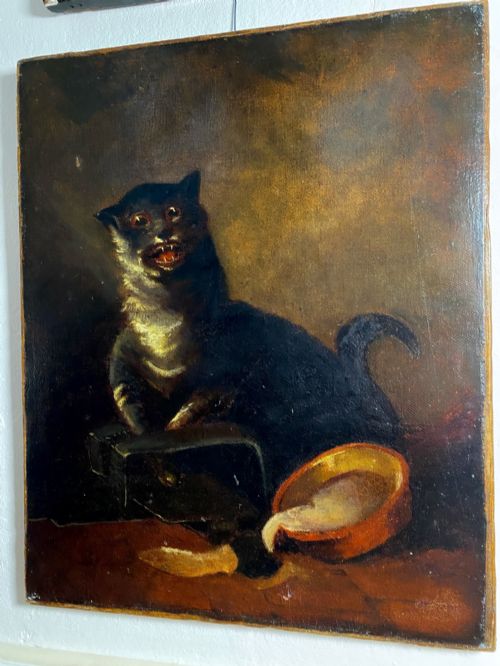
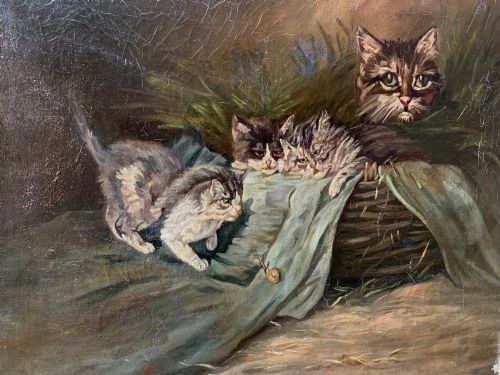
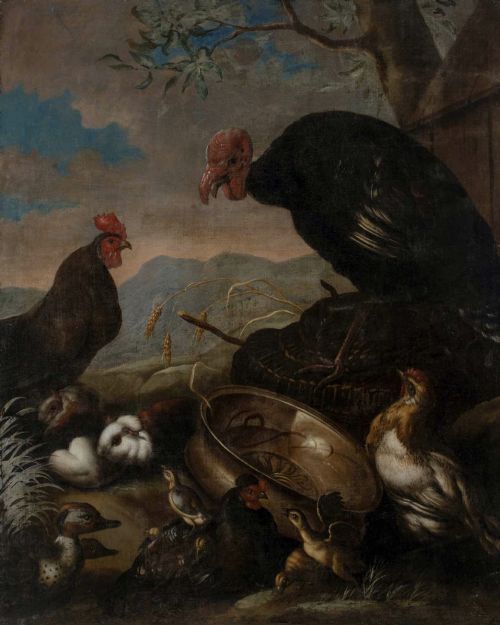
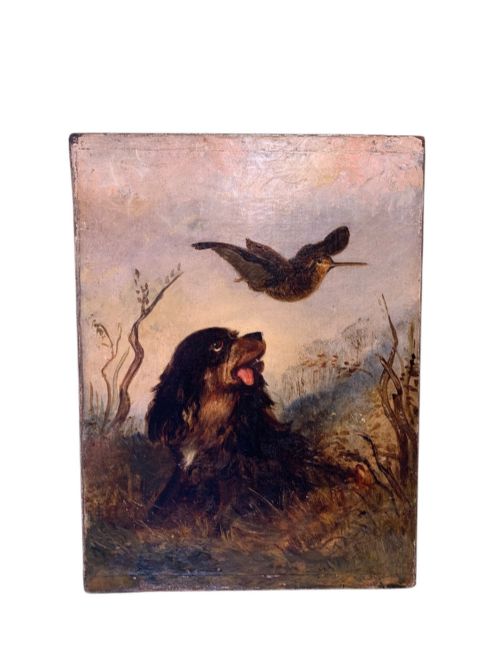
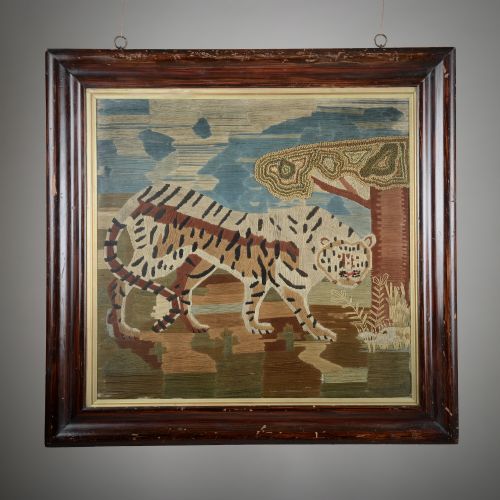
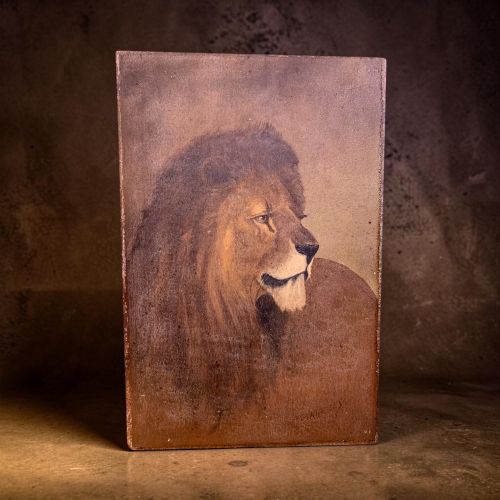
When you search for dark brown animal artwork, you encounter painted and textile depictions of dogs, horses, livestock and wildlife spanning the seventeenth to the twentieth century. These works range from naive folk art portraits of lions and tigers to academic sporting scenes and grand canvases of birds in ruined landscapes.
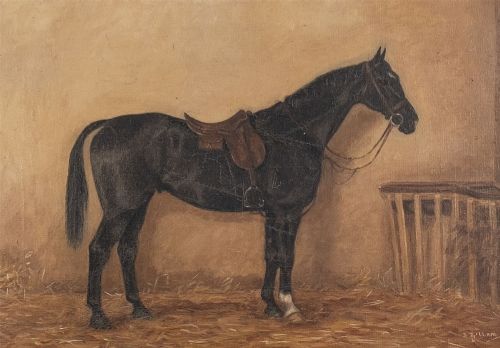
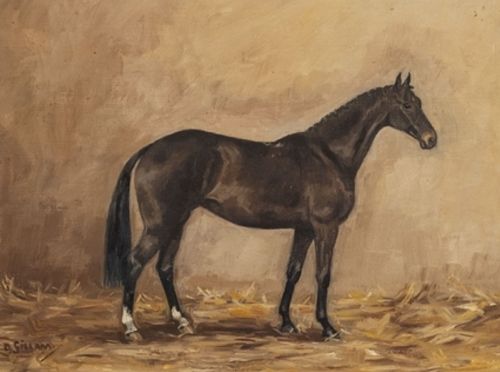
You are most likely to meet nineteenth century oil paintings on canvas or wood panel depicting domestic dogs, working horses and farmyard animals. The palette leans heavily into deep earth tones, rich siennas and dark browns, establishing a sombre yet lifelike atmosphere.
The selection extends across Victorian realism, folk art, and French school compositions, offering both intimate portrayals of individual pets and dramatic narratives of hunting hounds or grazing cattle. Each piece reflects the historical human fascination with recording animal subjects through traditional mediums.
What varies in quality
The distinction between standard decorative work and superior execution lies in the anatomical precision of the animal and the depth of the background landscape. Master painters render fur, muscle structure and posture with a convincing weight and naturalism that elevates a simple portrait into a compelling study.
Material preservation also plays a significant role in determining the standing of a piece, particularly the stability of the oil paint on wood panel or canvas over centuries. Works that retain their original unlined canvas and stable ground without excessive overpaint demonstrate greater integrity and historical value.
Dark Brown Animal Artwork Retail Price Guide 2026
Typical asking prices for dark brown animal artwork among the pieces listed under this phrase on Sellingantiques today, from the lower quarter to the upper quarter. They describe what is for sale here now, not the wider market.
Listings feature oil paintings, framed textiles, and works on wood panel spanning the seventeenth to the twentieth century.
Angelo Maria Crivelli·Thomas Sidney Cooper·W.A. Clark·William Huggins·Cuthbert Edmund Swan
The Dark Brown Animal Artwork Glossary
- Oil painting
- A work created using pigments bound with a medium of drying oil, typically linseed, applied to canvas or wood panel. This technique allows for subtle blending and deep, luminous dark brown tones.
- Wood panel
- A rigid wooden support used by artists instead of canvas, often providing a stable ground for detailed seventeenth and nineteenth century animal portraits.
- Folk art
- Artistic work produced from an indigenous cultural tradition or by untrained artists, characterised by a naive perspective and direct charm. Examples include simple nineteenth century portraits of lions.
- Victorian realism
- An artistic style from the nineteenth century focused on depicting subjects with accurate, unidealized detail. This approach is frequently seen in paintings of racing greyhounds and farm livestock.
- Textile
- A flexible material made by creating an interlocking network of yarns or threads, utilised in historical wool work depictions of tigers.
Dark Brown Animal Artwork: Frequently Asked Questions
What periods do these dark brown animal artwork pieces date from?
The pieces span several centuries, with examples originating from the seventeenth, eighteenth, and nineteenth centuries, extending into the early twentieth century.
Victorian and Edwardian eras are particularly well represented among the surviving painted canvases and wood panels.
What materials were commonly used for these animal artworks?
Artists utilised oil paint on supports such as canvas, wood panels, and small boards to build deep, earthy colour palettes.
Alternative formats include framed textiles utilising wool work, as well as works on paper executed in watercolour and gouache.
How should I care for an antique oil painting?
Keep painted canvases and wood panels away from direct sunlight and sources of extreme heat or humidity fluctuations to prevent cracking.
Dust the surface gently with a soft, dry brush and avoid applying any liquid cleaners or chemical solvents to the paint layer.
How do I distinguish folk art from academic animal paintings?
Folk art pieces display a naive, direct perspective and simpler proportions, often reflecting the work of self-taught local artisans rather than academy training.
Academic works, by contrast, prioritize precise anatomical accuracy, layered glazing techniques, and sophisticated background composition.
Where were these historical animal paintings typically displayed?
Landowners and collectors originally hung these works in country houses, libraries, and sporting estates to celebrate prized livestock, hunting dogs, and horses.
Today, they function well in traditional or eclectic interiors, bringing warmth through their dominant brown and amber tones.