




Traditional British Sporting Painting
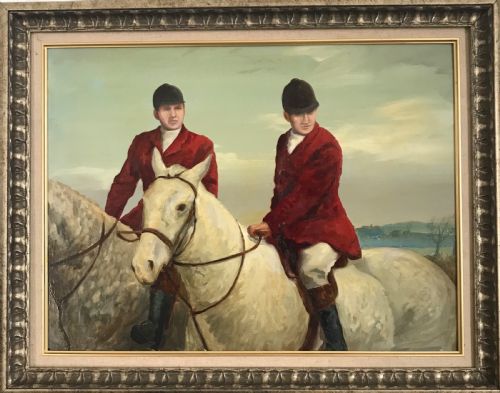
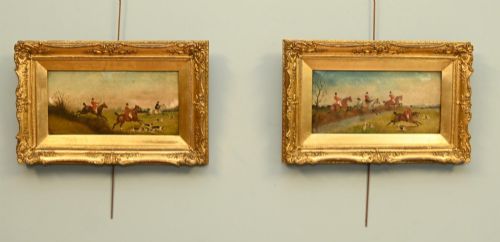
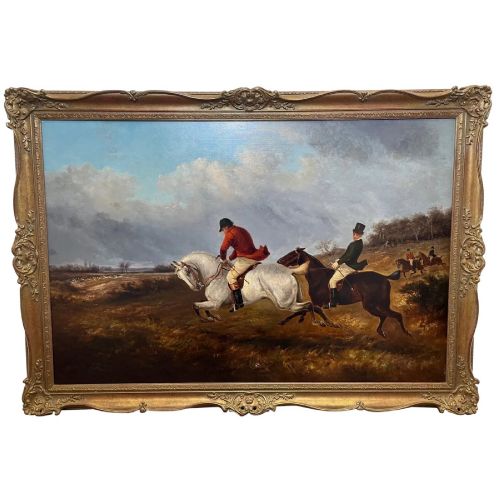
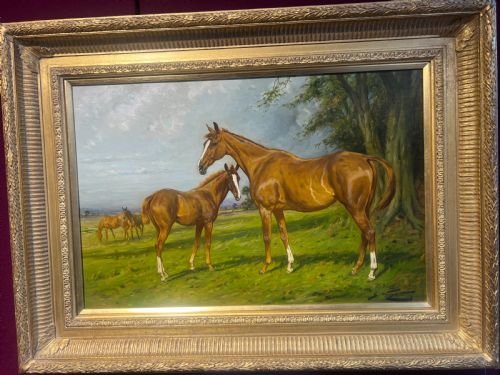
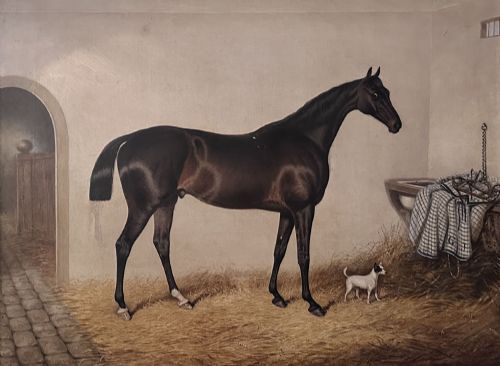
A traditional british sporting painting captures the motion of hounds, the steady gaze of a hunter, and the energy of the field.
Traditional British Sporting Painting
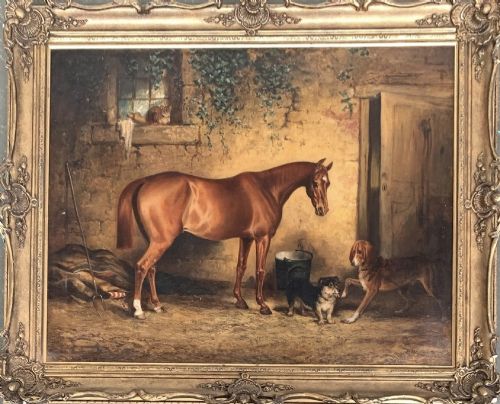
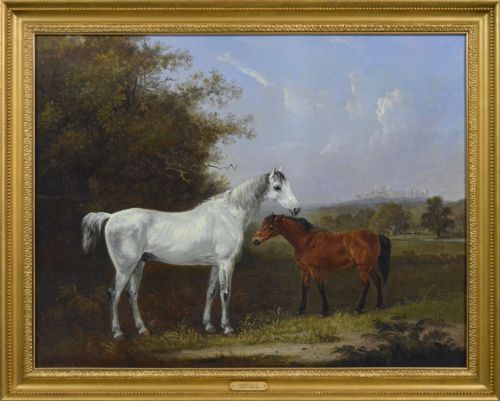
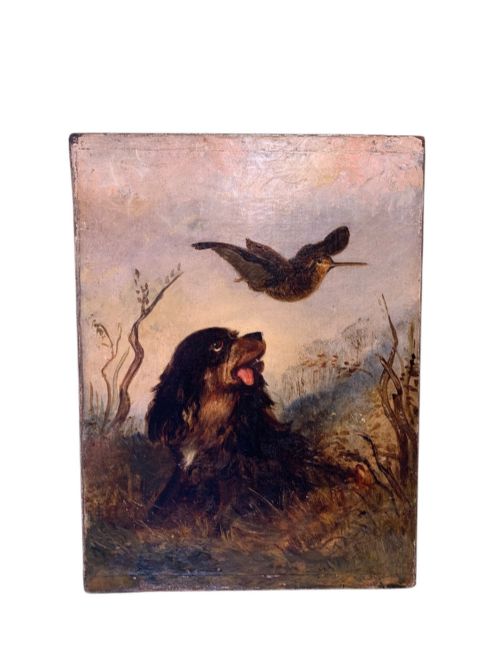
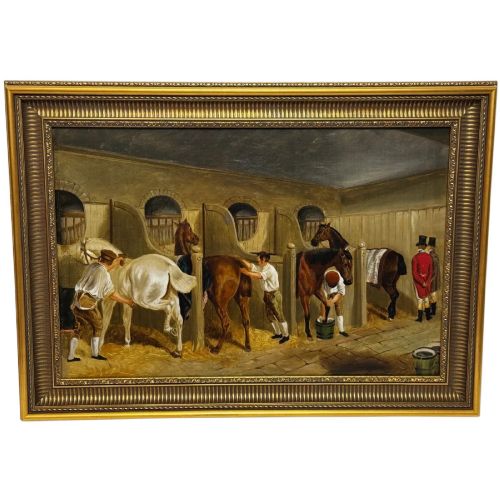
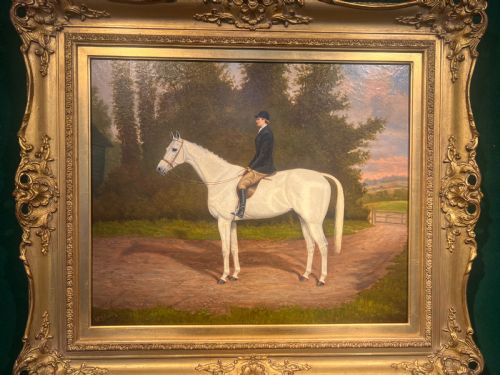
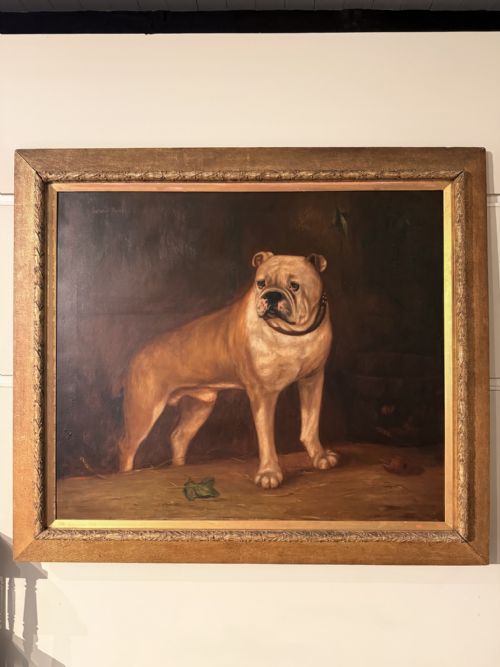
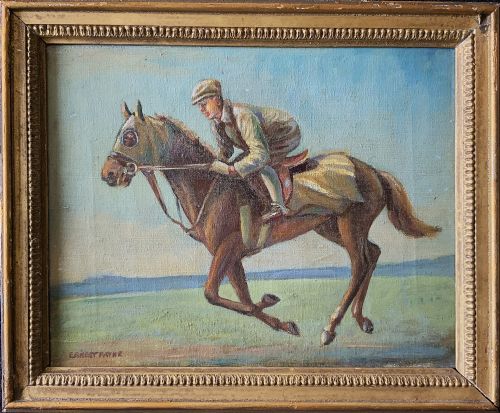
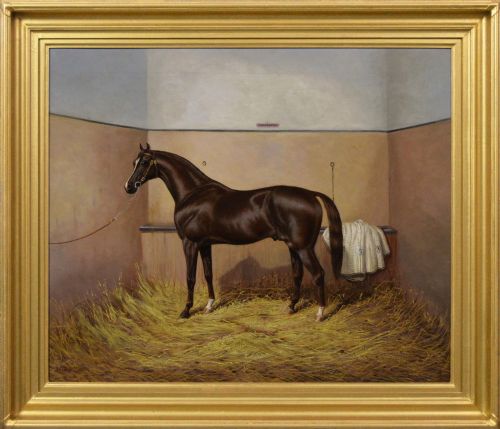
These works centre on equine portraits, fox hunting scenes, coaching episodes, and working dogs set within nineteenth-century and early twentieth-century landscapes.
A buyer seeking a traditional british sporting painting encounters canvases depicting named racehorses, local hunts such as the Berkeley, and detailed studies by period specialists.
The selection ranges from intimate watercolour studies to large framed oil paintings executed across the Victorian and Edwardian eras.
Materials and methods
Artists built these compositions primarily using oil paint on canvas stretched over wood frames, alongside watercolours on paper.
Many works retain their period gilt wood and giltwood frames, which complement the darker earth tones and varnished surfaces of the paintings.
Traditional British Sporting Painting Retail Price Guide 2026
Typical asking prices for traditional british sporting painting among the pieces listed under this phrase on Sellingantiques today, from the lower quarter to the upper quarter. They describe what is for sale here now, not the wider market.
Distinctions in execution
Quality rests upon the artist's anatomical accuracy in rendering horses, hounds, and human figures in motion.
Superior examples demonstrate confident brushwork in handling landscape backgrounds and capturing the specific light of a countryside morning.
Henry Barraud·George Wright·William Albert Clarke·John Sanderson Wells·George Armfield·Alfred Grenfell Haigh·Charles Johnson Payne Snaffles·Heywood Hardy
The Traditional British Sporting Painting Glossary
- Bay
- A horse coat colour characterised by a reddish-brown body with black points on the mane, tail, and lower legs. This shade appears frequently in equine portraits.
- Giltwood
- Wood carved and covered with a thin layer of gold leaf or gold paint. Frames of this material are common on nineteenth-century canvases.
- Watercolour
- A painting method where fine pigment is suspended in water-based solution on paper. These pieces offer a lighter alternative to heavy oil paintings.
- Equestrian
- Pertaining to horses and horseback riding. Such subjects form the core of rural sporting art from the Victorian period.
Traditional British Sporting Painting: Frequently Asked Questions
How do I identify a Victorian sporting painting?
Victorian sporting works often depict dramatic hunt moments, such as the full cry or the kill, rendered with rich oil pigments on canvas.
Look for period framing and costume details that place the scene firmly within the nineteenth century.
What subjects are most common in these paintings?
Horses and hounds dominate the genre, appearing in stable portraits, racecourse views, and mounted hunting parties.
Coaching scenes and working spaniels also feature regularly among the landscape compositions.
Are watercolours as collectible as oil paintings?
Watercolour paintings by listed artists command strong interest from collectors who appreciate the immediacy of the medium.
Works on paper often capture lively preparatory studies and finished hunt sequences.
How should I care for an antique oil painting?
Keep canvases away from direct sunlight and sudden humidity shifts to protect the oil paint and underlying wood stretcher bars.
Dust gilt frames gently with a soft dry brush without applying liquid cleaners.