





Dark Bronze Woman Sculpture
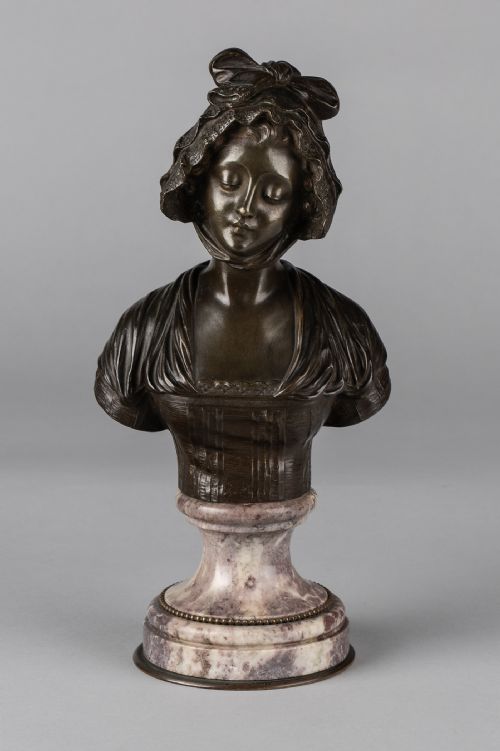
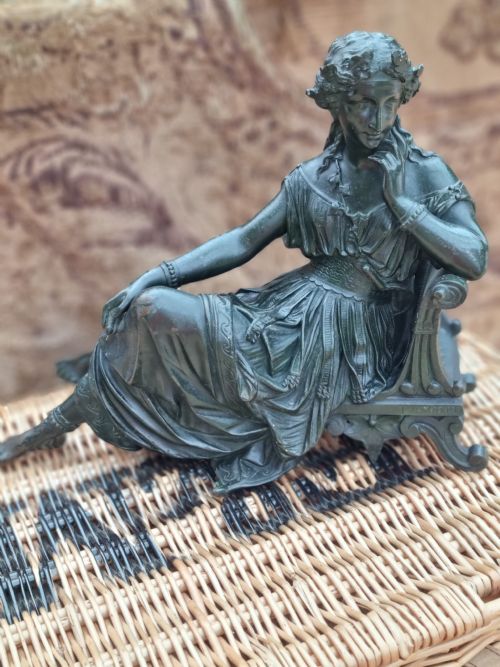
A dark bronze woman sculpture brings the weight and enduring presence of nineteenth-century foundry work and twentieth-century modernism straight into a room.
Dark Bronze Woman Sculpture
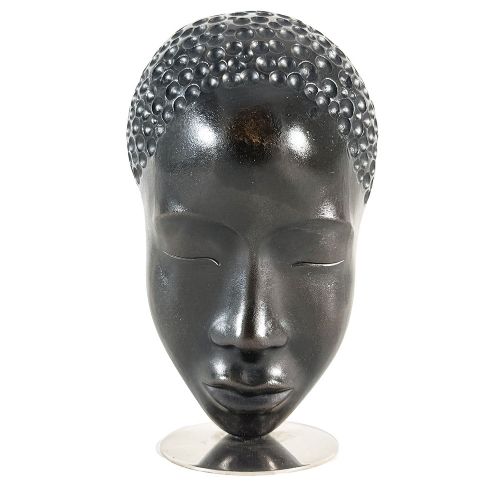
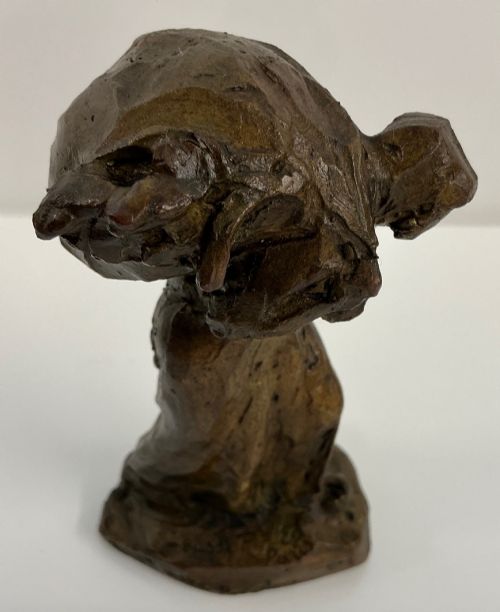
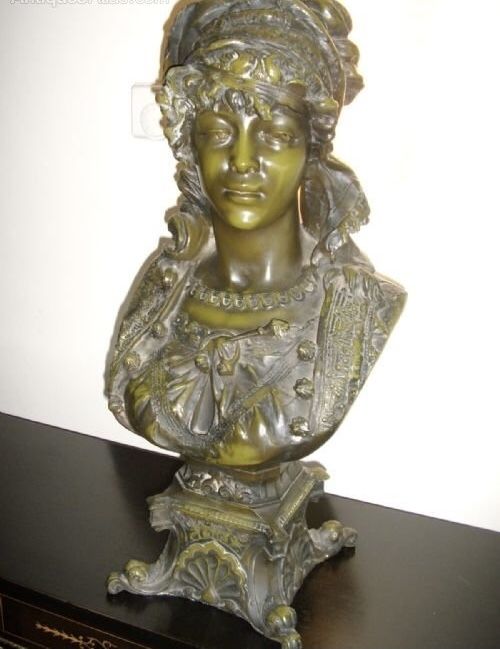
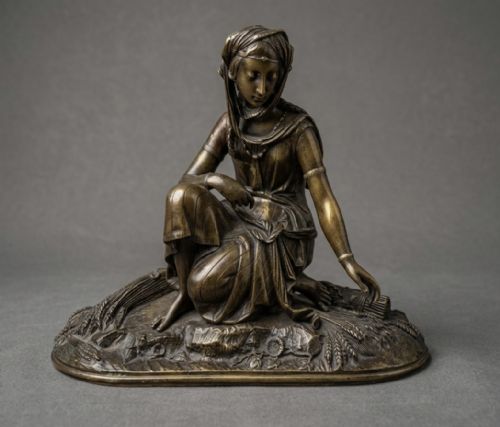
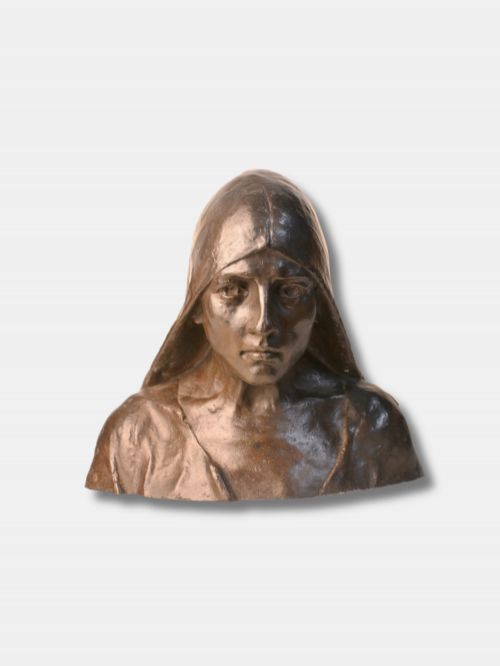
A dark bronze woman sculpture represents female figures cast in metal, appearing in forms ranging from full-length classical figures and athletic nudes to detailed portrait busts and stylised modernist statuettes. You encounter these works across distinct historical movements, including nineteenth-century French realism, Art Nouveau, and Art Deco.
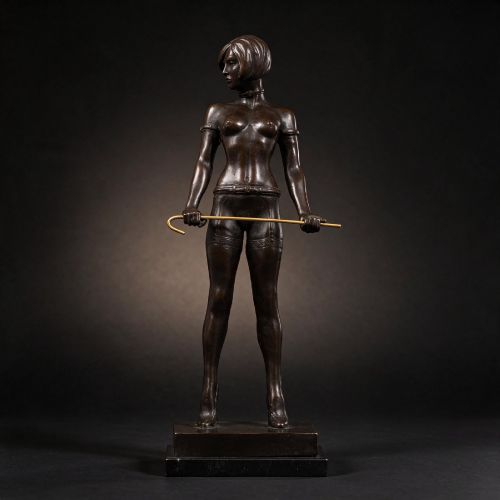
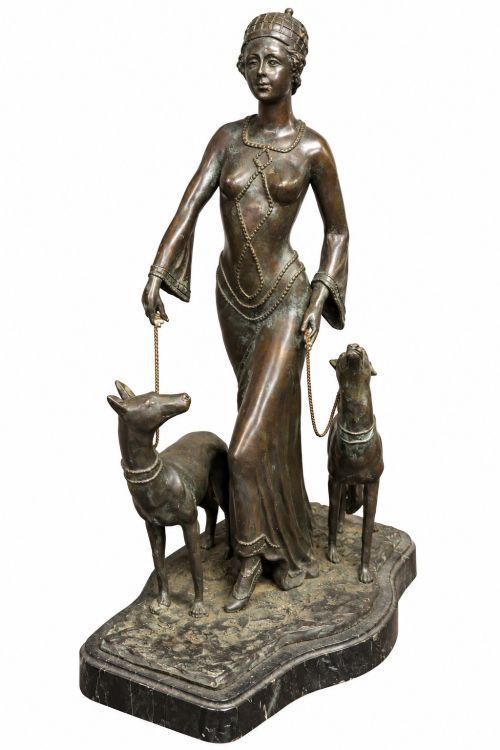
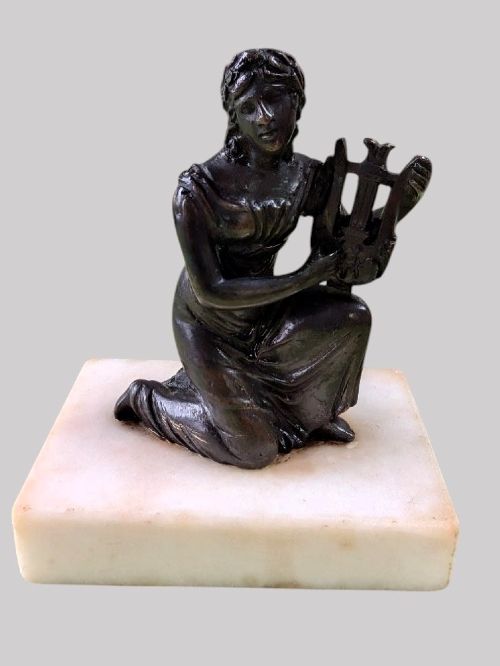
The majority of pieces on this page span the nineteenth century and the early decades of the twentieth century, created primarily by European workshops and named sculptors. These range from mythological deities such as Diana and allegorical maidens to contemporary ladies with canes, greyhounds, and musical instruments.
The physical scale varies from small car mascot sculptures and cabinet statuettes to large gallery figures. Collectors select them for their tactile surfaces, expressive casting, and the distinct character each period brings to the portrayal of the human form.
How they were made
Foundries applied chemical patinas to the bronze surface to create deep brown, black, or nuanced metallic tones that accentuate the modelling of drapery, hair, and musculature. Individual details were often hand-finished with chisels and files after the casting process was complete.
Dark Bronze Woman Sculpture Retail Price Guide 2026
Typical asking prices for dark bronze woman sculpture among the pieces listed under this phrase on Sellingantiques today, from the lower quarter to the upper quarter. They describe what is for sale here now, not the wider market.
Several ladies on this page share space with greyhounds, snakes, bows, and even automobile radiator caps.
What varies in quality
The integration of the figure with its mounting base, whether veined marble or polished wood, marks the distinction between standard commercial production and distinguished foundry output. Pieces bearing clear signatures from established sculptors and reputable foundries demonstrate higher fidelity to the original artistic model.
Georges Gori·Hagenauer·Henry Wissen Senior·Jules Dalou·Emile Jespers·Sibylle May·Lucien Madrassi·Maurice Bouval·Susse Freres·R Henn·Pierre Hebert·Devaulx·Albert Carrier- Belleuse·E. Laurent·Moreau·Henri Plé·Georges Van Der Straeten
The Dark Bronze Woman Sculpture Glossary
- Patina
- A chemical or natural surface coloration applied to bronze to create dark, nuanced tones. This treatment protects the metal while enhancing visual depth.
- Lost-wax casting
- A traditional method of creating metal sculptures from an original model. This technique allows for intricate detail and complex undercut forms.
- Car mascot
- A miniature sculpture mounted on the radiator cap of an automobile during the early twentieth century. These pieces combine aerodynamic styling with figurative art.
- Bust
- A sculpted representation of a person from the chest up. This format focuses attention on facial expression, hairstyle, and shoulder drapery.
- Chasing
- The process of hand-finishing a raw metal casting using chisels and punches. Skilled artisans use this step to refine textures and remove casting seams.
Dark Bronze Woman Sculpture: Frequently Asked Questions
How do I clean a bronze sculpture?
Dust the surface gently with a soft, dry cloth to prevent the accumulation of dirt and grit. Avoid using water, soap, or chemical polishes, as these substances can strip the original patina.
Apply a very thin coat of microcrystalline wax if the surface appears dry, then buff it lightly with a clean cloth. This protects the dark metal finish from atmospheric moisture without altering its appearance.
Are these sculptures solid bronze?
Most figurative sculptures from this period are hollow-cast to conserve metal and reduce overall weight. Foundries achieved this by pouring molten bronze between an outer mould and an inner core.
Heavier elements, such as bases, may incorporate solid metal, marble, or wood for stability. The weight alone does not determine whether a piece is hollow or solid.
How can I tell Art Deco from Art Nouveau?
Art Nouveau figures, dating roughly from the late nineteenth century to the early twentieth century, feature flowing, asymmetrical lines inspired by organic plant forms and undulating drapery. Hairstyles and garments often mimic natural curves.
Art Deco works from the 1920s and 1930s favour geometric discipline, stylised symmetry, and streamlined silhouettes. The figures display sharp angles, modern attire, and an emphasis on industrial movement.
Where should I display a bronze figure?
Place the sculpture on a stable, level surface away from direct sunlight and extreme temperature fluctuations. Heavy stone bases require sturdy furniture to support their weight safely.
Position the piece where side lighting can catch the contours of the patinated surface. Avoid placing sculptures in damp areas such as unheated conservatories.