



Dark Bronze Pendant Light
A dark bronze pendant light brings deep character and historic weight to an interior through rich metalwork and enduring nineteenth and twentieth century forms.
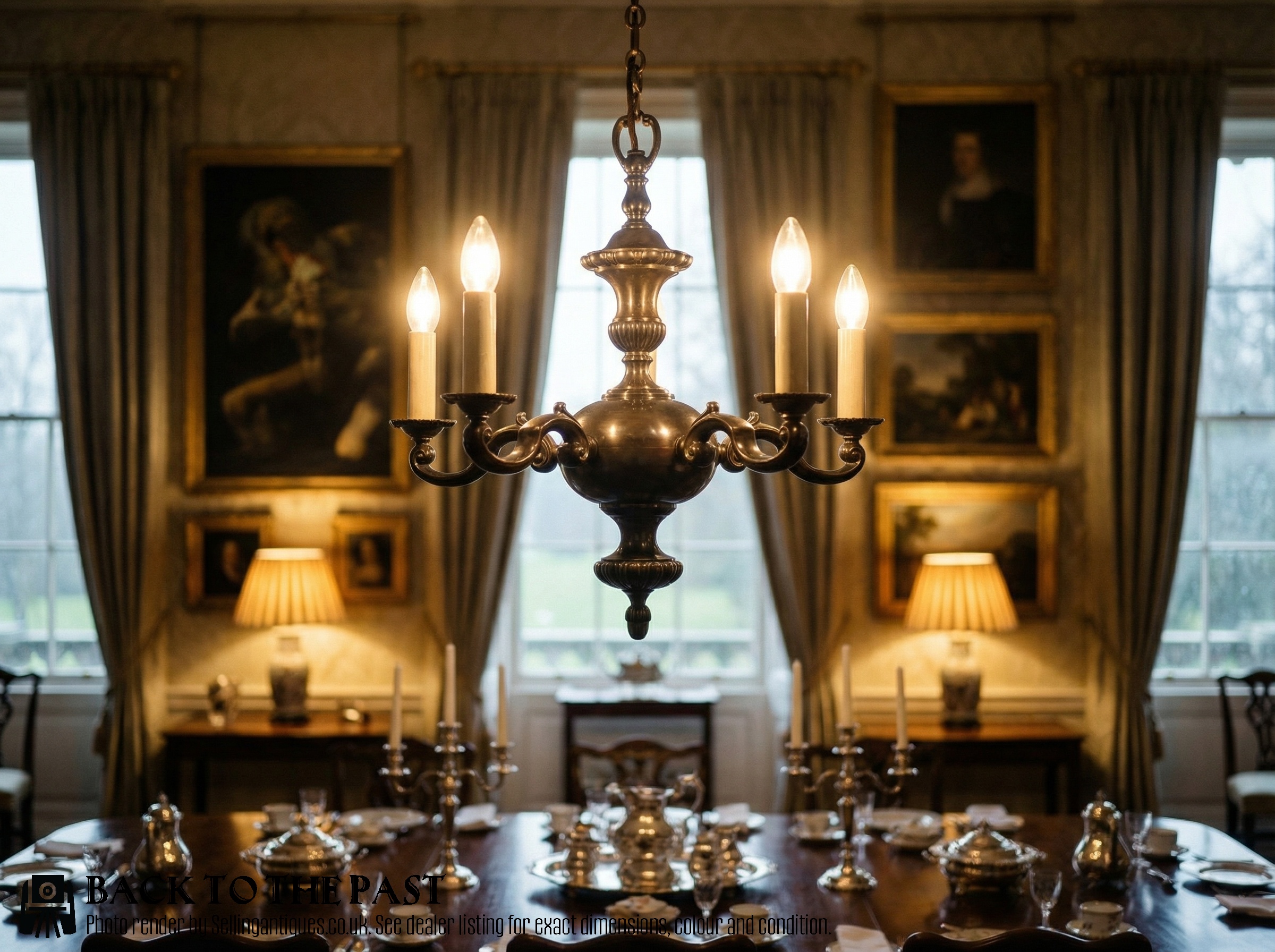
Dark Bronze Pendant Light
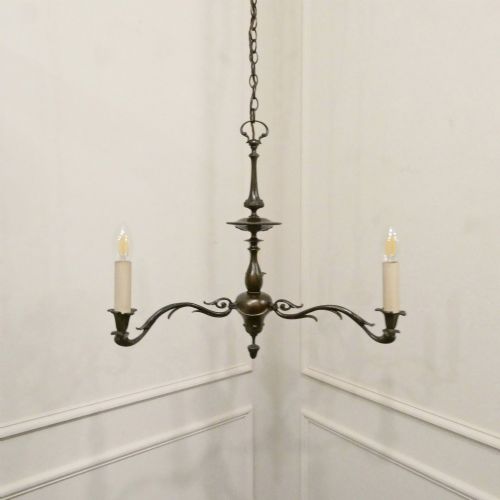
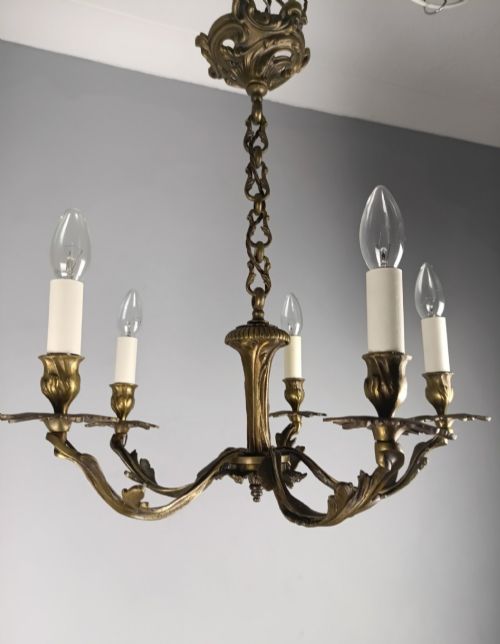
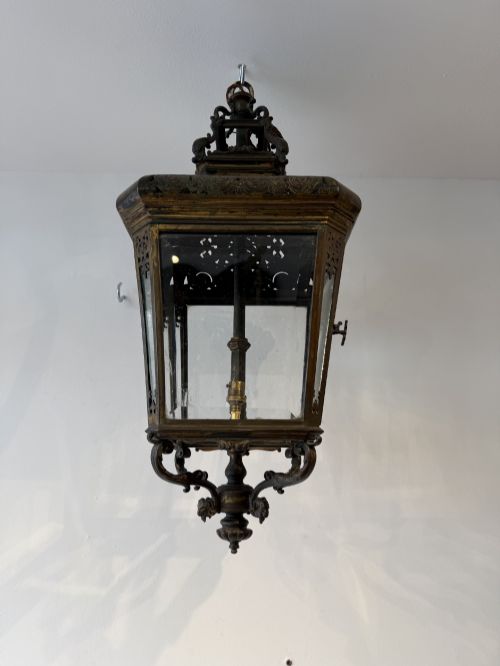
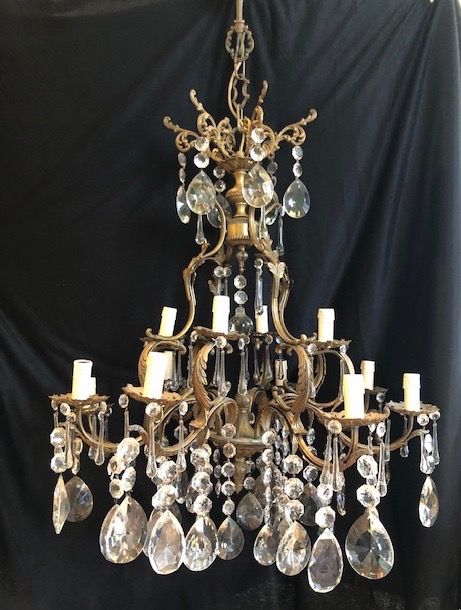
When searching for a dark bronze pendant light, a buyer finds substantial ceiling fixtures created across the Victorian, Edwardian, and early twentieth century periods. These pieces include large hall lanterns, coaching lanterns, and multi-light chandeliers ranging from single-tier designs to grand twelve-light Italian examples.
The most common versions met on this page are French and English chandeliers and hall lanterns originating from roughly 1890 to 1930. They take various forms, such as cage frames, putti ceiling lights, and heavy Baroque Palladian or French Empire styles.
Buyers seek these lights to anchor a room with period authenticity, utilising dark patinated metal, bronze, and brass to create a focal point overhead. Each piece carries the distinct stylistic markers of its era, from Gothic influences to chateau elegance.
How they were made
These fixtures rely primarily on cast and patinated bronze, brass, and wrought iron to form robust structural frames and detailed ornamentation. Workshops employed heavy metal casting techniques to produce substantial components like the multi-tier frames and decorative putti seen on nineteenth and twentieth century examples.
Many designs incorporate glass panels or crystal drops suspended within the metal armature to diffuse and reflect light. Gilded bronze applications also appear, adding subtle contrast to the darker patinated metal surfaces.
Listings feature pieces spanning from the Victorian era through the 1930s, utilising bronze, brass, wrought iron, and crystal.
What varies in quality
Quality in these ceiling fixtures rests upon the crispness of the metal casting and the depth of the original dark patina. Superior examples display finely rendered details, such as complex cage construction or sculptural figures, rather than simplified or flat mass-produced metalwork.
The scale and ambition of the design separate standard pieces from exceptional ones, with multi-tier frames and substantial light capacities requiring superior structural engineering. The integration of quality glass or crystal elements alongside well-finished bronze further elevates a piece.
G.E.C
The Dark Bronze Pendant Light Glossary
- Bronze
- A copper and tin alloy prized for its strength and ability to take a deep patina. It forms the primary structural and decorative body for many antique lighting fixtures.
- Patina
- The surface sheen and colour developed by metal over decades of exposure and handling. A dark bronze patina indicates age and environmental interaction.
- Hall lantern
- An enclosed ceiling-hung light designed originally for entranceways and corridors. These fixtures often feature glass panels held within a metal frame.
- Chandelier
- A branched decorative ceiling light designed to hold multiple lamps or candles. They vary from simple frames to elaborate multi-tiered constructions.
- Gilded bronze
- Bronze that has been coated with a thin layer of gold leaf or gold powder. This technique highlights decorative details against darker metal grounds.
Dark Bronze Pendant Light: Frequently Asked Questions
Where were dark bronze pendant lights used?
These fixtures hung primarily in grand entrance halls, formal reception rooms, and stairwells of Victorian and Edwardian country houses. Their substantial size and enclosed or multi-light designs provided both illumination and a clear statement of status.
Over time, many found their way into domestic interiors seeking strong architectural character. Their robust dark metal construction suited high ceilings and transitional spaces.
How do I date a bronze chandelier?
Dating relies on stylistic clues, construction methods, and materials recorded across the Victorian and Edwardian eras. Earlier nineteenth-century examples often lean towards Gothic or heavy classical proportions, while 1920s and 1930s pieces can show simpler lines or French chateau influences.
Examining the casting technique and the nature of the bronze patina helps narrow the production period. Hardware details and glass types also offer reliable chronological markers.
Can these lights be rewired for modern homes?
Most antique metal pendants and chandeliers adapt easily to modern electrical standards by professional electricians. The internal wiring channels accommodate contemporary flex while preserving the historic exterior metalwork.
Careful rewiring ensures that heavy frames and multiple lamp holders meet current safety regulations without altering the visual integrity of the piece.
What is the difference between a lantern and a chandelier?
Hall lanterns generally feature an enclosed glass body surrounding the light source, designed to protect the flame from drafts in corridors and entrance spaces. Chandeliers consist of open branches radiating from a central axis to hold multiple bulbs or candles.
Both serve as overhead focal points, but lanterns offer a more contained silhouette compared to the expansive arms of a chandelier.