

Dark Bronze Lighting
Dark bronze lighting brings rich, deep metal tones and classical forms into interiors through lamps, candelabra and chandeliers.
Dark Bronze Lighting
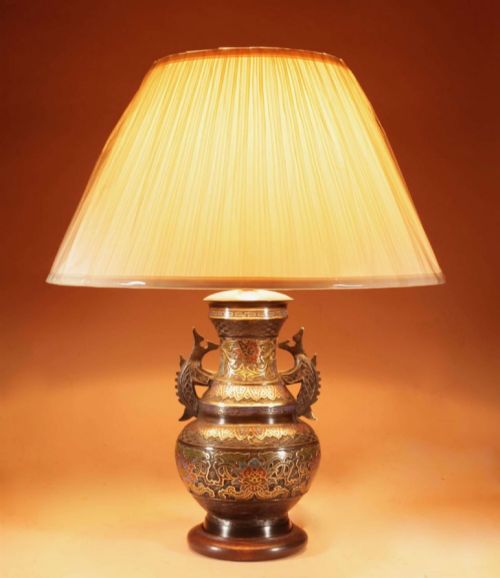
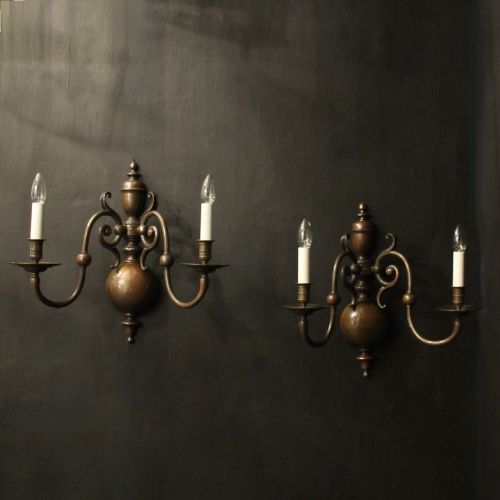
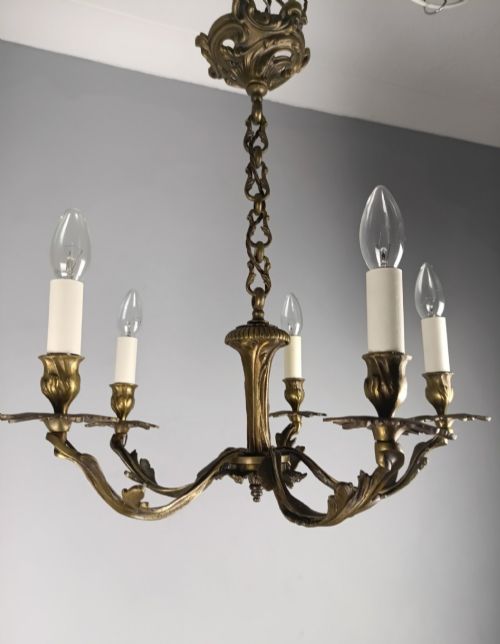
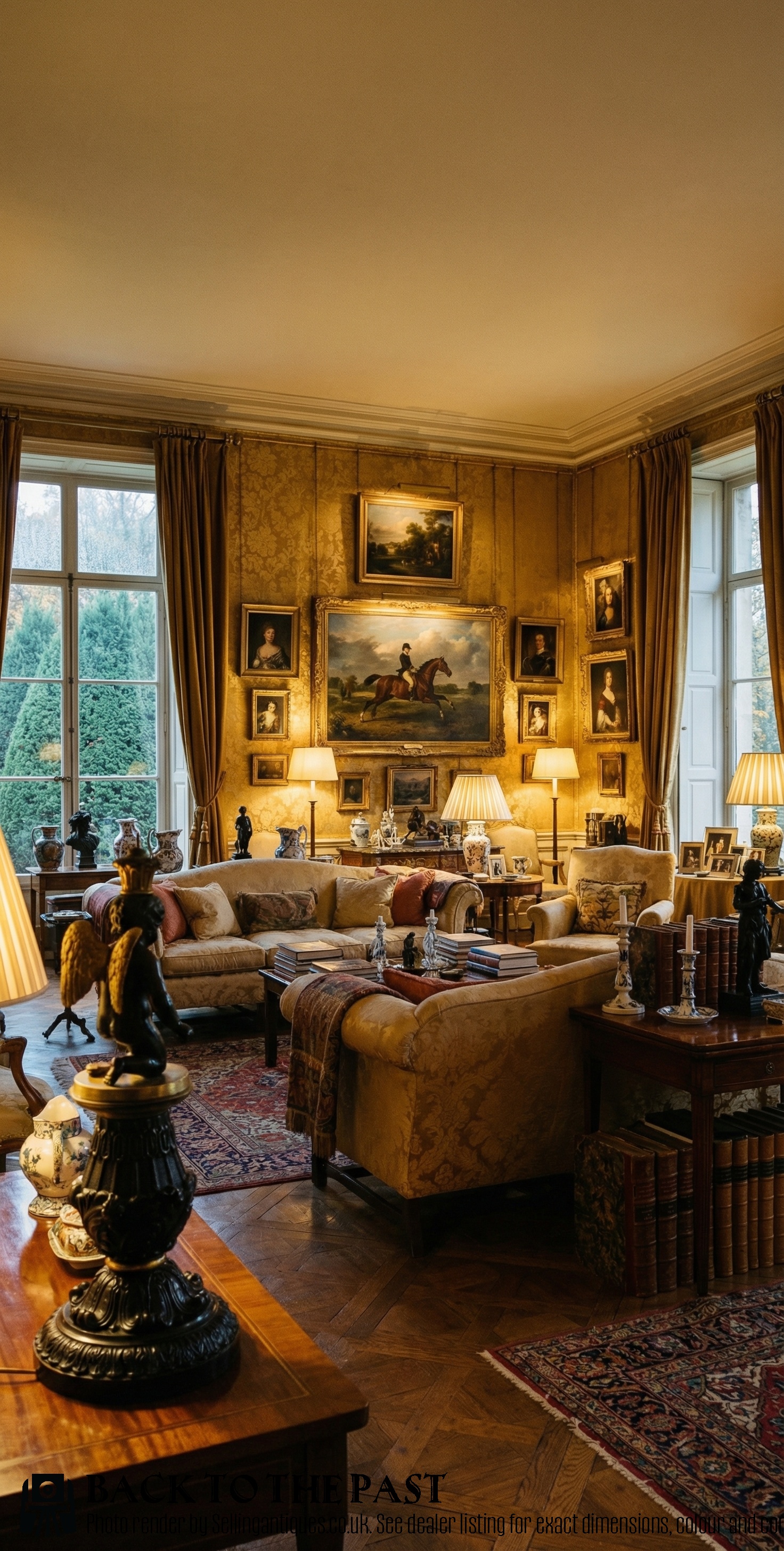
Dark bronze lighting encompasses a diverse selection of fixtures designed to illuminate rooms while serving as sculptural objects. Pieces span functional table lamps, floor lamps, wall sconces and grand chandeliers intended to anchor a room's decorative scheme.
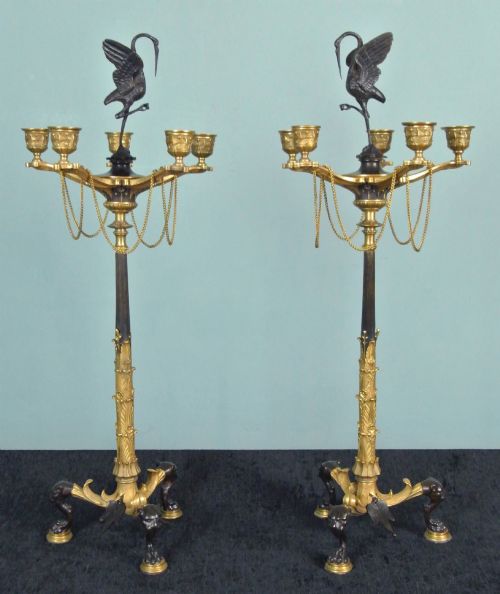
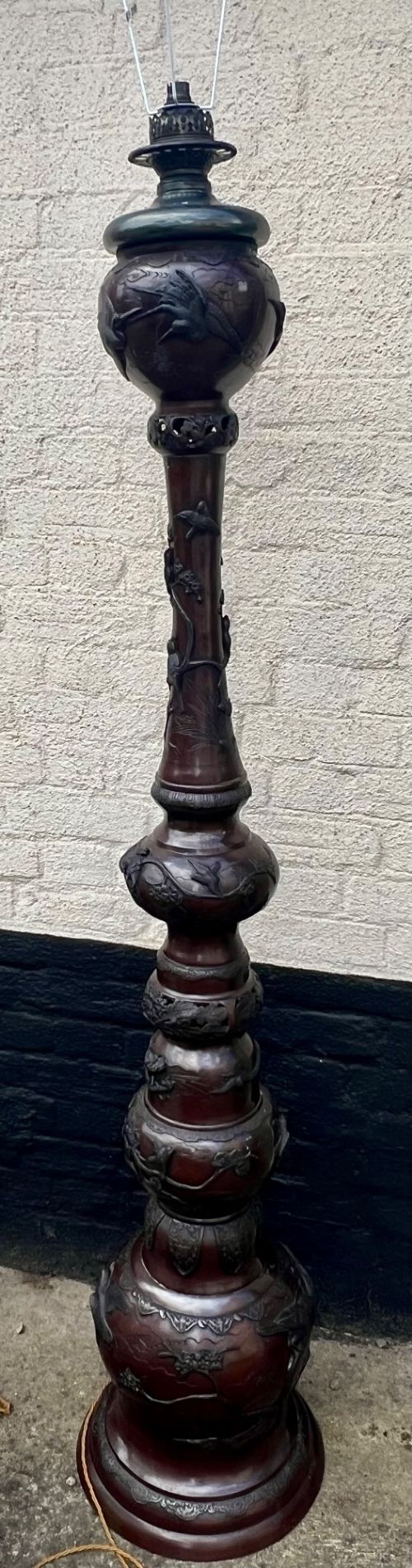
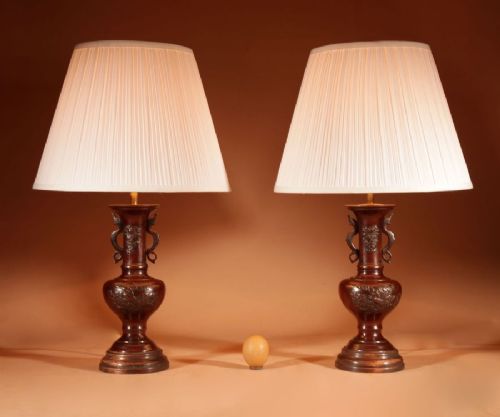
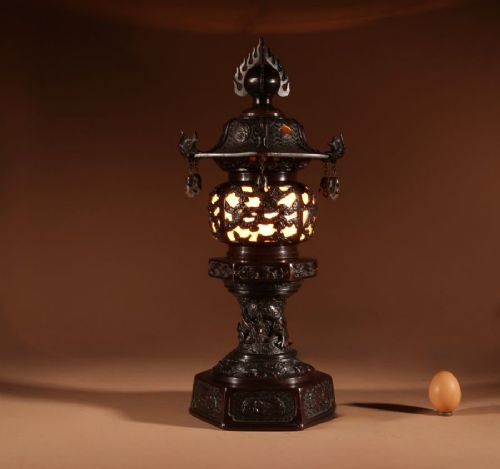
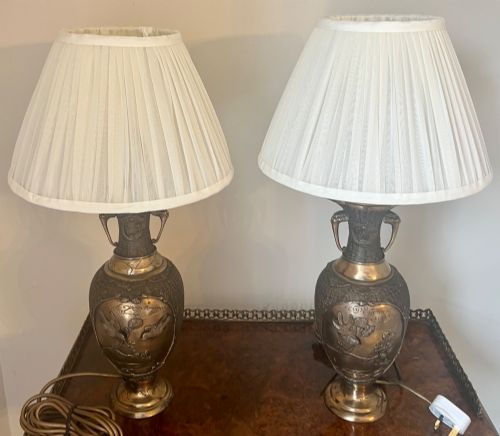
Buyers searching for dark bronze lighting encounter items originating primarily from the nineteenth century through to the early decades of the twentieth century. Forms range from English Regency candlesticks and French Empire candelabra to Japanese Meiji period bronze lamps and elaborate hall lanterns.
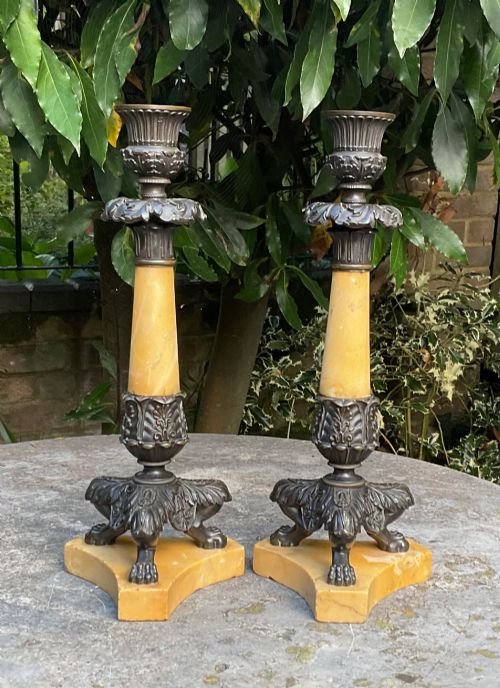
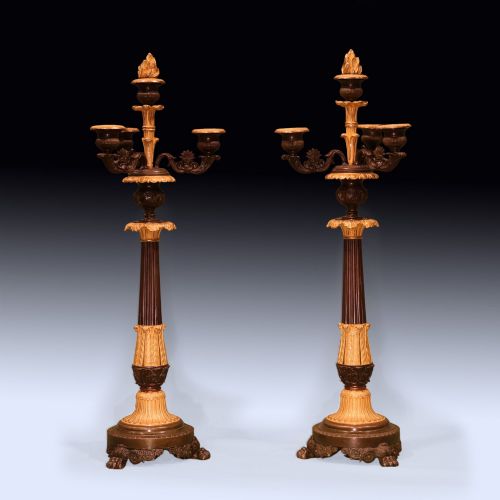
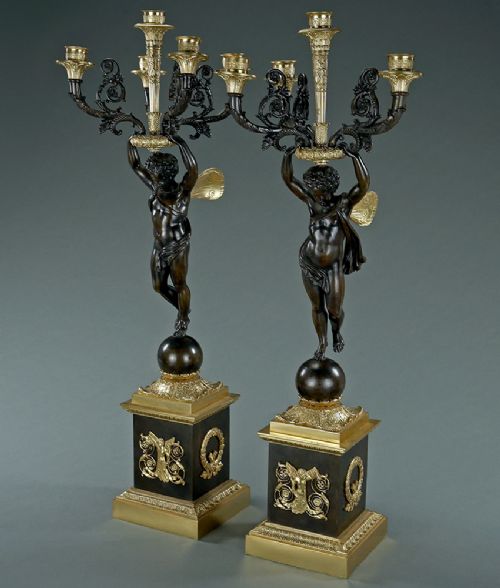
The selection frequently includes paired items such as candelabra and table lamps alongside single standard lamps and wall sconces. Many pieces incorporate patinated surfaces that highlight classical Grecian, Egyptian Revival, Chinoiserie or Art Nouveau motifs.
How dark bronze lighting was made
Makers utilised cast bronze, patinated bronze and cast-iron combined with complementary materials such as ormolu, marble, onyx, brass and glass. Artisans applied chemical patination techniques to achieve deep, dark bronze finishes on metal surfaces.
Complex pieces brought together multiple manufacturing methods, pairing cast metal figures with hand-chased gilt bronze mounts, fabric shades or carved stone bases. Construction often involved assembling separate cast sections to create multi-light candelabra, wall sconces and elaborate chandeliers.
Dark Bronze Lighting Retail Price Guide 2026
Typical asking prices for dark bronze lighting among the pieces listed under this phrase on Sellingantiques today, from the lower quarter to the upper quarter. They describe what is for sale here now, not the wider market.
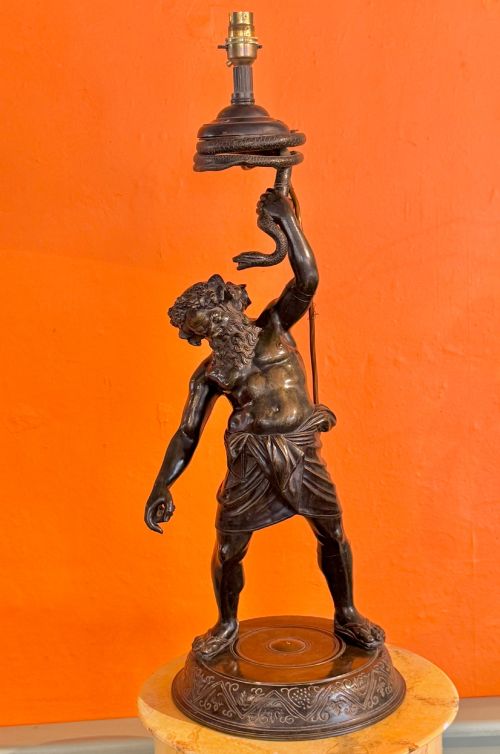
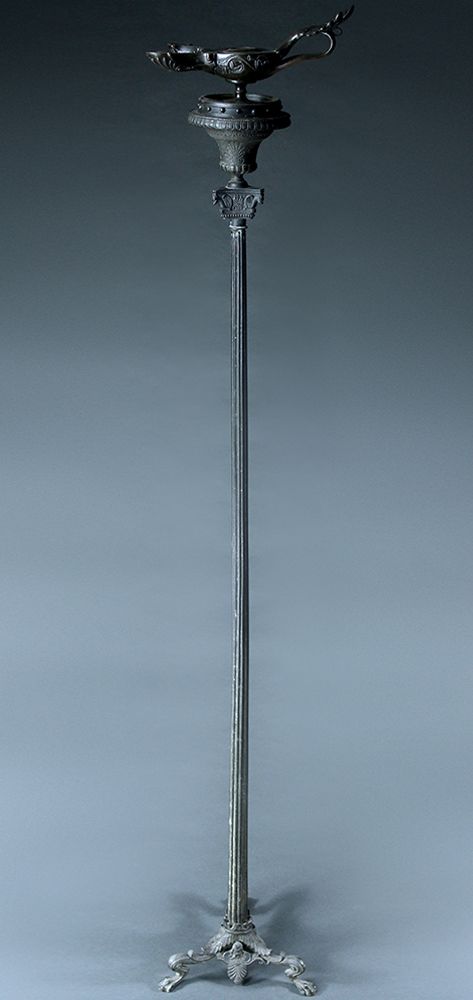
A nineteenth-century Pompeian Silenus stands ready to illuminate the room, proving that ancient tavern keepers make surprisingly good reading companions.
What varies in quality in dark bronze lighting
The standard of ciselure and the crispness of the casting differentiate pieces across the range. Superior examples show sharply defined details in figural elements, foliage and classical motifs without softening from worn moulds.
Material integration also separates tiers of production, as high-grade items combine heavy patinated bronze with genuine marble, onyx or finely fire-gilded ormolu mounts. The weight, stability and proportional harmony of the finished lamp or candelabrum reflect the original maker's investment of time and skill.
Barbedienne·Francois Redmond·G. Amodio Naples·Georges Leleu
The Dark Bronze Lighting Glossary
- Patinated bronze
- Bronze that has been treated with chemical solutions to produce a specific surface colour and dark tone. This finish protects the metal and defines the sculptural contours.
- Ormolu
- Gilt bronze created by applying a finely ground high-carat gold-mercury amalgam to a bronze base. The technique produces a rich golden surface that contrasts with dark bronze elements.
- Candelabra
- Branched lighting fixtures designed to hold multiple candles. Many period examples later underwent conversion to electricity for modern interior use.
- Girandole
- An ornamental branched wall sconce featuring a reflective backplate. The reflective surface amplified the light cast by candles in period rooms.
- Grand Tour
- Souvenirs and classical antiquities acquired by travellers during nineteenth-century European journeys. These items often took the form of bronze sculptures and lamps modelled on archaeological discoveries.
Dark Bronze Lighting: Frequently Asked Questions
Are dark bronze lamps converted from oil or gas?
Many period lighting fixtures began as oil lamps, gaseliers or candleholders before undergoing later conversion to electricity. This adaptation allowed historic metalwork to continue serving a functional role in contemporary spaces.
Conversion methods vary widely, from internal rewiring that preserves original components to more comprehensive alterations. Inspecting the socket and wiring path reveals how the original mechanism was adapted.
How do I clean dark bronze lighting?
Maintenance requires only gentle dusting with a soft, dry cloth to remove surface particles. Avoid chemical polishes or water, which can strip the historic patination from the metal.
Protecting the original finish ensures the dark bronze retains its intended tone and depth. Heavier grime requires professional conservation rather than domestic intervention.
How do I distinguish French Empire from Regency lighting?
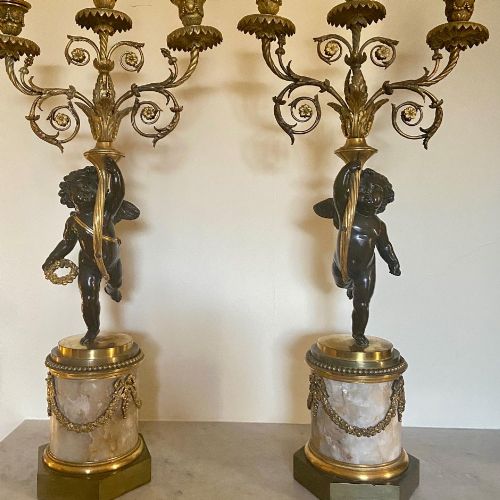
French Empire pieces often draw inspiration from classical Roman, Greek and Egyptian motifs, featuring figures like putti, sphinxes or classical deities in heavy patinated bronze paired with gilt bronze. Regency items share similar neoclassical influences but typically reflect British interpretations with distinct proportions and mount styles.
Examining the casting style and decorative vocabulary helps clarify the likely origin. Makers across both regions shared a common neoclassical sourcebook while applying distinct regional preferences.
Where should I place a bronze floor lamp?
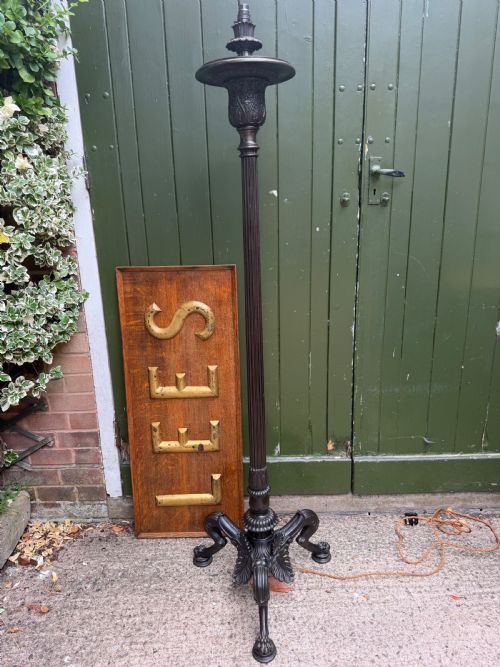
Floor lamps and standard lamps work effectively in corners or beside seating areas where they provide ambient or task illumination. Their substantial weight and sculptural forms make them focal points within a room's layout.
Pairing a tall bronze standard lamp with complementary table lamps or wall sconces creates a balanced lighting scheme. Ensuring the height suits the surrounding furniture keeps the proportions harmonious.