



Dark Bronze Equestrian Statue
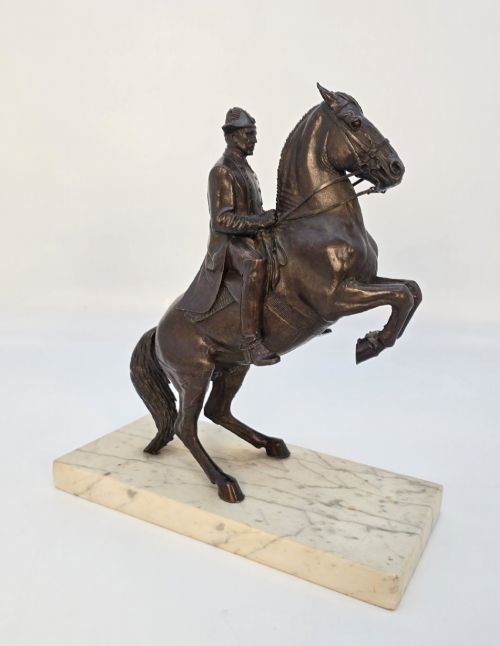
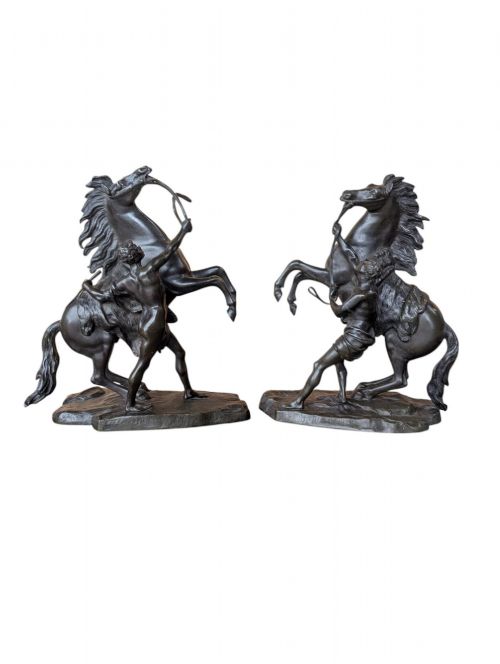
A dark bronze equestrian statue brings the kinetic power of horse and rider into a room, forged in metal and mounted for display.
Dark Bronze Equestrian Statue
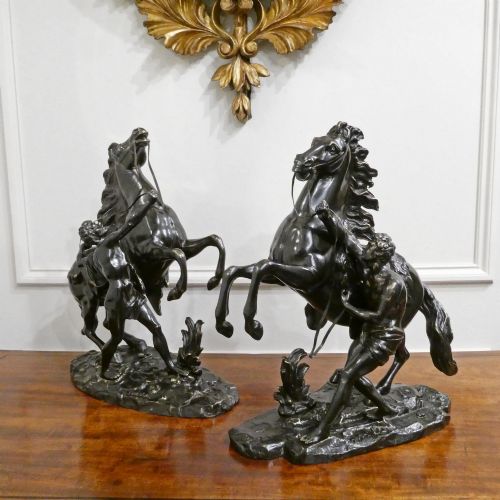
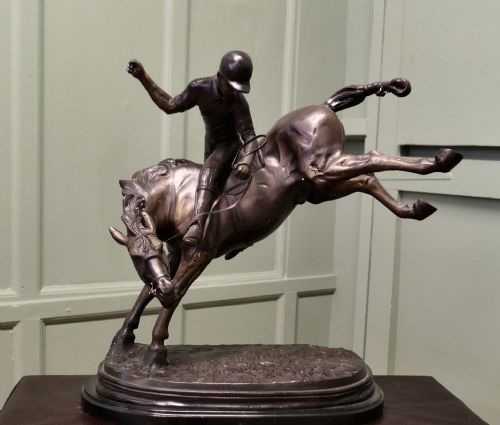
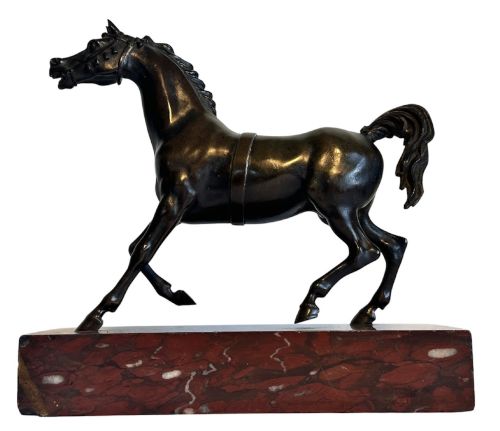
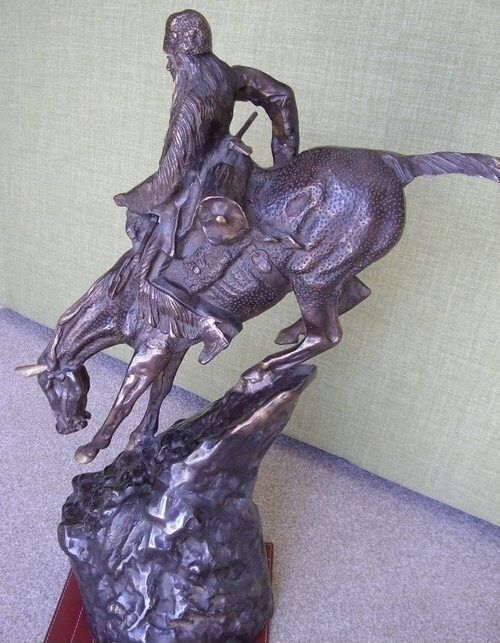
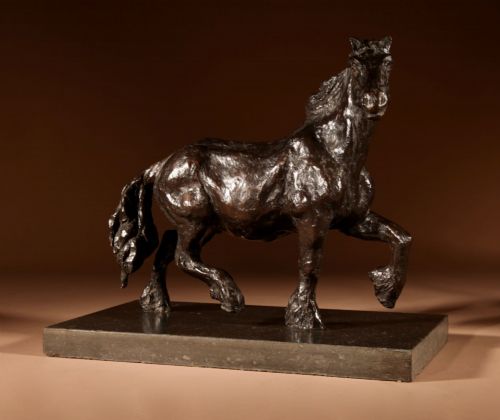
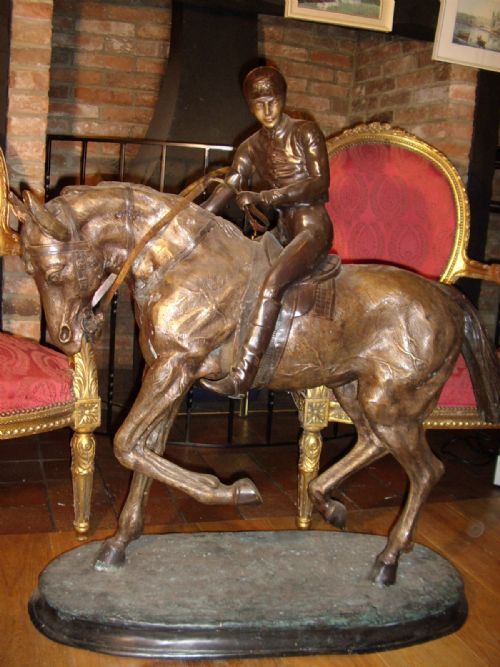
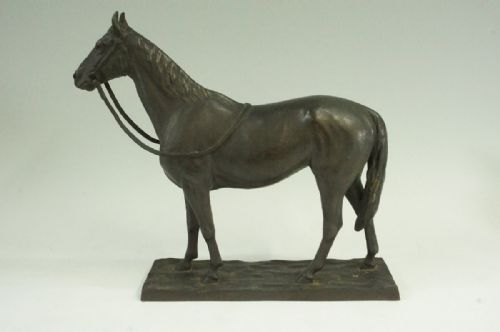
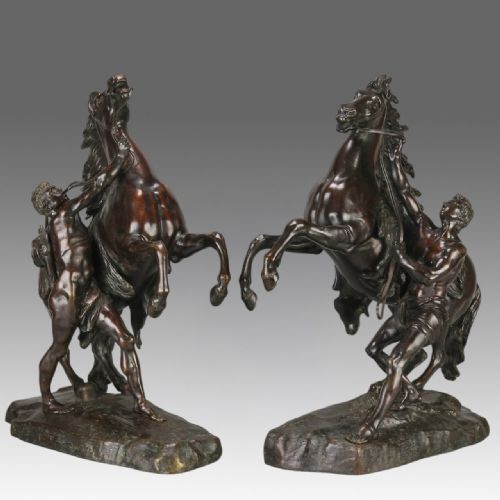
A dark bronze equestrian statue depicts riders, jockeys, or handlers alongside horses, ranging from racehorses and chargers to draft animals. When searching this phrase, a buyer encounters sculptures produced across the nineteenth and twentieth centuries in various European and Japanese foundries.
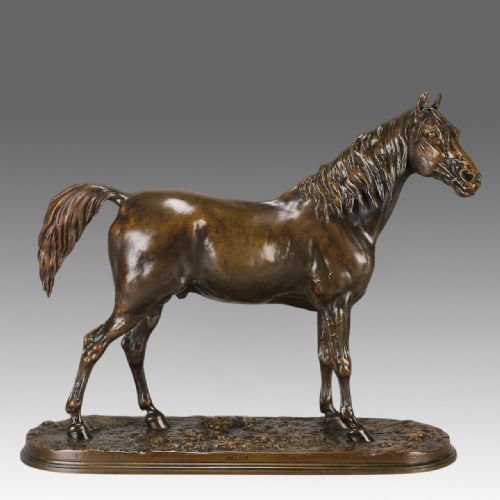
The most common examples on this page are French Animalier bronzes, depicting realistic animal forms with detailed patination. These sculptures often feature integral bases of marble, stone, or wood to support the weight of the cast metal.
Materials and casting methods
Foundries utilised traditional bronze casting methods to capture musculature, harnesses, and riders in sharp relief. Molten metal poured into moulds produced solid or hollow forms which were subsequently finished by hand.
Dark patination was applied chemically to the bronze surface to create deep brown, black, or greenish tones. Many figures are mounted onto bases of marble, stone, or wood to provide stability and visual contrast.
Dark Bronze Equestrian Statue Retail Price Guide 2026
Typical asking prices for dark bronze equestrian statue among the pieces listed under this phrase on Sellingantiques today, from the lower quarter to the upper quarter. They describe what is for sale here now, not the wider market.
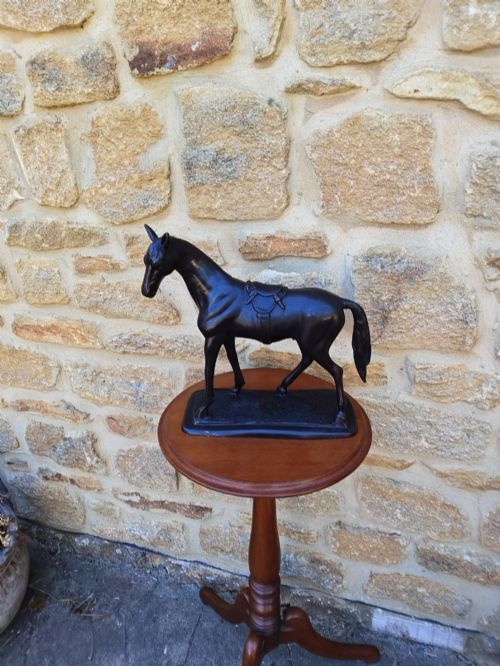
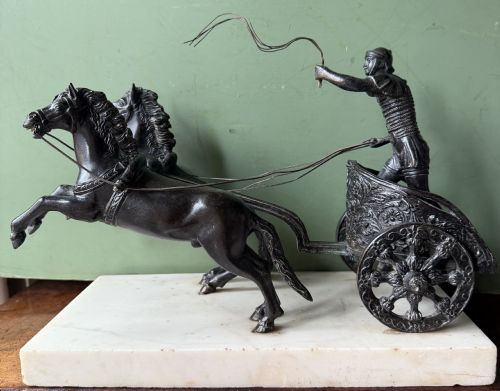
Several horses share the bronze stage with determined jockeys, Egyptian men, and even a solitary, patient donkey.
Assessing the casting
The integration between the sculpture and its heavy marble or stone base also marks the standard of production. Finer pieces demonstrate precise fitting and secure mountings that bear the considerable weight of the bronze evenly.
Pierre Jules Meme·Frederic Remington·Kunio Ito·John Willis Good·Bruno Zach
The Dark Bronze Equestrian Statue Glossary
- Animalier
- A nineteenth-century artistic movement dedicated to the realistic portrayal of animals. Sculptors in this style studied anatomy meticulously to render horses in motion.
- Patina
- The surface coloration and chemical film developed naturally with age or applied intentionally during production. Dark patinas are characteristic of many nineteenth-century bronze casts.
- Grand Tour
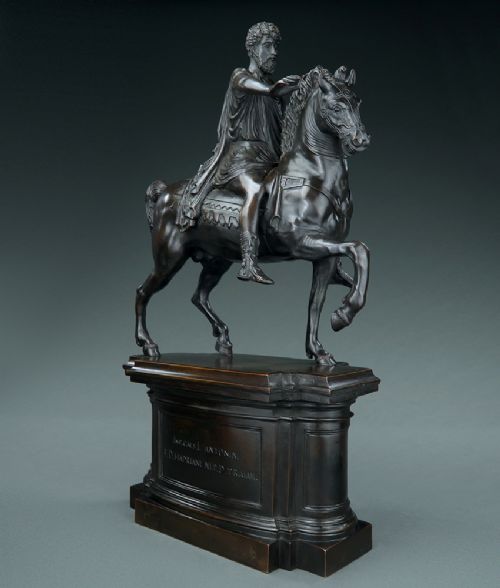
- A traditional trip through Europe undertaken by upper-class scholars, yielding smaller souvenir bronzes of classical monuments and sculptures. These include miniature equestrian studies mounted on stone plinths.
- Lost-wax casting
- A historic metalworking method where a wax model is melted out of a ceramic mould to create a cavity for molten bronze. This technique allows for intricate undercuts and complex forms.
Dark Bronze Equestrian Statue: Frequently Asked Questions
How are these bronze statues cleaned?
Dust accumulation should be removed gently using a soft, dry brush without applying water or commercial cleaning products. Preserving the original dark patina requires avoiding abrasive materials that strip the chemical finish.
Waxing can protect the metal surface if applied sparingly by someone experienced in bronze conservation. Regular maintenance involves little more than occasional dusting in a stable environment away from excess moisture.
What is an Animalier bronze?
An Animalier bronze is a nineteenth-century sculpture focusing specifically on the realistic portrayal of animals, particularly horses, dogs, and wildlife. These works celebrate anatomical accuracy and the dynamic energy of creatures in motion.
Artists in this genre observed subjects directly in nature, stables, and abattoirs to capture authentic poses. This school produced many of the most famous equestrian and racing bronzes collected today.
Why are marble bases used?
Marble bases provide a heavy, stable foundation to anchor the substantial weight of solid bronze equestrian sculptures. They also establish a clean architectural boundary between the dynamic sculpture and the display surface.
During the nineteenth and twentieth centuries, green, white, and black marble plinths were standard additions for cabinet and mantelpiece bronzes. The stone complements the dark patination of the metal figures.
How do I date a bronze horse?
Dating relies on stylistic clues, foundry marks, the character of the patina, and the fastening methods used beneath the base. Nineteenth-century pieces often display specific founder stamps or signatures cast directly into the metal.
Comparisons with documented works by known sculptors help narrow the period of production. Examining the sharpness of the chasing and the wear on the underside offers further clues to age.