


Dark Bronze Classical Group
A dark bronze classical group brings mythological figures and spirited putti into focus through rich patination and sculptural depth.
Dark Bronze Classical Group
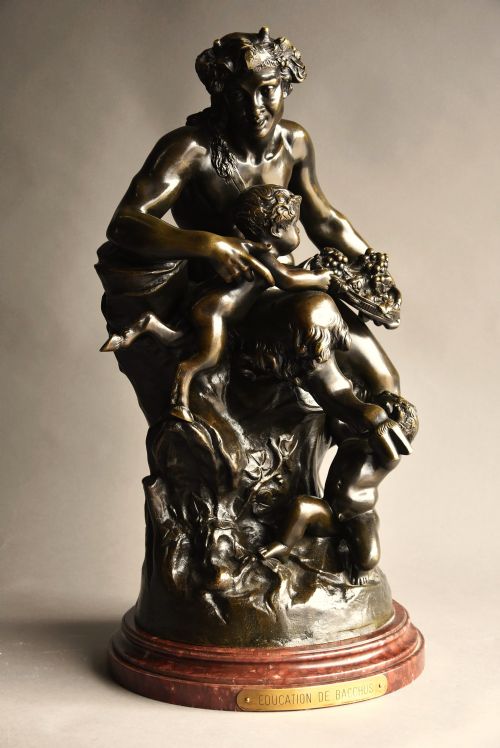
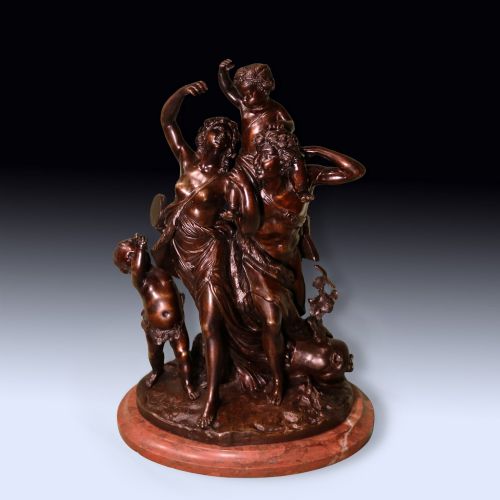
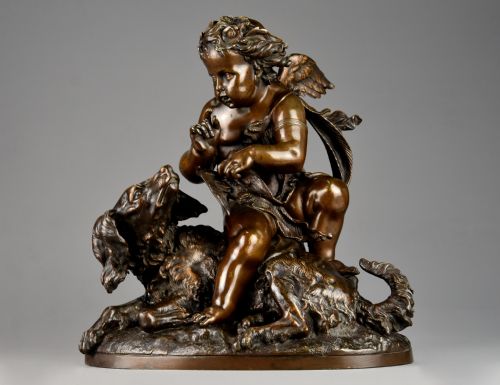
A dark bronze classical group comprises multi-figure sculptural compositions cast in metal, frequently depicting mythological narratives, satyrs, and putti. These works draw heavily upon neoclassical ideals, often following models by established French sculptors and foundries.
Buyers commonly encounter interpretations after Claude Michel Clodion, featuring dancing maidens, bacchic revels, and winged children. The subjects span romantic literary tales, allegorical figures, and dramatic animal encounters rendered in substantial physical form.
Most examples originate from nineteenth-century French workshops, spanning periods from the Directoire era through the late Victorian years. They combine classical antiquity themes with the decorative confidence of nineteenth-century metalwork.
Materials and casting methods
Foundries utilised traditional lost-wax or sand casting techniques to capture intricate musculature, drapery, and facial expressions in bronze. The molten metal received careful chasing and finishing by hand to refine details before patination.
A dark patina provides the primary surface colour, ranging from deep brown to near black, sometimes complemented by ormolu highlights. Many figural groups are mounted upon turned bases of black marble, rouge marble, or polished wood to anchor the composition.
Listings feature works from the Georgian and Victorian eras, alongside specific nineteenth-century dates such as eighteen-fifty and eighteen-ninety.
Distinctions in craftsmanship
Quality rests in the crispness of the chase work and the subtlety of the surface patination, where finer castings retain distinct fingers, hair strands, and animal fur without softness. The depth of the mythological narrative and the dynamic balance between multiple figures dictate artistic success.
Base integration also sets pieces apart, as heavier marble pedestals and integrated signatures from notable French sculptors elevate the standing of the work. Lesser examples exhibit simpler finishing and less articulated secondary figures.
Claude Michel Clodion·Auguste Moreau·G. Gardet·Carl Kauba·Charles Cumberworth·Emile Laporte·Simon Louis Boizot
The Dark Bronze Classical Group Glossary
- Patinated Bronze
- Bronze treated with chemical solutions to produce a dark, protective, and decorative surface colour. This finish enhances shadow and depth across complex figural groups.
- Putto
- A plump, naked male infant, frequently depicted as a winged cherub in classical and Renaissance art. These figures populate many bacchic and mythological scenes.
- Neoclassical
- An artistic style drawing inspiration from the classical art and culture of ancient Greece and Rome. It prioritises restraint, heroic subjects, and balanced composition.
- Ormolu
- Gilded bronze produced by applying a mercury and gold amalgam to the metal base. It appears selectively on mounts and decorative accents within classical sculpture.
- Grand Tour
- A cultural journey undertaken by wealthy young Europeans to study classical antiquities on the continent. Many smaller bronzes were acquired as souvenirs of these travels.
Dark Bronze Classical Group: Frequently Asked Questions
What subjects do these bronze groups show?
These sculptures depict mythological narratives, including bacchic revels with satyrs, maidens, and putti alongside literary characters and dramatic animal pairings.
Many compositions draw directly from classical antiquity and eighteenth-century terracotta models, reinterpreted by nineteenth-century foundries.
How do I display a bronze group at home?
Place these substantial sculptures on sturdy furniture where adequate lighting can catch the dark patination and intricate surface details.
Ensure they rest away from direct heat sources and moisture to preserve the metal finish and any integrated marble pedestals.
Are these pieces signed by artists?
Certain castings bear the stamped or incised signatures of renowned nineteenth-century sculptors or foundry marks along the bronze base.
Unsigned examples frequently reproduce famous models after artists like Clodion while maintaining high standards of period craftsmanship.
What is the difference between directoire and victorian pieces?
Directoire works reflect the pared-down classical severity of the late eighteenth and early nineteenth centuries, inspired by Roman republic ideals.
Victorian and late nineteenth-century groups often embrace more theatrical, revivalist energy with elaborate poses and rich marble mountings.