




Dark Blue Persian Carpet
A dark blue persian carpet anchors a room with deep indigo tones and complex tribal geometry, offering centuries of weaving tradition for the modern floor.
Dark Blue Persian Carpet
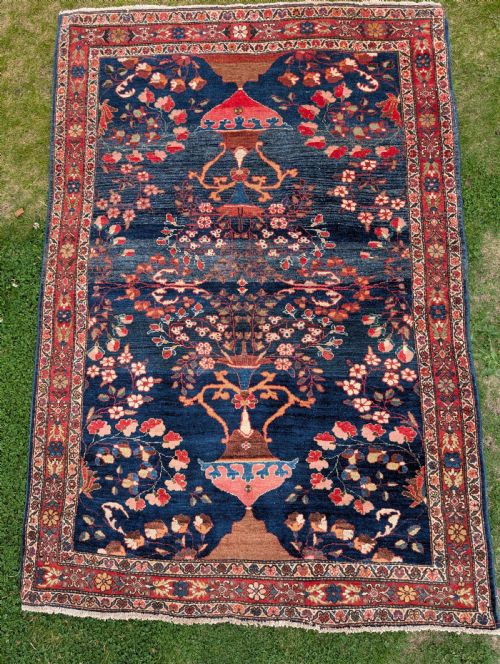
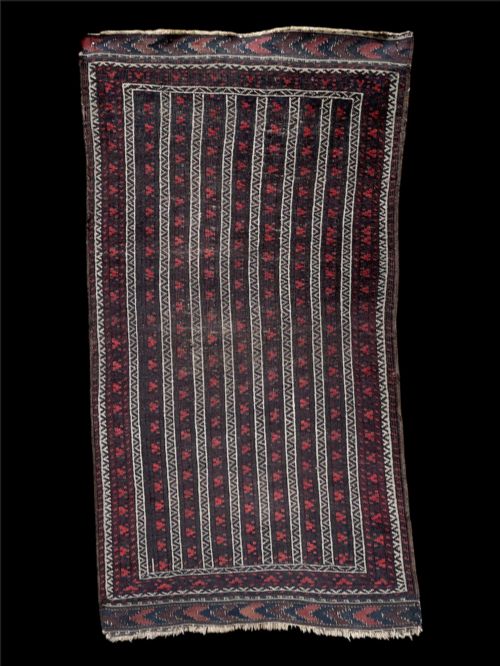
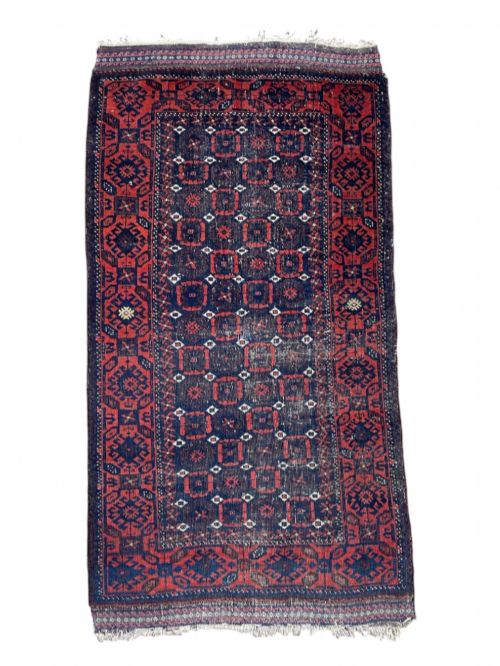
When searching for a dark blue persian carpet, buyers encounter woven floor coverings originating from various tribal and village traditions across Persia and surrounding regions. These pieces span distinct formats including area rugs, hallway runners, and larger carpets dating from the late nineteenth century into the early twentieth century.
Originating styles encompass Persian tribal work alongside specific regional variations like Heriz, Senneh, Tabriz, and Ziegler productions. Each piece displays the distinct weaving signatures and structural traits characteristic of its specific provenance.
Materials and construction
Weavers constructed these textiles predominantly using wool piles set upon cotton foundations, occasionally incorporating goat hair for added structural durability along the selvedges. The application of natural dyes yielded the deep blue ground colours and contrasting secondary tones visible across the surviving examples.
Nomadic and village producers utilised hand-spun materials and traditional upright looms to knot each piece individually. The combination of resilient wool and stable vegetable colourants allowed these carpets to withstand generations of domestic use while retaining structural integrity.
Nomadic weavers occasionally incorporated tiny intentional geometric errors into their borders to ward off the evil eye.
Factors determining excellence
The standard of a woven textile depends heavily upon the fineness of the knotting and the complexity of the design execution. Tighter knot counts permit sharper delineation of geometric motifs and floral fields.
Material selection also dictates overall grade, with lustrous wool piles and saturated natural dye palettes distinguishing superior examples from standard workshop output. Preservation of the original outer borders and structural edges further elevates the standing of a piece.
The Dark Blue Persian Carpet Glossary
- Selvedge
- The reinforced outer edge of a carpet, finished to prevent the side cords from unravelling. Traditional pieces often employ overcast wool or goat hair bindings.
- Medallion
- A central ornamental design motif placed in the middle of the field. Many tribal carpets utilise repeated geometric or medallion structures to anchor the composition.
- Warp
- The stationary vertical threads stretched onto the loom before weaving commences. These longitudinal elements form the underlying skeleton of the carpet.
- Weft
- The horizontal strands passed alternately over and under the warp threads between rows of knots. This technique secures the pile firmly in place.
- Natural Dyes
- Colourants derived from plant, insect, and mineral sources rather than synthetic chemicals. These traditional dyes produce subtle tonal variations and age with a rich patina.
Dark Blue Persian Carpet: Frequently Asked Questions
How do I clean a vintage carpet?
Professional specialist cleaning remains essential for maintaining antique wool and cotton textiles. Regular gentle vacuuming without a rotating power brush prevents dust accumulation within the pile.
Immediate attention to liquid spills by blotting rather than rubbing protects the natural fibres. Harsh chemical detergents should be avoided entirely to preserve the vegetable dyes.
Can these rugs withstand hallway traffic?
Many examples on this page were produced as runners specifically intended for corridors and heavy foot traffic areas. The dense wool pile and sturdy foundation construction provide natural resilience against wear.
Utilising a quality underlay beneath the piece prevents slipping and cushions the fibres against hard flooring surfaces. This simple addition significantly extends the working lifespan of the textile.
How do I identify a tribal design?
Tribal carpets typically display repeating geometric motifs, stylized animal figures, and asymmetrical field arrangements rather than formal court patterns. These designs reflect the distinct cultural heritage and nomadic environment of the individual weaving group.
Local village weavers relied on memory and traditional motifs passed down through generations rather than pre-drawn paper cartoons. Consequently, minor irregularities in symmetry often indicate genuine tribal origin.
What underlay should I use?
A breathable, natural rubber mesh underlay provides optimal support by preventing the carpet from shifting across wooden or carpeted floors. This layer also reduces friction between the foundation threads and the floorboards.
Selecting a pad slightly smaller than the rug dimensions ensures the edges lie flat without creating tripping hazards. Proper cushioning distributes foot pressure evenly across the textile structure.