

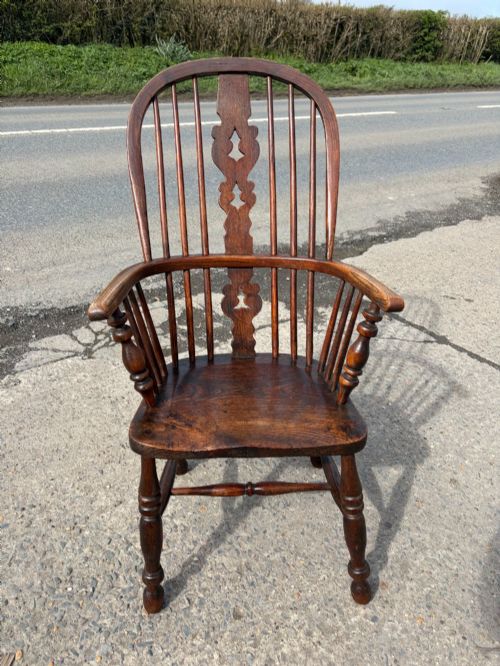


Dark Beech Armchair
A dark beech armchair offers sturdy vernacular seating, combining dense local timber with enduring nineteenth and early twentieth century craftsmanship.
Dark Beech Armchair
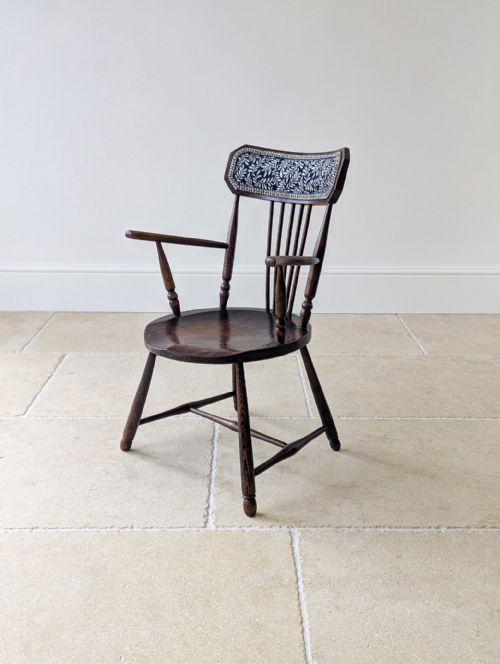
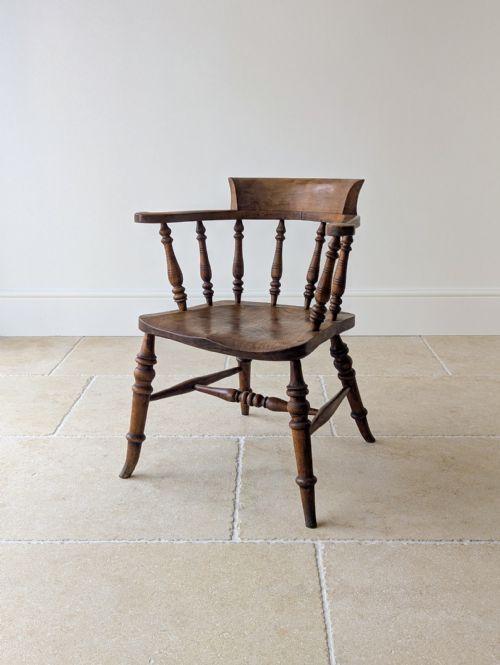
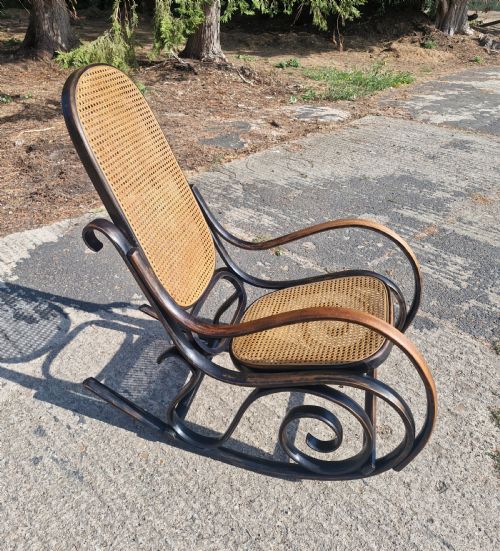
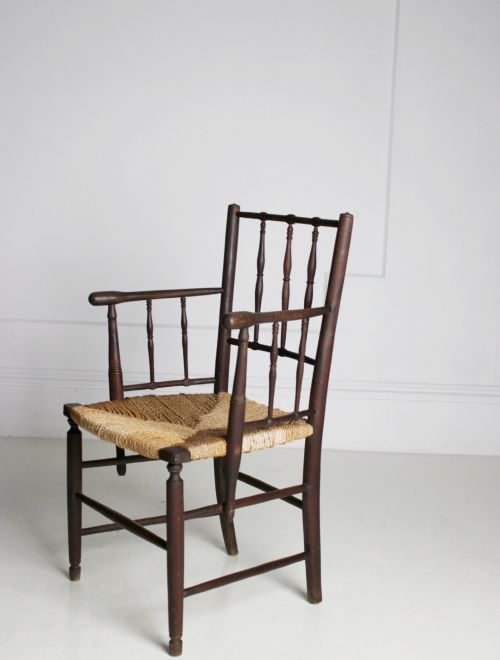
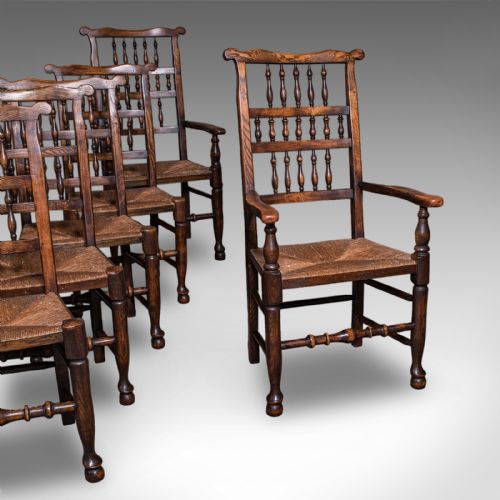
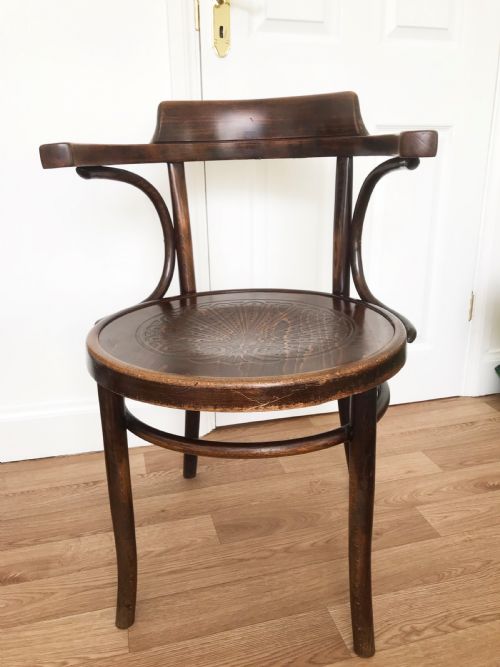
A dark beech armchair spans robust country forms and inventive urban seating from the nineteenth and early twentieth centuries. You will encounter traditional spindle backs alongside steam-bent seating originating from Vienna workshops.
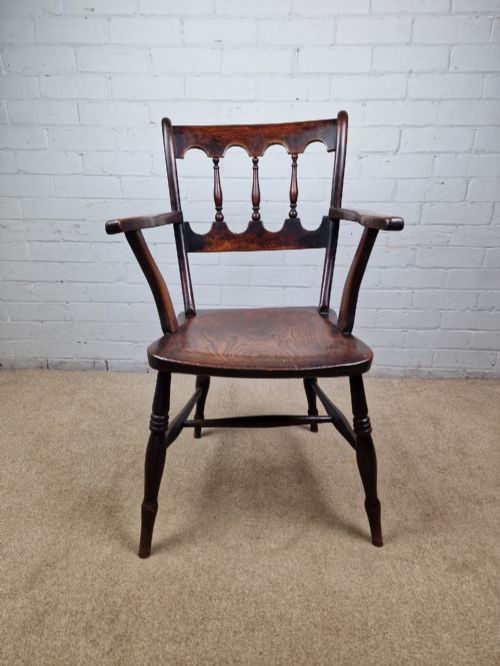
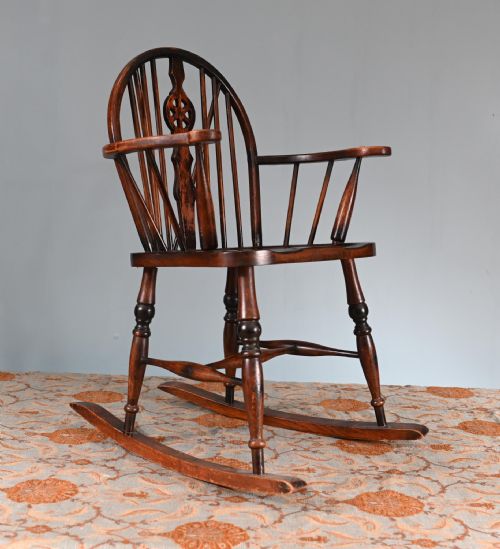
The selection ranges from classic Windsor and captain forms featuring elm seats to Sussex style chairs and bentwood rockers. These pieces reflect diverse regional traditions across English country workshops and continental production.
Makers utilised dark beech for its strength, shaping it into armchairs, desk chairs, and rocking chairs designed for daily domestic or commercial use.
Materials and construction methods
Makers constructed these frames predominantly from solid beech, frequently paired with elm for seats and occasionally incorporating rush, sea grass, or leather for upholstery and squabs.
Techniques varied from traditional turning and joining used in vernacular Windsor and ladderback chairs to innovative steam-bending pioneered for bentwood designs.
Dark Beech Armchair Retail Price Guide 2026
Typical asking prices for dark beech armchair among the pieces listed under this phrase on Sellingantiques today, from the lower quarter to the upper quarter. They describe what is for sale here now, not the wider market.
Materials documented across the inventory include beech, elm, rush, bentwood, leather, plywood, and textile.
Assessing quality in dark beech armchairs
Superior examples display crisp turning on spindles and substantial timber thickness in arms and legs, whereas lesser pieces show softer joinery or replaced components.
The integrity of the original surface finish, whether stained, polished, or patinated through handling, distinguishes a well-preserved survivor from heavily restored iterations.
Jacob and Josef Kohn·Thonet·Watkins and Doncaster
The Dark Beech Armchair Glossary
- Beech
- A dense hardwood native to temperate regions, prized for its tight grain and ability to hold fine turned details. It takes dark stains effectively.
- Bentwood
- Wood softened by steam and bent into curved structural forms under pressure. This technique defined many continental cafe and rocking chairs.
- Windsor
- A chair constructed with a solid wooden seat into which the legs, back spindles, and arms are directly tenoned. They often combine beech and elm.
- Smokers Bow
- A low-backed armchair with a continuous curved arm rail supported by turned spindles, popular in Victorian smoking rooms and pubs.
- Splats
- The vertical central strip of wood within a chair back, shaped for ergonomic support and decorative effect.
Dark Beech Armchair: Frequently Asked Questions
How do I date a dark beech armchair?
Examine the construction methods, tool marks, and overall style relative to recorded periods like the Victorian era or the early twentieth century. Vernacular furniture often retains regional characteristics that help narrow its production decade.
Compare the timber patina and joinery details with documented pieces from similar workshops to establish a credible timeframe for the chair's manufacture.
Are bentwood armchairs comfortable for daily use?
Bentwood designs provide a flexible, springy seating experience due to the resilience of steam-bent wood components. Many include woven cane or upholstered cushions for added support.
Their lightweight frames make them easy to reposition, though users seeking deep padding often add loose squabs or cushions.
What is the difference between a Windsor and a captain's chair?
Windsor chairs typically feature a high back composed of numerous spindles socketed into a solid wooden seat, sometimes incorporating a central carved splat. Captain's chairs are lower, sturdier elbow chairs designed for office or desk use.
Both forms frequently utilise beech for the turned framework and elm for the heavily shaped seat.
How should I clean a dark beech surface?
Dust the timber regularly with a soft, dry cloth to prevent grit accumulation in the grain and turned details. Avoid harsh commercial chemical sprays that can degrade the historic finish.
Apply a microcrystalline wax sparingly if the wood appears dry, buffing gently to maintain a natural, protective sheen.