



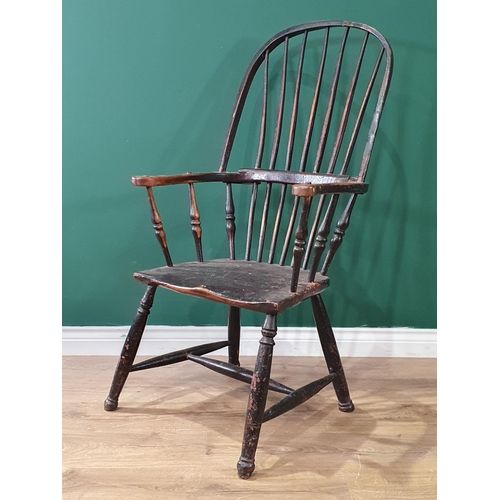

Dark Ash Carver
A dark ash carver brings unpretentious English country strength into any room, combining robust timber framing with deep-seated comfort.
Dark Ash Carver
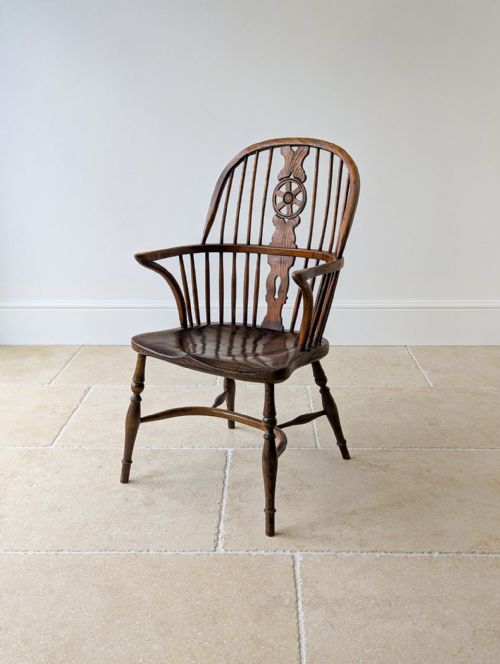
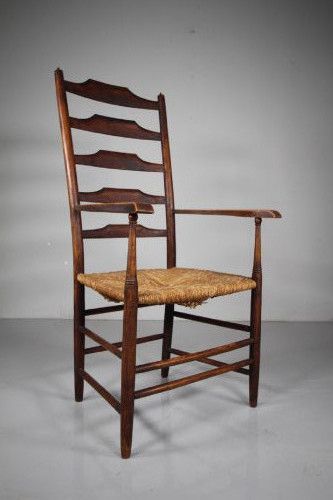
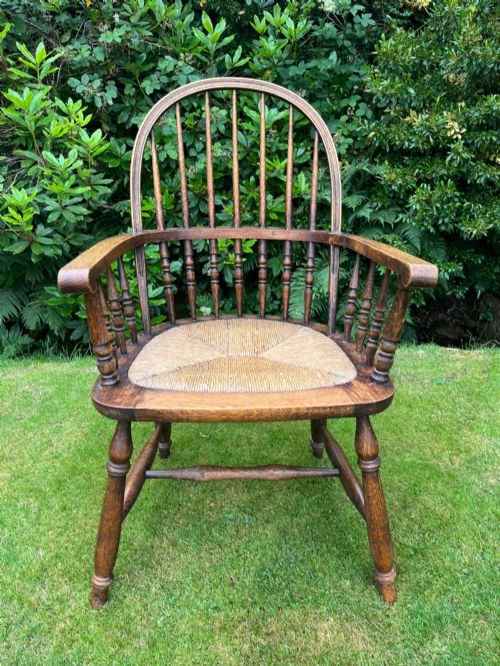
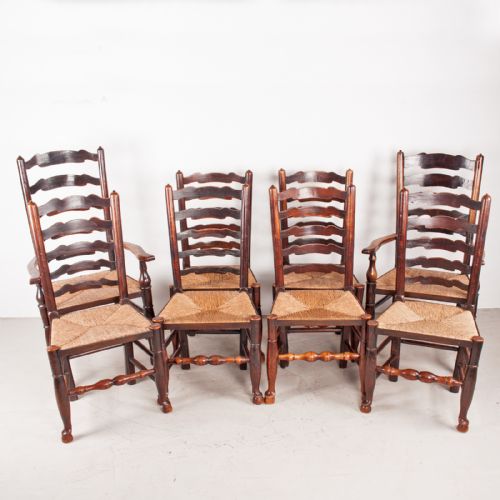
A dark ash carver is a substantial seating piece rooted in English country vernacular and farmhouse traditions, typically featuring open arms and a commanding presence. Buyers exploring this category encounter sturdy Windsor forms, spindle backs, and ladder backs designed for enduring utility.
The materials reflect regional workshop traditions, pairing resilient ash with elm seats and rush weaving. Examples range from George III origins through Victorian interpretations to early twentieth-century country makes.
Most pieces show practical construction intended for daily use in kitchens and dining rooms rather than formal parlours. The heavy grain and darkened patination give each armchair a distinct architectural character.
Assessing Quality and Character
Quality rests in the balance of proportions and the integrity of the original timber components. Finer examples display well-turned spindles and deeply dished elm seats shaped for bodily comfort.
The distinction between standard utility seating and exceptional workshop production lies in subtle details like steam-bent arm bows and intact original surfaces. Patination accumulated through decades of use elevates the visual weight of the timber.
Dark Ash Carver Retail Price Guide 2026
Typical asking prices for dark ash carver among the pieces listed under this phrase on Sellingantiques today, from the lower quarter to the upper quarter. They describe what is for sale here now, not the wider market.
Listings span periods from the 18th century through the Victorian era to 1920, utilising ash, elm, rush, and painted finishes.
Philip Clissett
The Dark Ash Carver Glossary
- Carver
- An armchair designed with open sides to accommodate the bulk of clothing, often used at the head of a dining table. These pieces feature prominent armrests integrated into the back structure.
- Windsor
- A chair built with a solid wooden seat into which the legs, back spindles, and bow are separately tenoned. This construction method creates a durable frame without traditional heavy framing.
- Ladderback
- A chair back constructed from horizontal arched slats stacked between two vertical uprights. This regional vernacular design frequently incorporates woven rush seating.
- Stick back
- A seating form where simple turned spindles form the backrest without a solid central splat. These clean lines characterise straightforward provincial English furniture.
- Rush
- Woven marsh plant material utilised for flexible, durable chair seats. Traditional examples show tight patterns spanning the seat rails.
Dark Ash Carver: Frequently Asked Questions
What is a dark ash carver?
A dark ash carver is an open-armed wooden armchair rooted in English vernacular furniture traditions. These pieces combine turned ash frames with solid elm seats or woven rush.
They served practical roles in farmhouse kitchens and dining rooms, valued for sturdy construction and distinct regional styles.
How do I date a dark ash carver?
Dating relies on examining construction methods, tool marks, and timber patination. Georgian and eighteenth-century examples display hand-turned components and distinct joinery compared to later Victorian or twentieth-century interpretations.
Changes in turning profiles and seat shaping offer further clues to the period of origin.
Where were these chairs made?
These chairs originated in rural workshops across English counties, from Cheshire to the West Country. Local vernacular styles developed distinctive regional characteristics based on available timber.
乡村 craftsmen adapted Windsor and ladder-back designs to suit the practical needs of local households and farmsteads.
How should I care for ash furniture?
Maintain ash and elm timber by keeping pieces away from direct heat sources and sudden temperature shifts. Regular dusting and occasional application of appropriate wax preserve the natural patination.
Avoid excessive moisture on rush seats to protect the woven fibres from weakening over time.