

Cutlery Set Case
These fitted cases protect silver flatware, keeping delicate spoons, knives and servers secure.
Cutlery Set Case
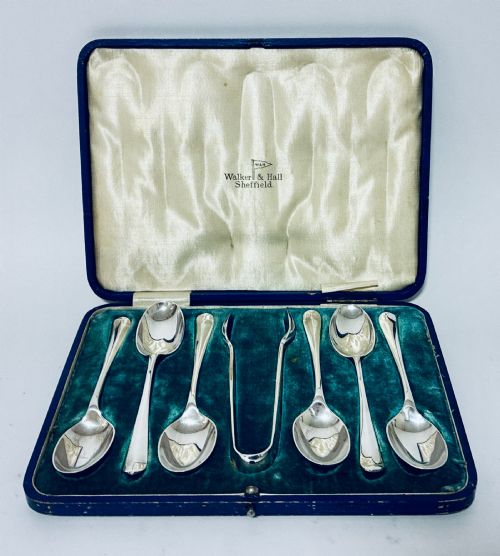
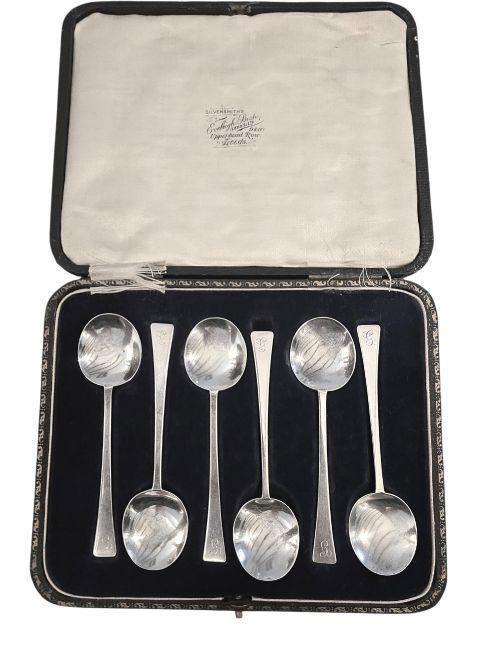
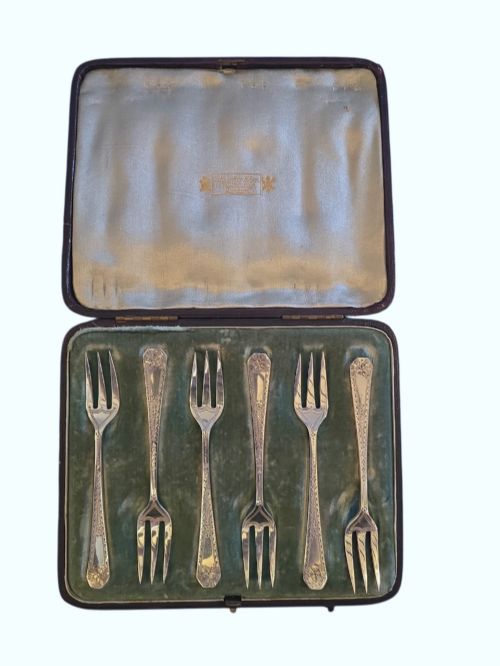
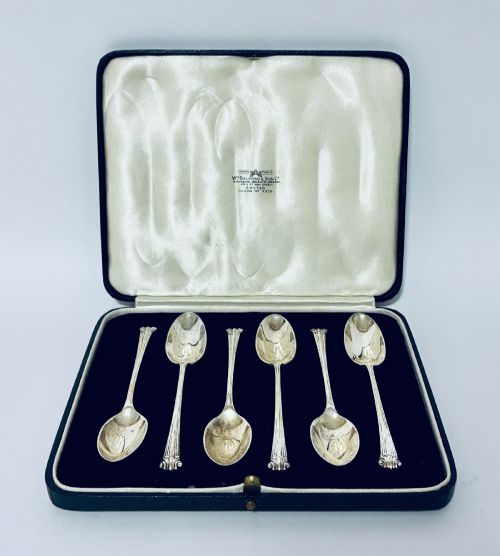
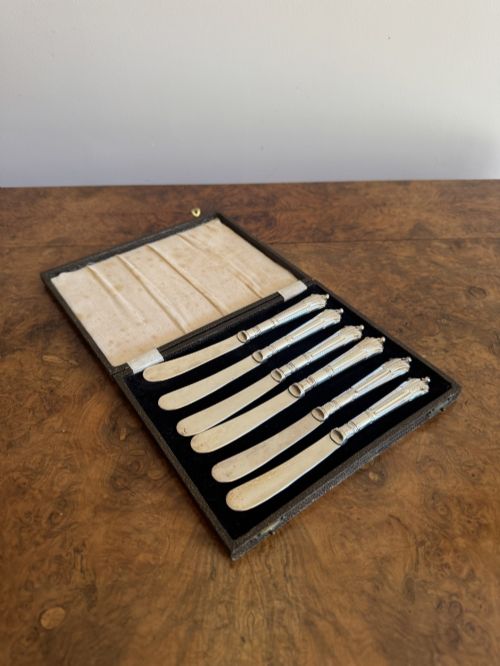
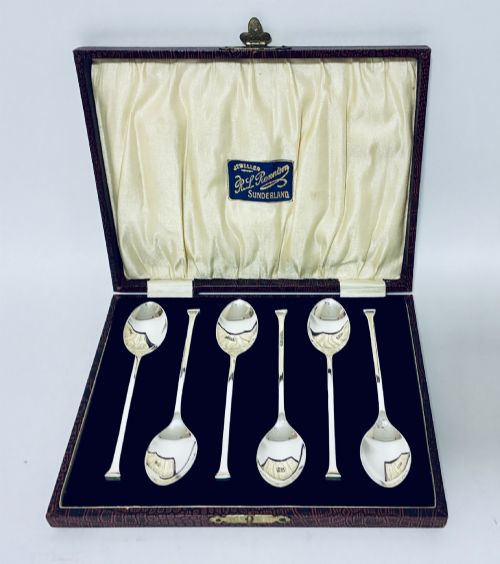
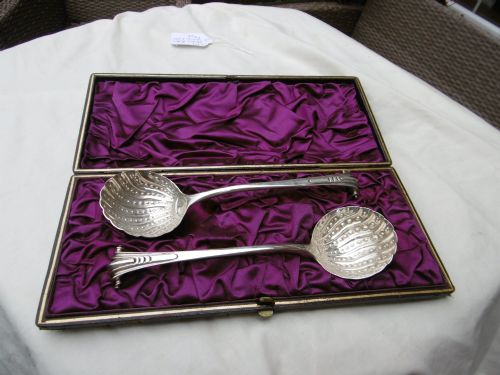
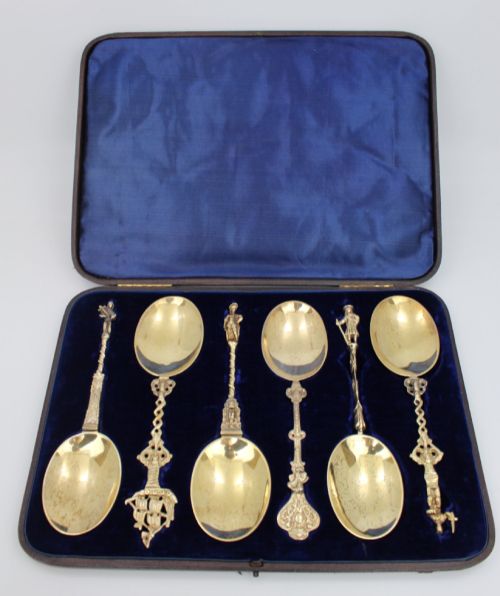
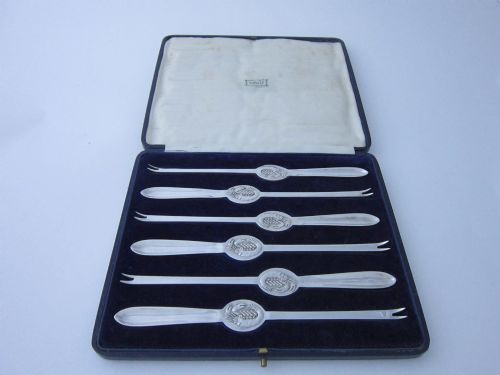
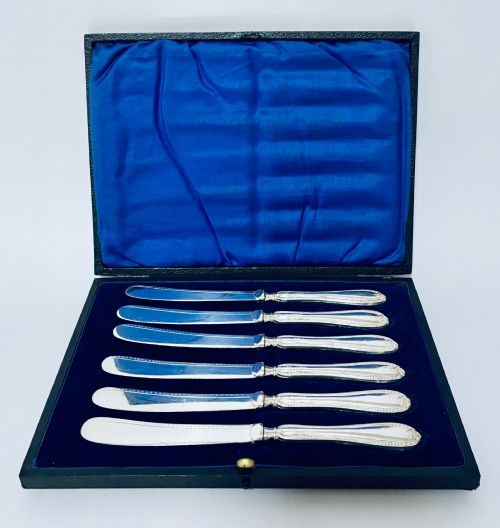
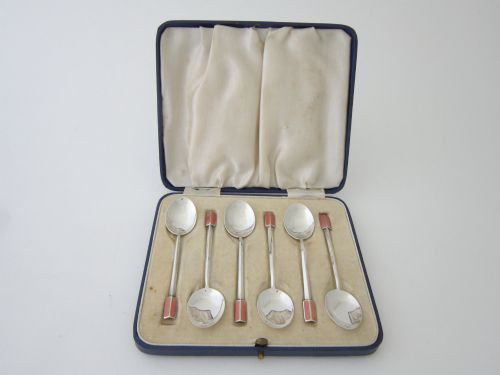
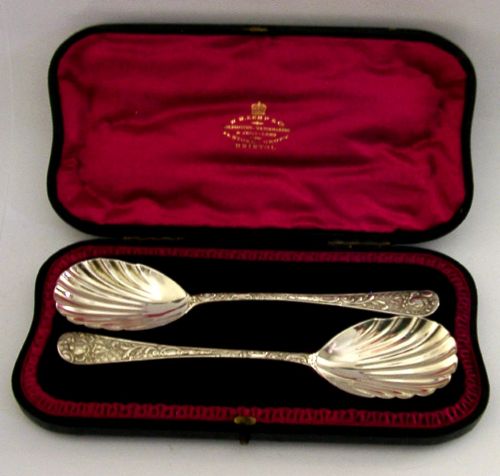
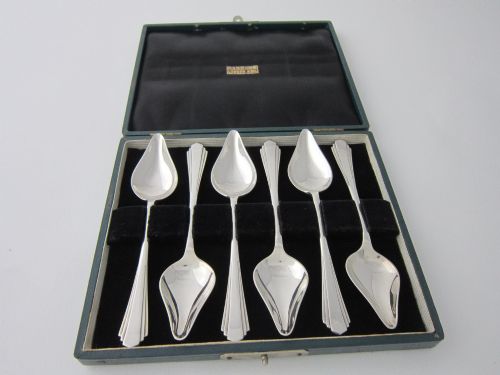
A cutlery set case protects matched sets of silver flatware, fish servers, fruit knives and specialised picks, keeping individual pieces secure in fitted recesses. These housings range from compact boxes for teaspoons to large flatware chests designed for complete dining services.
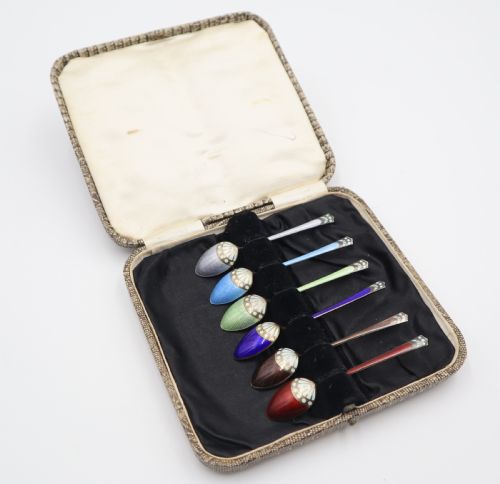
The versions most common here date from the Victorian, Edwardian and Art Deco periods, housing sterling silver or silver-plated implements. Many of these containers safeguard sets meant for specific tasks, such as dessert, seafood or christening ceremonies.
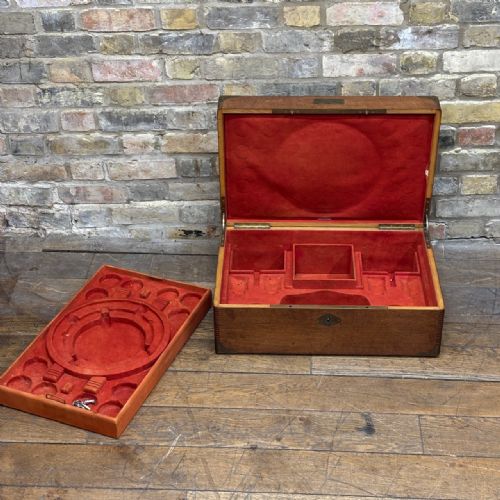
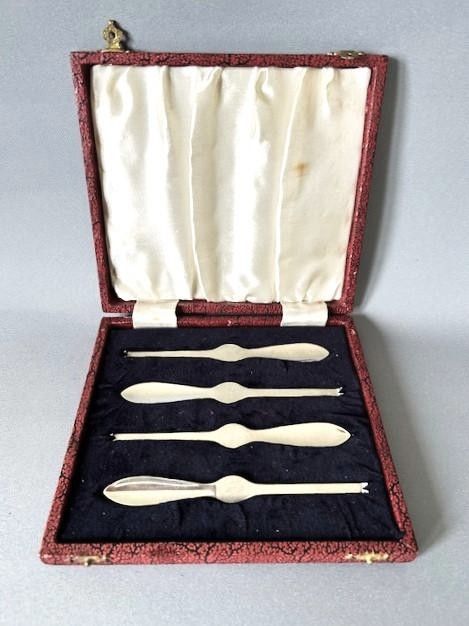
Makers housed these implements in sturdy wooden shells covered in materials like leatherette, lined internally to prevent tarnish and movement. The exterior often displays subtle period styling, while the interior layout reflects the specific utensils it was built to carry.
How they were made
Exterior shells utilise wood covered in textured leatherette or fitted with metal hinges and clasps to withstand frequent opening. Interiors rely on soft textiles such as velvet, silk, satin or fabric-covered card inserts moulded to fit the exact contours of spoons, forks or knives.
Implements inside these cases combine sterling silver, silver plate, stainless steel or mother-of-pearl handles, shaped through casting, stamping or engraving. Manufacturers lined the lids with padded silk or satin to press gently against the cutlery, holding each item firmly in place when closed.
Cutlery Set Case Retail Price Guide 2026
Typical asking prices for cutlery set case among the pieces listed under this phrase on Sellingantiques today, from the lower quarter to the upper quarter. They describe what is for sale here now, not the wider market.
Listings feature velvet, silk and satin linings alongside sterling silver and silver-plate implements dating from the Victorian era to the Art Deco period.
What varies in quality
The integrity of the interior lining and the precision of the fitted wooden recesses determine the standard of a cutlery set case. Finer examples maintain intact silk, velvet or satin without fraying, and the internal mouldings fit the specific spoons or knives snugly without looseness.
Hinges, clasps and exterior materials indicate the original grade of manufacture, with solid locking mechanisms and robust exterior coverings surviving heavy use. The harmony between the fitted box and the utensils it contains demonstrates the original workshop standard.
Deakin & Francis·Suckling Ltd·William Fearn·John Locker·Carrington·Harrods
The Cutlery Set Case Glossary
- Sterling silver
- A silver alloy containing 92.5 percent pure silver and 7.5 percent other metals, usually copper, used for durable tableware.
- Silver plate
- A base metal coated with a thin layer of pure silver, offering the appearance of solid silver at a different cost.
- Leatherette
- A simulated leather material made from a cloth base covered with a plastic coating, utilised for durable box exteriors.
- Silver-gilt
- Sterling silver that has been plated with a thin layer of gold on the surface, sometimes called vermeil.
Cutlery Set Case: Frequently Asked Questions
What fits inside these cases?
These fitted boxes contain matched services of spoons, forks, butter knives, fish servers or lobster picks.
Each container includes moulded slots designed specifically for the dimensions of the utensils it holds.
How do I care for the lining?
Keep the velvet, silk or satin clean by avoiding moisture and storing the container in dry conditions.
Gentle dusting with a soft brush helps maintain the fabric without damaging the fragile internal structure.
Are the utensils original to the box?
Most fitted boxes house the exact set of spoons, forks or servers placed inside them by the original retailer or maker.
Checking the fit of each implement within the moulded slots helps confirm if the contents belong together.
How do I identify the period?
Dating relies on the exterior style, the materials used for the lining, and any hallmarks stamped on the silver implements inside.
Victorian, Edwardian and Art Deco examples each display distinct decorative choices in both the box exterior and the cutlery handles.