
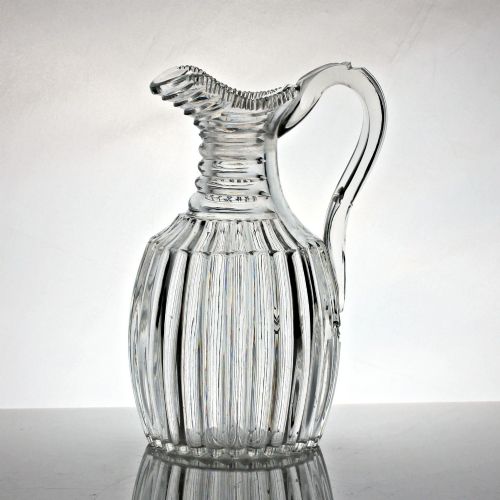
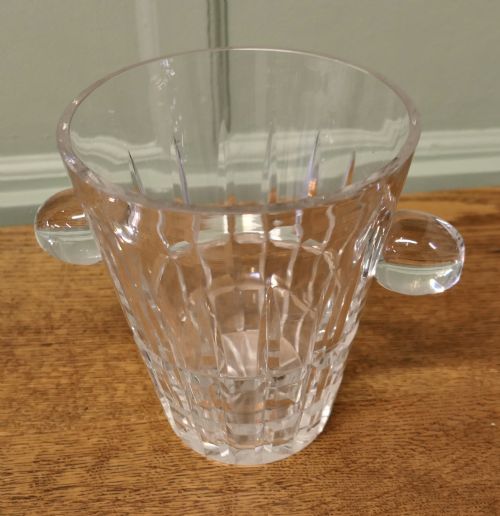
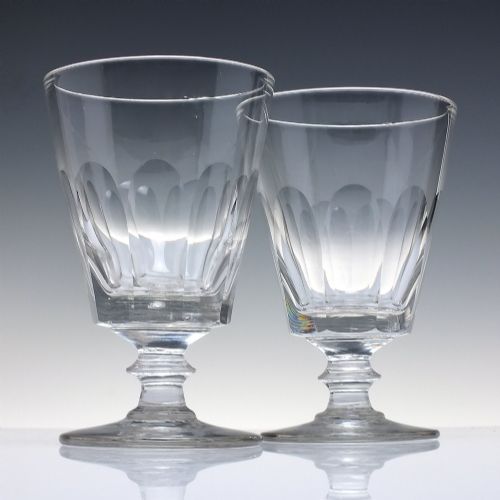
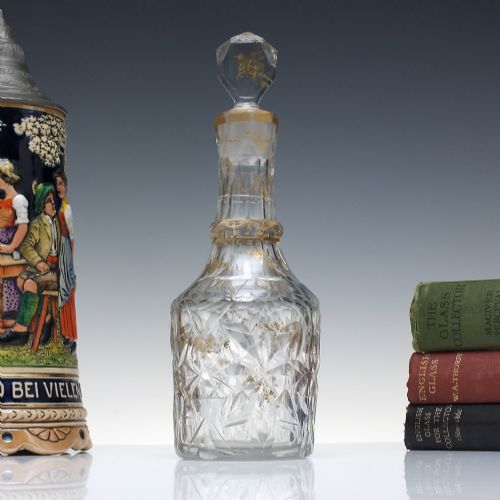

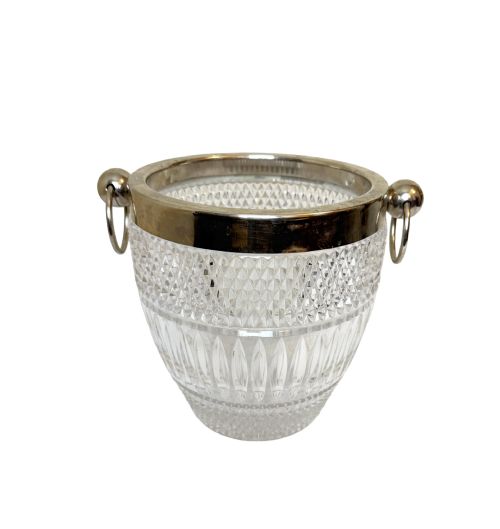
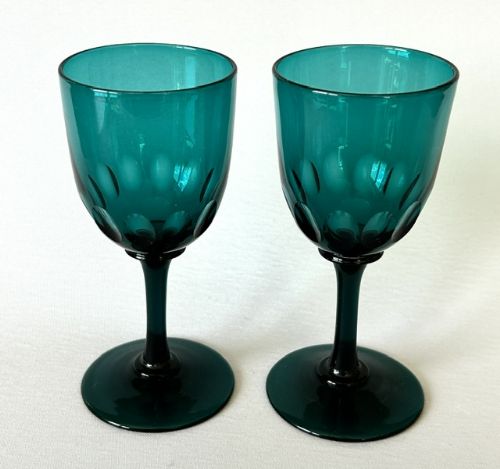
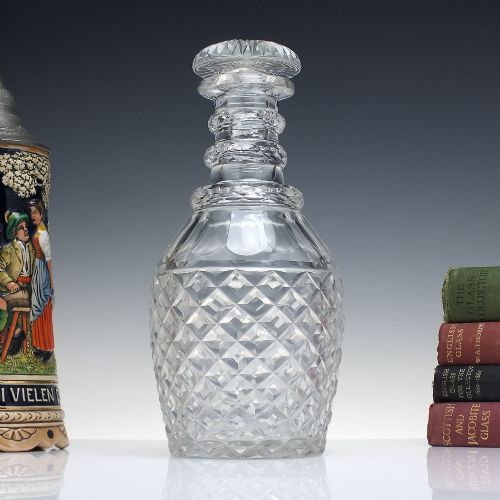
Cut Glass Wine Glasses
These cut glass wine glasses span Georgian, Victorian and Edwardian periods, offering brilliant light refraction and heavy handle-weight for formal dining.
Cut Glass Wine Glasses
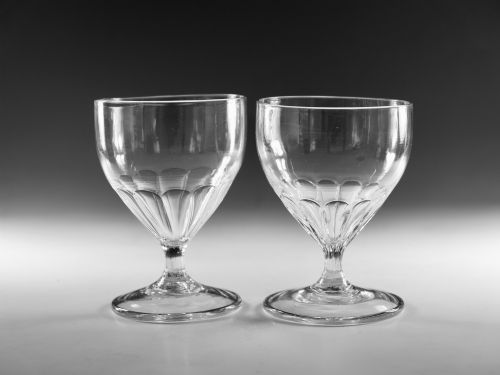
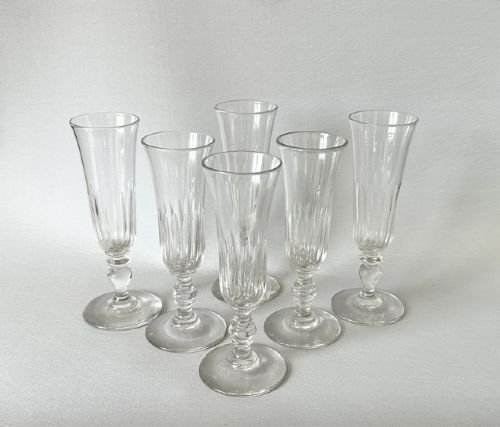
When you search for cut glass wine glasses, you encounter everything from heavy Georgian rummers to delicate Edwardian hock glasses and coloured Victorian services. The forms range from tall flutes and faceted port glasses to wide dessert wine vessels.
You are most likely to meet Victorian and Edwardian matching sets on this page, alongside single Georgian rummers and twentieth-century crystal goblets. These pieces served aristocratic dining tables and middle-class parlours alike for centuries.
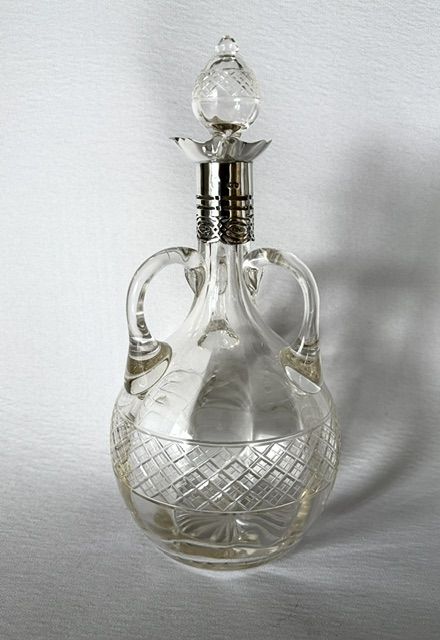
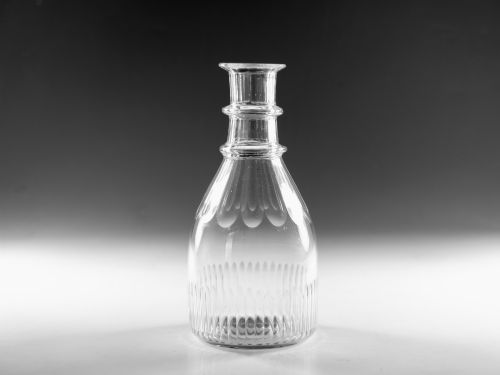
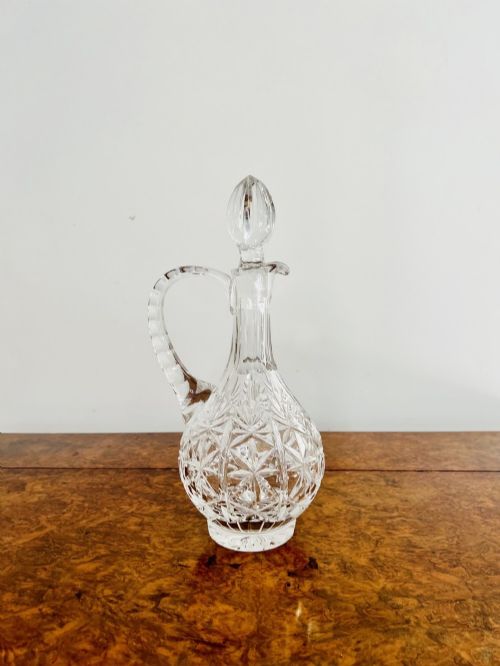
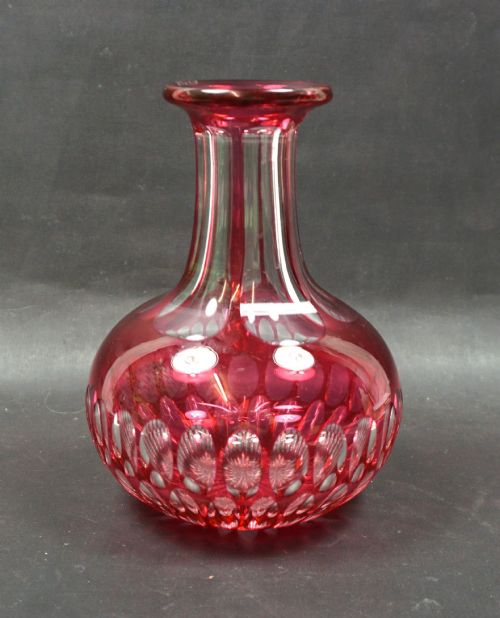
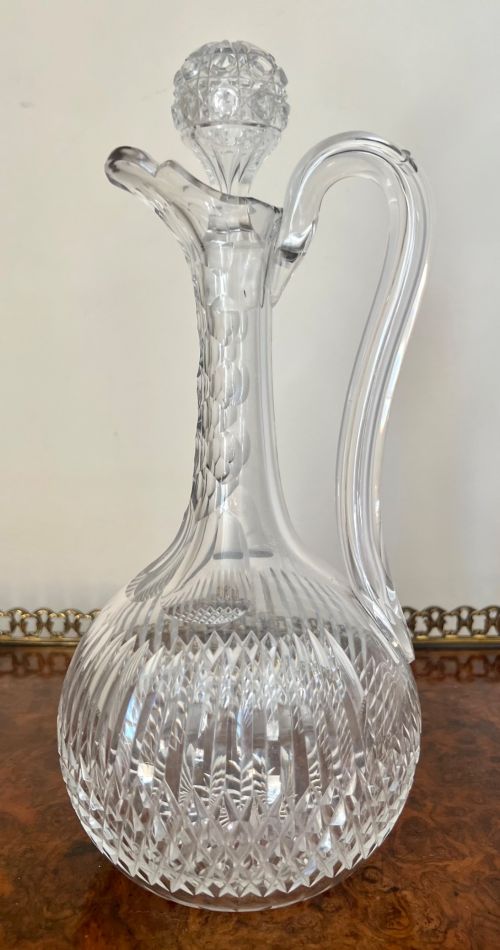
The category encompasses not only drinking vessels but also matching decanters, carafes and claret jugs fitted with silver plate or sterling collars. Coloured glass variants, including cranberry, green and purple crystal, appear regularly across the nineteenth and twentieth centuries.
Materials and Technique
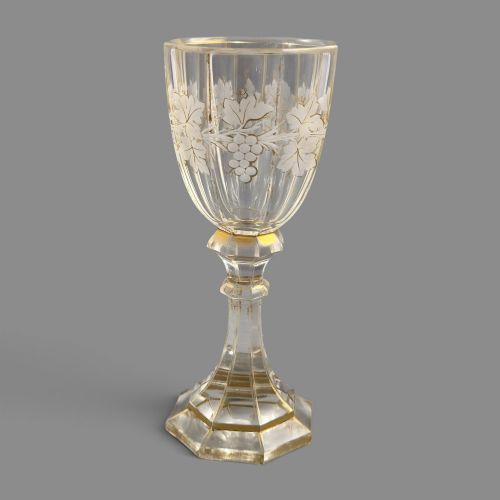
Makers formed these items using lead crystal and clear glass, which accepted deep wheel-cut facets without fracturing. Artisans also employed overlay techniques, casing clear vessels in coloured glass before cutting through the outer layer to expose the bright metal beneath.
Decoration relied on hand-cutting, wheel-engraving and occasional gilding applied by workshops in Britain, Bohemia and France. Metal mounts in silver plate and sterling silver were frequently added to jugs and decanters to finish the rims and handle junctions.
Georgian gentlemen sometimes collected rummers so heavy they doubled as improvised defensive weapons after a long evening.
Evaluating the Pieces
Superior examples demonstrate crisp, deep facet-cutting with sharp edges that catch the light directly, whereas lower-grade pieces feature shallow, rounded incisions from mass production. The clarity of the metal itself matters immensely, with top-tier lead crystal showing zero cloudiness or internal bubbles.
Proportion and weight dictate the standing of a vessel, particularly in Georgian and Victorian rummers where a heavy, wide foot base provides stability. Consistency across a matched set elevates the desirability significantly compared to assembled harlequin groupings.
James Giles·Moser·Baccarat·Val Saint Lambert·John Walsh·Waterford
The Cut Glass Wine Glasses Glossary
- Rummer
- A heavy, large-bowled drinking glass used for wine, ale or punch during the Georgian and Victorian eras. These sturdy vessels often featured faceted stems and thick foot bases.
- Hobnail cut
- A distinct geometric pattern resembling the iron-headed nails on heavy boots, created by intersecting rows of deep triangular cuts. It provides exceptional tactile grip and sparkle.
- Hock glass
- A tall stemmed vessel traditionally utilised for German white wine, frequently rendered in coloured crystal such as green, ruby or amber with elaborate wheel-engraving.
- Prism cut
- Linear, parallel facets cut into the necks of decanters or the stems of glassware to refract light into spectral colours. This technique was widely favoured during the Regency period.
- Slice cut
- Broad, flat horizontal planes cut into the body of glassware, creating wide reflective facets. It is commonly observed on Victorian dessert wine sets.
Cut Glass Wine Glasses: Frequently Asked Questions
How do I clean antique cut glass?
Wash them gently by hand in warm water using mild detergent, avoiding sudden temperature changes that can crack old crystal.
Dry them immediately with a lint-free cloth to maintain the brilliant shine of the wheel-cut facets.
Can I use these glasses for daily dining?
Many people enjoy using their antique stemware for special dinners, provided they handle the delicate rims and heavy lead crystal with care.
Hand-washing is mandatory because modern dishwashers will etch the glass surface and ruin silver-plated collars.
How do I date an old cut glass piece?
Examine the base for signs of wear, pontil marks, and the weight of the lead crystal, which changed across different eras.
Georgian and early Victorian pieces usually display hand-polished pontil scars and deeper, sharper cutting than later Victorian factory output.
Why are some wine glasses coloured?
Coloured glass gained immense popularity during the Victorian and Edwardian periods for specific table services and hock wines.
Makers achieved these rich hues by adding metallic oxides to the molten batch or by using a coloured glass overlay cased over clear crystal.