
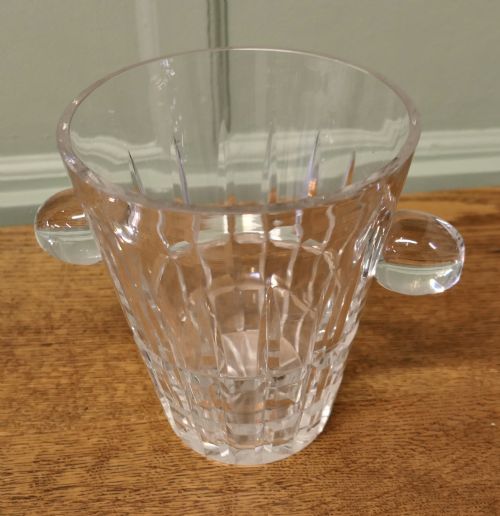
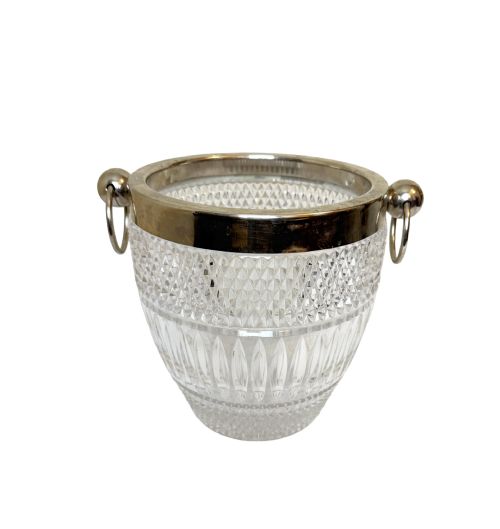
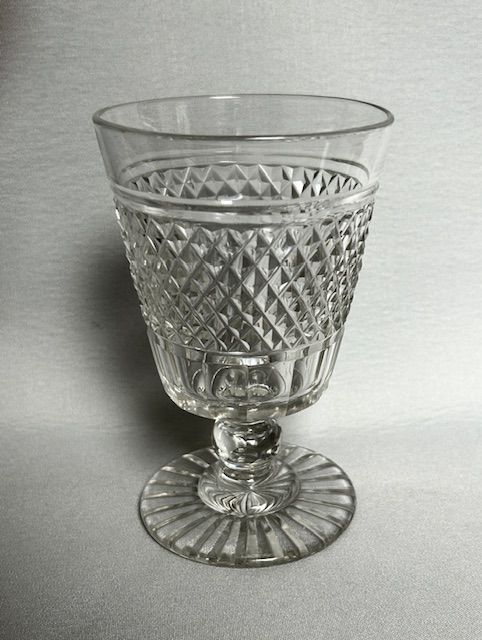


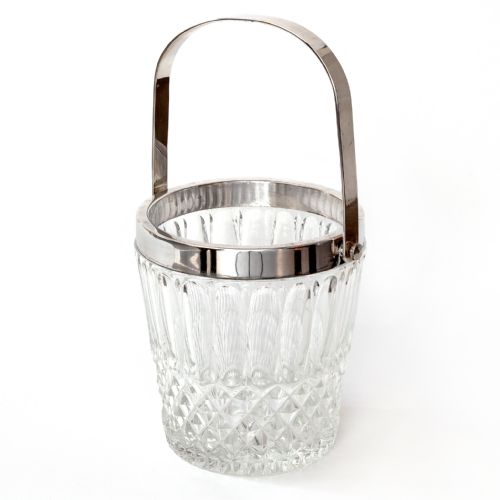


Cut Glass Wine Bucket
These cut glass wine bucket examples bring brilliant heavy crystal and gleaming metal together on the table, offering a functional centrepiece that every collector of fine barware needs.
Cut Glass Wine Bucket
A cut glass wine bucket is a substantial vessel designed to hold ice and chill bottles at the table, spanning forms such as champagne coolers and rummer buckets. When searching for a cut glass wine bucket, you are looking at items primarily originating from the Regency period, the nineteenth century, and the nineteen-twenties.
The versions you are most likely to meet on this page combine thick glass bowls with silver-plate or gilt bronze mounts. These pieces function equally well as wine coolers, champagne buckets, and ice buckets.
Makers and manufacturers historically produced these objects to serve both practical and decorative purposes during dining and entertaining. Surviving examples range from Georgian hobnail cut rummers to heavy lead crystal designs from the mid-twentieth century.
How they were made
The construction of a cut glass wine bucket relies on heavy lead crystal or hand-blown glass that is cold-cut to create deep facets, flutes, and hobnail patterns. This cutting process requires skilled hand work to achieve sharp geometric lines and refractive brilliance.
Metal components such as silver-plate, silverplate, and gilt bronze provide structural mounts, handles, and rims that secure or complement the glass body. These metal mounts are cast and finished separately before being fitted to the glass liner or vessel.
Materials recorded on this page include cut crystal, lead crystal, silver-plate, and gilt bronze mounts.
What varies in quality
Quality in a cut glass wine bucket rests on the depth and crispness of the cutting, where deeper facets and sharper edges demonstrate superior craftsmanship. Weight also indicates quality, as heavier lead crystal provides a more substantial feel in the hand.
The integration and finish of the metal mounts separate standard examples from finer ones. Well-cast gilt bronze or heavy silver-plate that fits the glass precisely elevates the piece far above mass-produced alternatives.
The Cut Glass Wine Bucket Glossary
- Hobnail cut
- A raised, multi-faceted glass pattern resembling the hobnails on stout boots. This texture catches the light and adds tactile grip to the vessel.
- Lead crystal
- Glass containing metal oxide that increases weight, brilliance, and softness for cutting. It is the preferred material for heavy nineteenth and twentieth-century barware.
- Silver-plate
- A thin layer of silver fused to a base metal such as copper or brass. It gives the appearance of solid silver while providing durability for everyday service.
- Gilt bronze
- Bronze that has been coated in a thin layer of gold or gold-coloured alloy. This mount adds a rich, warm decorative border to luxury glass vessels.
- Regency
- An English design period spanning the early nineteenth century known for classical restraint and bold geometric cutting. Pieces from this era often feature clean architectural proportions.
Cut Glass Wine Bucket: Frequently Asked Questions
What is a cut glass wine bucket used for?
These vessels are designed to hold ice and water alongside wine or champagne bottles to keep them chilled during dining. They serve as both functional barware and decorative table centerpieces.
Historically, they sat upon the dining table or a nearby sideboard ready to replenish glasses throughout a meal. Today, collectors utilise them for entertaining or display them empty to showcase the cut crystal patterns.
How do I clean a cut glass wine bucket?
Wash the glass body gently using warm water and a mild detergent, avoiding harsh abrasives that might scratch the surface. If metal mounts are present, keep moisture away from plated or gilt areas to prevent tarnishing or damage.
Dry the crystal immediately with a lint-free cloth to maintain its refractive sparkle. For silver-plate or gilt bronze mounts, use an appropriate metal polish sparingly and keep it off the glass.
How can I tell the period of my bucket?
Examine the weight, the style of the glass cutting, and the character of any metal mounts. Regency and early nineteenth-century pieces often display hand-blown irregularities and deep geometric hobnail patterns.
Twentieth-century examples, particularly from the nineteen-twenties and nineteen-forties, frequently feature heavier lead crystal combined with silver-plated rims or swing handles. Comparing the manufacturing traits helps narrow down the decade of production.
Are all cut glass buckets made of lead crystal?
Not all buckets are made from lead crystal, as standard glass and cut crystal also appear across various periods. Lead crystal contains additives that increase the overall weight and clarity of the material.
Listings often distinguish between standard cut glass, hand cut crystal, and extremely heavy lead crystal. Each material offers a different tactile experience and level of light refraction.