

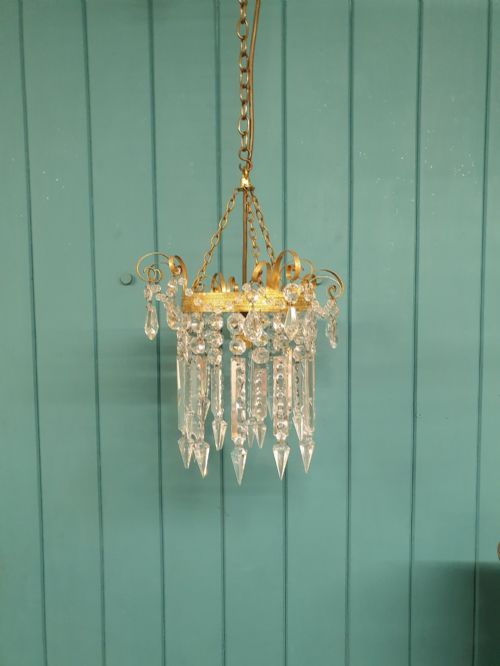


Cut Glass Prism Drop
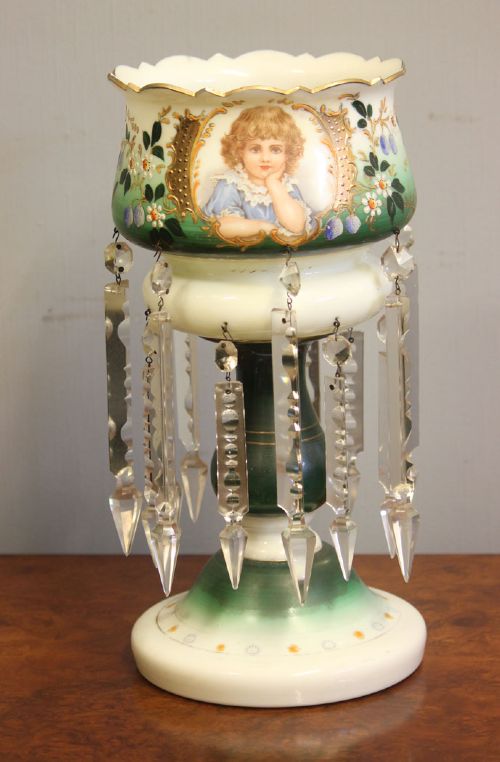
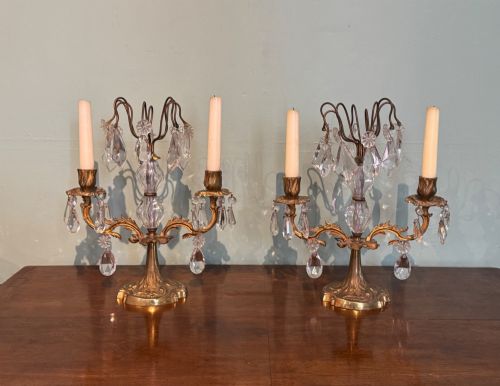
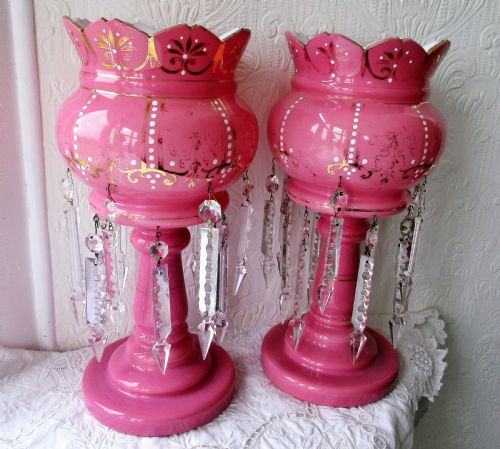
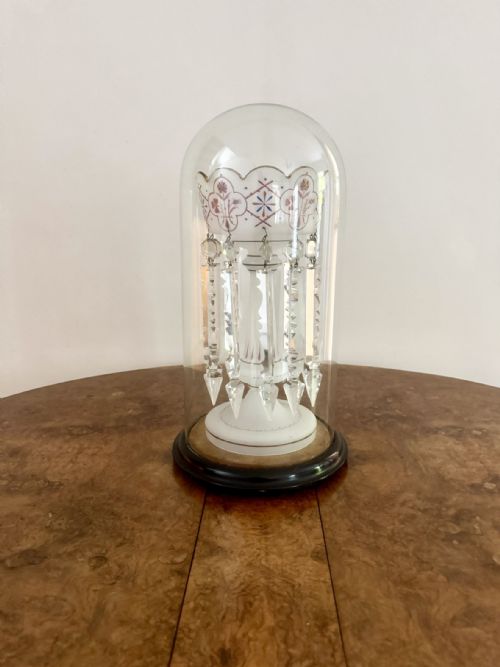
These cut glass prism drop components catch the light and complete period chandeliers, candelabras, and mantel lustres.
Cut Glass Prism Drop
A cut glass prism drop is the small, light-refracting pendant hanging from lighting fixtures and mantel ornaments, appearing most frequently on Victorian, Edwardian, and Regency pieces.
Buyers seeking cut glass prism drop items will encounter them suspended from mantel lustres, chandeliers, table candelabras, and ceiling lights.
The selection ranges from clear lead crystal and cut glass pendants to coloured glass components paired with brass, gilt metal, and bronze.
Materials and Manufacture
Pieces combine glass, crystal, and lead crystal with structural elements in brass, gilt metal, bronze, and enamel.
Pendants and drops are formed through glass cutting and hand-finishing techniques to maximise refraction when hung from lighting frames.
Listings feature items spanning the Regency, Victorian, and Edwardian periods, utilising materials such as brass, gilt, crystal, and coloured glass.
Assessing Quality
Clarity and weight of the crystal or glass separate basic components from finer examples, alongside the precision of the cutting facets.
The integration of the hanging drop with original metal mounts, chains, or supporting lustres influences the overall integrity of the piece.
The Cut Glass Prism Drop Glossary
- Prism drop
- A faceted glass or crystal pendant designed to hang from lighting fixtures to refract light.
- Mantel lustre
- A decorative ornamental vase fitted with hanging glass prisms, placed on a mantelpiece.
- Candelabra
- A branched candlestick holder that often incorporates hanging crystal drops for added illumination effect.
- Lead crystal
- A heavy, high-clarity glass containing lead oxide, used to create sharp facets on decorative drops.
Cut Glass Prism Drop: Frequently Asked Questions
What are cut glass prism drops used for?
These glass pendants hang from chandeliers, wall sconces, and mantel lustres to refract and scatter candlelight or electric light around a room.
They serve both a decorative purpose and a functional role in amplifying illumination in historic interiors.
How do I clean prism drops safely?
Remove the drops from the fixture if possible and wash them gently in lukewarm water with a mild detergent.
Dry each piece thoroughly with a soft lint-free cloth to restore maximum brilliance without scratching the glass surface.
Are these drops from the Victorian period?
Many examples originate from the Victorian, Edwardian, and Regency eras, matching the period lighting fixtures they accompany.
Dating relies on the cutting style, glass composition, and the accompanying metalwork of the main object.
Can I replace missing drops on an old chandelier?
Replacement drops can be sourced to match the approximate size, shape, and cutting style of existing components.
Matching the lead content and glass tint helps maintain a uniform appearance across the entire fixture.