


Cut Glass Drinking Glasses
Cut glass drinking glasses bring genuine historical weight to the table, offering heavy facets and bright refraction that elevate daily drinking.
Cut Glass Drinking Glasses
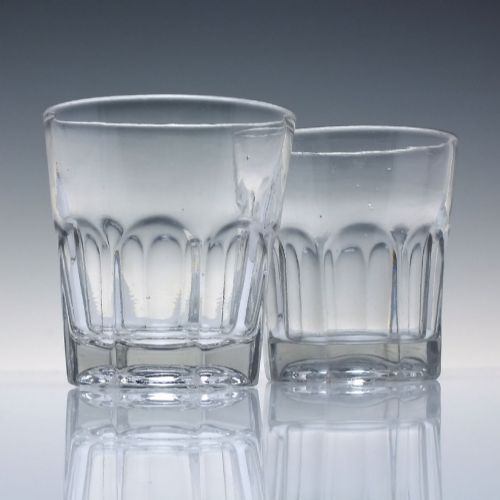
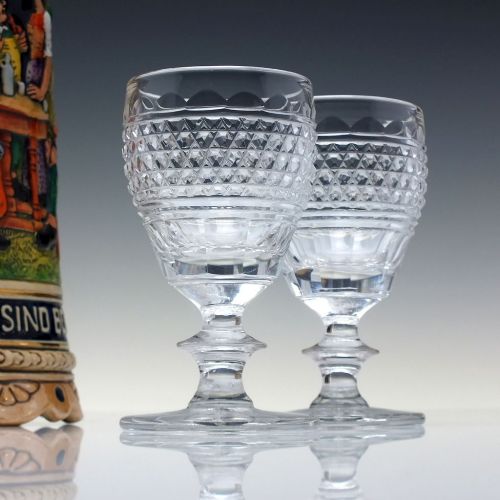
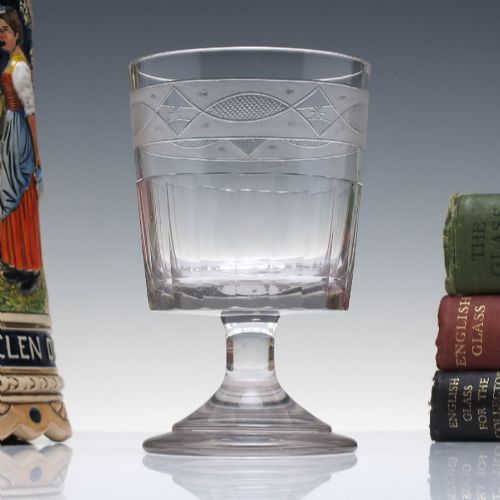
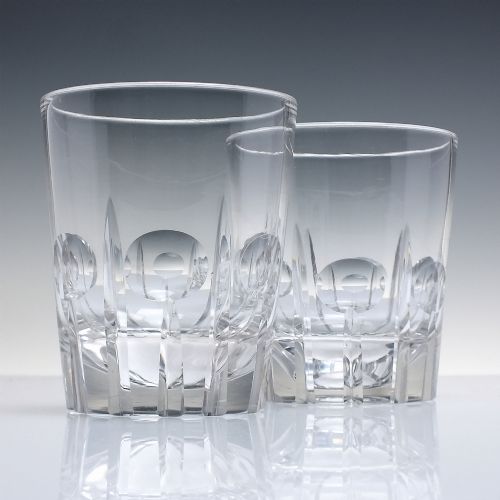
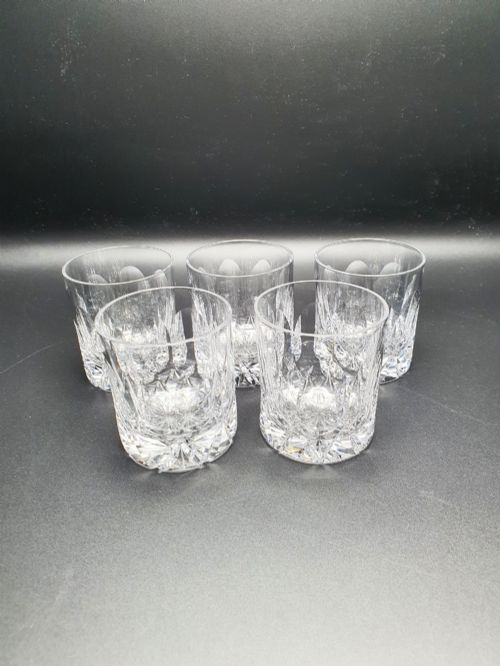
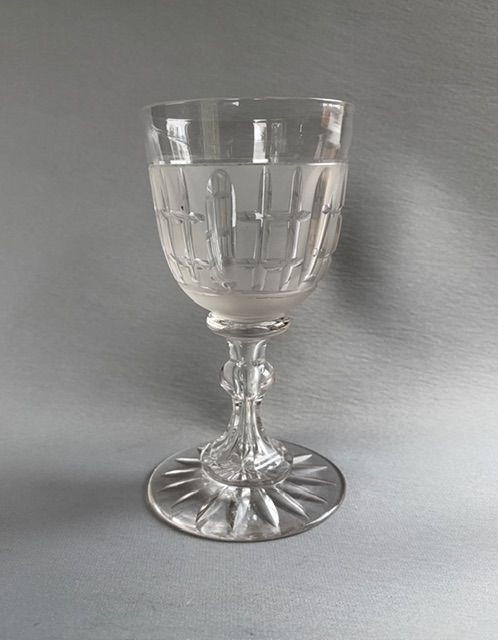
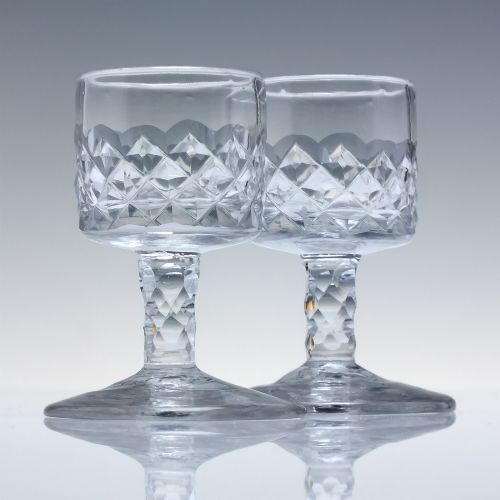
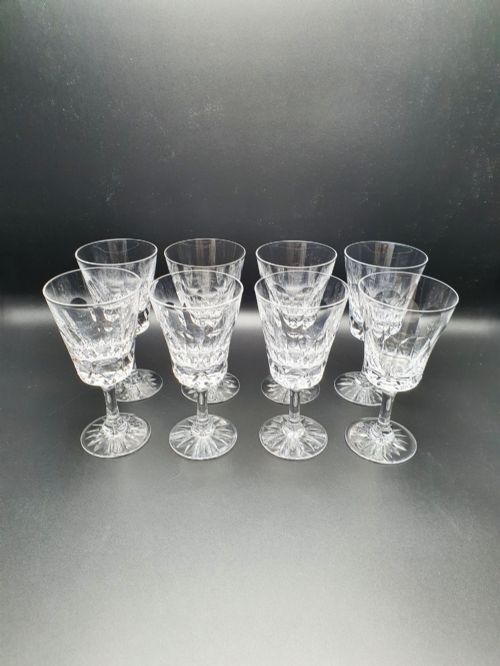
Cut glass drinking glasses encompass robust tumblers, delicate wine glasses, deep rummers and slender ale flutes spanning several centuries of British and European dining. These vessels combine functional utility with decorative cutting, ranging from simple geometric facets to intricate wheel-engraved motifs. The selection includes matched sets for formal dining alongside individual tavern glasses and decorative service pieces.
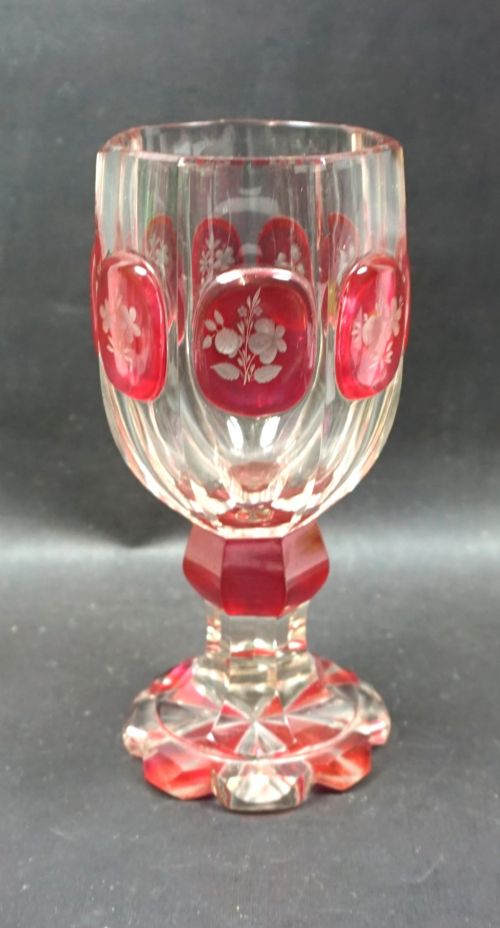
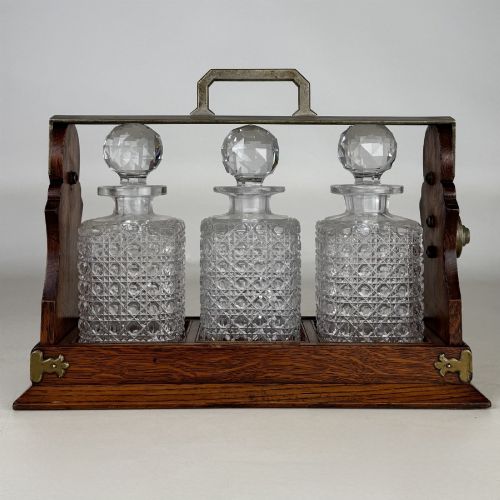
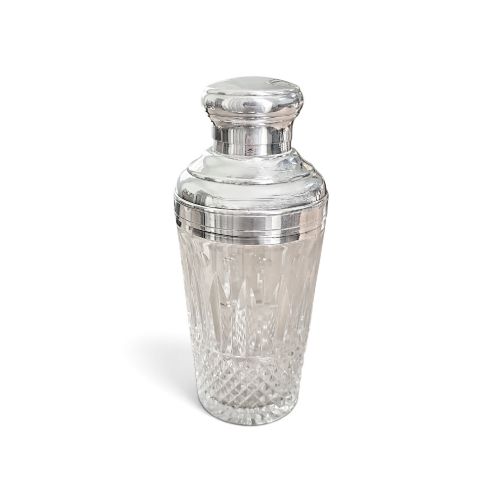
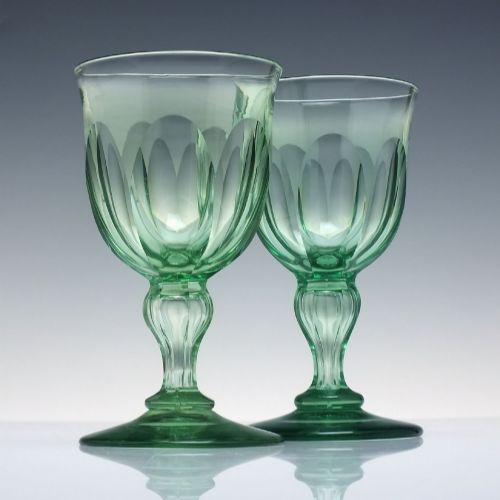
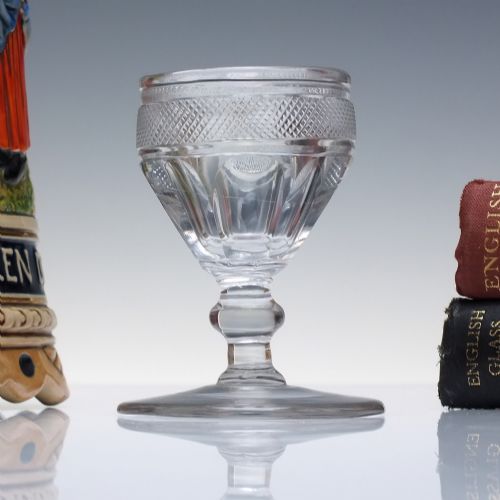
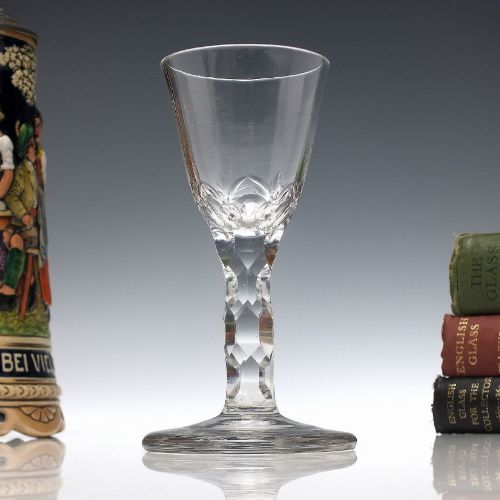
The dominant examples on this page hail from the Victorian and Georgian eras, alongside notable Edwardian and Art Deco suites. Buyers encounter heavy Regency hobnail rummers, vibrant cranberry and vaseline glass goblets, and crisp 18th-century facet-cut dram glasses. Forms extend beyond individual stems into cocktail shakers and comprehensive drinking services paired with decanters.
Originating from British, French and Bohemian workshops, these drinking glasses reflect the shifting tastes of dining culture from the late 18th century through the mid-20th century. Earlier pieces often display thicker lead glass profiles with polished facets, while later Victorian and Edwardian examples lean towards elaborate intaglio engraving or bright coloured bowls. Sets vary from pairs of presentation goblets to extensive multi-piece dining suites.
Materials and Techniques
The primary material across these pieces is heavy lead glass or crystal, prized for its clarity, refractive power and capacity to hold deep wheel cuts. Manufacturers also utilised coloured metals within the glass batch, producing distinct cranberry, green and vaseline hues that react differently to light. Secondary mountings on related serving pieces incorporate oak, burr walnut, satinwood, sterling silver and silver plate.
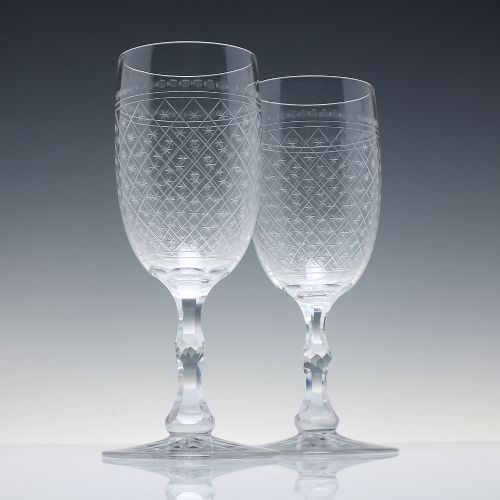
Production relied on hot glass blowing into moulds or free-blowing by skilled artisans, followed by cold-working techniques once the vessel cooled. Craftsmen applied heavy cutting wheels to grind geometric patterns such as diamonds and flutes into the exterior surface. Finer details, including hop and barley motifs or crests, were added using smaller copper engraving wheels and subsequently polished to a bright finish.
Cut Glass Drinking Glasses Retail Price Guide 2026
Typical asking prices for cut glass drinking glasses among the pieces listed under this phrase on Sellingantiques today, from the lower quarter to the upper quarter. They describe what is for sale here now, not the wider market.
Indicators of Excellence
Quality rests heavily on the crispness of the cutting and the weight of the metal itself. Superior pieces exhibit deeply ground facets with sharply defined edges that remain smooth to the touch, paired with clear, heavy lead crystal that rings true when struck. Lesser examples show soft, shallow cutting or dull metal lacking internal fire and brilliance.
The harmony of matched sets and the precision of hand-engraving separate standard tavern wares from exhibition pieces. Master glasscutters and named decorators achieved balanced proportions across entire suites of drinking glasses, whereas lower tiers display minor irregularities in bowl thickness or stem alignment resulting from hurried production.
James Giles·Walker And Hall·Webb Corbett
The Cut Glass Drinking Glasses Glossary
- Facet cut
- A decorative technique involving flat, polished planes ground into the exterior of glassware to catch and refract light. This method is particularly characteristic of Georgian dram and ale glasses.
- Rummer
- A large, sturdy drinking glass popular in the 18th and 19th centuries, typically featuring a short stem and a capacious bowl used for ale, wine or punch. Many surviving examples display heavy hobnail or slice cutting.
- Intaglio
- A method of glass engraving where the design is carved directly into the surface rather than left in relief. This technique creates a sunken image with fine detail.
- Vaseline glass
- Uranium glass produced in the 19th century that exhibits a distinct yellow-green colour and glows brightly under ultraviolet light. It appears frequently in Victorian table sets.
- Hobnail cut
- A raised, diamond-shaped geometric pattern carved into glassware, creating a textured surface that enhances the sparkle of the material. It is frequently seen on Regency and Victorian pieces.
Cut Glass Drinking Glasses: Frequently Asked Questions
How do I tell Georgian cut glass from Victorian pieces?
Georgian cut glass drinking glasses typically feature smaller, sharper facets and greyer lead metal with a lighter, more delicate hand-held presence. The cutting is often sparser, focusing on upper bowls and stems rather than heavy overall coverage.
Victorian pieces lean towards heavier proportions, deeper diamond and hobnail cutting, and occasional use of coloured glass like cranberry or vaseline. Engraving styles also shift, with Victorian examples frequently displaying naturalistic foliage or elaborate monograms.
Can I use antique cut glass drinking glasses every day?
Most sturdy cut glass tumblers and rummers are robust enough for regular use, provided they are handled with care and washed by hand. The heavy lead crystal used in these pieces is durable, though thin-walled 18th-century dram glasses and delicate stemmed wine glasses require more caution.
Avoid thermal shock by keeping hot liquids away from antique glass and wash them in warm, soapy water rather than a modern dishwasher. Storing them with adequate space between stems prevents chipping.
What is a rummer used for?
A rummer is a large, versatile drinking vessel historically used for serving ale, cider, wine or rum punch during the Georgian and Victorian periods. Their generous capacity and stable, wide foot bases made them practical for communal dining and tavern use.
Today, these substantial glasses function well as water goblets or feature pieces on a dining table, offering a tactile connection to historical dining habits.
Why do some old glasses have pontil marks?
A pontil mark is the rough scar left on the base of a glass where the pontil rod was snapped off after the blowing process. Its presence indicates that the piece was hand-blown rather than machine-made.
While skilled makers often ground and polished these marks flat on finer items, rough or indented pontil marks frequently appear on authentic 18th-century and early 19th-century drinking glasses as a mark of traditional manufacture.