


Cut Glass Brass Lantern
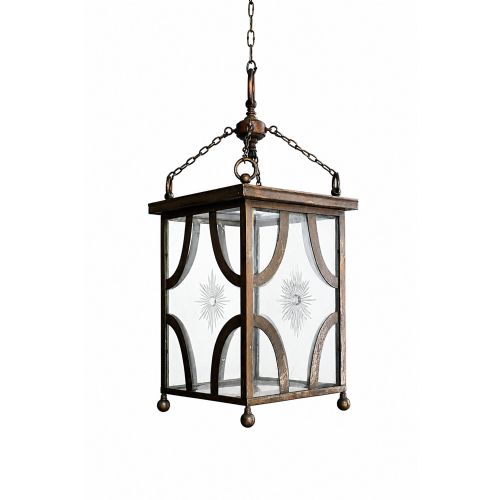
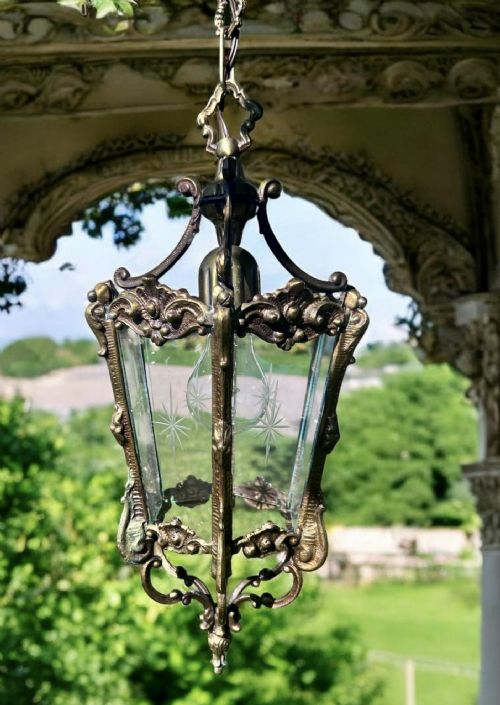
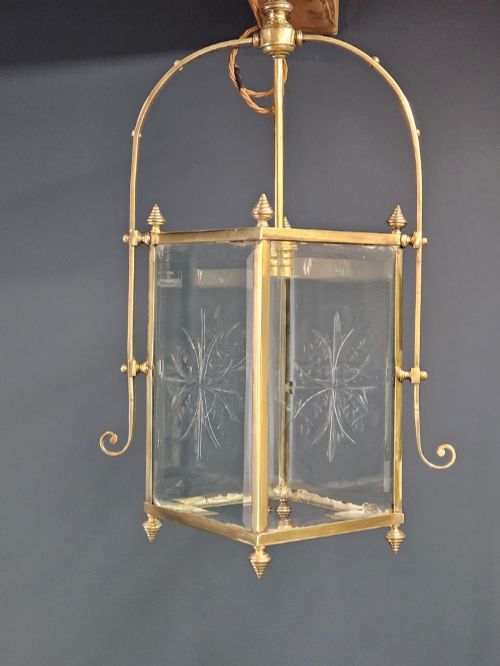
A cut glass brass lantern brings warm illumination and period character to an entrance hall, combining heavy metal frames with refractive glass.
Cut Glass Brass Lantern
A cut glass brass lantern is a hanging ceiling light designed principally for hallways, porches, and vestibules. The pieces found here span the nineteenth century, the Edwardian era, and the early twentieth century.
Buyers will most commonly encounter French and English examples configured as pendant lights, hall lanterns, or ceiling lights. These fixtures utilise robust metal frames to enclose decorative glass bodies that disperse light evenly through corridors.
Materials and construction methods
The primary structural framework relies on cast and sheet brass, bronze, and gilt bronze. Metal components are often shaped into classical or revivalist profiles to support the weight of heavy glazing.
Glass elements are worked through cutting, etching, moulding, and hand blowing. Crystal and cut glass panels or bell jars sit securely within the metal housings to refract the internal illumination.
Current listings feature pieces spanning the nineteenth century through to the 1930s, constructed from brass, bronze, cut glass, and crystal.
Understanding quality differences
Quality rests in the precision of the metal casting and the depth of the glass cutting. Heavier bronze or brass frames with crisp ornamentation separate finer workshops from standard production.
The sophistication of the glasswork dictates the higher tier of pieces. Hand-blown crystal, intricate diamond cutting, and deeply etched motifs provide superior light refraction compared to plain moulded panes.
The Cut Glass Brass Lantern Glossary
- Cut glass
- Glass decorated by grinding facets into the surface using a wheel. This technique creates sharp geometric patterns that catch and scatter light.
- Gilt bronze
- Bronze treated with a fine layer of gold gilding. This finish offers a rich, enduring metallic lustre.
- Hall lantern
- A ceiling-suspended light fixture intended specifically for corridors and entrance spaces. These fixtures direct illumination downwards and outwards.
- Etched glass
- Glass bearing designs eaten into the surface by acid or abrasives. The process yields frosted patterns that soften the bulb's glare.
- Bell jar
- A rounded, bell-shaped glass vessel enclosing a light source. It protects the mechanism while distributing ambient illumination.
Cut Glass Brass Lantern: Frequently Asked Questions
How do I hang a hall lantern safely?
These fixtures require secure ceiling anchor points capable of supporting the combined weight of the metal frame and thick glass panels. Professional installation ensures the electrical wiring meets current standards.
Most pieces suspend from matching chains or rods that can be adjusted to suit the ceiling height of your hallway or porch.
Can I use modern LED bulbs in these lanterns?
Modern low-energy and LED bulbs fit easily into vintage fittings as long as the base size matches the original lampholder. They generate less heat, which helps preserve nineteenth and early twentieth-century materials.
Choosing warm white output maintains the historical atmosphere intended by the original designers.
How do I clean cut glass panels?
Remove the glass components from the metal frame where possible to clean them safely with warm soapy water and a soft cloth. Avoid harsh chemical cleaners that might damage aged metal surfaces.
Dry the glass thoroughly before reassembling to restore its original sparkle and refractive clarity.
How do I date a brass lantern?
Stylistic clues such as Edwardian proportions or French Neoclassical motifs help narrow down the decade of manufacture. Construction methods, including hand-cut facets and patinated bronze, also indicate the period.
Examining the internal wiring components and hardware fixings provides further evidence of the item's age.