



Cut Crystal Lustres
Cut crystal lustres catch the flickering light of a room, bringing sparkle and movement to a mantelpiece.
Cut Crystal Lustres
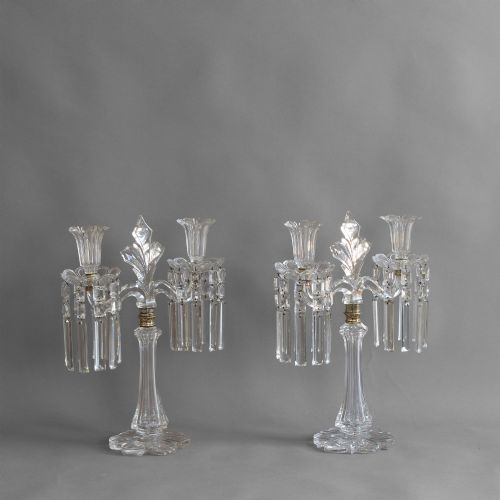
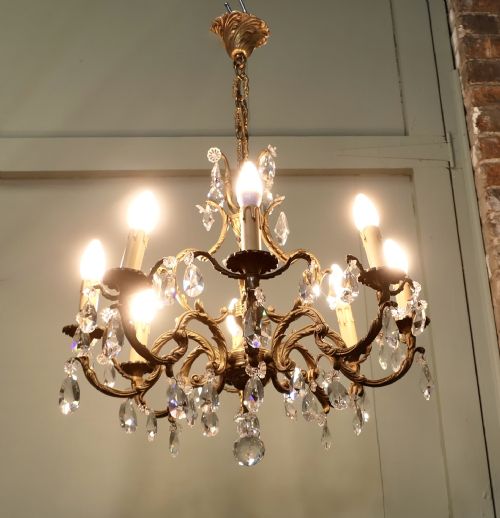
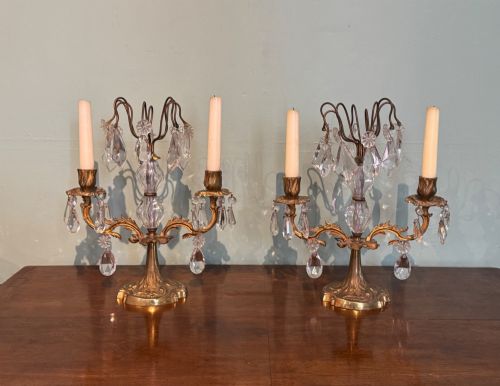
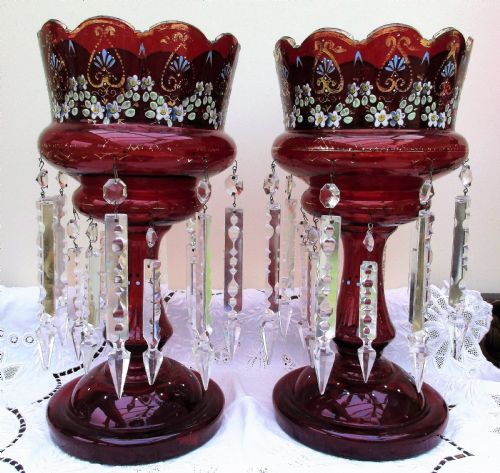
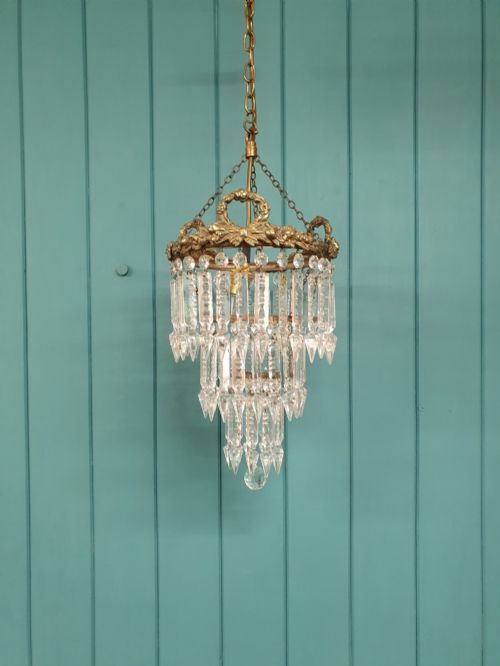
Cut crystal lustres are decorative candelabra and mantel ornaments designed to hold candles or illuminate rooms while refracting light through hanging glass prisms. When you examine cut crystal lustres on this page, you find pairs intended for mantelpieces, tables, and sideboards alongside larger lighting fixtures.
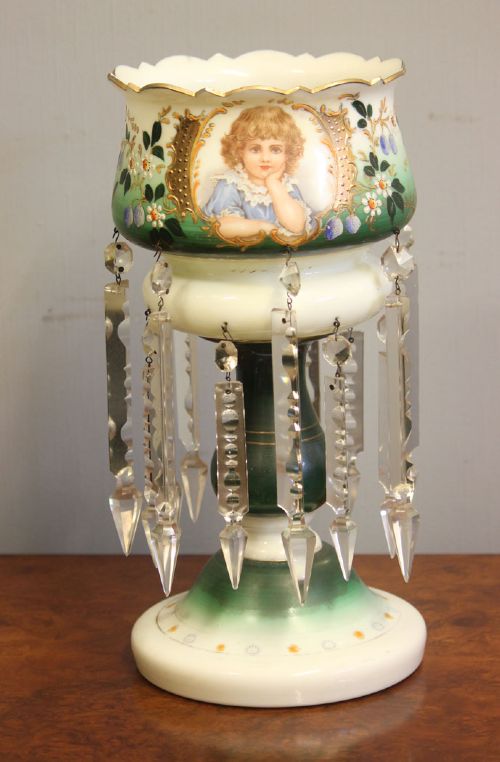
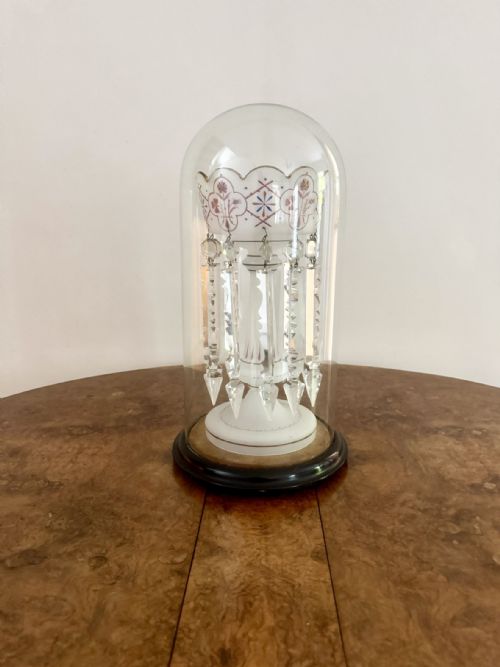
The selections span distinct periods, featuring Victorian examples in ruby, cranberry, green, and milk glass alongside earlier Regency pieces and French chateau styles. Most entries take the form of mantel lustres or table candelabra outfitted with crystal drops.
Makers and manufacturers utilised various forms, from straightforward glass candlesticks hung with prisms to elaborate gilt-brass and ormolu frames holding storm shades or multiple candle nozzles. Buyers seek these objects for their ability to brighten a room and display period craftsmanship.
How they were made
Artisans combined heavy lead glass or crystal with brass, gilt bronze, or ormolu mounts to build the structural bodies of these pieces. Glass was blown or moulded, then hand-cut with facets to maximise the reflection of light.
Hanging drops, often called prisms or icicles, were suspended from the rims using wire or metal pins attached to the main body. Coloured glass varieties, such as ruby, cranberry, and green, relied on chemical metallic oxides added during the melting process to achieve their deep hues.
Listings here feature items from the Victorian, Regency, Edwardian, and William IV periods, constructed from crystal, glass, brass, enamel, and gilt bronze.
What varies in quality
The crispness of the glass cutting and the weight of the metal mountings determine the overall standard of a piece. Finer examples display deep, sharp facets on the crystal drops and clean casting on the brass or gilt-bronze bases.
Proportion and completeness also define the grade of an item, particularly whether the hanging crystal drops match in cut and length. High-grade specimens retain their original prisms without replacement glass or mismatched components.
The Cut Crystal Lustres Glossary
- Lustre
- A decorative tabletop or mantel ornament, usually fitted with hanging glass prisms that catch and scatter light. They often incorporate candle sockets or serve as bases for lamps.
- Prism
- A cut piece of glass or crystal suspended from the rim of a lustre to refract light. Prisms come in various shapes, including spear, teardrop, and button forms.
- Ormolu
- Finely ground high-carat gold applied to a bronze or brass object using mercury amalgamation. This technique produces a rich, durable golden finish found on period French mounts.
- Overlay glass
- A glass-blowing technique where a layer of coloured glass is cased over a clear or contrasting inner layer. Artisans cut through the outer coloured layer to reveal the contrasting glass beneath.
- Cricklite
- A proprietary brand of patent table lamp and candelabra utilising specialised glass shades. These assemblies provided safe illumination using small candles.
Cut Crystal Lustres: Frequently Asked Questions
How do you clean them?
Cleaning requires removing the hanging drops and washing them individually in lukewarm soapy water. Metal components need careful dusting to preserve finishes like gilt brass or ormolu.
Harsh chemical cleaners should be avoided to protect the aged surface of both the glass and the underlying metal mounts.
Where were they placed?
These pieces traditionally occupied prominent positions on drawing-room mantelpieces, often flanked by mirrors to amplify the reflected light. They also appeared on side tables and dining room buffets.
In pairs, they created symmetrical arrangements that defined formal interior schemes during the Victorian and Regency eras.
How do you date a lustre?
Dating relies on examining the manufacturing techniques, glass colours, and metal mount styles. Regency and William IV pieces often show heavier bronze work and simpler cut glass, while Victorian examples feature vibrant cranberry or ruby hues.
The shape of the hanging prisms and the assembly methods of the metal components provide further clues to the period of origin.