
Cut Crystal Light Fixture
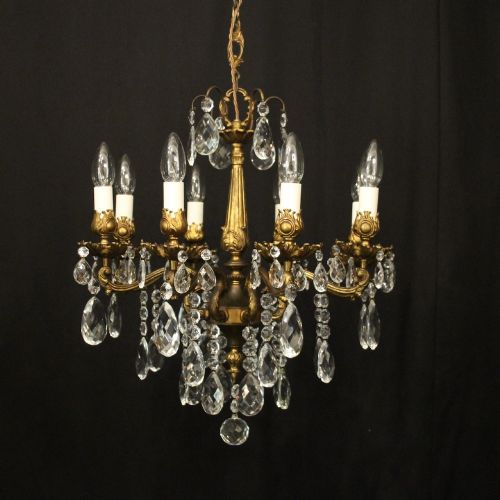
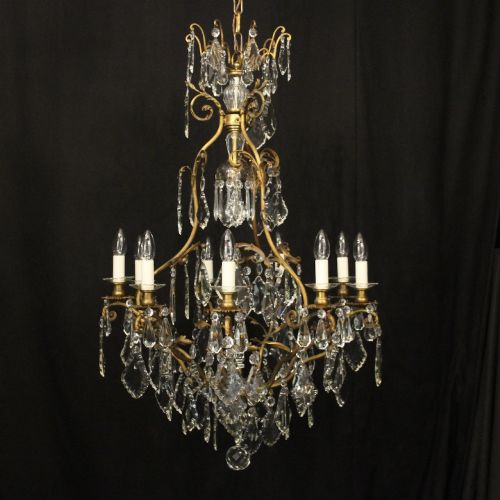
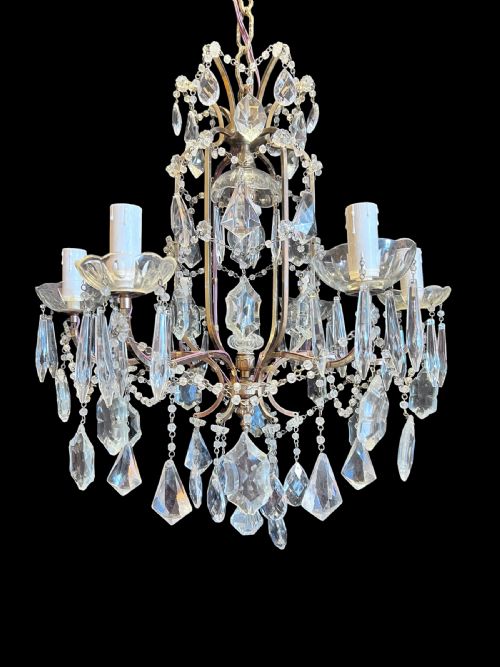
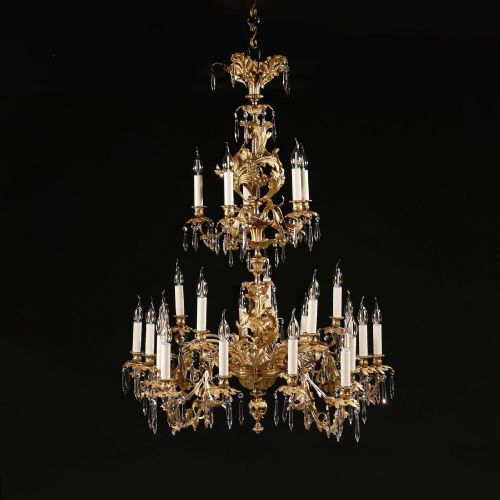
A cut crystal light fixture brings historic illumination into a room, offering sparkling refraction and period elegance.
Cut Crystal Light Fixture
When searching for a cut crystal light fixture, buyers encounter a range of historic lighting forms designed to illuminate interior spaces with reflected brilliance. These pieces originate from periods spanning the Victorian era, the Edwardian years, and the early twentieth century.
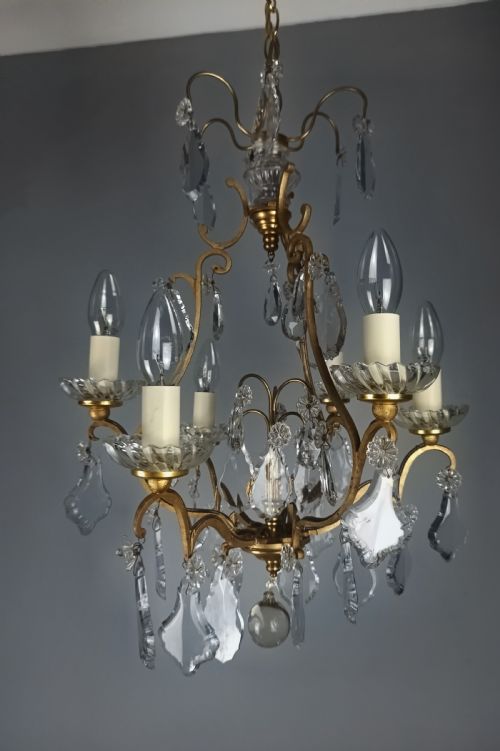
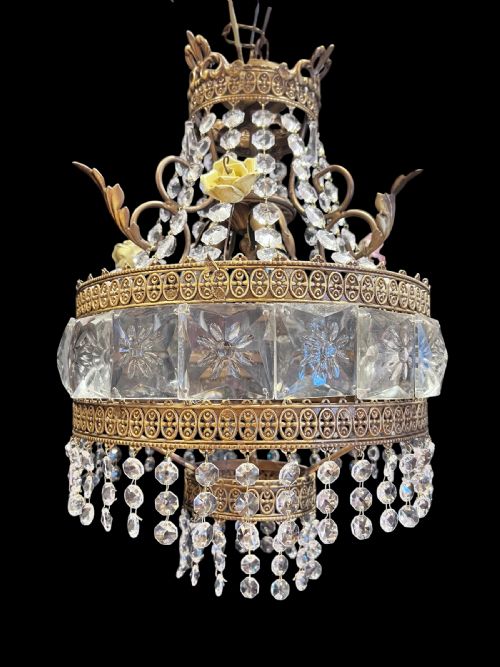
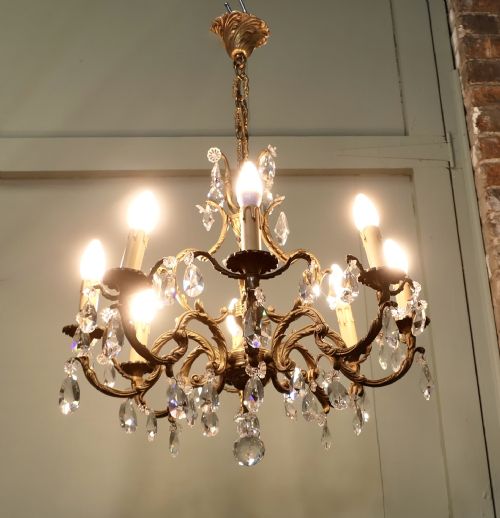
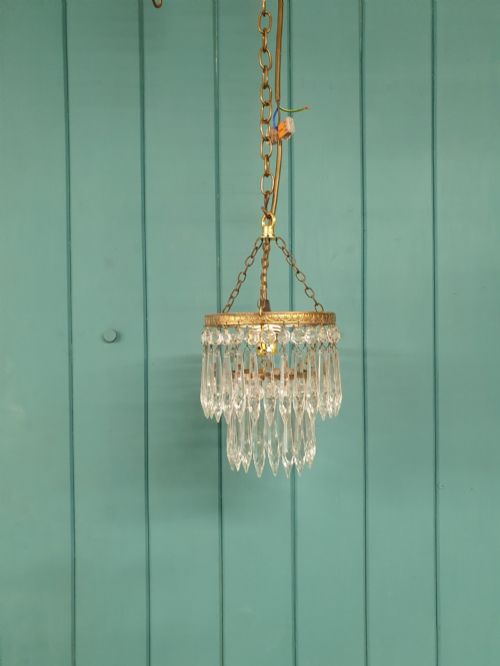
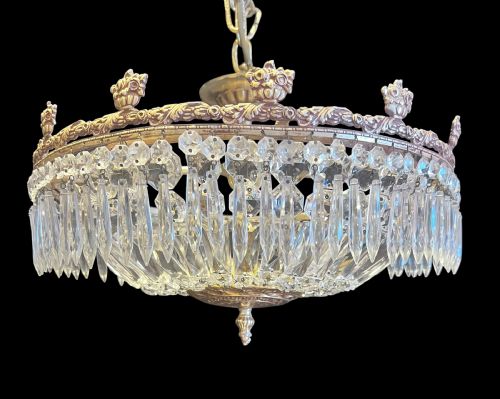
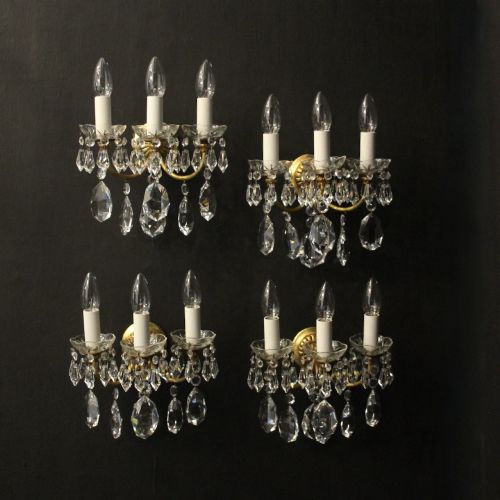
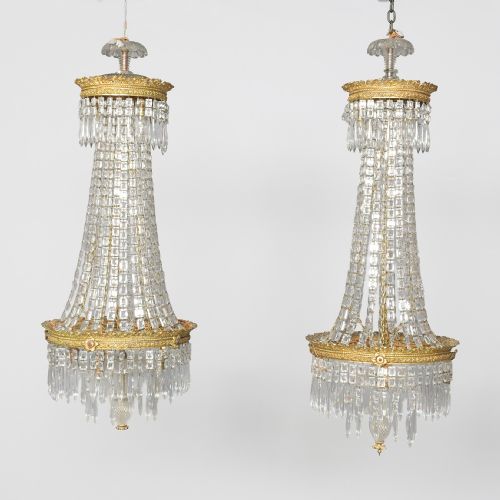
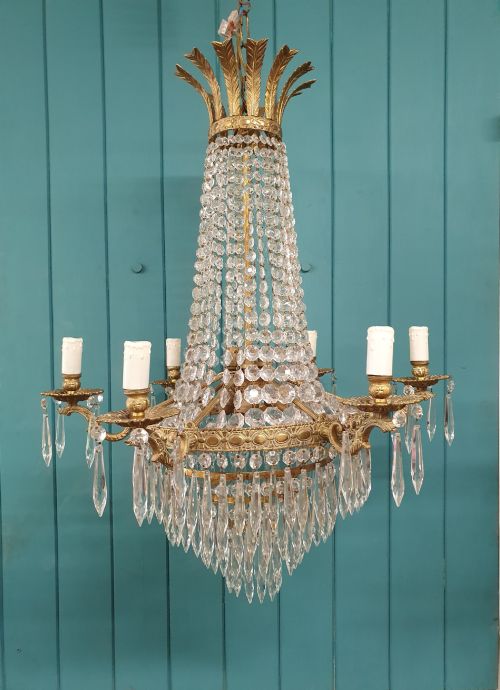
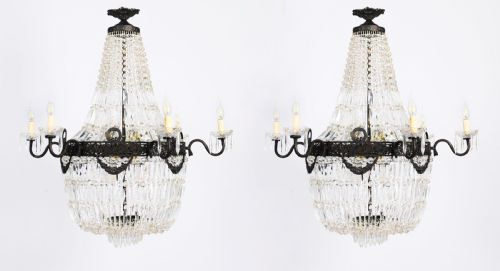
The selections available here lean heavily toward French and Italian chandeliers, ceiling lights, and wall lights. Common configurations include multi-arm birdcage chandeliers, tent and bag designs, and flush-mounted plafonniers.
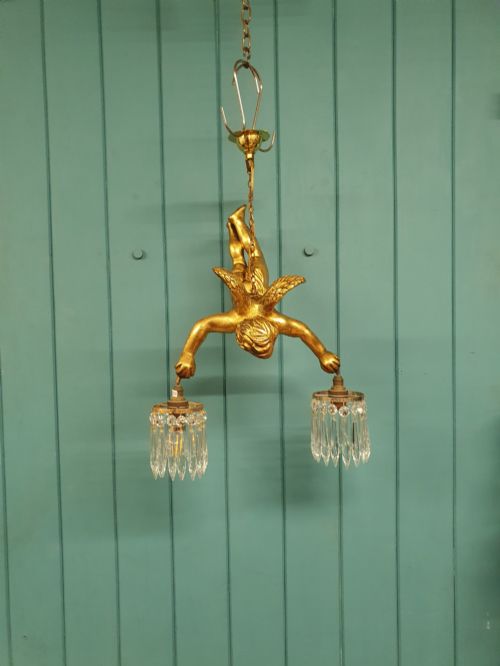
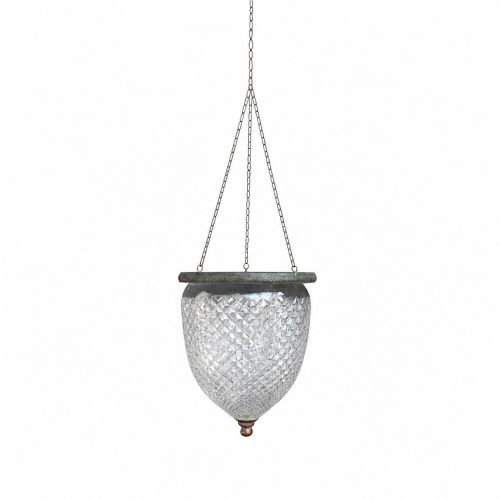
Smaller formats such as table lamps and single-light pendants also appear alongside grander multi-light fixtures. Each object utilises cut glass or crystal elements to catch and scatter light across a room.
How they were made
The physical construction of these fixtures relies on a combination of metal frames and glass components. Metal elements such as brass, gilt bronze, gilt brass, and gilt metal form the structural armature, holding the weight of the glass drops.
Crystal and cut glass are shaped into pendants, lustres, beads, and spikes, which are then wired or pinned to the frame by hand. Detail work often incorporates cast brass mounts, porcelain flowers, or gilt spelter figures to ornament the metalwork.
Listings feature pieces spanning from the nineteenth century through the Edwardian era up to the 1930s.
What varies in quality
Quality in these lighting fixtures is determined by the clarity of the crystal and the precision of the cutting. Finer pieces display sharp facets that refract light cleanly, whereas lesser examples use simpler, pressed glass with softer edges.
The construction of the metal frame also distinguishes the grade of an object. Solid cast bronze or heavy gilt brass frames with intricate chased details separate high-end pieces from simpler, lighter metal structures.
The Cut Crystal Light Fixture Glossary
- Plafonnier
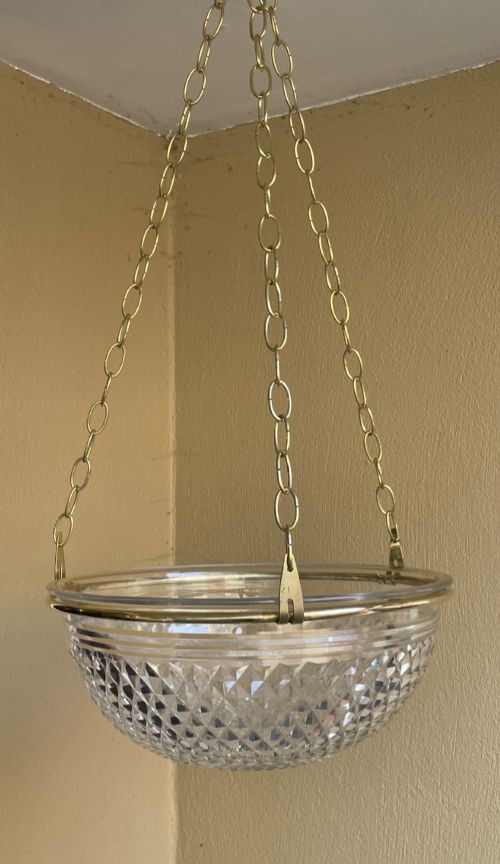
- A ceiling light that sits flush or close to the ceiling surface rather than hanging on a long drop. These fixtures often feature a glass bowl or a shallow brass frame holding cut crystal drops.
- Birdcage chandelier
- A lighting fixture featuring a curved metal framework that resembles the shape of an avian cage. Crystal strands drape across the vertical ribs to create a rounded silhouette.
- Tent and bag chandelier
- A style defined by an upper conical section of strings of beads resembling a tent, descending into a gathered bag shape beneath. This form became popular in French lighting designs.
- Lustre
- A cut glass or crystal pendant hung from the arms or frame of a light fixture. Lustres move slightly with air currents to catch ambient illumination.
- Spelter
- An alloy of zinc and lead used as a cheaper alternative to bronze for cast decorative figures. It is frequently found gilded on Edwardian and early twentieth-century pieces.
Cut Crystal Light Fixture: Frequently Asked Questions
How do I clean a cut crystal light fixture?
Maintenance requires gentle washing of the glass components in situ using warm water and a mild cleaning solution. Each crystal drop should be dried individually with a lint-free cloth to restore its refractive clarity without disturbing the internal wiring.
Harsh chemical sprays should be avoided because they can damage the gilt finish on the brass or bronze frames. Professional conservation may be needed for fragile antique wiring and delicate metal mounts.
Are these lights compatible with modern electrical systems?
Most antique fixtures are adapted to fit standard modern electrical wiring and bulb fittings during restoration. Local electricians can usually install these pieces safely using standard ceiling brackets.
Lower-wattage LED bulbs that mimic the warm glow of historic candles are often recommended to protect the glass from excess heat. Buyers should check the weight capacity of their ceiling before hanging larger multi-arm chandeliers.
What rooms suit a tent and bag chandelier?
These decorative fixtures work well in dining rooms, entrance halls, or drawing rooms with adequate ceiling height. Their reflective crystal drops help to brighten darker corners by scattering light in multiple directions.
Smaller plafonniers or single-light fixtures are better suited to hallways, bedrooms, or lower ceilings where a hanging drop would obstruct movement.
How can I tell the period of a fixture?
Dating relies on stylistic clues, manufacturing techniques, and the types of metal used in the frame. Edwardian and 1930s pieces often incorporate specific brass stampings and machine-cut crystal profiles distinct from earlier Victorian examples.
Comparing the drop shapes, frame patination, and mounting fixings helps narrow down the decade of manufacture. Consulting the listed periods across similar surviving items provides a reliable comparative baseline.