
Cut Crystal Glass Dish
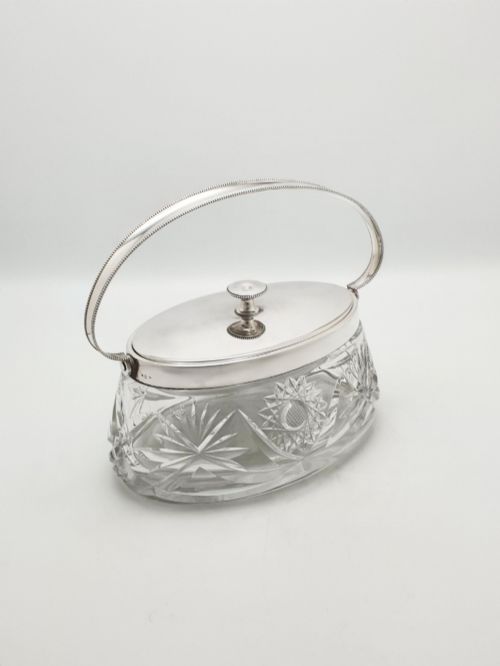
A cut crystal glass dish brings light and weight to a table, combining heavy refraction with decorative metal mounts.
Cut Crystal Glass Dish
A cut crystal glass dish covers a broad family of domestic objects, ranging from heavy fruit bowls and serving vessels to lidded trinket boxes and butter dishes. When searching for a cut crystal glass dish, buyers encounter items produced across the Victorian, Edwardian, and Art Deco periods, alongside earlier Georgian examples.
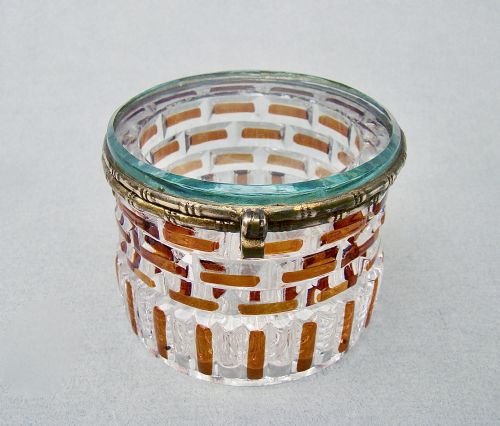
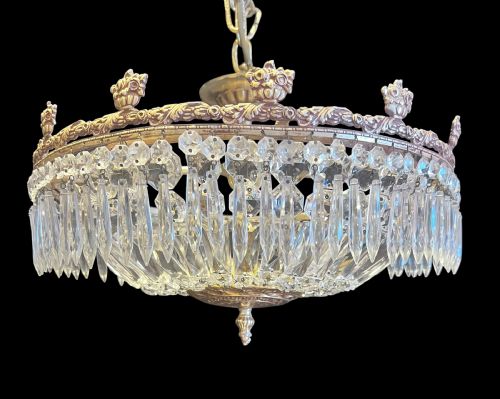
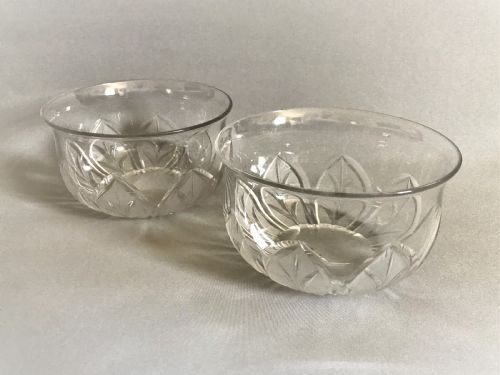
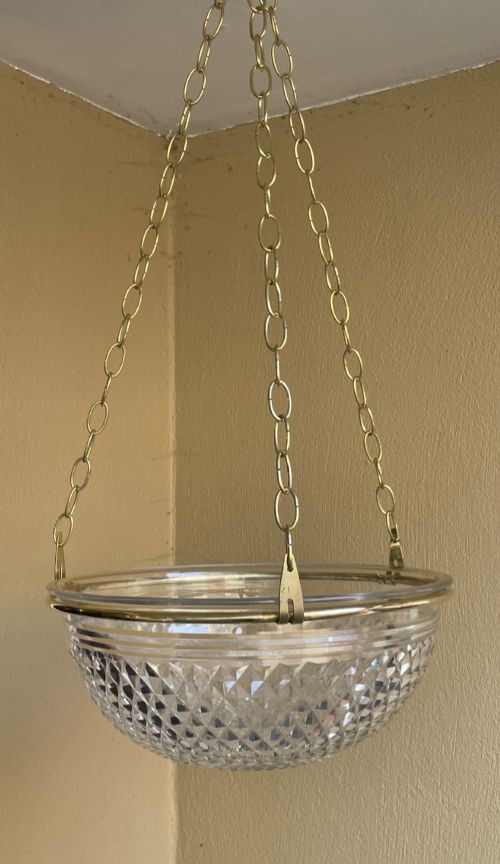
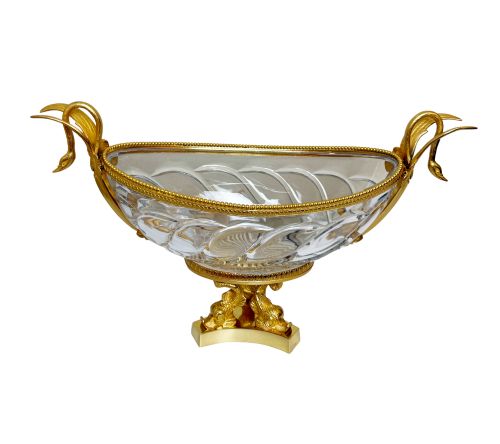
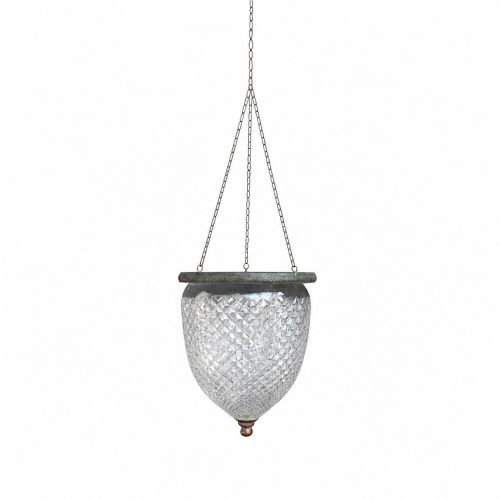
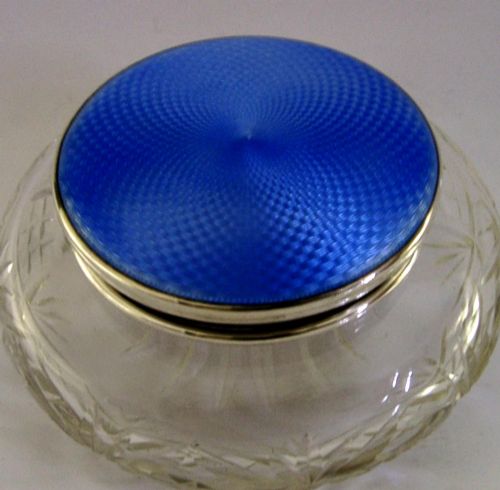
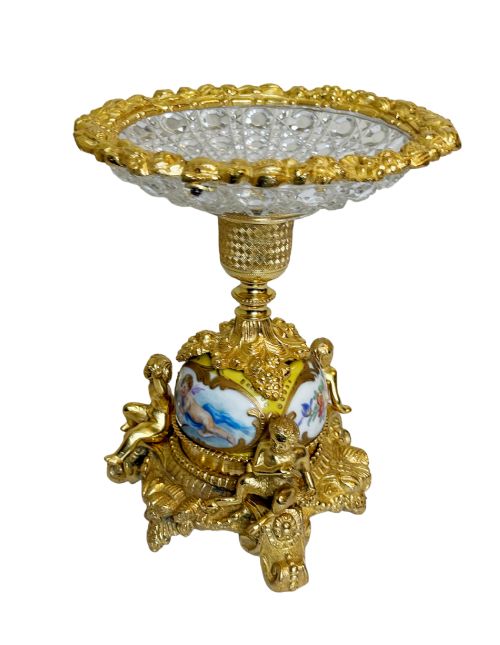
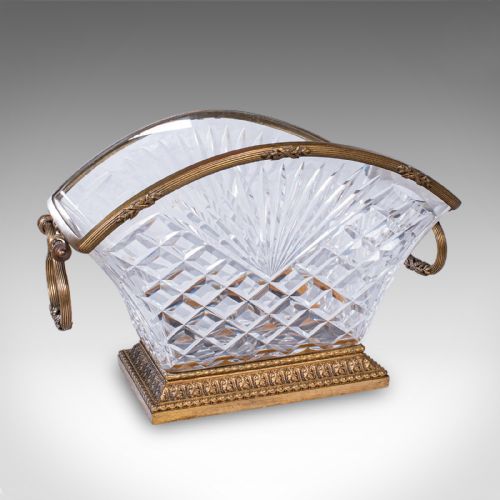
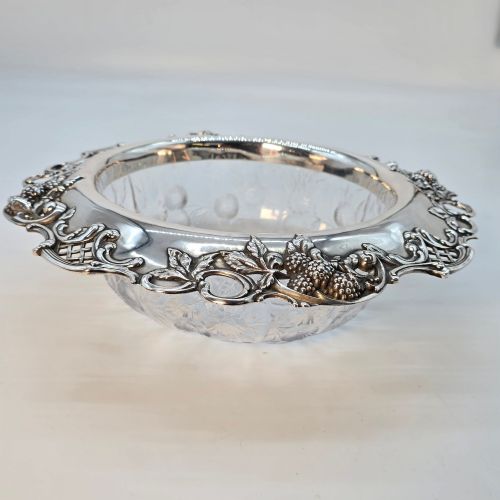
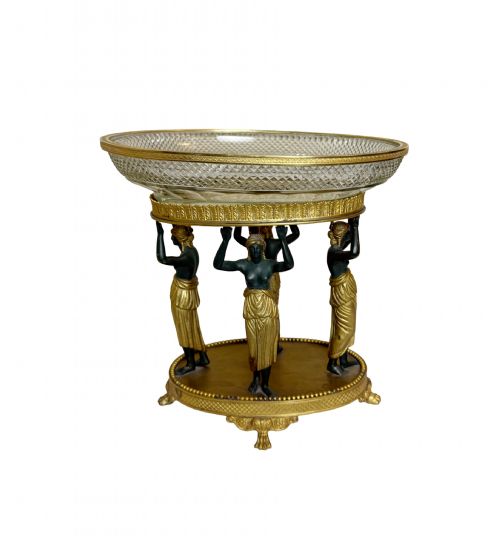
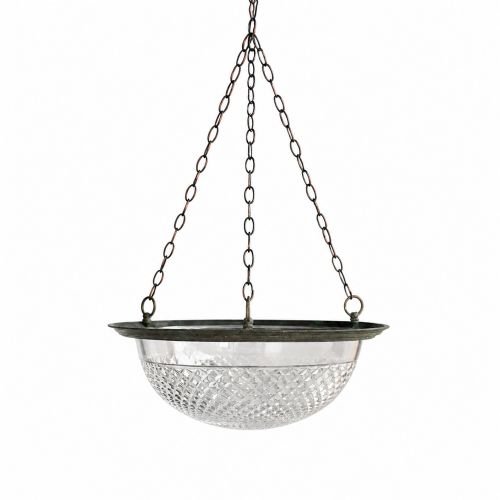
The domestic forms vary from small finger bowls and relish caddies to grand table centrepieces and ceiling plafonniers. Many examples integrate mixed media, pairing cut glass with silver plate, sterling silver, gilt bronze, or brass mounts.
Originating largely from English, French, and Bohemian workshops, these items reflect both utilitarian dining traditions and decorative display. The surviving pieces demonstrate the evolution of glass-cutting techniques and metal framing from the nineteenth century into the twentieth century.
How They Were Made
The manufacture of these pieces relies on heavy lead crystal or standard glass blanks shaped by blowing or pressing before being subjected to wheel-cutting. Artisans cut geometric facets, flutes, and frosted details into the clear or coloured material to maximise light refraction.
Metal components such as ormolu, gilt bronze, brass, and silver plate are cast and chased to support or enclose the glass bowls and boxes. Many items unite these elements through hinged mounts, handles, or elaborate frames secured directly to the glass body.
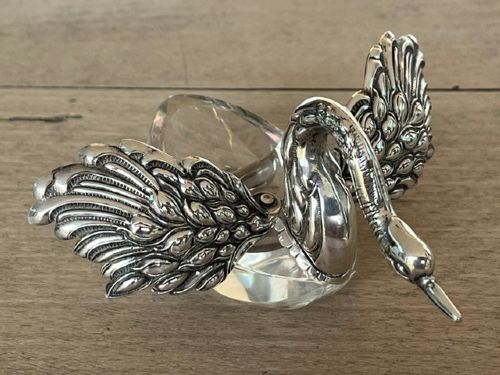
Several Victorian dishes take the form of swimming swans with movable metal wings, ready to glide across the dining table.
What Varies in Quality
The clarity and weight of the crystal set the foundation for the piece, where high lead content produces deeper resonance and sharper light reflection. Crispness in the wheel-cut facets separates standard production from finer craftsmanship, with precise edges and smooth polishing indicating skilled execution.
The quality of the metal mounts, including cast bronze, silver plate, or enamel work, dictates the overall refinement of the object. Heavier mountings with detailed chasing or maker signatures demonstrate superior coordination between the glass cutter and the metalworker.
Tiffany and Co·Val St Lambert·Posen of Frankfurt
The Cut Crystal Glass Dish Glossary
- Plafonnier
- A ceiling light fitting mounted flush or close to the ceiling, frequently incorporating cut glass bowls and brass frames.
- Ormolu
- Gilt bronze mounted on decorative objects, providing a rich metallic contrast to cut crystal and glass vessels.
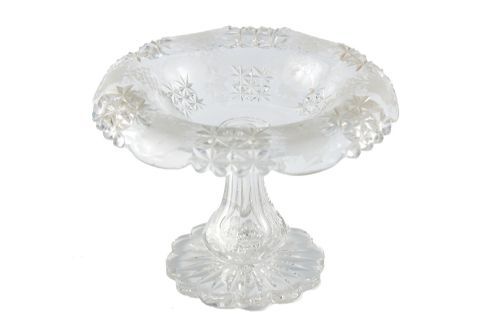
- Tazza
- An ornate shallow cup or bowl raised on a stem and foot, used historically for serving fruit or small dishes.
- Finger Bowl
- A small bowl filled with water, placed on the table during formal meals for rinsing fingers between courses.
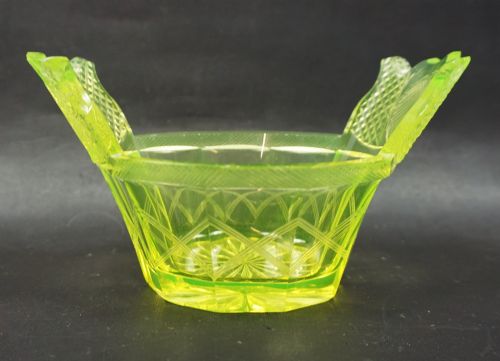
- Uranium Glass
- Glass containing uranium oxide, which produces a distinctive yellow or green colour and glows under ultraviolet light.
Cut Crystal Glass Dish: Frequently Asked Questions
How do I clean an antique crystal dish?
Wash the glass gently in lukewarm water with mild soap, avoiding sudden temperature changes that might crack the material. Dry it immediately with a soft lint-free cloth to restore the clarity of the cut facets.
Keep abrasive pads away from any silver or gilt bronze mounts attached to the glass. Clean the metal parts separately using appropriate polishes recommended for silver or bronze.
Were these dishes used for food?
Many of these items served specific culinary functions on the dining table, such as holding butter, fruit, relish, or jellies. Others were designed as finger bowls for use between formal courses.
Lidded boxes and trinket jars served non-culinary purposes on dressing tables and desks. Their uses shifted depending on whether the vessel featured metal mounts or airtight hinged lids.
How do I date a cut glass piece?
Examine the style of the glass cutting and the overall silhouette, which often align with Victorian, Edwardian, or Art Deco design periods. Heavy, deep-cut geometric patterns frequently point towards the nineteenth century.
Look for hallmarks on accompanying silver mounts or factory marks on the glass base. Metal mounts and maker stamps offer the most reliable clues for narrowing down the production decade.
What is the difference between glass and crystal?
Crystal contains lead oxide, which adds weight, increases the refractive index, and allows for deeper, sharper cuts. Standard glass lacks this lead content and feels lighter in the hand.
Objects made of lead crystal produce a clear ringing sound when tapped gently. This material property enabled nineteenth-century makers to achieve brilliant light dispersion across complex cut patterns.