
Cut Crystal Glass Bowl
A cut crystal glass bowl brings weight and sharp refraction to a room, offering the clear ring and deep facets of nineteenth and twentieth-century tableware.
Cut Crystal Glass Bowl
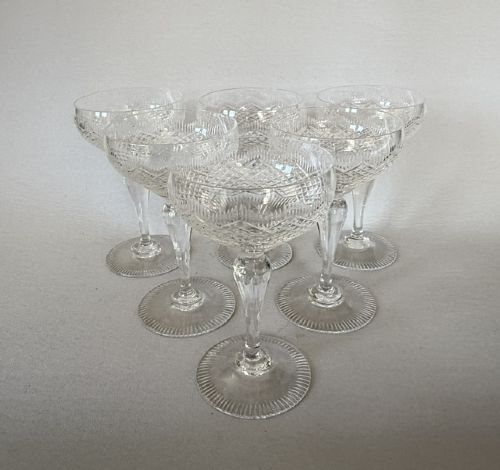
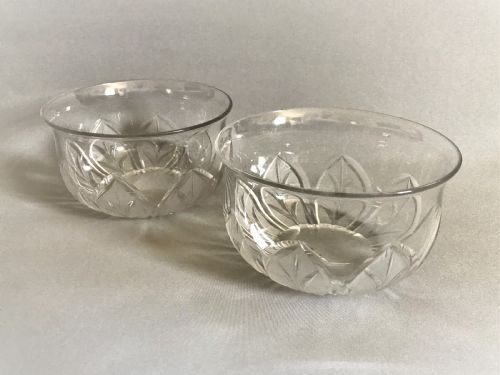
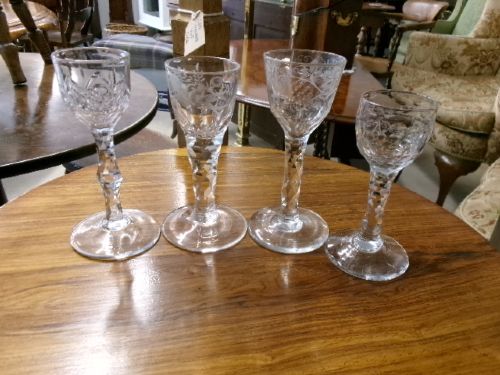
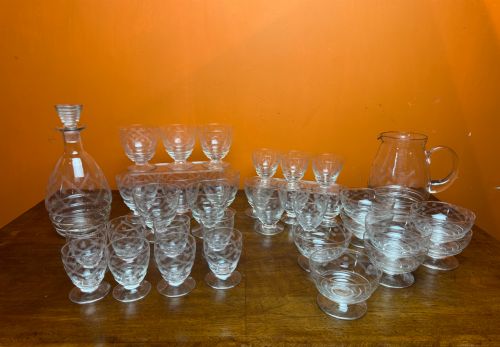
A cut crystal glass bowl spans utilitarian vessels, finger bowls, and grand centrepieces designed for the table or sideboard. These objects emerge from periods ranging through the Georgian era, the Victorian and Edwardian decades, and the Art Deco years.
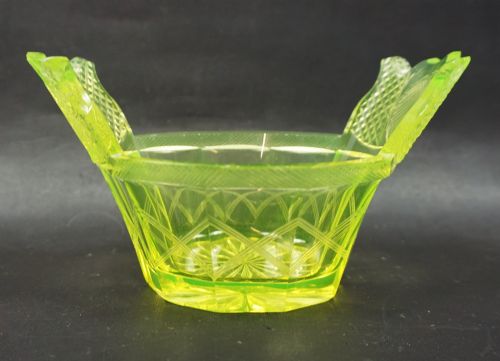
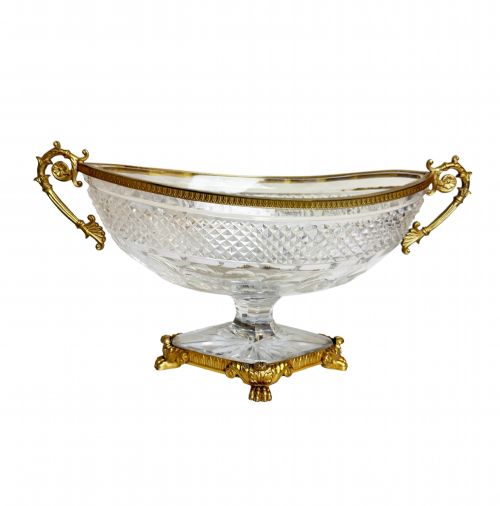
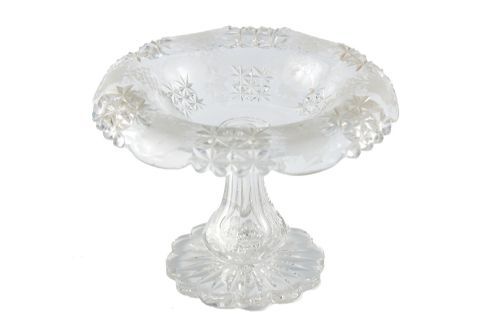
The versions most commonly met on this page include heavy Victorian pedestal bowls, Edwardian serving dishes, and colourful Art Deco pieces shaped in Belgium or Britain. Many incorporate metal mounts in brass, silver plate, or gilt bronze to support the glass body.
How they were made
Makers shaped lead crystal and cut glass by blowing or pressing the molten material before applying wheel-cut facets, flutes, and stars. Heavy lead content allowed deeper cutting and a brighter, clearer finish.
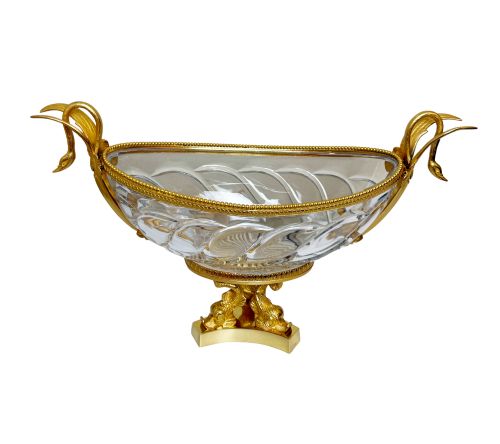
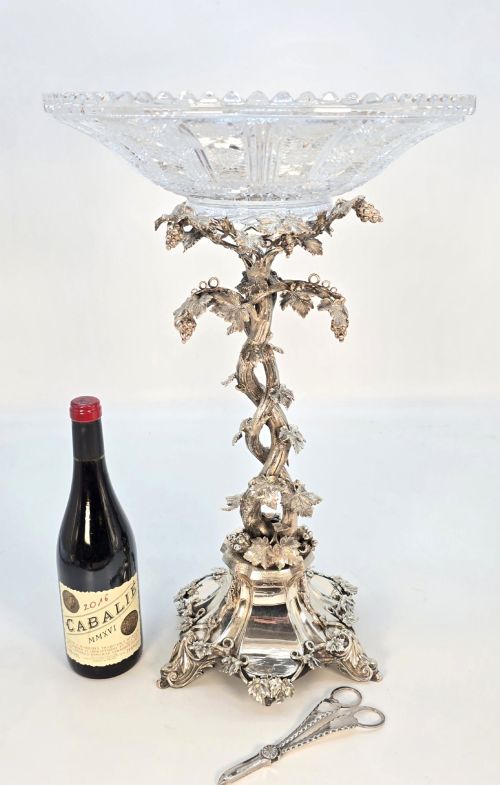
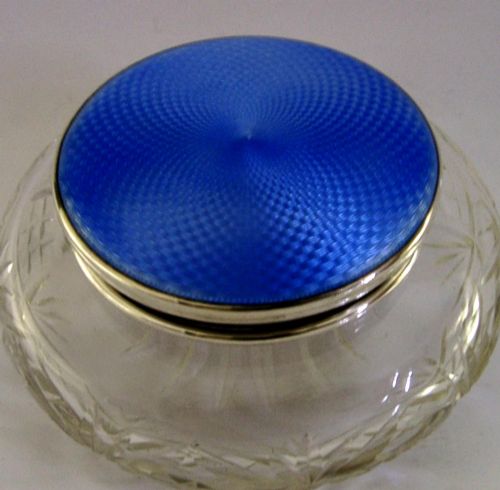
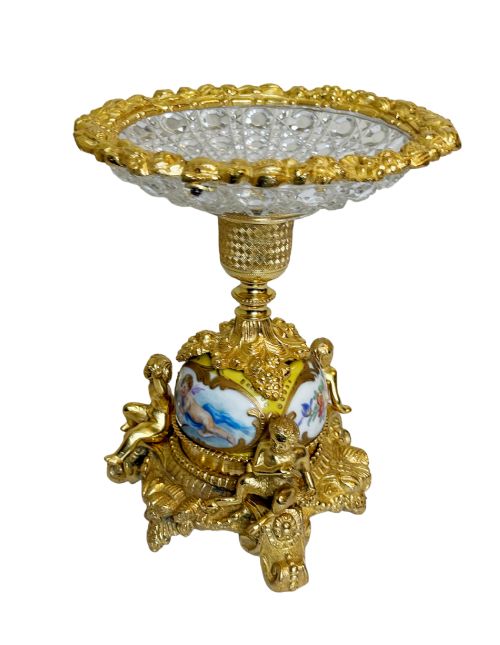
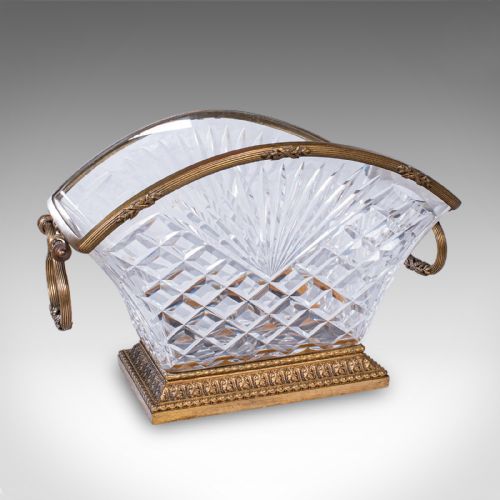
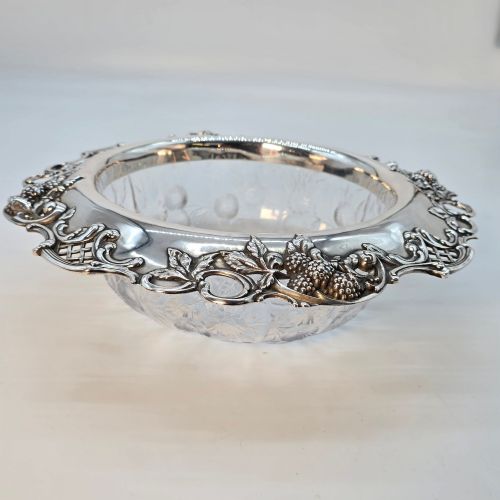
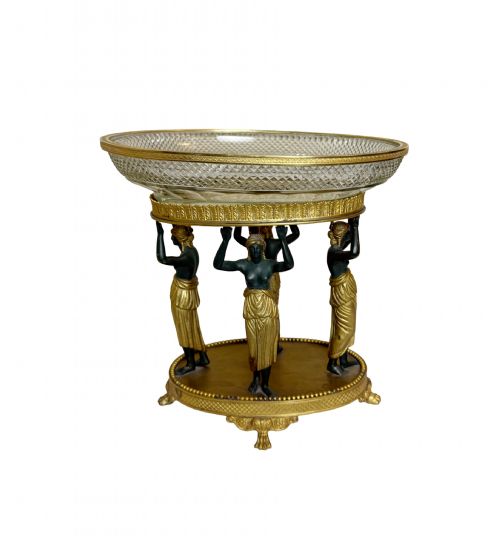
Many examples combine the glass body with metal components such as sterling silver rims, ormolu stands, and gilt bronze frames cast with cherubs or foliage. Overlay techniques introduced layers of coloured glass over clear cores, which cutters then sliced through to expose contrasting patterns.
Listings feature items from the Georgian, Victorian, Edwardian, and Art Deco periods, incorporating lead crystal, gilt bronze, and sterling silver.
What varies in quality
The clarity and weight of the metal content set the foundation for a superior object, alongside the crispness and depth of the wheel-cut facets. Sharp, clean edges on the pattern indicate skilled hand-cutting rather than soft, moulded impressions.
The integration of secondary materials defines the upper tier of the range. Finely chased gilt bronze mounts, heavy sterling silver rims, and robust structural proportions elevate a simple vessel into a substantial decorative work.
Tiffany and Co·Stuart Crystal·Val St Lambert·Joseph Simon·Ludwig Kny
The Cut Crystal Glass Bowl Glossary
- Lead crystal
- Glass containing a significant proportion of lead oxide, which increases density, weight, and light refraction. This material produces a clear, resonant ring when struck gently.
- Hobnail cut
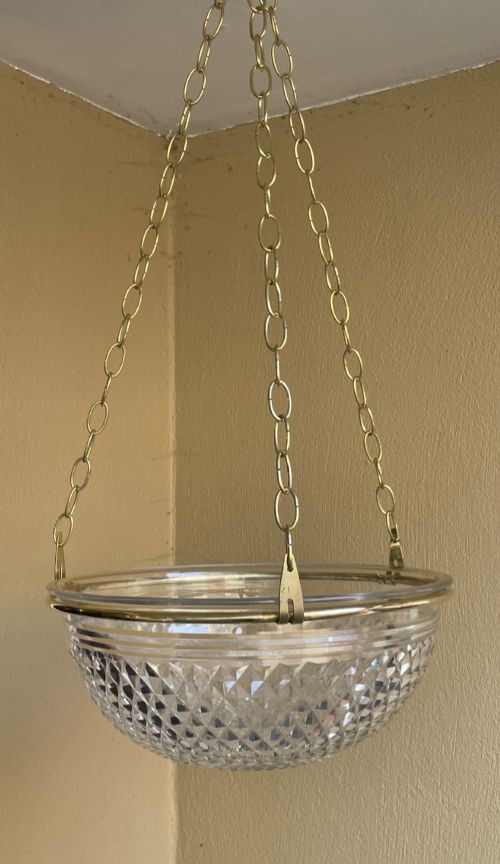
- A raised, faceted surface pattern resembling the iron nails once used on heavy boots. It creates a highly textured exterior that catches light from multiple angles.
- Plafonnier
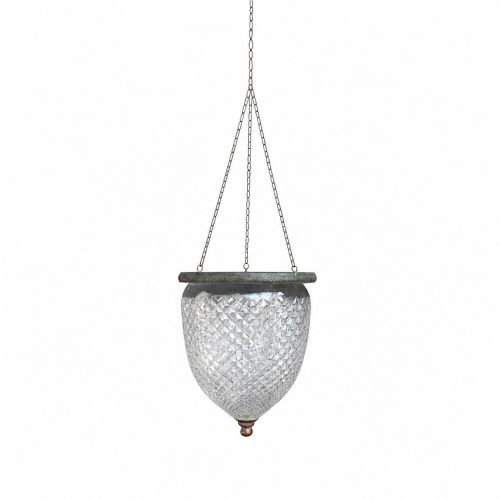
- A ceiling-mounted bowl light fixture, often made of cut or frosted glass. These fixtures diffuse light downwards into a room.
- Overlay
- A technique involving layers of different coloured glass fused together. The outer layer is partially cut away to reveal the contrasting colour underneath.
- Ormolu
- Gilt bronze ornamentation applied to furniture and decorative objects. It provides a bright golden contrast against clear or coloured glass.
Cut Crystal Glass Bowl: Frequently Asked Questions
How do I clean an old crystal bowl?
Wash the vessel by hand in warm water using a mild detergent, placing a towel in the bottom of the sink to prevent chipping. Avoid extreme temperature changes which can crack antique glass.
Dry the piece immediately with a lint-free cloth to maintain the clarity of the cut facets and any metal mounts.
Were these bowls used for serving food?
Many examples served functional roles on the dining table, holding fruit, butter, condiments, or water for fingers between courses. Others functioned purely as decorative centrepieces.
Heavier footed bowls and baskets suited heavy contents like fruit, while smaller dishes held delicate items.
How do I tell Georgian cut glass apart from Victorian?
Georgian pieces often display a greyer tone in the metal and simpler, broader cutting styles such as flutes and shallow facets. The forms tend to reflect neoclassical proportions.
Victorian and later examples frequently feature heavier lead crystal, brighter refractive qualities, and denser patterns like hobnail or diamond cuts.
What is overlay glass?
Overlay glass consists of a clear or contrasting glass body encased in one or more layers of coloured glass. Artisans cut through the outer layer to expose the base material underneath.
This method creates strong contrast between the clear facets and saturated colours like cobalt blue or deep red.