

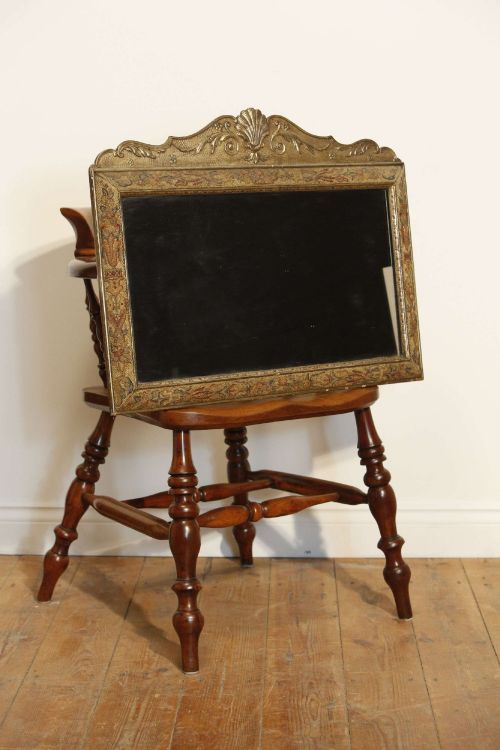
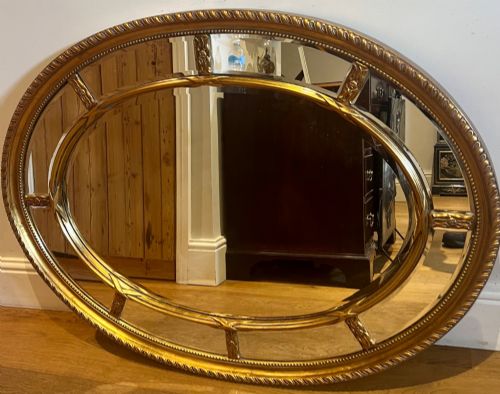
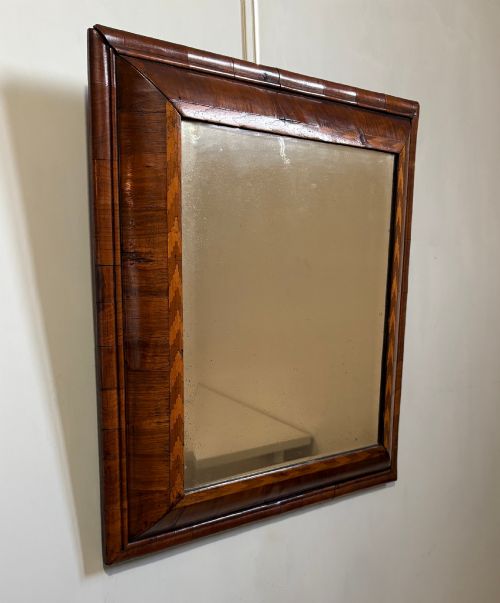
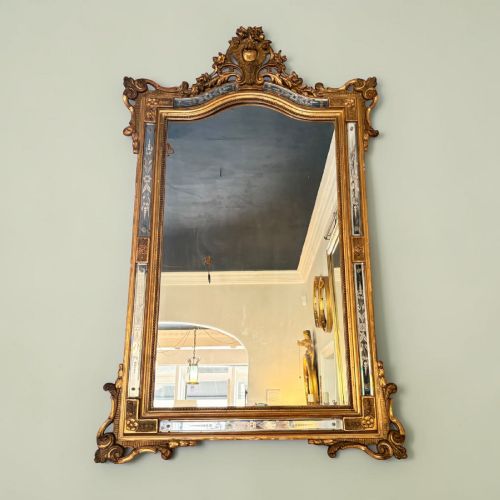
Cushioned Frame Mirror
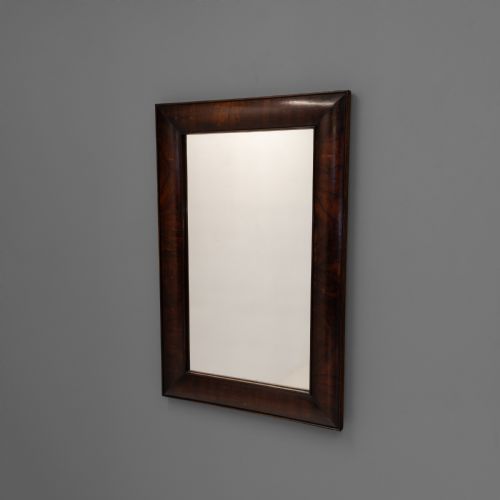
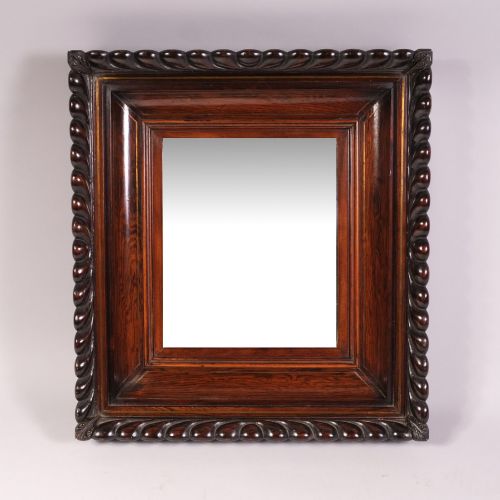
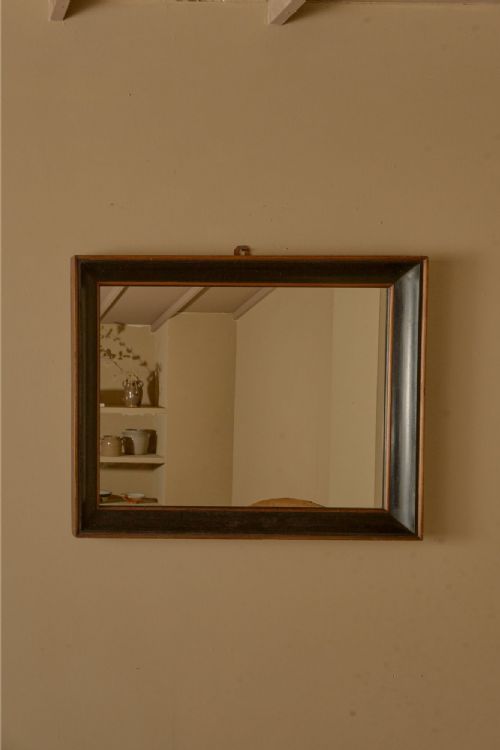
A cushioned frame mirror brings depth and texture to a room through its distinctively rounded, projecting profile.
Cushioned Frame Mirror
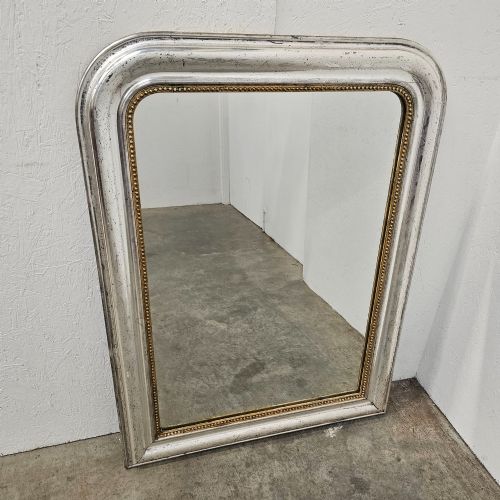
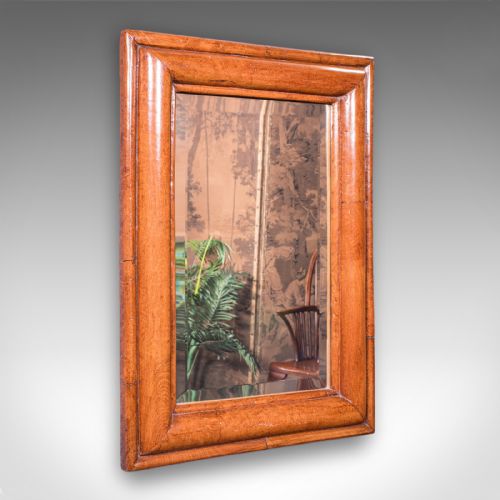
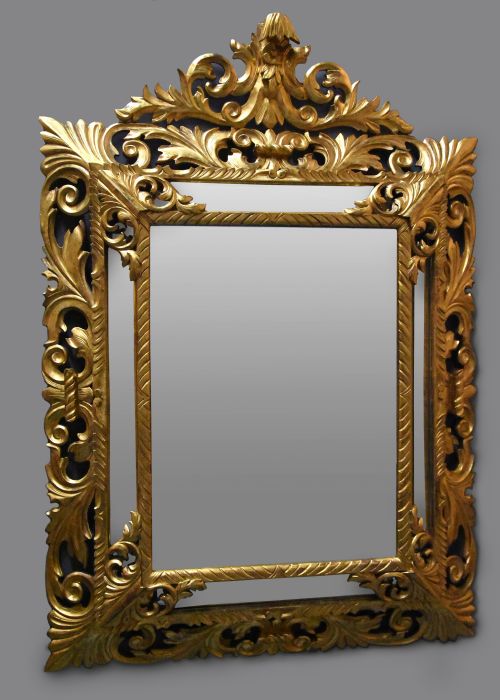
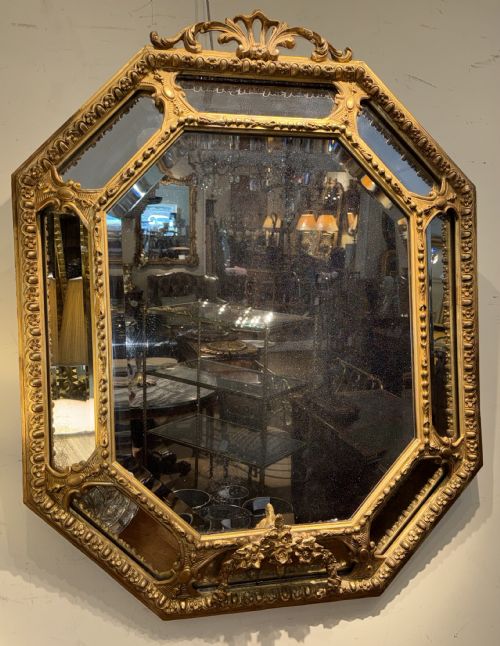
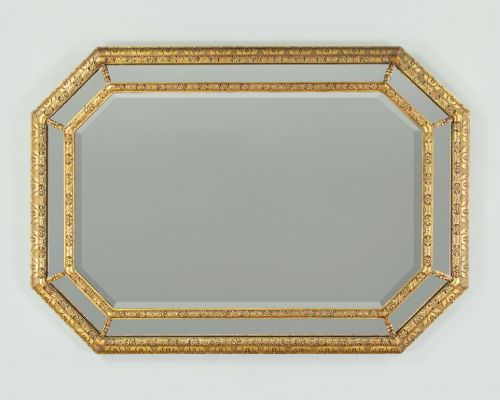
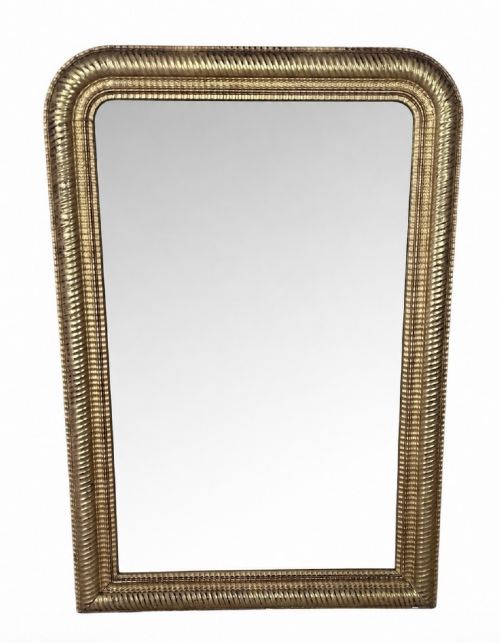
A cushioned frame mirror is a wall hanging defined by a convex, swelling moulding that slopes inward toward the glass plate. Buyers searching for a cushioned frame mirror typically encounter examples originating from the seventeenth century onward, spanning periods such as the Victorian era, the Edwardian period, and the eighteenth century.
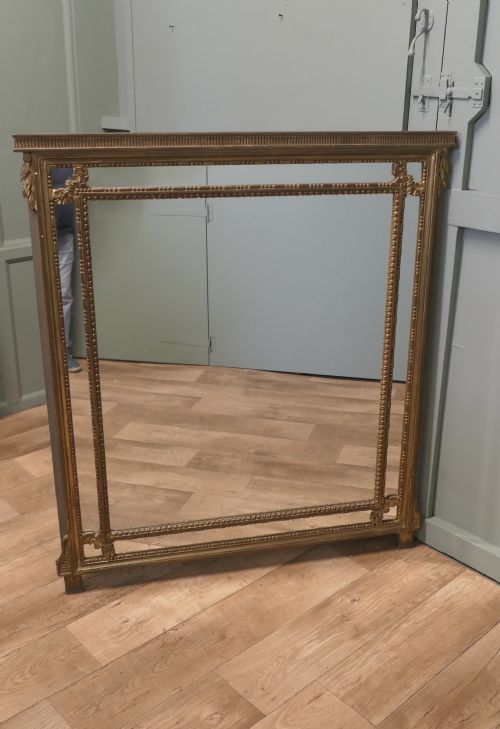
The form appears in various configurations, including substantial overmantel mirrors, wall mirrors, and reception hall vanity mirrors. Many pieces show distinct regional characteristics, drawing from French, Italian, Dutch, and English workshop traditions.
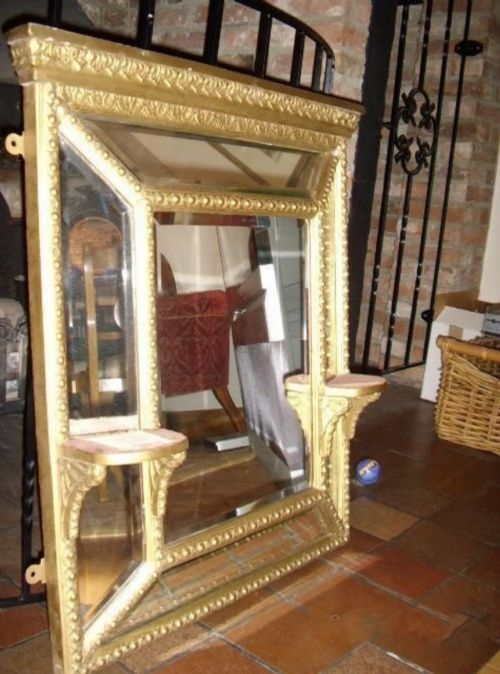
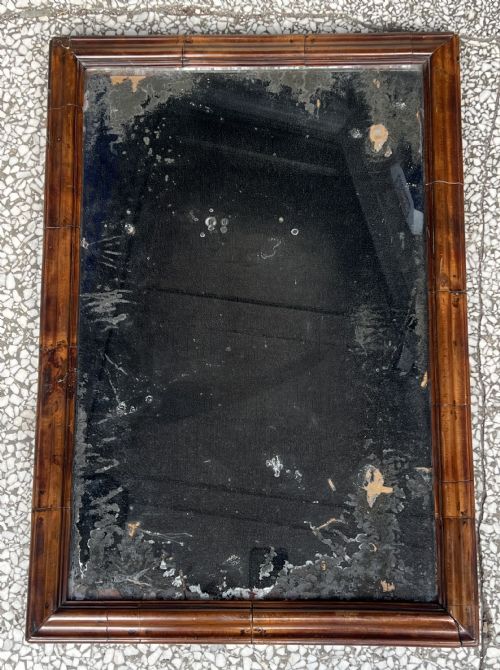
Surviving examples range from restrained walnut and mahogany constructions to decorative pieces adorned with gilding, gesso, marquetry inlay, and embossed metal sheathing. The profile creates a strong architectural presence on a wall, catching and reflecting ambient light from multiple angles due to the curved frame surface.
How they were made
Makers constructed the characteristic profile of a cushioned frame mirror using solid timbers such as walnut, oak, and mahogany, often building up the rounded shape with applied mouldings or carved wood blocks. Substrates were frequently finished with gesso before being gilded with gold leaf or painted.
Metal-clad variants utilised sheets of brass or copper, embossed and repoussé worked with floral or figurative motifs, then secured over a wooden core. Glass plates were traditionally hand-silvered and sometimes bevel-cut at the margins or etched with delicate patterns.
Cushioned Frame Mirror Retail Price Guide 2026
Typical asking prices for cushioned frame mirror among the pieces listed under this phrase on Sellingantiques today, from the lower quarter to the upper quarter. They describe what is for sale here now, not the wider market.
Some nineteenth-century French ripple frames use wave-like mouldings designed to disorient the viewer pleasantly by multiplying reflections across the curved wooden swells.
What varies in quality
Quality in a cushioned frame mirror rests upon the depth and crispness of the carved or moulded wooden profile and the integrity of the surface finish. Finer examples display meticulous marquetry inlay, detailed repoussé work in metal, or deeply layered hand-applied gilding that retains its original warmth.
The proportion between the expansive frame and the central mirror glass dictates the visual balance of the piece. Superior construction is evident in the joinery of the frame corners and the retention of original mirror plates, which show the characteristic soft distortion and ageing of historic glass.
The Cushioned Frame Mirror Glossary
- Cushion mirror
- A wall mirror featuring a broad, convex frame moulding that swells outward from the wall toward the glass plate. This profile became particularly popular during the seventeenth century and saw revivals in the nineteenth century.
- Giltwood
- Timber that has been coated with fine layers of gesso and covered with gold leaf. This finish reacts to light by producing a soft, warm luminescence rather than a harsh metallic glare.
- Repoussé
- A metalworking technique where the metal is hammered from the reverse side to form a raised design in relief. It is frequently seen on brass frames from Dutch and Flemish traditions.
- Marquetry
- The art of applying decorative pieces of veneer to a structure to form intricate geometric or floral patterns. Walnut and burr timbers were often utilised in this manner for high-status frames.
- Bevelled glass
- A mirror plate with edges ground and polished at an angle to catch the light. This technique adds a decorative border effect to the perimeter of the reflection.
Cushioned Frame Mirror: Frequently Asked Questions
How do I hang a heavy cushioned frame mirror?
These pieces require secure wall fixings distributed across the main structural frame rather than relying on a single central wire. Professional wall anchors suited to the specific wall construction ensure the weight is supported safely.
Positioning the piece at eye level allows the convex frame to catch light effectively while maintaining proper balance within the room's proportions.
How do I clean a historic mirror frame?
Dusting gently with a dry, soft brush prevents particle buildup in the crevices of carved wood or embossed metal. Moisture and chemical cleaners must be avoided to protect aged gilding and historic finishes.
Glass plates can be wiped sparingly with a microfiber cloth and a mild glass cleaning solution, taking care not to let liquid seep behind the frame edges.
Are these mirrors suitable for bathrooms?
Historic frames constructed from wood, gesso, or metal are sensitive to high humidity and temperature fluctuations. Placing them in damp environments risks warping the timber and degrading the silvering behind the glass.
Dry interior spaces such as hallways, living rooms, and bedrooms provide a stable environment that preserves the materials of the frame.
How can I tell an older frame from a later revival?
Examining the construction methods on the reverse reveals tool marks, timber shrinkage, and fastener types consistent with specific periods. Older frames often utilise hand-cut fixings and native woods appropriate to their stated era.
Stilistic details such as the sharpness of the gesso moulding and the ageing patterns within the mirror glass provide further clues to the manufacturing date.