

Curved Wooden Chest Drawers
These curved wooden chest drawers combine generous storage with elegant sweeping fronts, offering both utility and strong decorative presence for traditional rooms.
Curved Wooden Chest Drawers
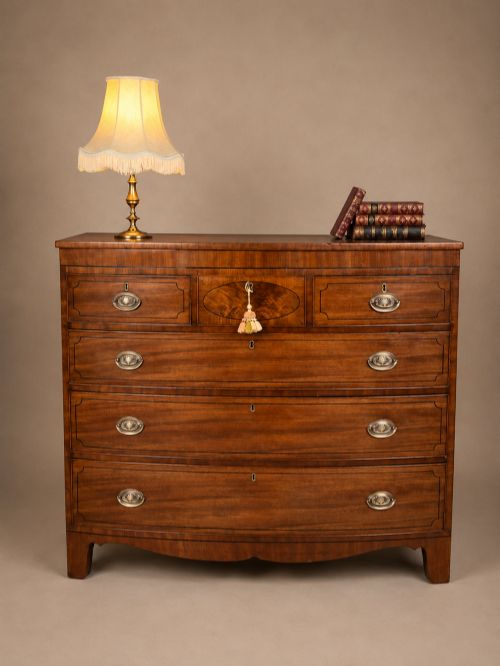
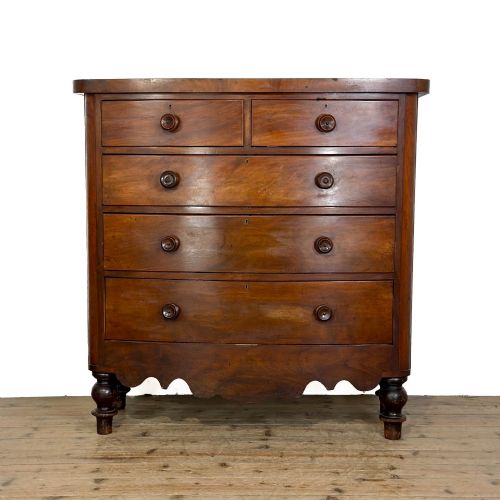
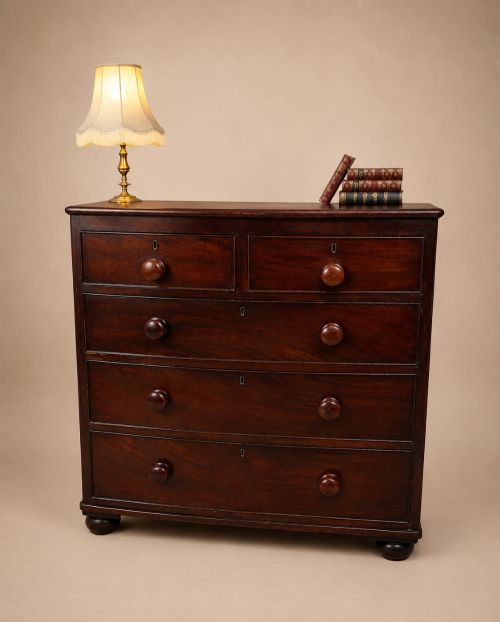
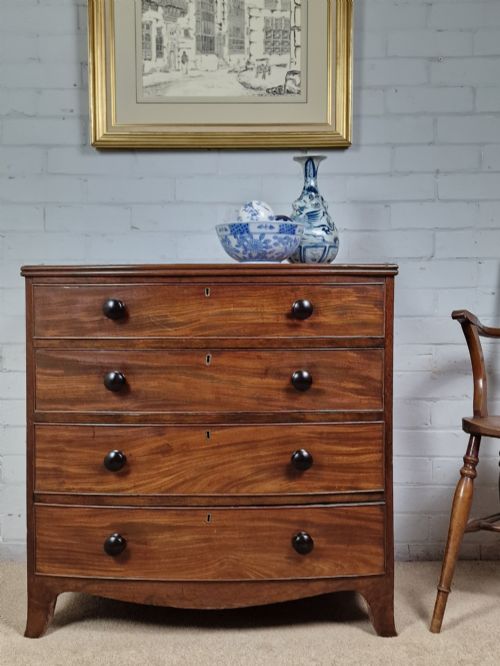
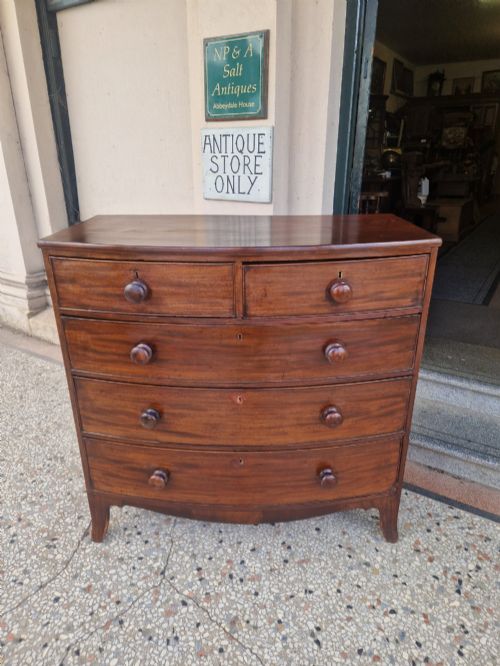
A curved wooden chest drawers sits firmly in the tradition of Georgian, Regency and Victorian cabinet making, where makers softened rigid room layouts with sweeping architectural lines. When you search for curved wooden chest drawers, you encounter pieces designed to hold linen and garments while adding movement to a bedroom or hallway through their convex profiles.
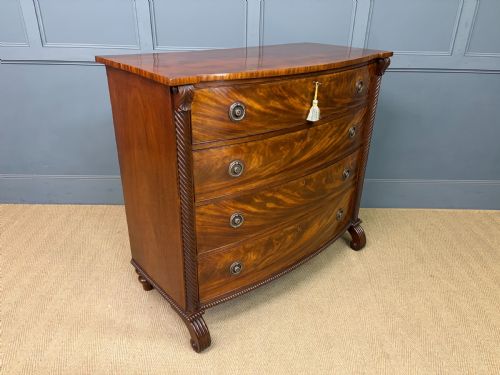
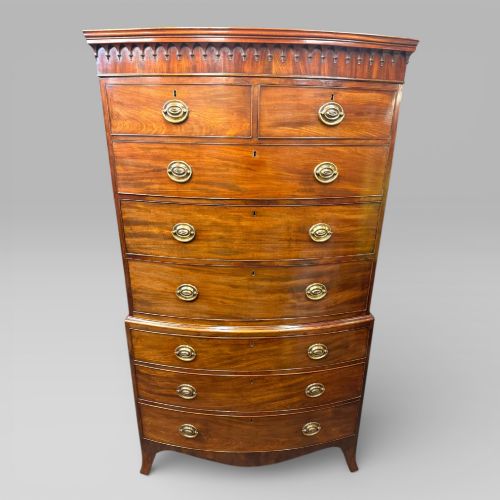
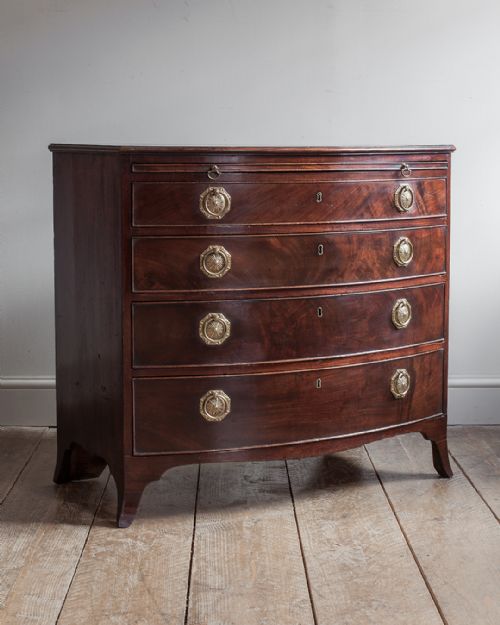
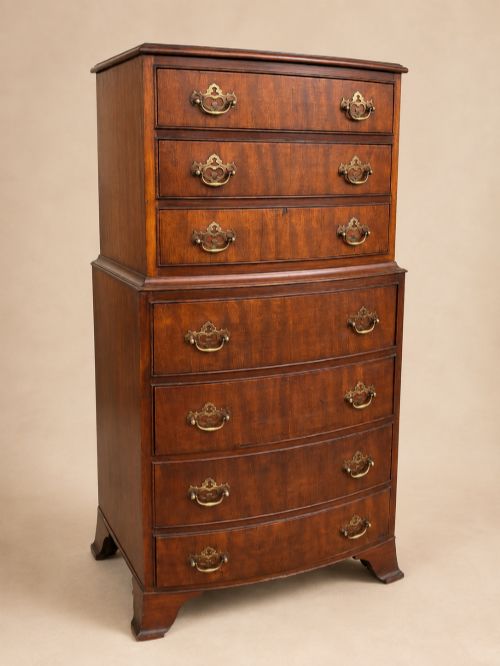
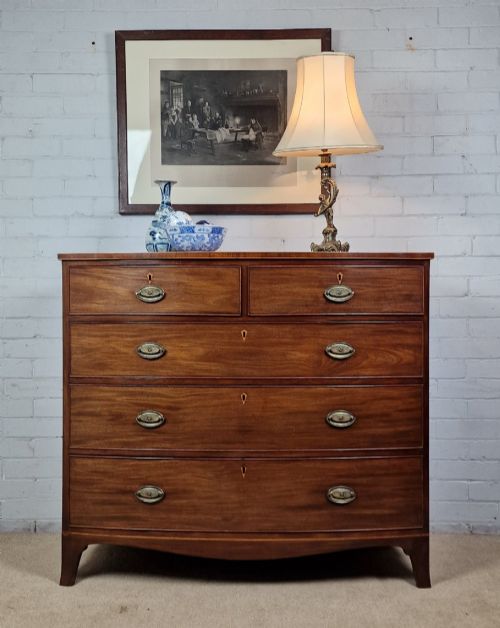
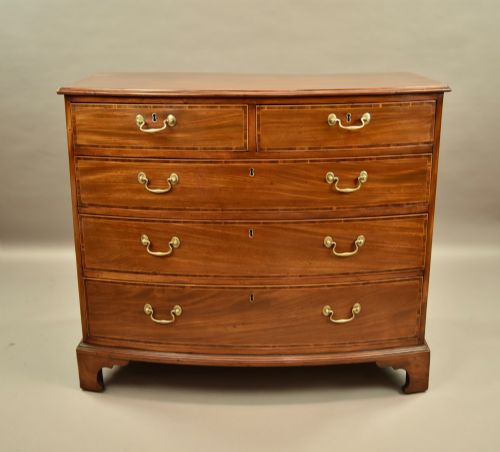
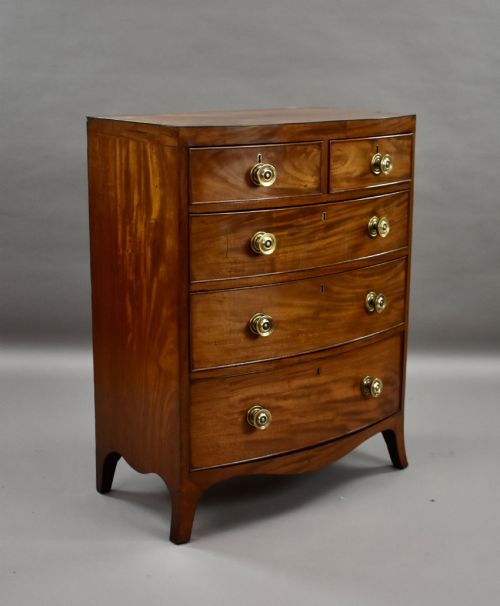
The version you meet most often on this page is the bow front chest in rich mahogany, spanning the late eighteenth century through to the nineteenth century. These forms range from modest two-over-three drawer configurations up to tall chests on chests and compact proportions suited to narrow spaces.
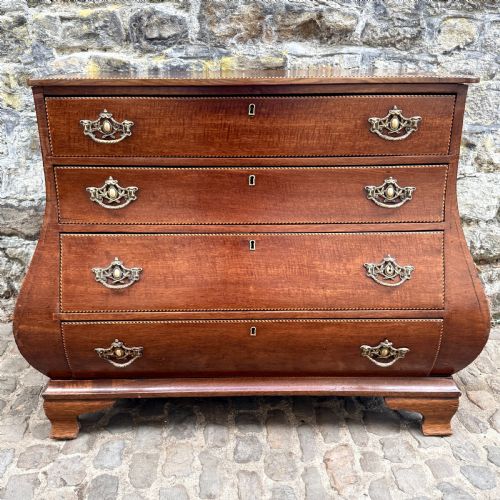
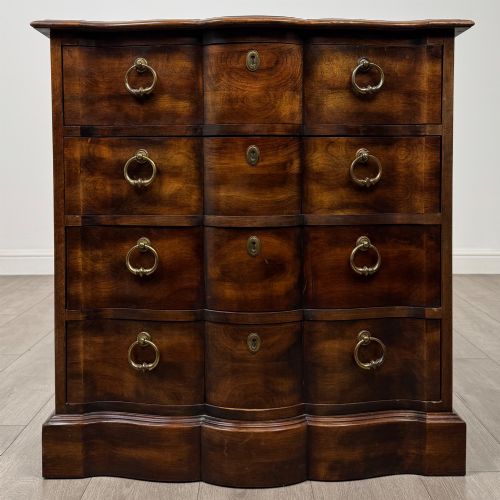
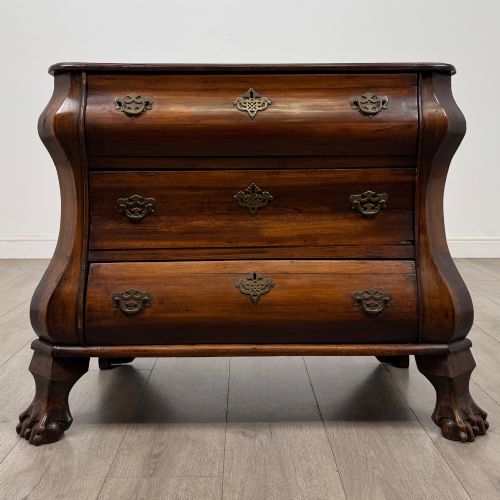
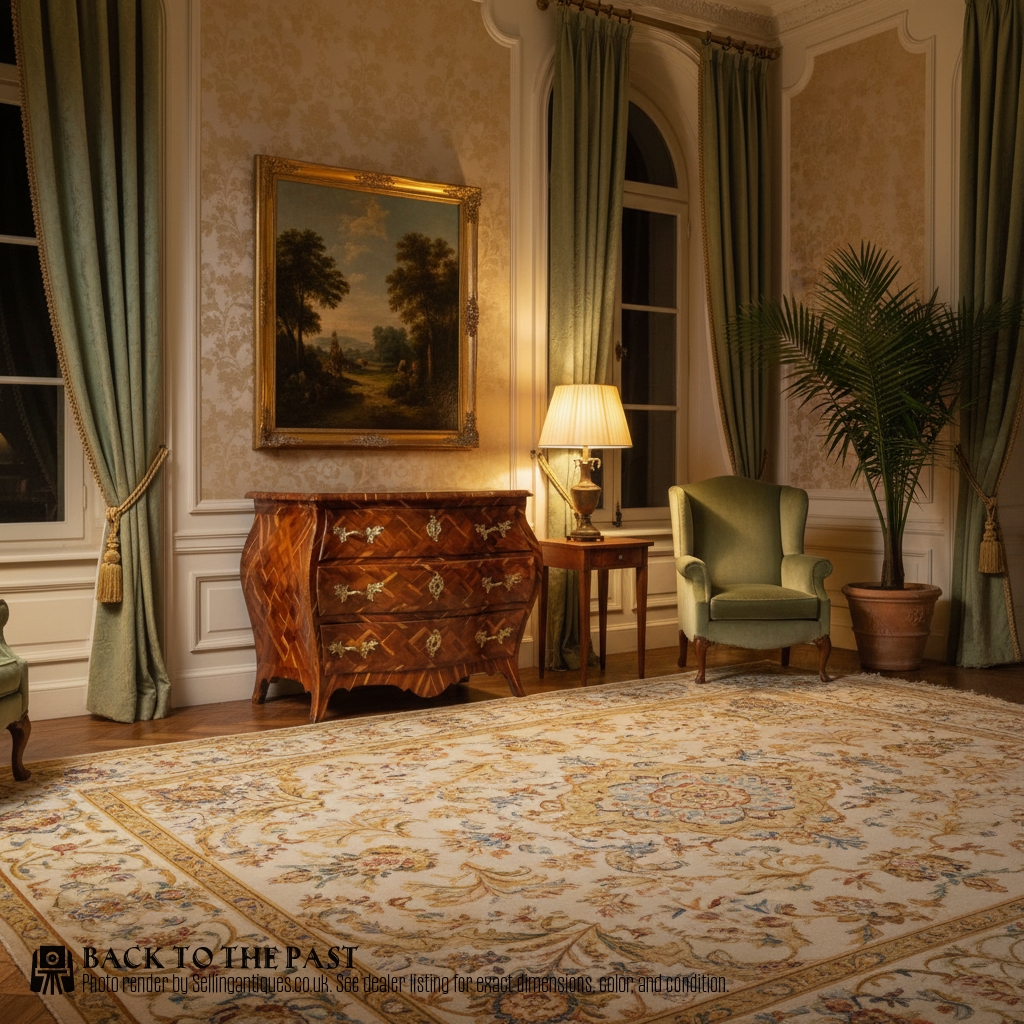
Beyond standard British mahogany pieces, the selection includes painted finishes, walnut surfaces, and continental bombe or serpentine forms with marble tops. Each variation retains the defining curved facade that distinguishes these items from flat-fronted case furniture.
Materials and construction
Cabinet makers relied primarily on solid mahogany and carefully selected wood veneers laid over secondary timbers, exploiting the stability of the grain to shape the characteristic curved fronts. Flame mahogany veneer provided striking patterns across the drawer faces, while contrasting boxwood inlay added crisp geometric borders to top surfaces and apron rails.
Brass hardware functioned as both structural pull and decorative accent, featuring drop handles and escutcheons secured through the drawer timber. On heavier commodes and revival pieces, marble tops provided a durable, cool surface that complemented the polished wood body beneath.
Object forms on this page concentrate on standard chests of drawers, tallboys, and marble-topped continental commodes.
Judging the standard
Quality reveals itself in the handling of the curved timber and the alignment of the drawer fronts within their frames. Superior pieces display seamless continuity in veneer matching across the sweep of the drawers, alongside fine dovetail joints that remain tight and true after centuries of use.
The crispness of inlay work and the weight of the original brass handles further separate standard workshop production from finer cabinet work. Proportion and stance dictate the visual success of the piece, with better examples maintaining harmonious depth and height despite the complexities of a curved facade.
The Curved Wooden Chest Drawers Glossary
- Bow front
- A convex curved cabinet front that swells outward from the corners. This shape softens the profile of case furniture and maximises internal drawer capacity.
- Chest on chest
- A tall storage unit formed by stacking a smaller upper chest directly onto a wider lower base. Also known as a tallboy, this form provides extensive vertical storage.
- Serpentine
- A furniture front characterised by a central convex curve flanked by two concave curves, or vice versa. The resulting wave-like movement requires advanced carpentry skills.
- Bombe
- A swollen, bulging convex shape characteristic of continental furniture styles. The sides and front curve outward in sweeping, organic contours.
- Dovetail
- A traditional interlocking corner joint formed by interlocking wedge-shaped pins and tails. It provides exceptional tensile strength for drawer construction without relying on metal fasteners.
- Commode
- A low decorative cabinet or chest of drawers originating in France. These pieces frequently feature marble tops and fine decorative veneers.
Curved Wooden Chest Drawers: Frequently Asked Questions
How do I date a bow front chest?
Examine the construction methods visible within the drawer linings and backboards, noting that hand-cut dovetails and rosewood or oak secondary timbers point toward the Georgian and Regency eras. Cleaner machine-cut joins and different internal woods typically suggest later nineteenth-century or twentieth-century revival production.
Look closely at the feet and overall proportions, since bracket feet and slender apron rails indicate eighteenth-century origins. Tighter turned feet and heavier carcasses often align with Victorian or Edwardian manufacturing standards.
Can I use a antique chest in a modern bedroom?
These chests integrate smoothly into contemporary schemes by providing warm natural wood tones and tactile surfaces that balance minimalist interior architecture. Their relatively compact footprints allow them to function effectively as clothes storage or as feature surface units in hallways and living spaces.
Ensure you measure the available floor space and clearance for drawer extension, particularly with deeper bow front or bombe designs. Pair the piece with simple lighting and neutral walls to let the timber grain and curved proportions remain the visual focus.
How should I care for mahogany veneer surfaces?
Maintain the finish by dusting regularly with a soft, dry cloth and avoiding placement near direct heat sources or strong sunlight. These environmental controls prevent the underlying timbers from drying out and safeguard the delicate veneers against splitting or lifting.
Apply a traditional beeswax polish sparingly when the wood appears dry, buffing it gently to preserve the natural lustre. Avoid silicone-based sprays, as they build up over time and attract dust to the antique surface.