
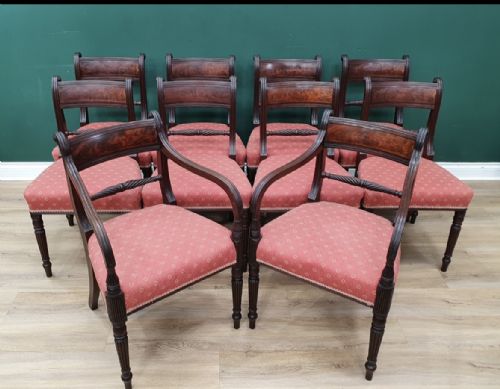
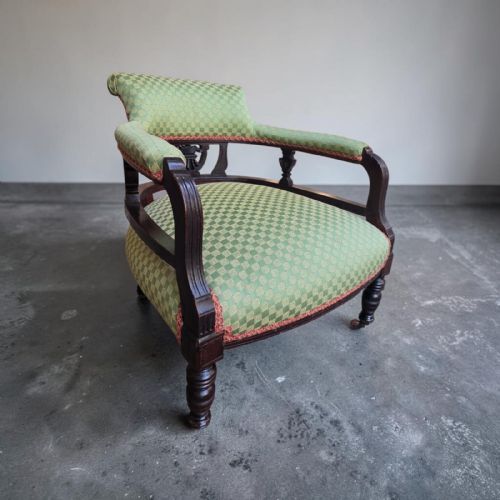
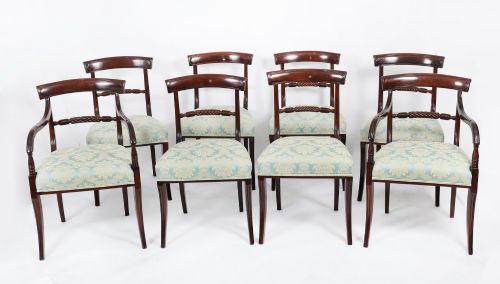
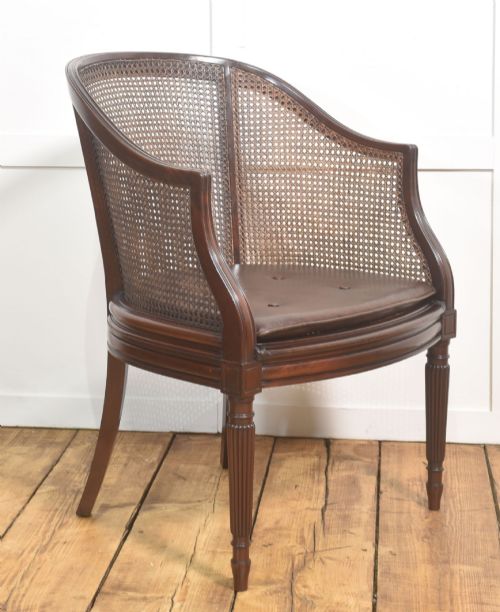
Curved Back Armchairs
Curved back armchairs combine sweeping structural lines with deep seating comfort, offering a striking silhouette for both traditional and modern rooms.
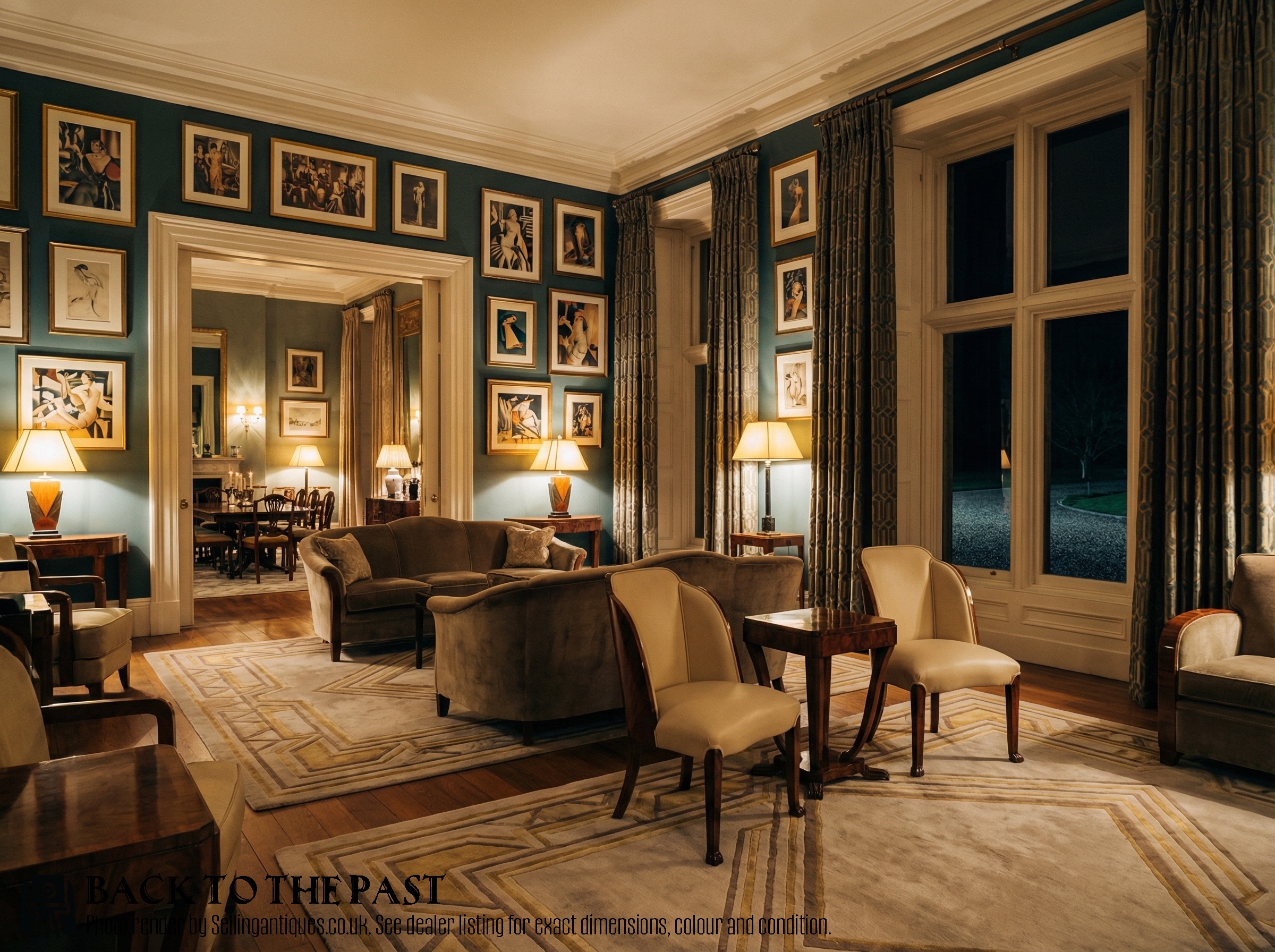
Identifying curved back armchairs
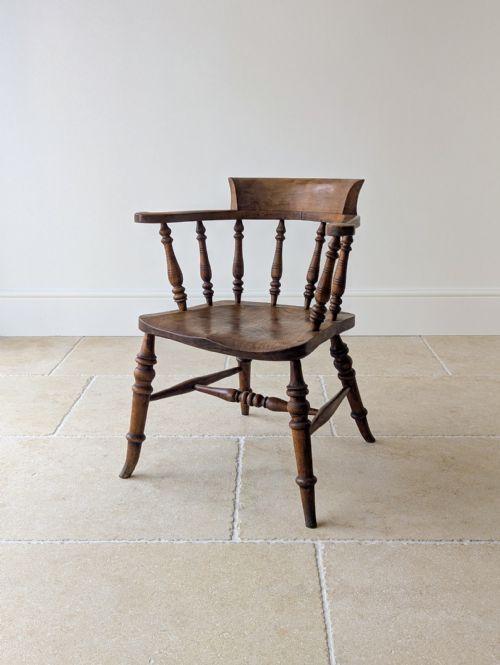
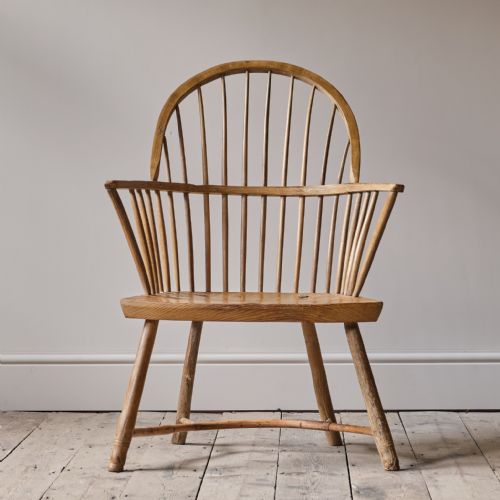
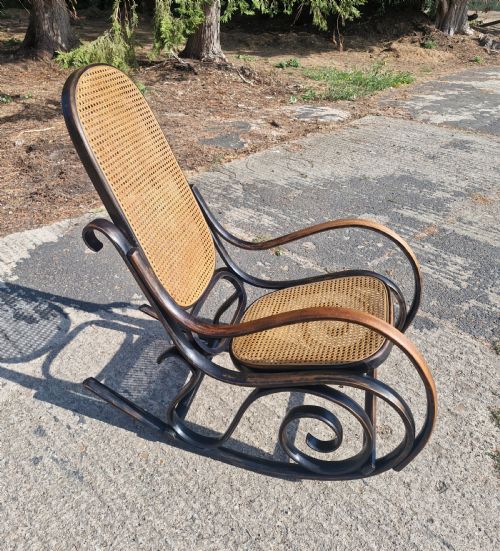
Curved back armchairs encompass a diverse range of historical periods and international styles, appearing in forms from the nineteenth century up to the 1940s. When exploring curved back armchairs on this page, buyers frequently encounter matched pairs originating from diverse eras.
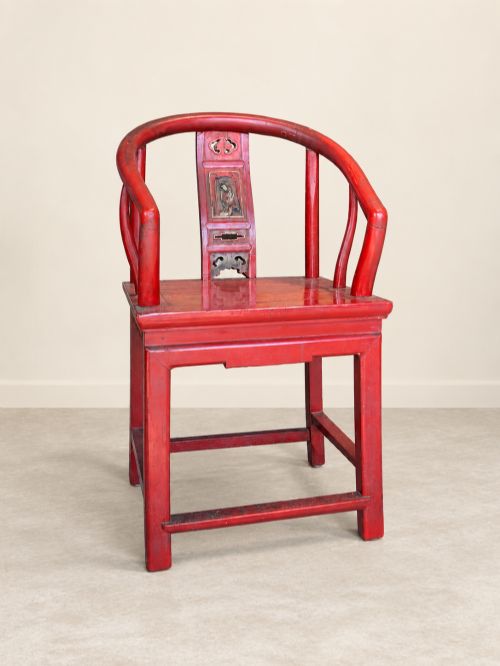
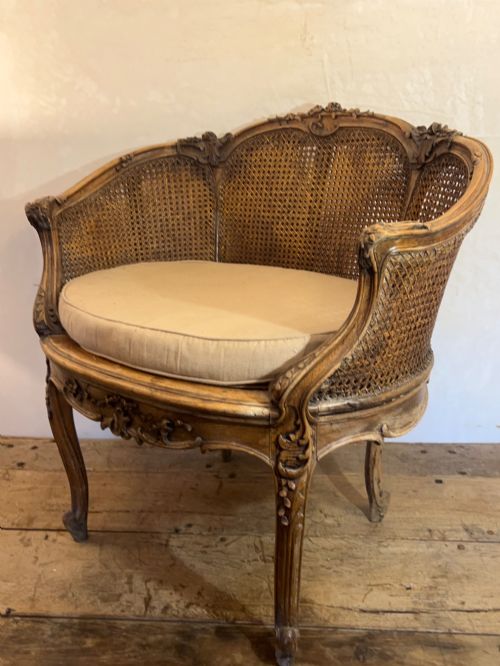
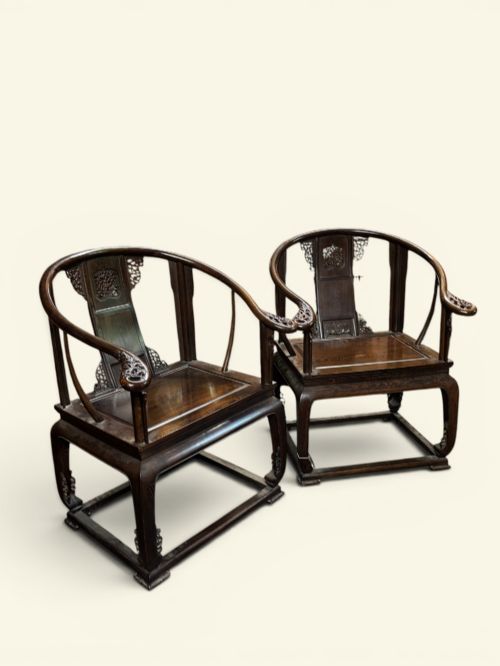
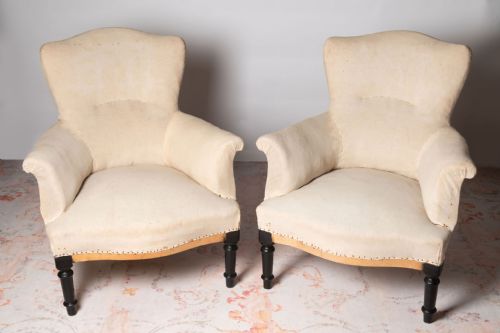
The selection includes specific regional and stylistic expressions, spanning French nineteenth-century seating, Regency library chairs, Art Deco walnut designs, and Chinese brass-inlaid horseshoe shapes. Makers such as Harry and Lou Epstein also contribute distinctive twentieth-century examples to the selection.
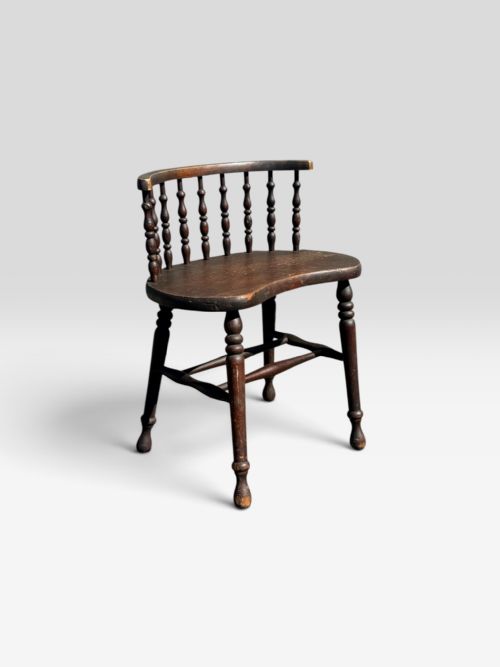
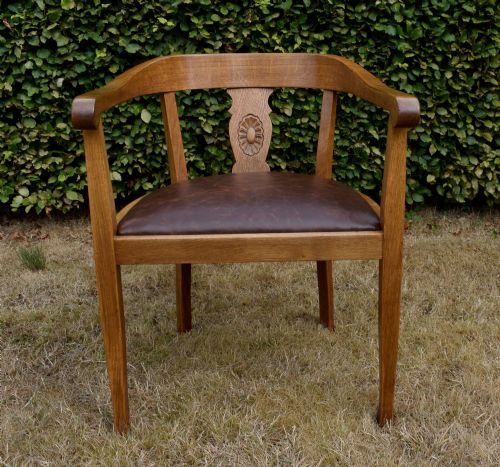
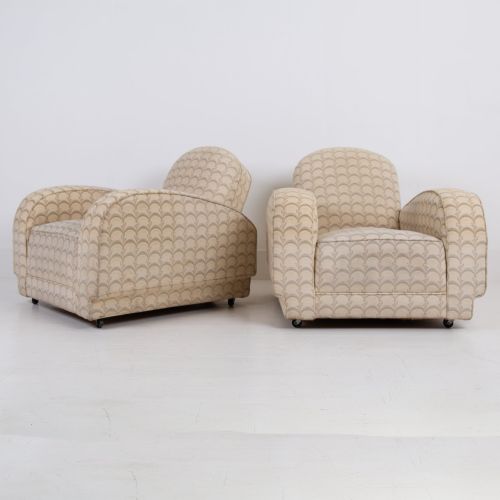
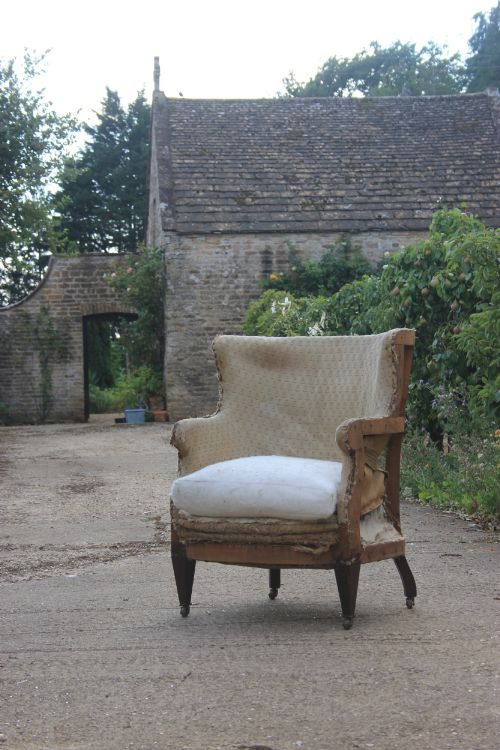
Earlier interpretations feature nineteenth-century Napoleon III buttoned and plain upholstered frames, alongside Victorian or Edwardian spoon back variants. Mid-century examples introduce cocktail chairs and 1930s Art Deco cloud armchairs, alongside Arts and Crafts oak tub armchairs.
Materials and construction methods
Frames are constructed from various timbers including mahogany, walnut, oak, and general wood or timber. Metal and brass elements occasionally provide structural reinforcement or decorative inlay, particularly within Chinese horseshoe forms.
Upholstery historically incorporates fabric, leather, buttoning, and hessian support. Many pieces arrive newly upholstered while retaining their traditional internal padding and sprung foundations.
Retail Price Guide 2026
Typical UK retail prices for curved back armchairs, calculated from the Sellingantiques database of over a million retail prices indexed since 2003. This retail price guide relies exclusively on Sellingantiques data; no external sources or auction records are used, so the figures do not describe the wider market.
Listings feature items spanning the 19th Century, Regency period, 1850, 1930, and 1940, constructed from wood, mahogany, walnut, timber, metal, brass, leather, and fabric.
Distinctions in quality
Quality rests upon the integrity of the wooden frame, the precision of curved joinery, and the preservation of decorative elements such as brass inlays. Pieces featuring distinctive stylistic flourishes, such as the sculptural forms of Art Deco cloud chairs or finely turned nineteenth-century legs, demonstrate superior design ambition.
The execution of the upholstery and the choice of covering material, whether aged leather, buttoned fabric, or period textiles, significantly influence the tactile and visual presentation of each chair.
Harry and Lou Epstein
The Curved Back Armchairs Glossary
- Art Deco
- A design style characterised by sleek geometric forms and streamlined shapes popular during the 1930s. It represents a sharp departure from historic revival styles.
- Horseshoe Shape
- A rounded backrest configuration that curves continuously around the user, seen in specific Chinese nineteenth-century armchairs. This layout provides enveloping structural support.
- Tub Armchair
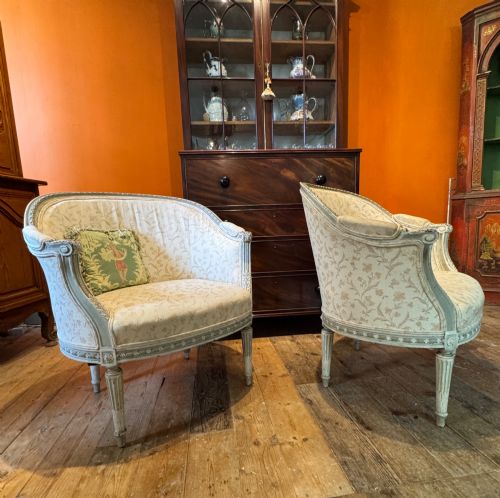
- An upholstered chair where the back and arms form a single continuous, rounded enclosure. They offer deep, enclosed seating.
- Buttoned
- An upholstery technique where twine is pulled through padding and secured with buttons to create recessed tufting. This method adds structural tension and visual texture.
- Regency
- A British design period spanning the early nineteenth century defined by classical restraint and refined proportions. Pieces from this era often utilise mahogany.
Frequently Asked Questions
What periods do these curved back armchairs cover?
The available selection spans from the nineteenth century through the Regency period, Victorian era, and into the twentieth century with Art Deco and 1940s designs.
Buyers will find that construction materials and silhouette styles shift noticeably across these decades, reflecting the prevailing aesthetics of each era.
Are these chairs sold individually?
The current selection consists exclusively of matched pairs rather than single chairs. This makes them suitable for balancing a room layout symmetrically.
Pairs appear across multiple design traditions, from French nineteenth-century seating to 1930s Art Deco armchairs.
What wood types are used in the frames?
Frames are constructed from a variety of timbers including mahogany, walnut, oak, and general hardwood timber. Some examples incorporate brass inlay work for decorative contrast.
The choice of wood typically aligns with the period and regional origin of the piece.
How do I care for antique leather upholstery?
Leather upholstery requires regular dusting and occasional conditioning to maintain its suppleness and prevent drying out. Avoiding direct sunlight helps preserve the natural colour and finish.
Preserving the original or replacement leather ensures the longevity of these mid-century and nineteenth-century seats.