





Crystal Table Lights
Crystal table lights illuminate rooms with faceted refraction, uniting brass bases, gilt bronze, and hanging glass drops across Victorian and Edwardian periods.
Crystal Table Lights
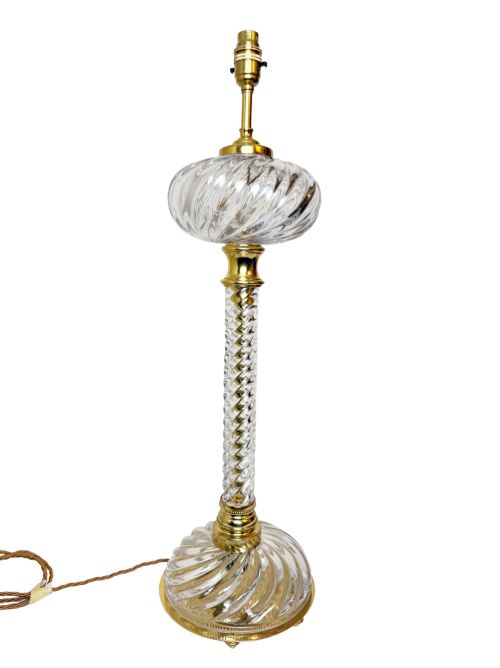
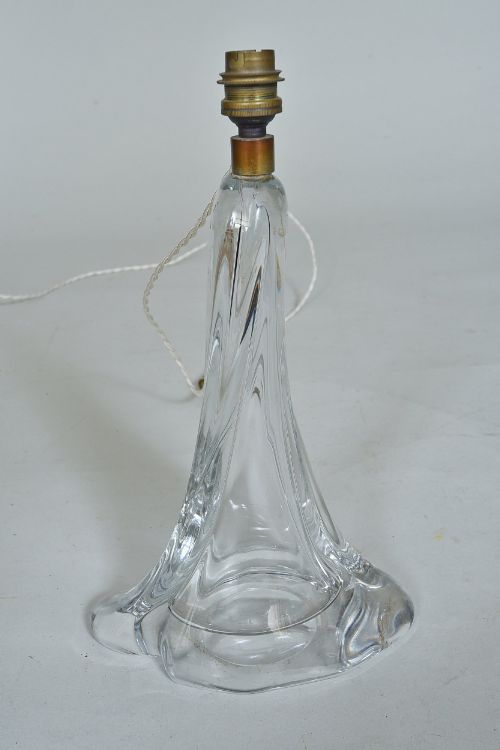
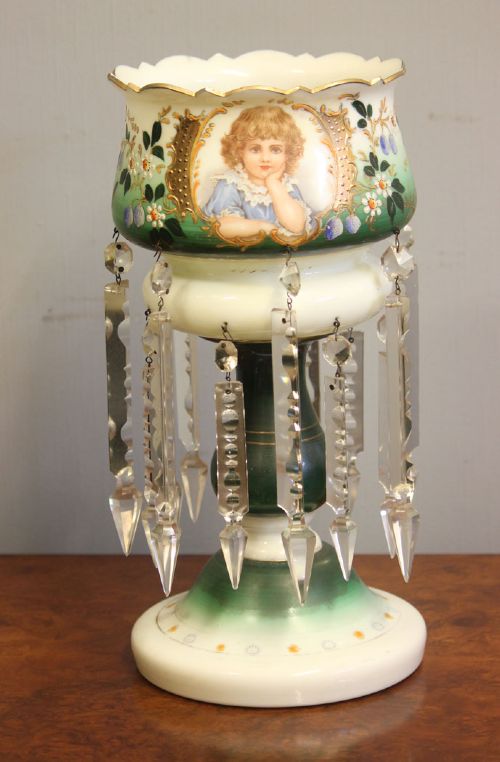
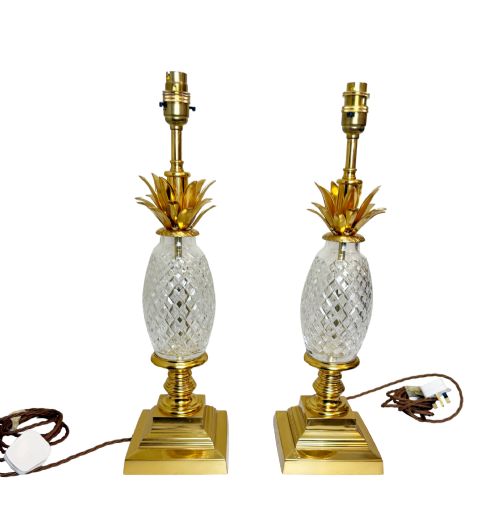
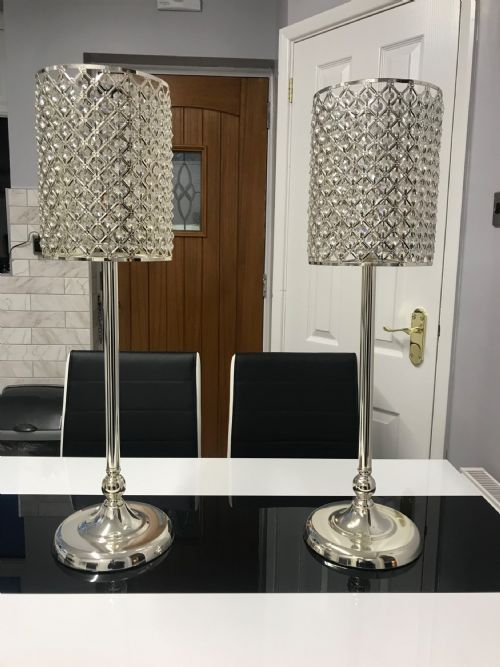
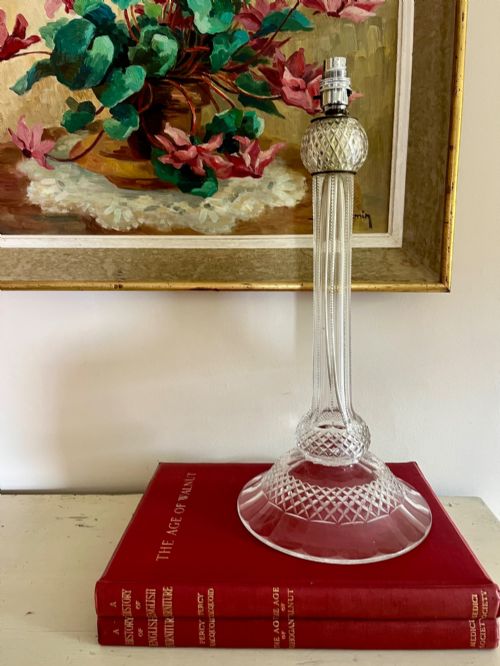
Crystal table lights encompass functional lighting and decorative fixtures designed to sit upon tables, mantels, and sideboards. When you search for crystal table lights, you encounter diverse forms ranging from electrified oil lamps and single-bulb lamps to multi-armed candelabras and table lustres hung with glass drops.
The pieces appearing in this category span the nineteenth and early twentieth centuries, including Edwardian, Victorian, and Art Deco eras. French and English workshops dominate the origins, presenting styles that draw upon Regency, Louis XVI, and French Chateau aesthetics.
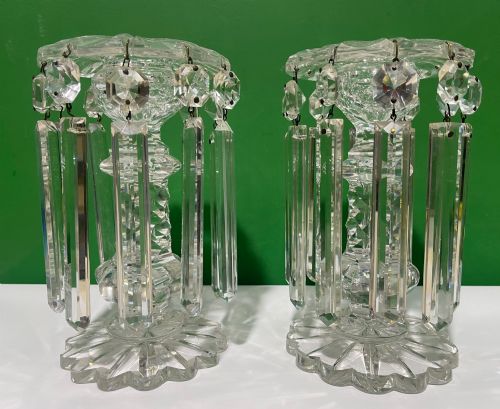
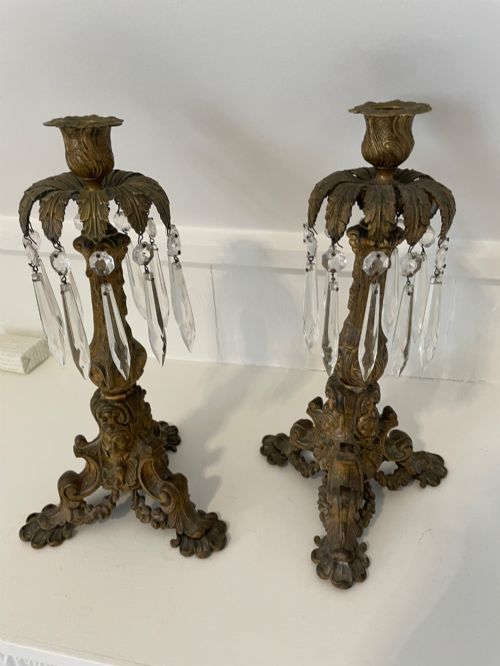
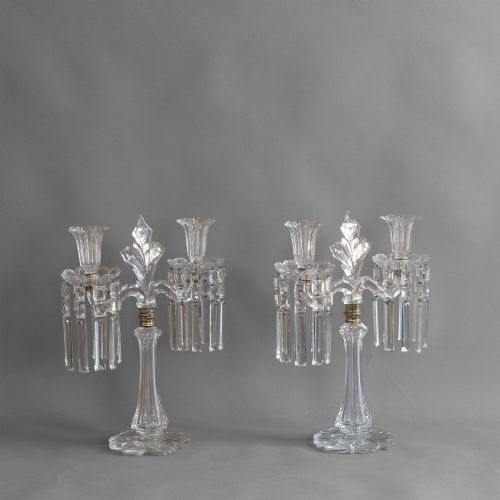
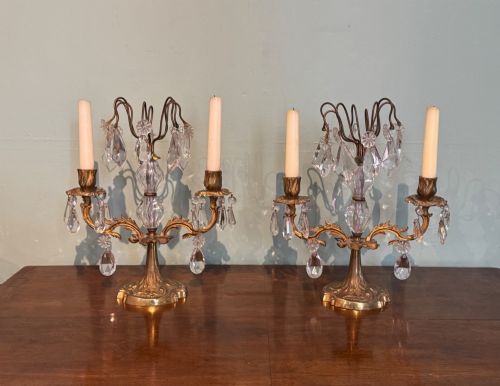
Table lustres and candelabras form a significant portion of the selection, often paired symmetrically. These lighting pieces integrate brass, gilt bronze, and marble elements alongside cut glass and lead crystal components.
How they were made
Construction relies upon combinations of metalwork and glass-forming techniques, mounting cut crystal or moulded glass drops onto frames of brass, gilt bronze, and ormolu. Artisans cut geometric facets into lead crystal and glass components to maximise light refraction.
Metals are cast and gilded or silvered, forming supportive columns, candelabra arms, and decorative bases shaped into classical columns, Corinthian capitals, or figural motifs. Glass reservoirs and columns are joined to metal mounts using threaded rods or collars.
Crystal Table Lights Retail Price Guide 2026
Typical asking prices for crystal table lights among the pieces listed under this phrase on Sellingantiques today, from the lower quarter to the upper quarter. They describe what is for sale here now, not the wider market.
Some nineteenth-century French lamps incorporate mythical mermaids supporting rock crystal columns.
What varies in quality
Quality rests in the weight and clarity of the glass, the depth of the hand-cut facets, and the crispness of the metal casting. Heavy lead crystal and finely chased gilt bronze separate standard production from superior examples.
The completeness and original match of the hanging glass drops affect integrity. Finer pieces retain their full complement of prisms, pinned securely to robust metal armatures.
Stuart Crystal·Baccarat·Osler·Clarke
The Crystal Table Lights Glossary
- Lustre
- A decorative tabletop piece featuring hanging glass pendants designed to reflect candlelight or ambient room light. Lustres often take the form of small vases or columns hung with crystal drops.
- Candelabra
- A multi-branched candlestick holder designed to support multiple candles simultaneously. These fixtures frequently incorporate central columns adorned with cut glass prisms.
- Ormolu
- Finely ground high-carat gold mercury-gilded onto a bronze base metal. This technique creates a rich golden finish seen on French mounts and candelabra bases.
- Girandole
- An ornamental branched candlestick or candelabra, often fitted with a mirror backplate or configured as a table fixture hung with crystal drops.
- Lead crystal
- Glass containing lead oxide to increase refractive index, weight, and clarity. This material allows deeper, sharper cutting than standard glass.
Crystal Table Lights: Frequently Asked Questions
What is a crystal table light?
Crystal table lights are decorative lighting fixtures and candle holders made from glass, crystal, and metal components designed for tabletops and mantels.
They include electrified lamps, oil lamps, candelabras, and lustres adorned with hanging glass drops.
How do you clean crystal table lights?
Cleaning requires gentle washing of glass components with warm water and mild soap while keeping metal and electrical parts dry. Pendants are often removed individually for careful polishing.
Harsh chemical cleaners are avoided to protect the original gilt finishes on bronze and brass mounts.
Were these always electrified?
Many older examples started life as oil lamps, paraffin burners, or candle holders before undergoing conversion to electricity later in their lifespan. Conversion methods vary from drilled reservoirs to fitted internal wiring.
Original candelabras and lustres retain their configuration for candles without electrical fittings.
How do I identify the period?
Dating relies upon examining manufacturing methods, metal casting styles, and glass-cutting patterns associated with Victorian, Edwardian, or Art Deco eras. Maker marks, patent stamps, and screw threads also provide chronological clues.
Stylistic cues draw from Regency, Louis XVI, and French Neoclassical design revivals popular during the nineteenth and early twentieth centuries.