




Crystal Perfume Bottle
A crystal perfume bottle brings the weight of nineteenth-century dressing tables and twentieth-century dressing rooms into a modern interior.
Crystal Perfume Bottle
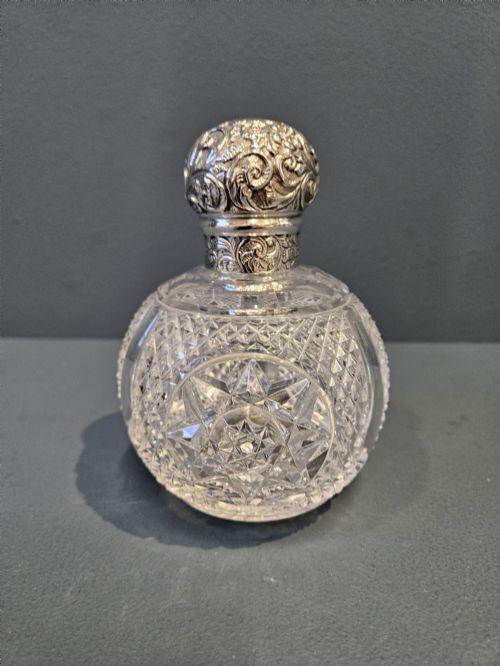
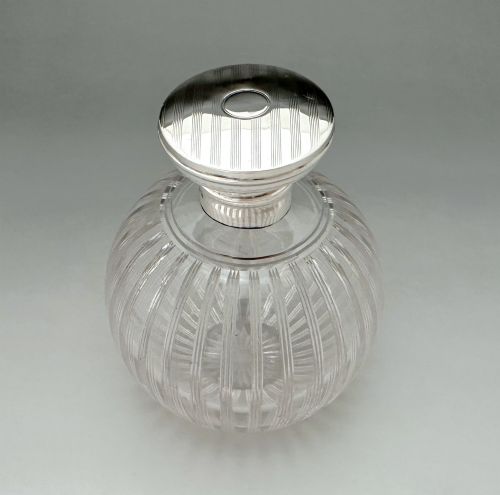
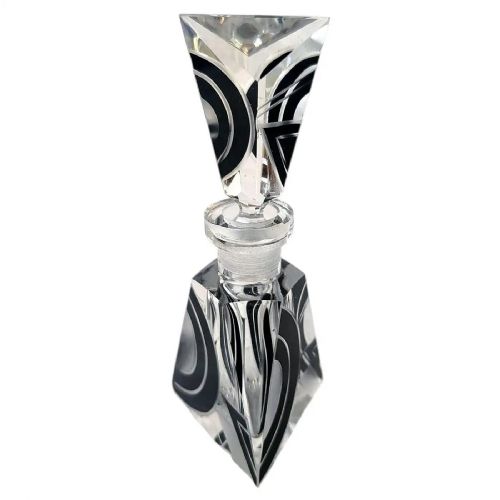
When searching for a crystal perfume bottle, a buyer encounters vanity accessories originating from the Victorian, Edwardian, and Art Deco periods, spanning the nineteenth and twentieth centuries.
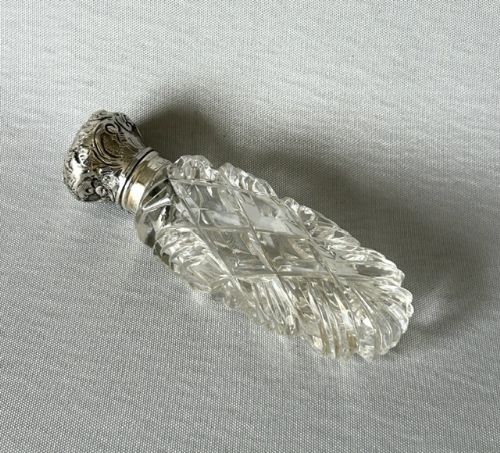
The selections on this page range from small individual pocket and travel flasks to large dresser bottles, matching pairs, and complete sets housed in fitted boxes or vanity cases.
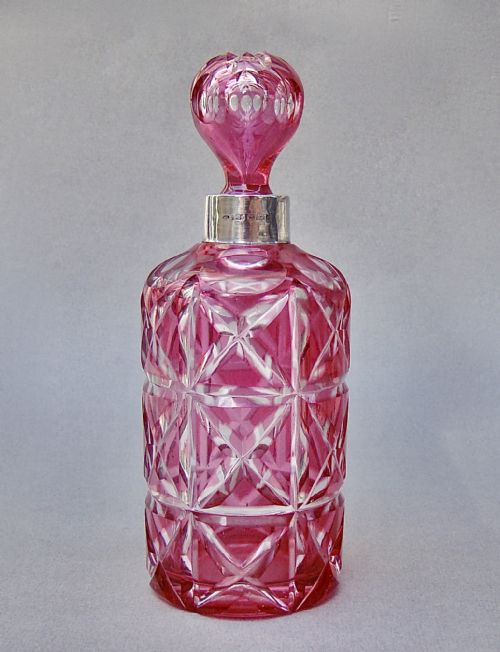
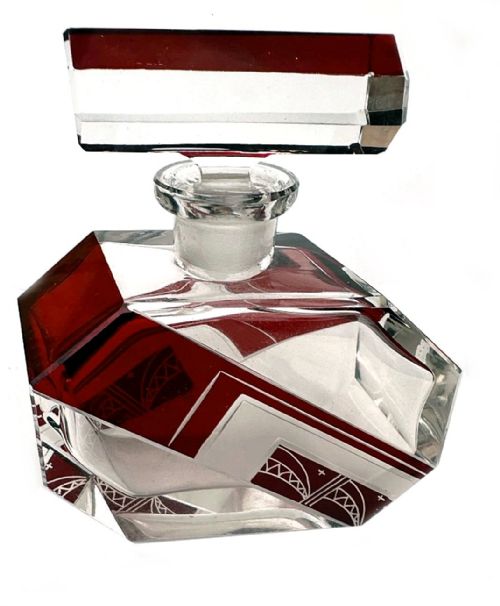
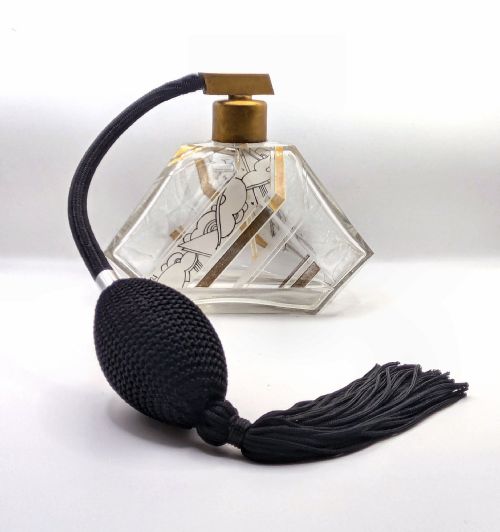
Many examples combine heavy cut glass or crystal reservoirs with precious metal mounts, hinged lids, atomisers, and decorative glass bodies produced in England, France, and the Czech Republic.
How they were made
Makers formed the vessels using lead crystal or coloured glass, shaping them through mould-blowing, hand-cutting, and deep geometric facet polishing to catch the light.
Lids frequently incorporated coloured guilloché enamel, inlaid tortoiseshell, or delicate pique work, while specialised pieces utilised chrome metalwork and integrated atomiser bulbs.
Crystal Perfume Bottle Retail Price Guide 2026
Typical asking prices for crystal perfume bottle among the pieces listed under this phrase on Sellingantiques today, from the lower quarter to the upper quarter. They describe what is for sale here now, not the wider market.
The listings span Victorian, Edwardian, and Art Deco eras, featuring cut crystal, sterling silver, tortoiseshell, and guilloché enamel.
What varies in quality
The distinction between tiers rests upon the depth and precision of the glass cutting, the weight of the crystal blank, and the integrity of any mounted precious metals.
Workmanship on decorative elements such as hand-applied enamel, tortoiseshell panels, and signed moulded glass signatures differentiates standard production from master-workshop output.
Harold Bushell and Co·Karl Palda·Barnsley and Co·Rene Lalique·George Unite·Charles May·William Comyns
The Crystal Perfume Bottle Glossary
- Guilloché enamel
- A decorative mechanical technique where a precise geometric pattern is engraved beneath translucent coloured enamel. This method was widely utilised on twentieth-century silver vanity lids.
- Sterling silver
- An alloy consisting of silver and other metals, marked by standard purity hallmarks. British pieces from the Victorian and Edwardian eras commonly display these official assay stamps.
- Cut crystal
- High-clarity lead glass shaped by grinding wheel facets. The process creates sharp refraction and substantial heft in dressing table accessories.
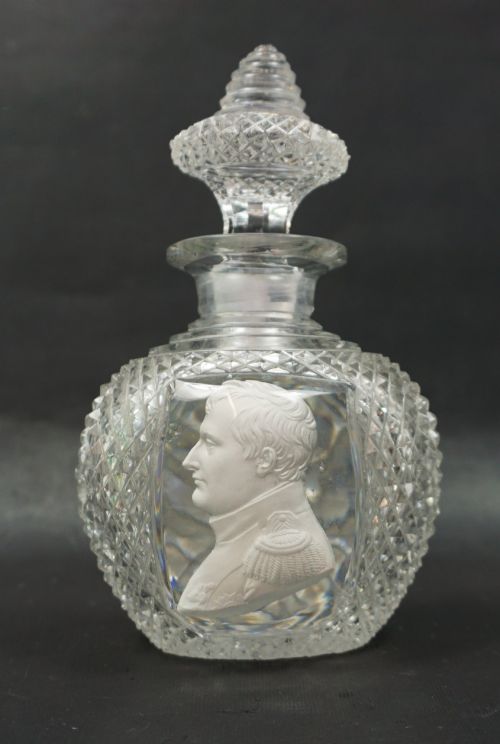
- Sulphide
- A small ceramic cameo encased within clear glass. These portrait plaques appear in mid-nineteenth-century French scent bottles.
- Atomiser
- A spray mechanism attached to a perfume flask. These fittings allowed fragrance to be diffused in a fine mist rather than poured.
Crystal Perfume Bottle: Frequently Asked Questions
How are antique perfume bottles dated?
Dating relies heavily upon silver hallmarks stamped onto the metal collars or lids, which record the assay office, city, and exact year of manufacture.
Stylistic indicators such as Victorian hand-engraving, Edwardian proportions, or Art Deco geometric glass forms provide further chronological context when metal marks are absent.
Were these bottles meant for travel?
Many Victorian and Edwardian examples were designed specifically for carriage travel or fitted dressing cases, featuring secure screw caps and robust glass walls.
Other larger globe bottles and delicate enamelled pieces served as stationary dresser ornaments meant to remain on vanity trays.
How do you clean antique glass scent bottles?
Cleaning requires warm water and mild soap, avoiding harsh chemical immersions that might damage vintage enamel, tortoiseshell, or aged metal patinas.
Silver components should be polished separately with a soft cloth to protect surrounding glass and decorative inlays.
What is the difference between glass and crystal?
Crystal contains lead oxide, which increases the weight, refractive index, and acoustic resonance of the material compared to standard soda-lime glass.
This lead content allowed Victorian and twentieth-century artisans to cut deeper, sharper facets into the perfume reservoirs.