
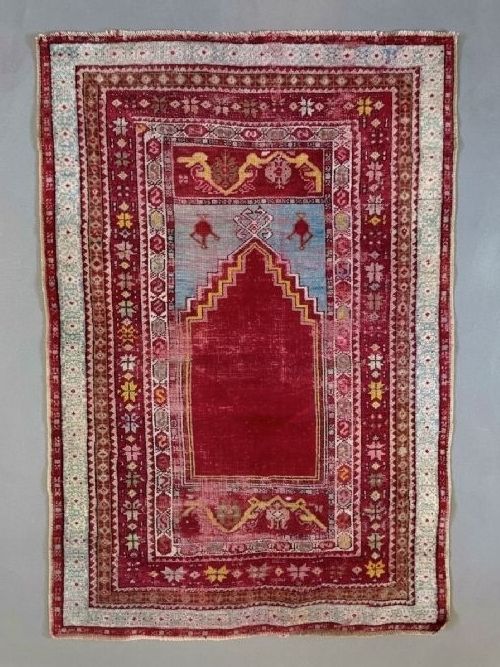
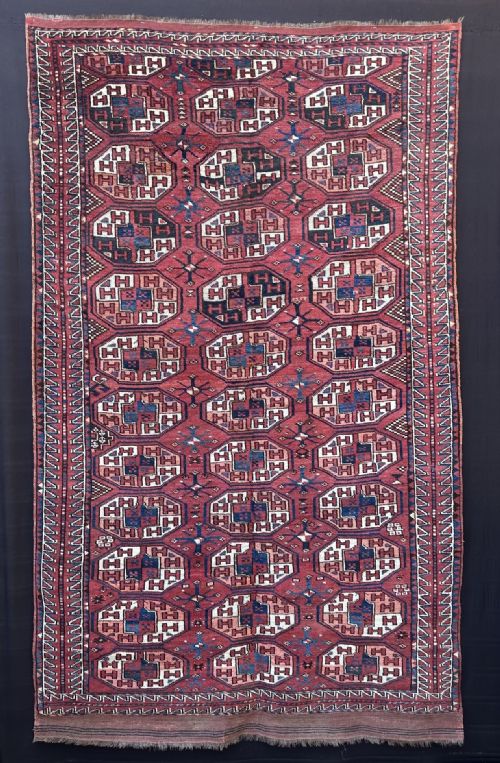
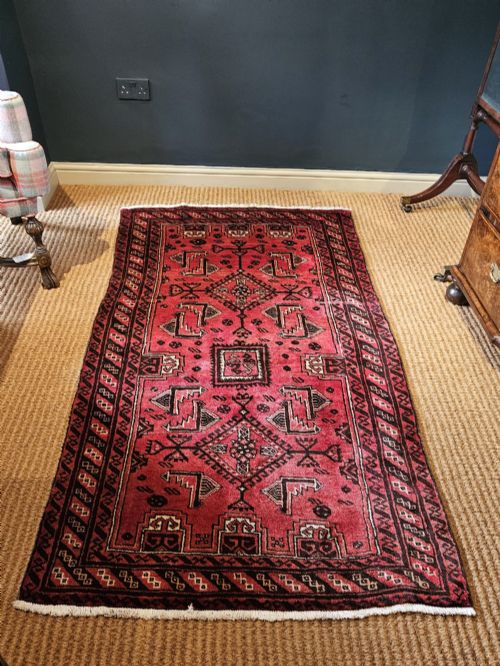
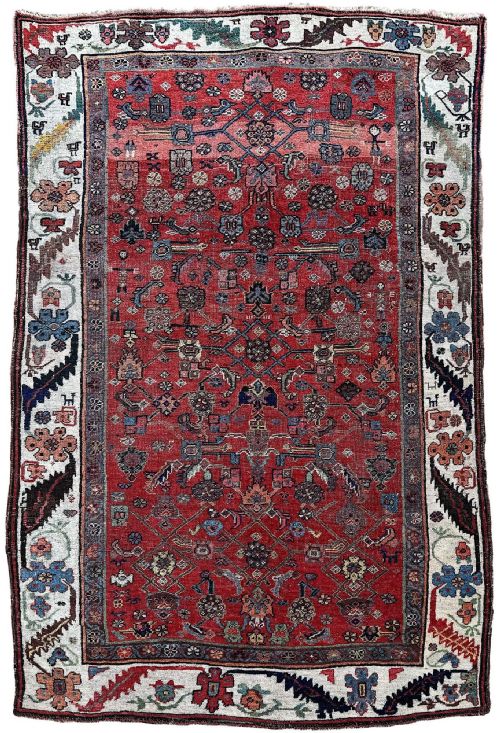

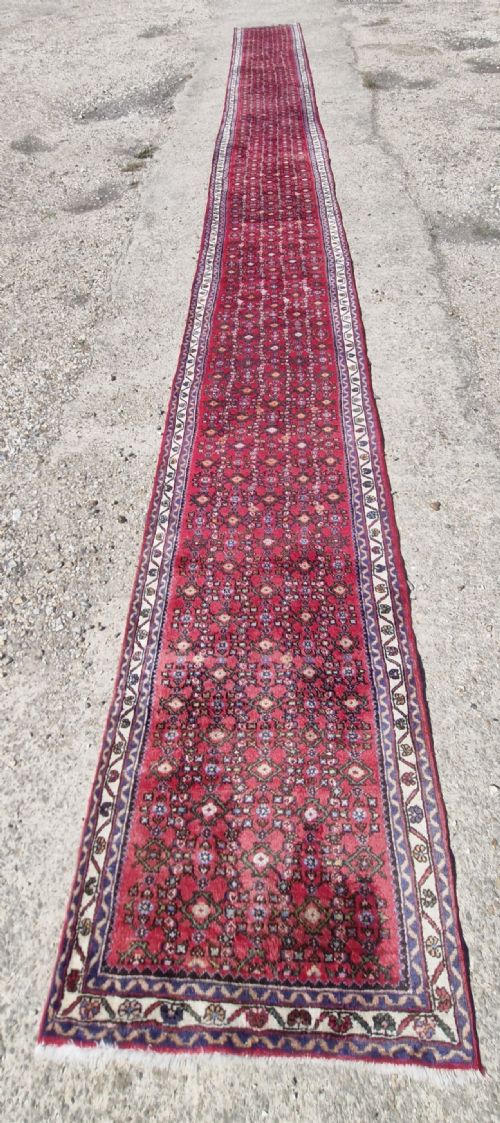

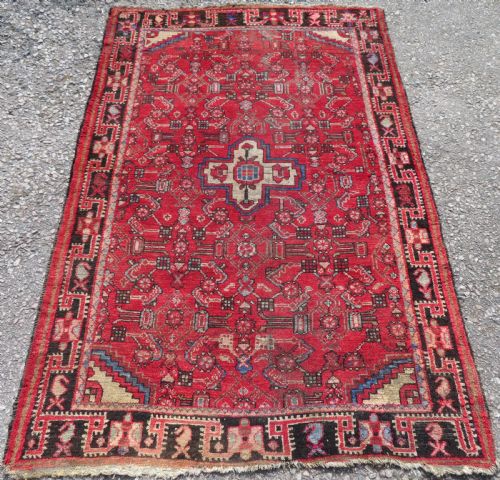
Crimson Wool Tribal Rug
These crimson wool tribal rug pieces bring rich Central Asian and Persian heritage into your home through authentic handwoven artistry.
Crimson Wool Tribal Rug
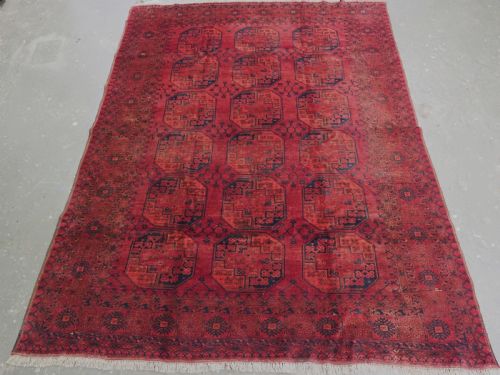
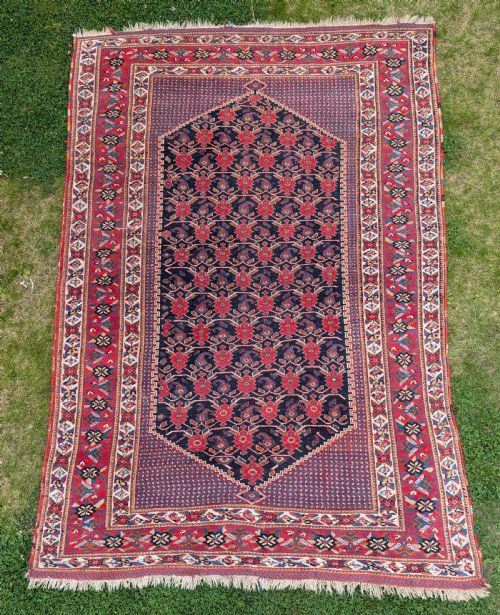
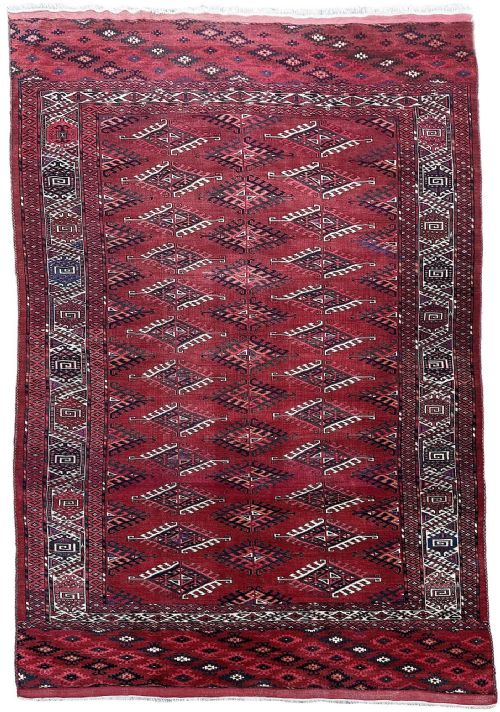
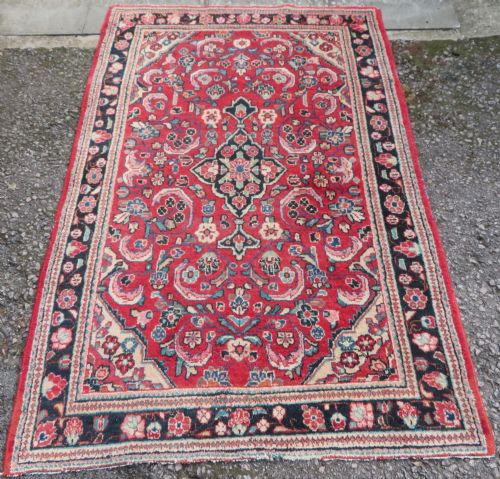
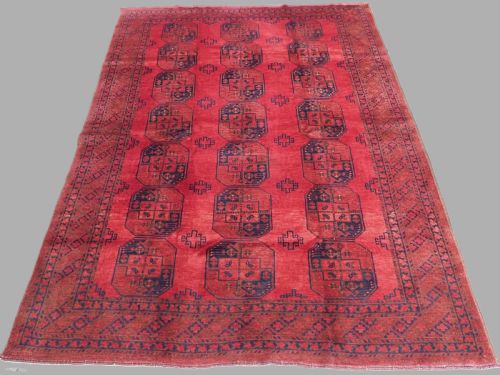
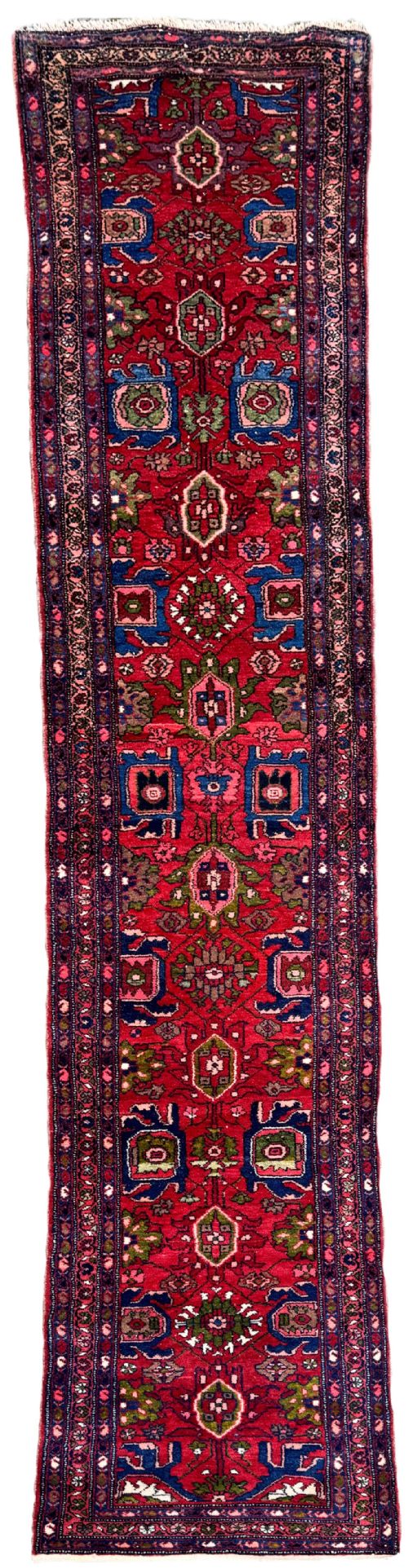
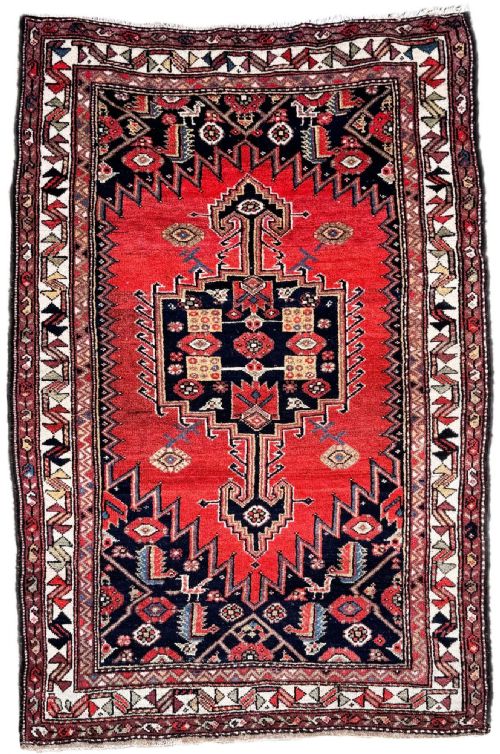
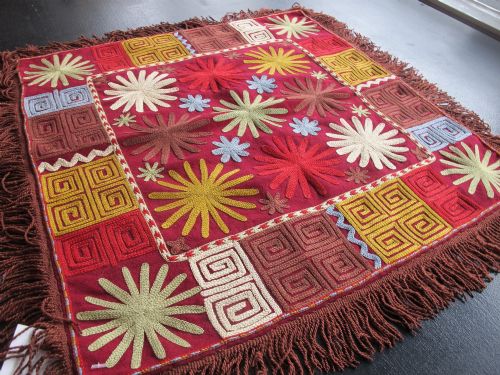
A crimson wool tribal rug represents hand-knotted and woven textiles originating from nomadic and village traditions across Central Asia, Persia, and Anatolia. These pieces encompass room-sized carpets, long runners, smaller cushions, and utilitarian storage bags created by specific tribal groups.
The selection on this page leans heavily into Turkmen weaving traditions, alongside Persian village productions from regions such as Hamadan, Bidjar, and Heriz. Buyers encounter formats ranging from large main carpets to square torba faces and wedding rugs carrying deep cultural motifs.
Dates span from the mid-nineteenth century through the early twentieth century, capturing an era when traditional vegetable dyes and hand-spun materials dominated nomadic textile production. Each item reflects the distinctive aesthetic vocabulary of the tribe that made it.
Materials and Construction
These textiles rely principally on wool and hand-spun wool foundations and piles, occasionally incorporating cotton for structural warps andwefts. Natural dyes provide the enduring palette of deep reds, madder crimsons, and contrasting indigo or ivory details that define the aesthetic.
Weavers utilised traditional upright looms to knot or weave dense piles and flat-woven faces, ensuring durability for nomadic daily use. The integration of fine knotting techniques, particularly in Tekke Turkmen and Ersari pieces, results in tight, resilient structures designed to withstand generations of wear.
Assessing Quality
Quality in these textiles rests upon the density of the weave, the precision of the tribal motifs, and the clarity of the natural dye palette. Finer knot counts and complex, well-executed gul designs indicate a higher tier of weaving skill within tribal workshops and encampments.
The preservation of original structural elements, such as plain weave backs on storage bags and complete borders, elevates an example. Consistency in the hand-spun wool and the vibrancy of the crimson tones separate exceptional tribal artefacts from standard utilitarian pieces.
The Crimson Wool Tribal Rug Glossary
- Gul
- A primary octagonal medallion motif frequently repeated across Turkmen and Central Asian tribal carpets. These motifs often identify the specific tribe or clan that wove the textile.
- Torba
- A small hanging storage bag or wall pocket traditionally used in nomadic tents for domestic storage. They frequently feature elaborate face designs with guls.
- Chuval
- A large storage bag utilised by nomadic tribes for bedding and household goods. Surviving pieces usually comprise the decorative face separated from the plain weave back.
- Sofreh
- A flat-woven spread or cloth used during meals or for processing bread dough. These utilitarian textiles display striking geometric layouts.
- Madder
- A natural dye derived from the roots of the Rubia plant, producing the characteristic warm reds and crimsons seen across these rugs. It provides depth and ages with a soft patina.
Crimson Wool Tribal Rug: Frequently Asked Questions
How do I care for an antique wool rug?
Vacuum gently without a rotating brush roll to remove grit from the wool pile. Professional specialist cleaning is recommended to preserve the natural dyes.
Keep the textile out of direct sunlight to prevent the crimson and red tones from fading over time. Using an appropriate underlay helps reduce friction and wear.
Where were these tribal rugs made?
These pieces originate from nomadic and village communities across Central Asia, including Turkmenistan, Uzbekistan, and Afghanistan. Other notable origins include Persian regions such as Hamadan, Bidjar, and Heriz, as well as Anatolia.
Each region developed distinct weaving structures and colour palettes tied to local tribal identities and available materials.
What is the difference between a main carpet and a bag face?
Main carpets are large floor coverings designed to anchor a nomadic tent or village home. They feature repeating field patterns meant to be viewed across a wide surface.
Bag faces are smaller panels cut or preserved from functional storage sacks like torbas or chuvals. They concentrate intricate tribal motifs into a compact format originally hung on tent walls.
How can I tell the age of a tribal rug?
Age is determined by evaluating the materials, such as the presence of hand-spun wool and natural dyes, alongside structural wear patterns. Nineteenth-century pieces typically exhibit softer wool textures and richer, oxidized crimson hues.
Stylistic markers, including specific structural guls and early weaving techniques, help narrow down the period of manufacture.