
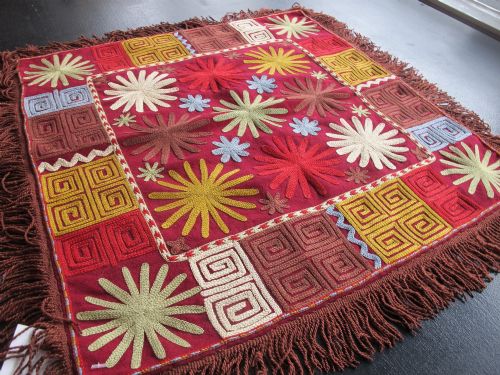
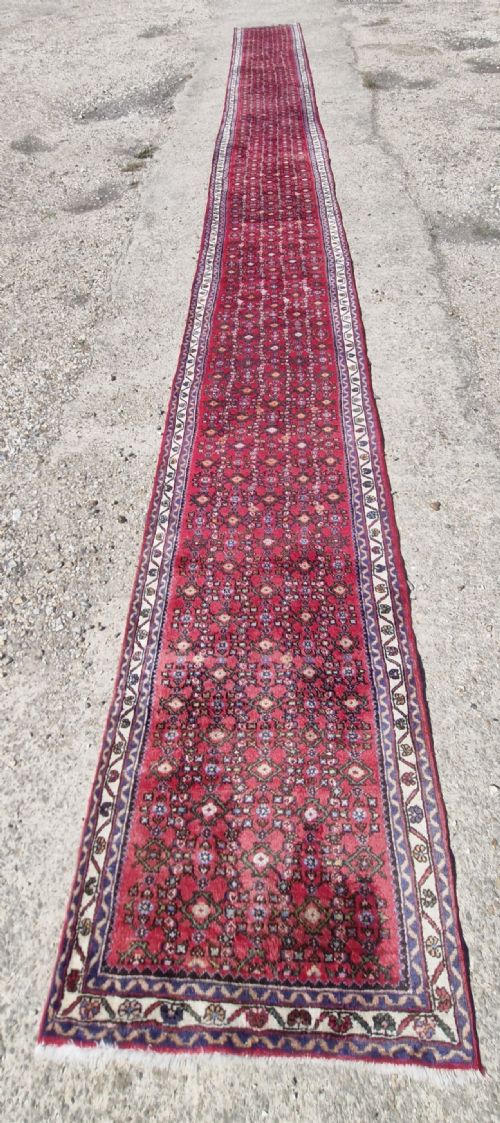

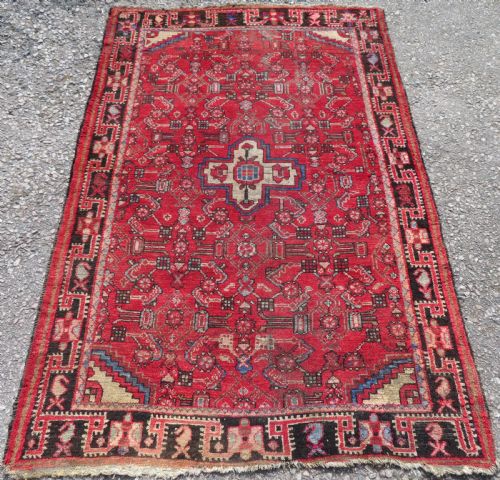
Crimson Tribal Rug
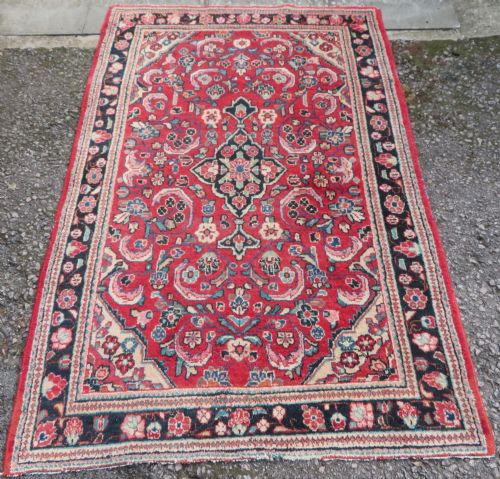
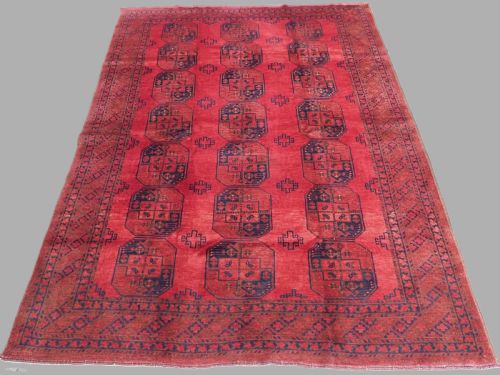
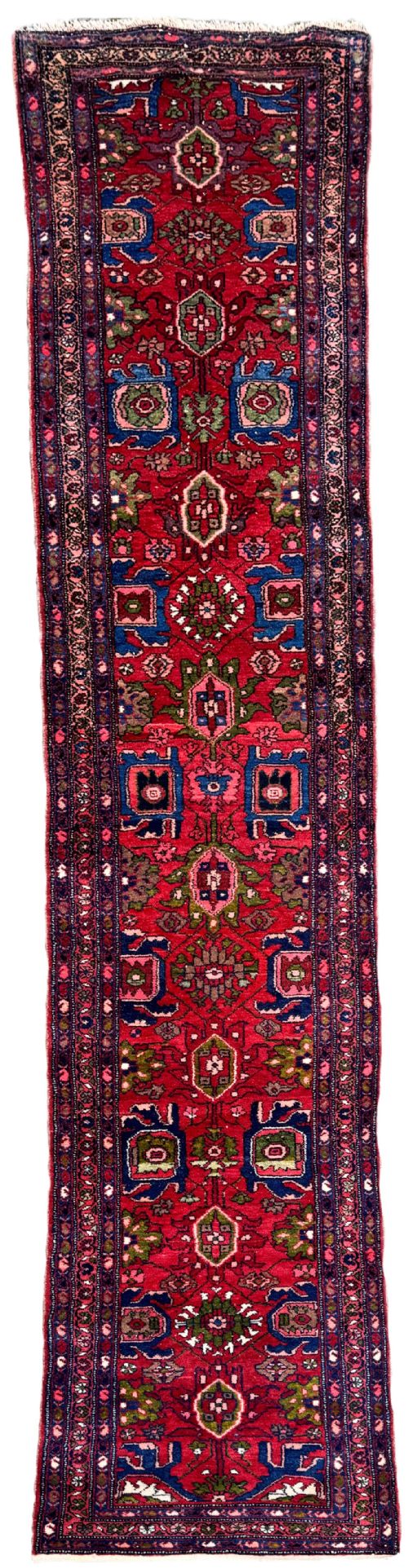
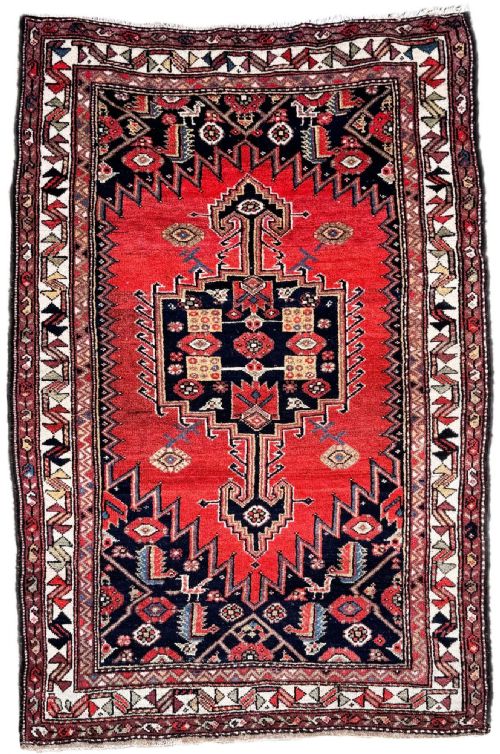
A crimson tribal rug brings centuries of nomadic heritage and deep red tones straight to your floor.
Crimson Tribal Rug
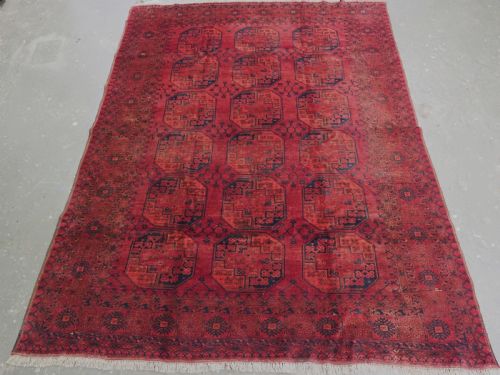
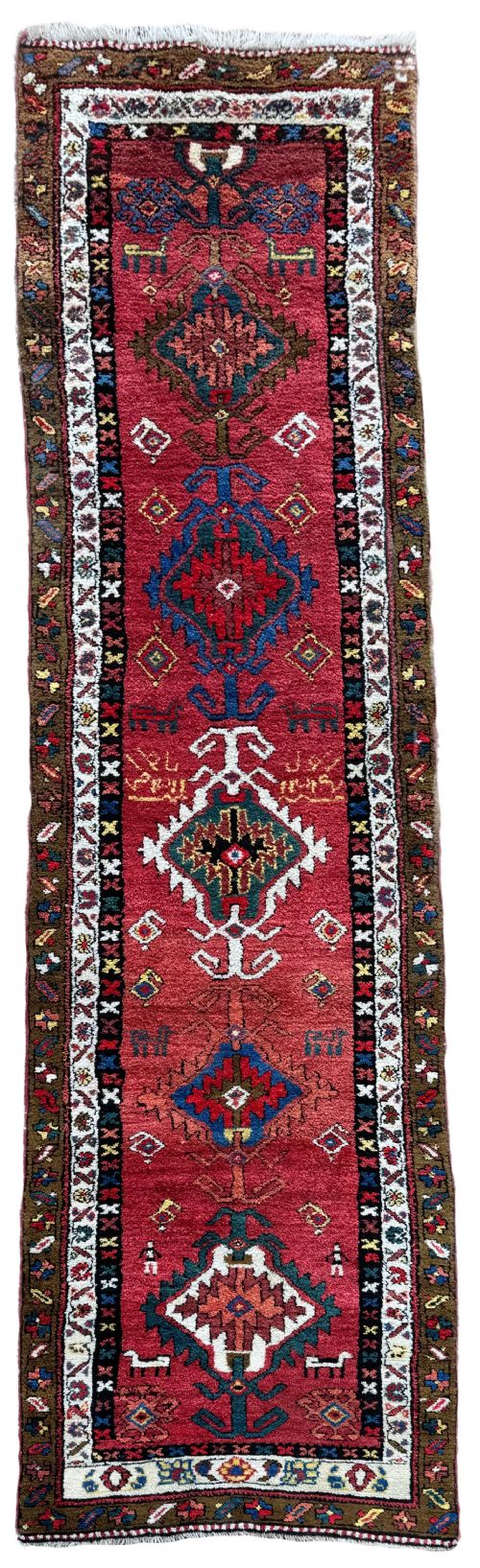
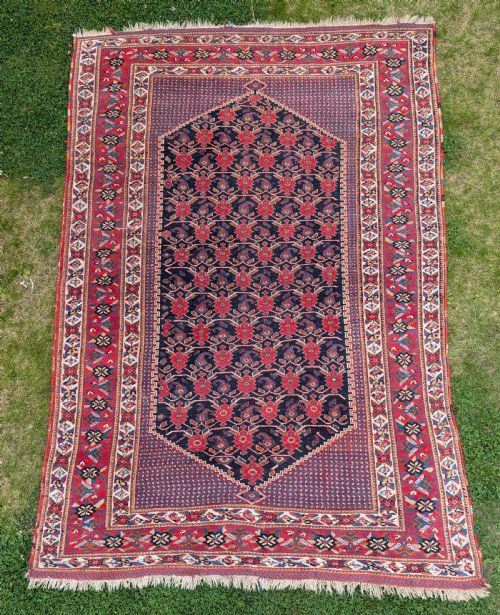
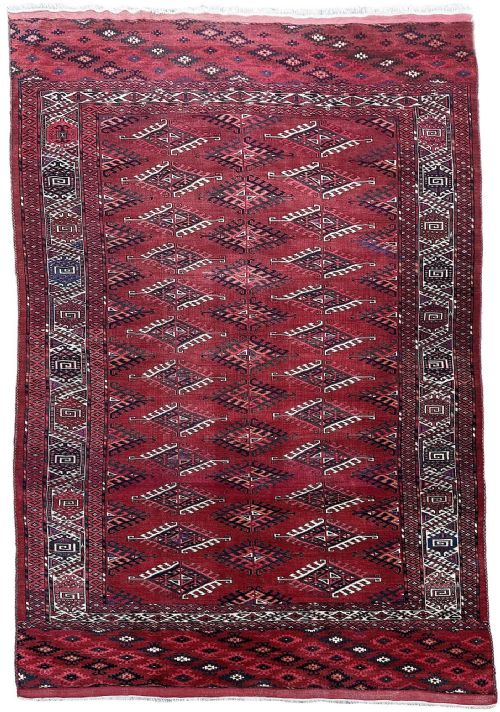
When you search for a crimson tribal rug, you are looking at hand-knotted woolen floor coverings and textiles originating from Central Asian and Anatolian nomadic or semi-nomadic groups. These pieces carry traditional motifs and tribal patterns that have been passed down through generations of weavers.
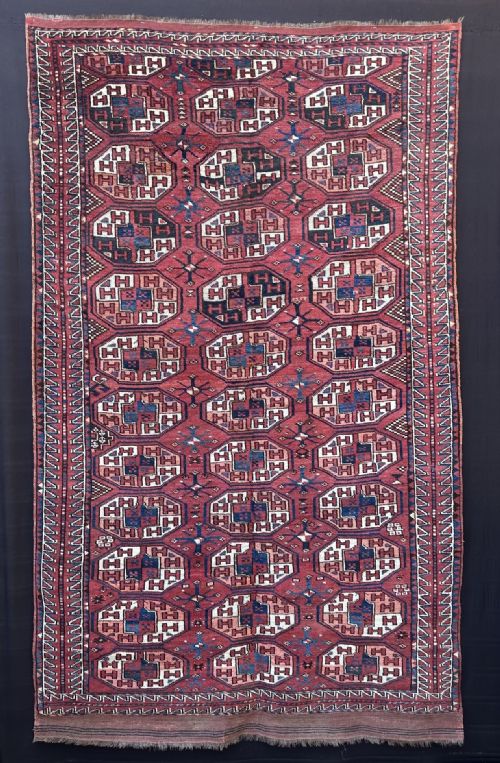
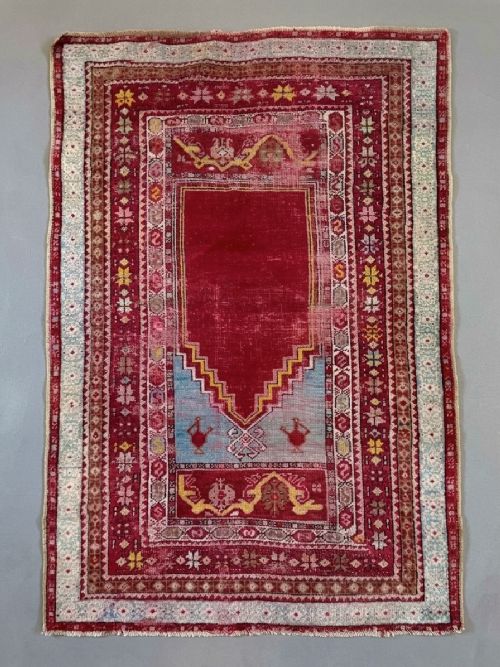
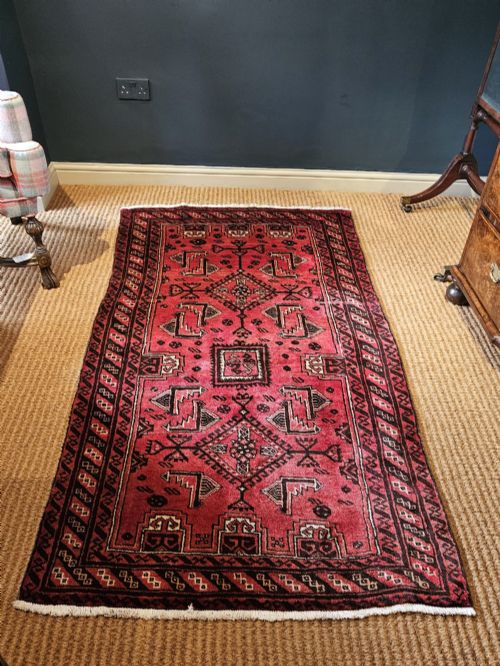
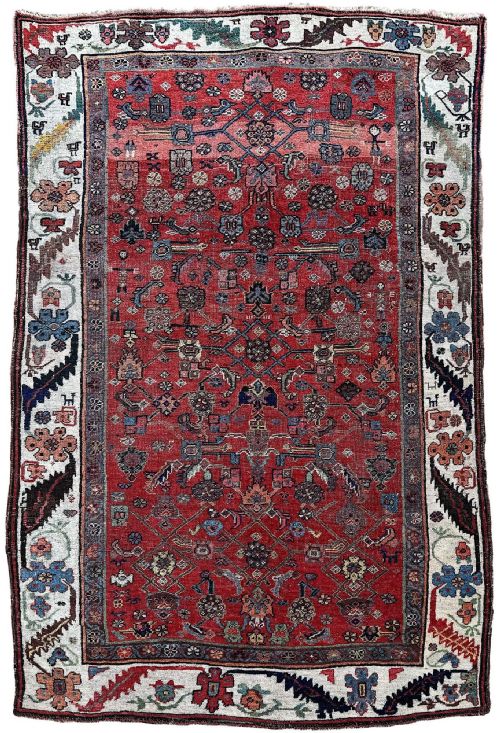
On this page, you are most likely to meet pieces originating from Turkmenistan, Afghanistan, and Eastern Anatolia. The selection spans the late nineteenth century and around nineteen hundred, featuring formats such as main carpets, chuval faces, and nomadic saddlebags.
How they were made
These textiles are constructed primarily from wool, utilising natural dyes to achieve their distinct red and crimson hues. Artisans wove them by hand on traditional looms, incorporating durable woolen foundations and sometimes retaining original leather or plain weave backing.
The making process relies entirely on tribal hand-knotting traditions, creating dense and resilient floor coverings designed for practical nomadic life. Skilled hands tied intricate geometric guls and traditional motifs directly into the structure.
Crimson Tribal Rug Retail Price Guide 2026
Typical asking prices for crimson tribal rug among the pieces listed under this phrase on Sellingantiques today, from the lower quarter to the upper quarter. They describe what is for sale here now, not the wider market.
Listings feature pieces spanning the late nineteenth century to around nineteen hundred, originating from Turkmenistan, Afghanistan, and Eastern Anatolia.
What varies in quality
The upper tier of these pieces is distinguished by exceptional depth of colour from natural dyes and particularly crisp rendering of traditional gul designs. Fineness of the knotting and overall structural integrity separate a masterwork from a standard utilitarian weaving.
Completeness also plays a role in the character of the piece, as seen in items retaining their original plain weave backs or surviving as full sets. The distinction lies in the survival of the original format and the richness imparted by age.
The Crimson Tribal Rug Glossary
- Gul
- A medallion or repeating octagonal motif used extensively in Turkmen and Afghan tribal weaving. These designs often identify the specific tribe or clan that produced the textile.
- Chuval
- A large storage bag face produced by Turkmen nomads, prized for its detailed primary guls and secondary ornamentation. They were traditionally used inside yurts for household possessions.
- Kelleh
- A long, narrow carpet format traditionally used in Middle Eastern and Central Asian interiors. These pieces offer an elongated proportion distinct from square or standard rectangular carpets.
- Heybe
- The Turkish term for a pair of saddlebags woven by nomadic groups such as the Yuruk. These items combine practical utility with intricate tribal artistry.
- Natural Dyes
- Colourants derived from plants, insects, and minerals rather than synthetic compounds. They yield the rich, complex crimson tones that age gracefully over the decades.
Crimson Tribal Rug: Frequently Asked Questions
What is a crimson tribal rug?
A crimson tribal rug is a hand-knotted wool textile created by nomadic and village weavers in regions such as Central Asia and Anatolia. These pieces are defined by their deep red colour palettes and traditional geometric patterns.
They reflect the cultural identity and weaving heritage of specific tribes, utilising natural materials and time-honoured knotting techniques.
How were these rugs used originally?
Originally, these textiles served varied practical purposes within nomadic and village daily life. Larger examples functioned as floor coverings and main carpets inside tents or homes.
Smaller formats, such as chuval faces and saddlebags, were utilised for storing household goods or for transport on pack animals during migration.
How do I care for an antique rug?
Living with an antique wool textile requires gentle maintenance and thoughtful placement to preserve its natural fibres. Regular light vacuuming without a beating brush helps keep dust from settling into the pile.
Keeping the piece out of direct, harsh sunlight protects the natural dyes from fading prematurely. Professional cleaning suited for antique textiles should be used when necessary.
How can I tell the age of a tribal rug?
Dating these pieces involves examining the materials, structural characteristics, and dye types used in their construction. Nineteenth-century examples often display organic variations in natural dyes and characteristic wool preparation.
Specific design elements, tribal attributions, and structural wear patterns also offer clues to the approximate period of creation.