


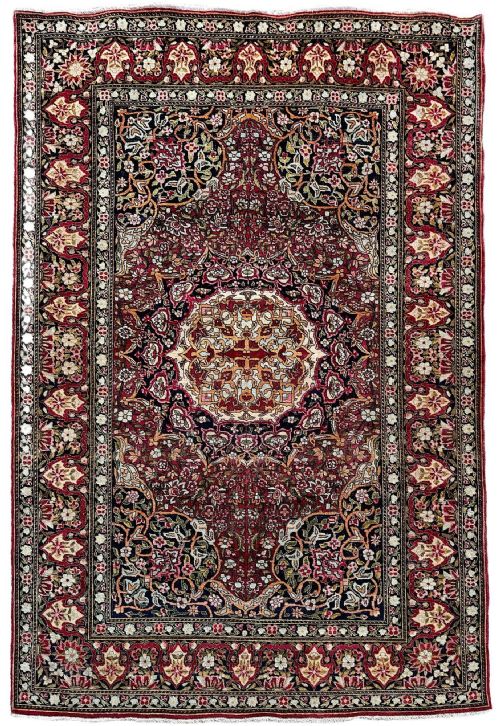
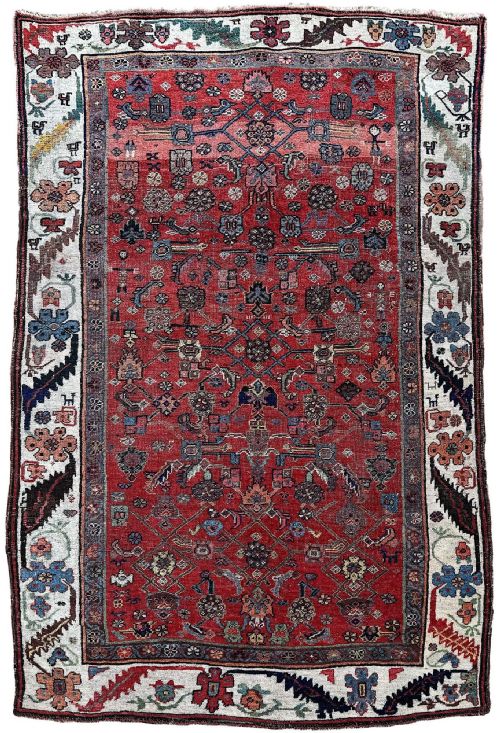
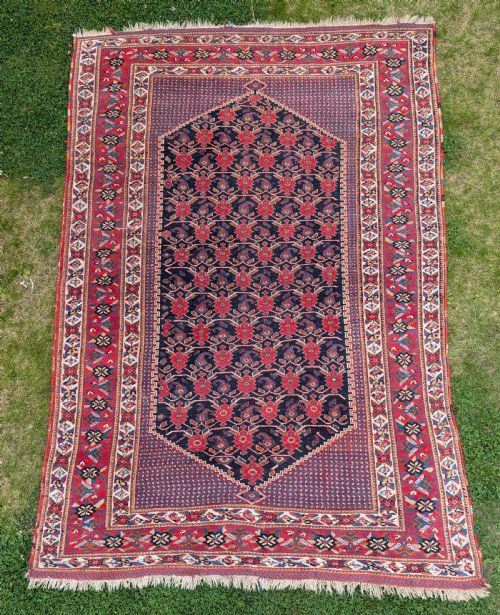
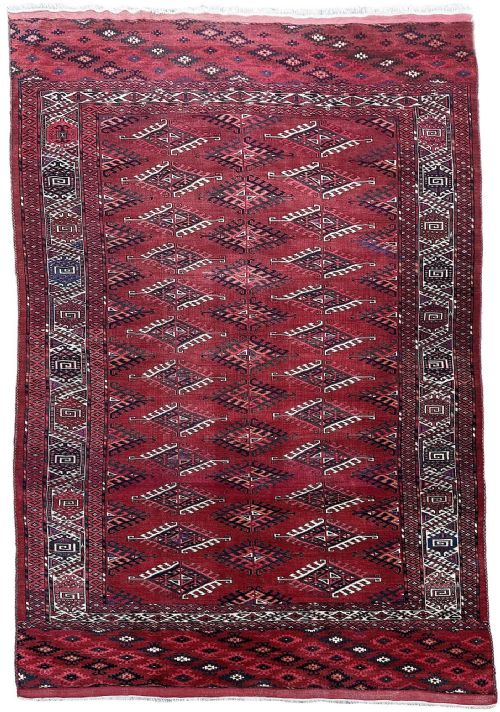
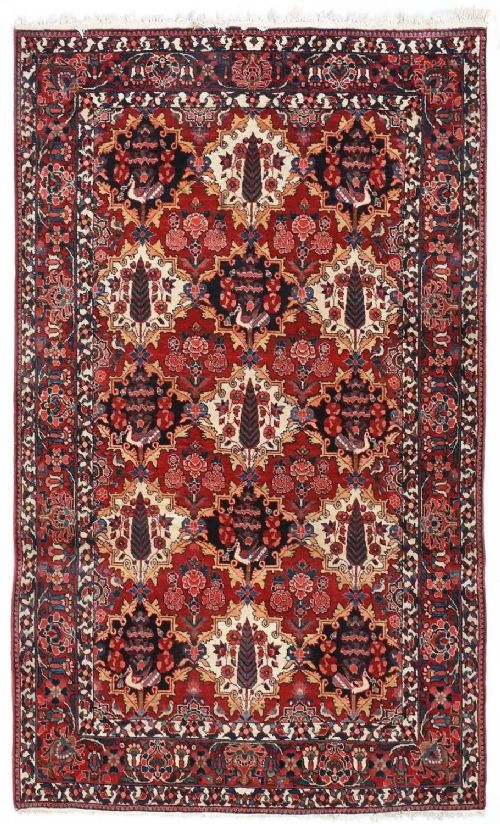
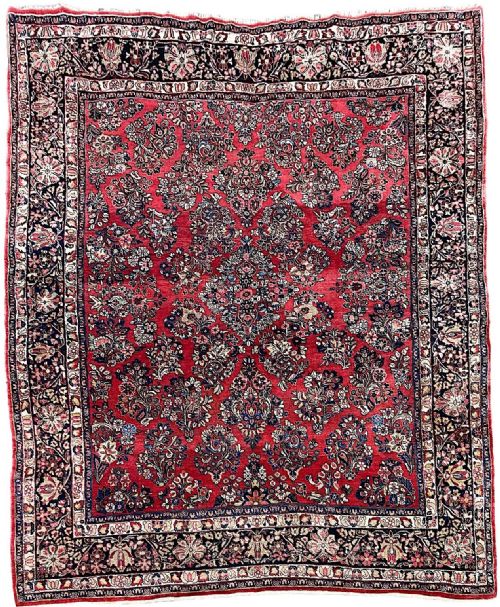
Crimson Red Area Rug
A crimson red area rug brings deep, rich dye tones and traditional hand-knotted craftsmanship directly onto the floor.
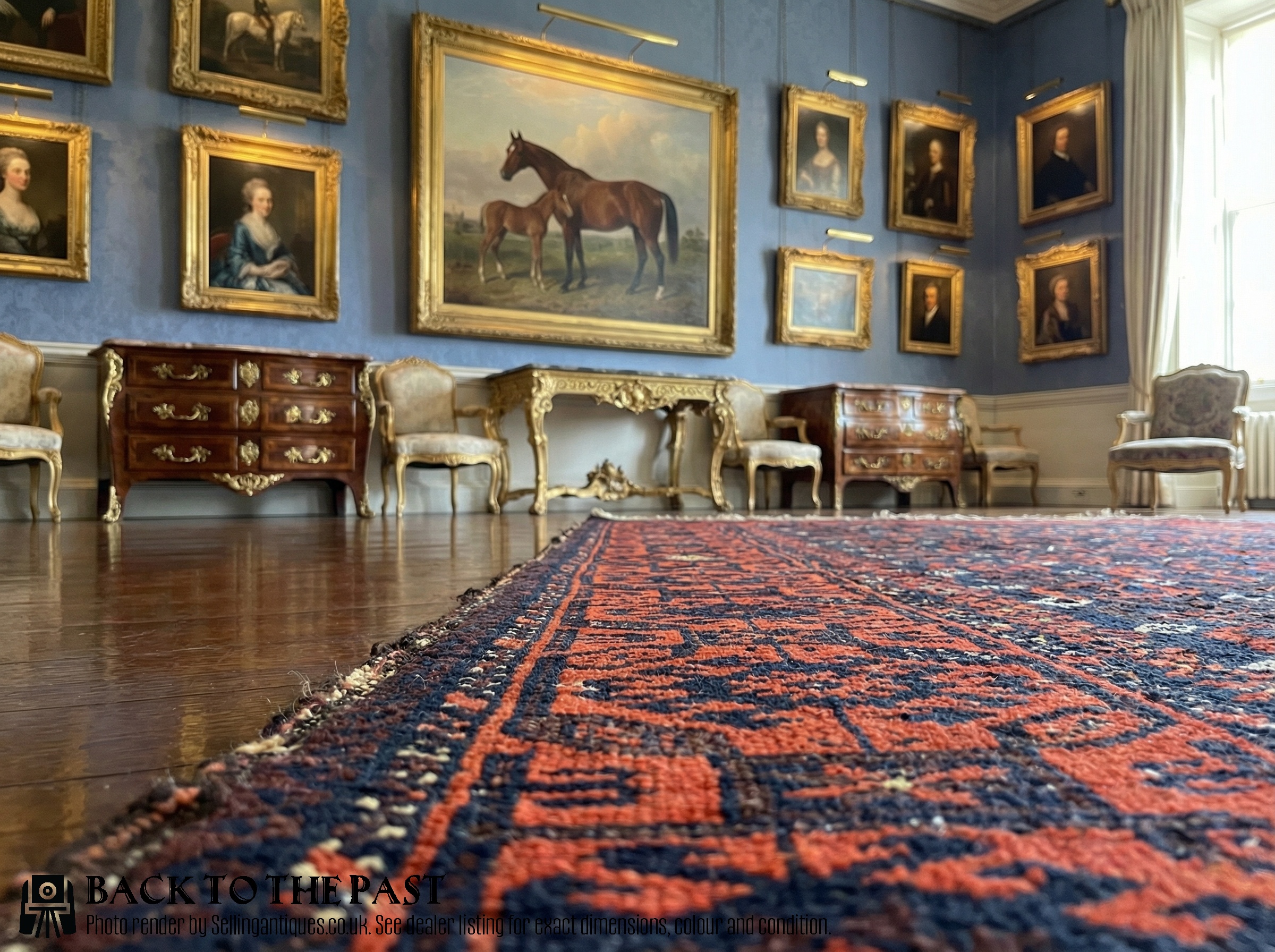
Crimson Red Area Rug
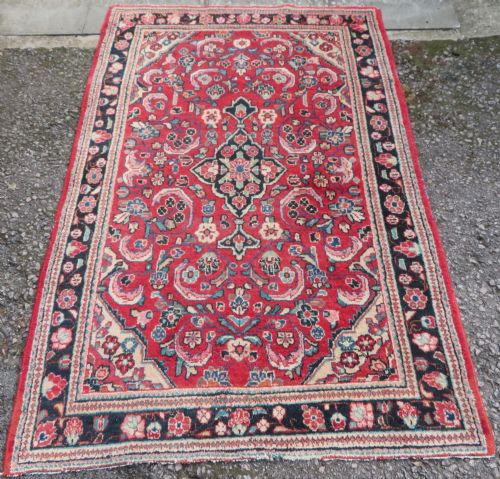
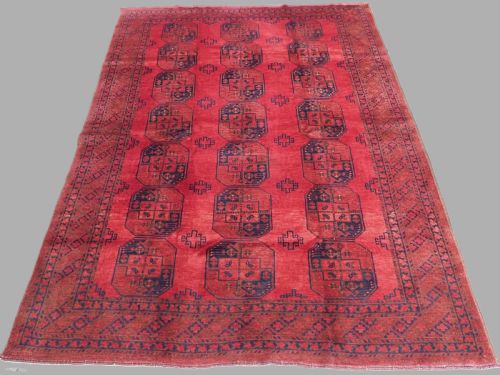
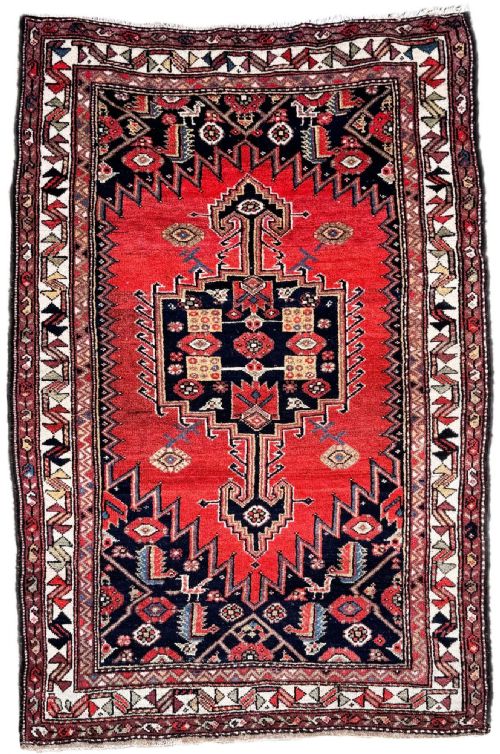
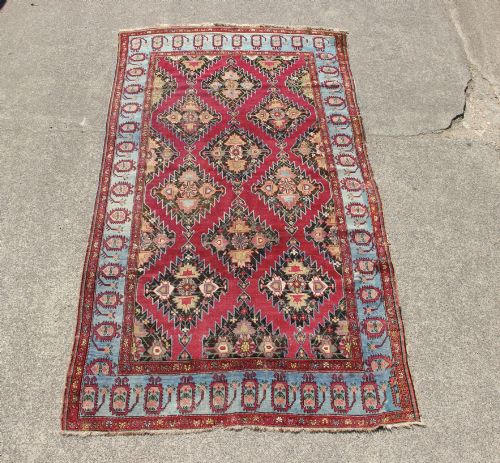
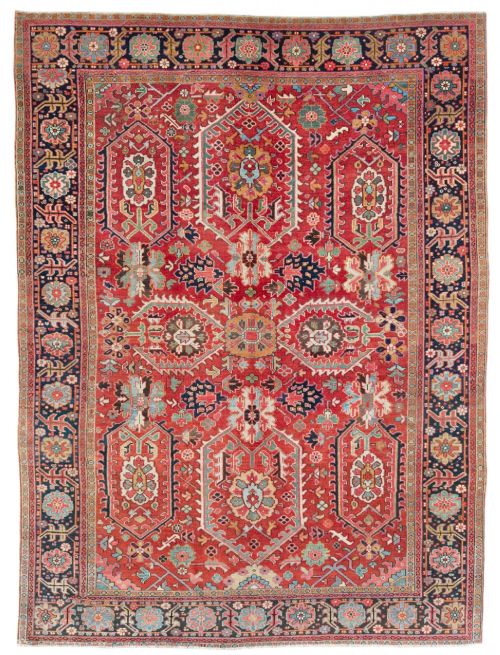
A crimson red area rug encompasses traditional hand-knotted floor coverings originating from Persia, the Caucasus, and Central Asia. These pieces date across the nineteenth and early twentieth centuries, spanning village and tribal workshops.
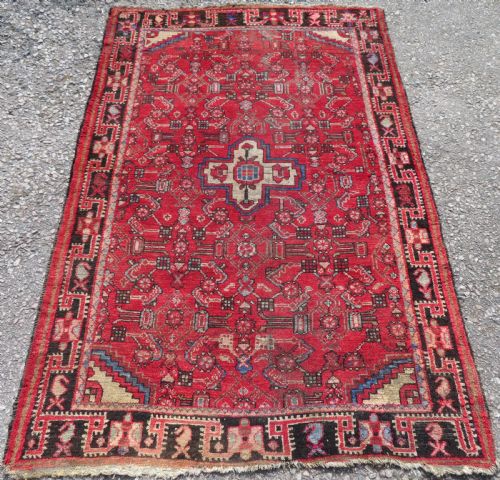
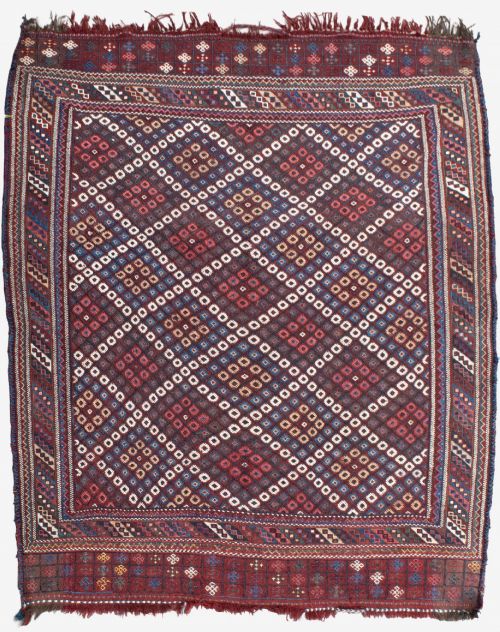
The version most commonly met on this page is the Persian village or tribal rug, created in wool with classic field designs. Central Asian and Caucasian tribal carpets also appear regularly, bringing distinct geometric motifs and rich dye palettes.
Makers utilised natural dyes to achieve deep crimson tones that have aged with mellow variations across the wool pile. Buyers encounter various formats ranging from small prayer rugs to room-size carpets.
Materials and construction methods
Weavers constructed these pieces using hand-spun wool and cotton foundations, tied with hand-knotted techniques that secure the pile. Silk also appears in specific fine urban pieces from regional centres.
Natural dyes provide the foundation for the colour palette, deriving from plant and insect sources that react over decades to light and wear. Hand-knotting density determines the weight and drape of each individual floor covering.
Listings feature traditional carpets and rugs produced in wool, cotton, and silk across the nineteenth and early twentieth centuries.
Factors determining quality
Knot density and precision of execution distinguish finer urban workshop carpets from coarser tribal weaving. The handling of the wool pile, whether fine and tightly packed or thick and rustic, dictates the tactile character.
The depth and complexity of the natural dye palette separate standard examples from superior pieces, particularly where crimson tones display subtle abrash and tonal shifts. Foundation integrity and edge finish further define the structural standard.
The Crimson Red Area Rug Glossary
- Abrash
- Natural variations in colour shading caused by shifts in dye batches or wool lots during weaving. This tonal variation often indicates traditional natural dyeing methods.
- Prayer rug
- A small rug featuring a mihrab or arch design at one end, traditionally used for individual prayer. These pieces often display specific directional motifs.
- Hand-knotted
- A construction technique where individual lengths of yarn are tied by hand around the warp threads. This process creates a durable pile that distinguishes antique carpets from machine-made textiles.
- Sofreh
- A flatwoven or piled spread used traditionally for dining, food preparation, or grain storage. These textiles share construction methods with regional rugs and carpets.
- Warp
- The vertical foundation threads stretched lengthwise on a loom before weaving begins. Weft threads are passed across these structural elements to secure the knots.
Crimson Red Area Rug: Frequently Asked Questions
How do I clean a wool rug?
Regular gentle vacuuming without a beater bar removes surface dust and loose grit from the wool pile. Professional specialist cleaning remains necessary for deep washing to protect natural dye stability.
Avoid household chemical treatments and excessive water exposure, which can damage the natural lanolin in the wool and alter dye colours.
Where were these rugs made?
These floor coverings originate from weaving traditions across Persia, the Caucasus, and Central Asia. Village and tribal groups produced them in distinct regional styles.
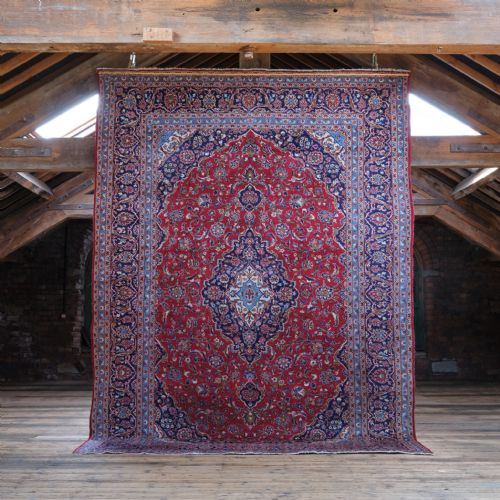
Urban centres such as Kashan, Isfahan, and Kirman also generated finer workshop carpets alongside nomadic tribal output.
What is natural dye?
Natural dyes are colourants extracted from plant, insect, and mineral sources prior to the invention of synthetic aniline dyes. These materials produce rich, complex hues that age gracefully.
Over decades, exposure to light and air allows natural dyes to develop soft patinas and subtle tonal variations across the pile.
How do I date an antique rug?
Dating relies on assessing structural characteristics, wool quality, dye types, and design motifs typical of specific historical periods. Regional weaving traits often correspond to established stylistic eras.
Examinations of the foundation wear, selvedges, and end finishes provide additional clues regarding the age and origin of the piece.