

Crested Gold Mirror
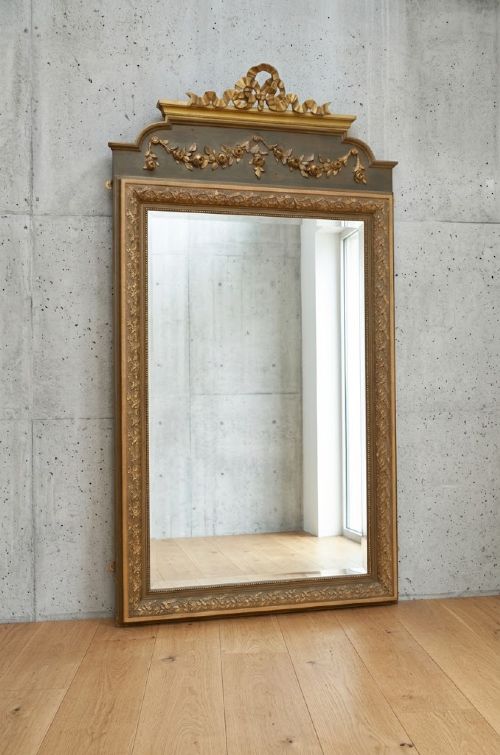
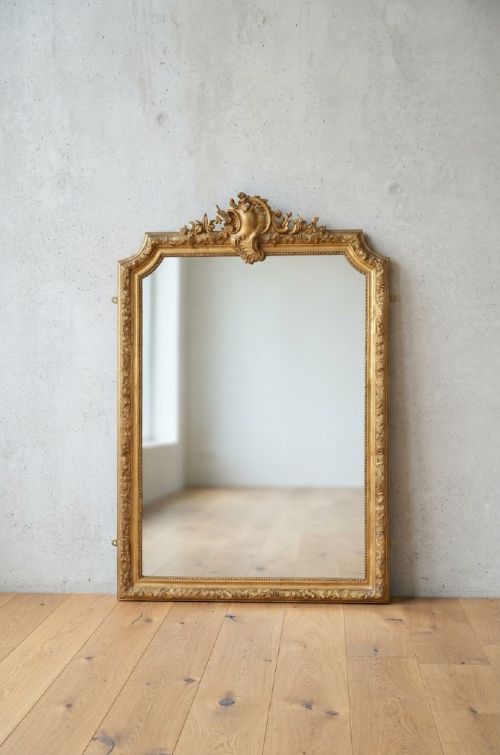
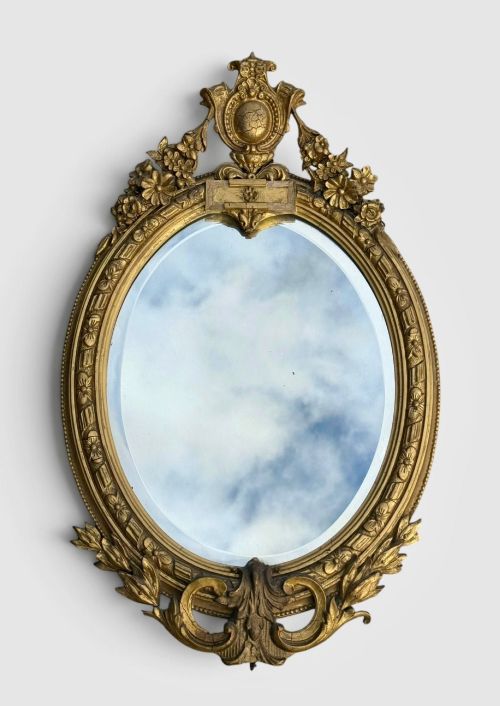
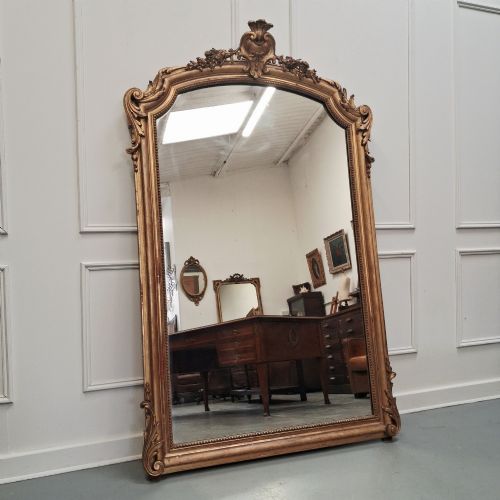
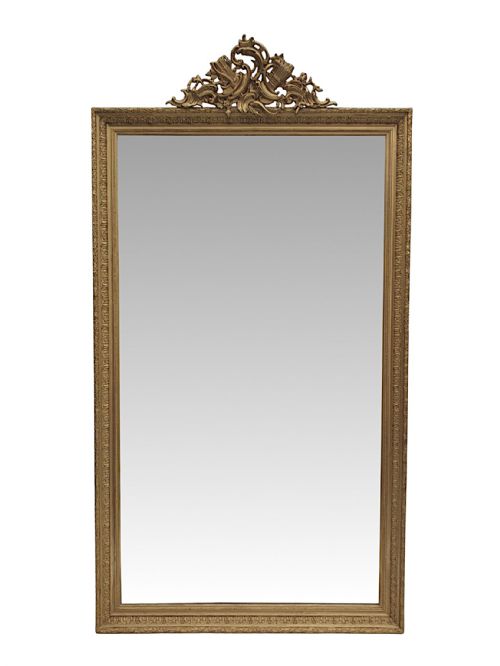
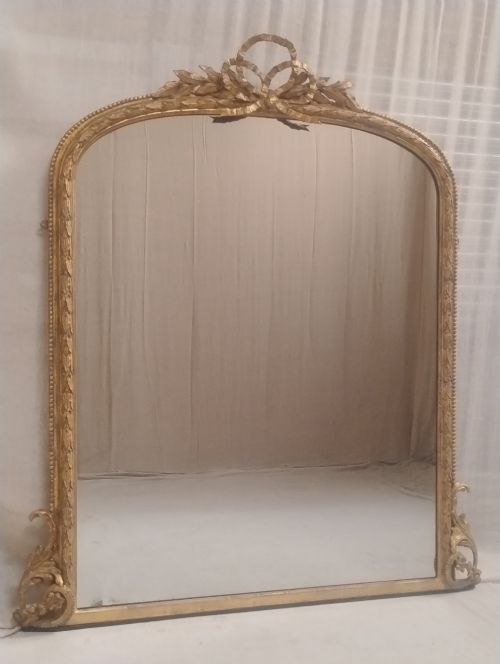
Every crested gold mirror brings the unmistakable weight of giltwood, gesso, and period glass into a room.
Crested Gold Mirror
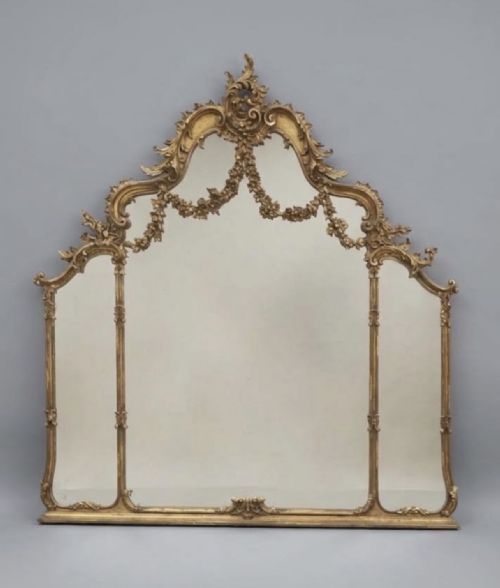
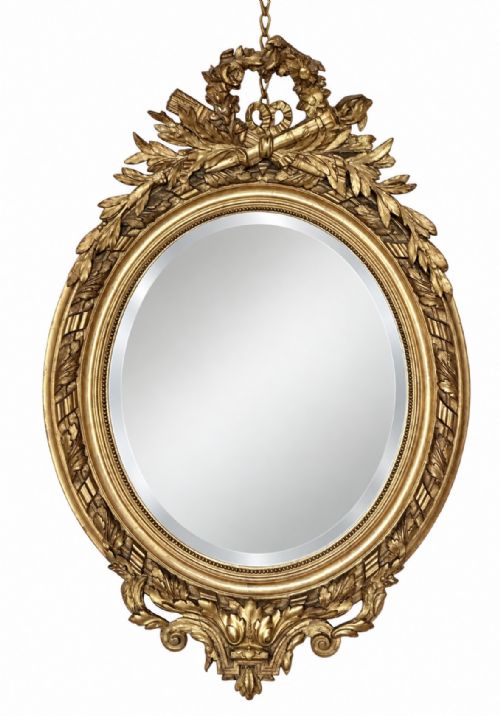
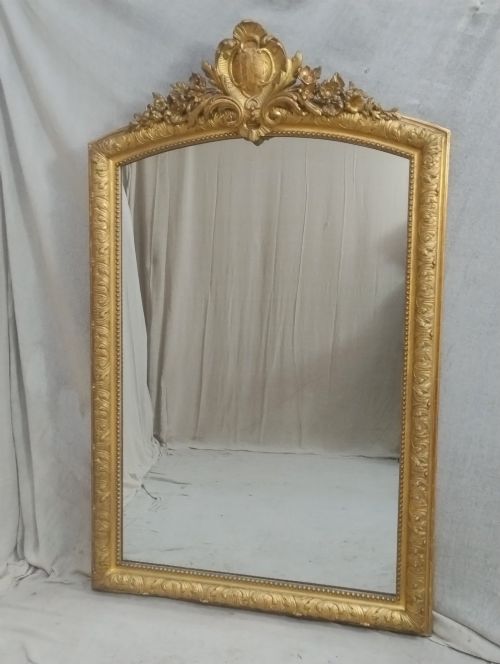
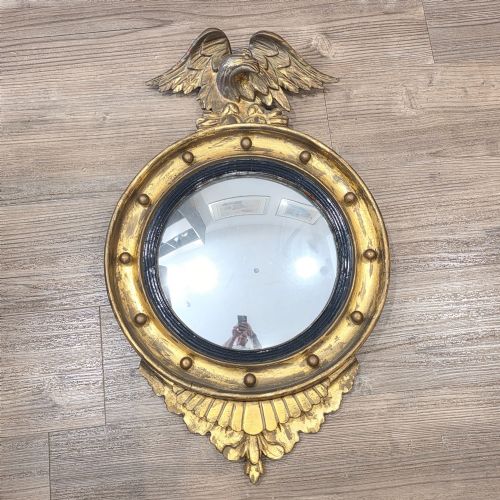
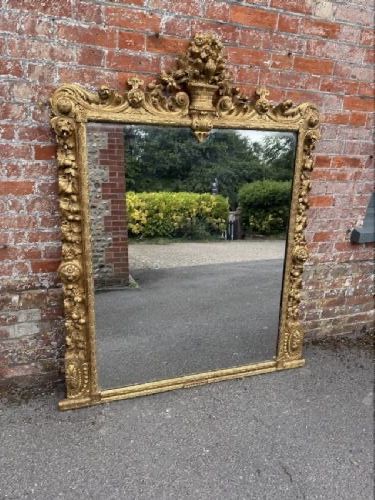
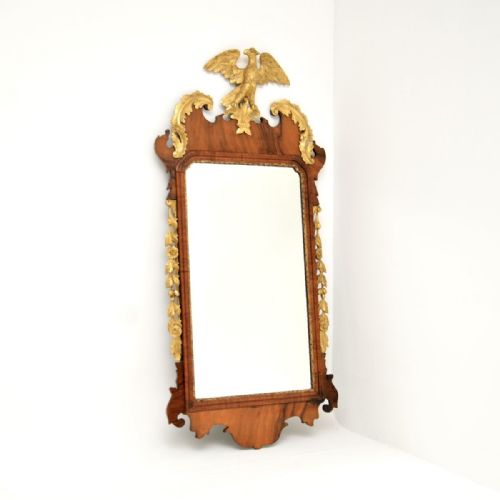
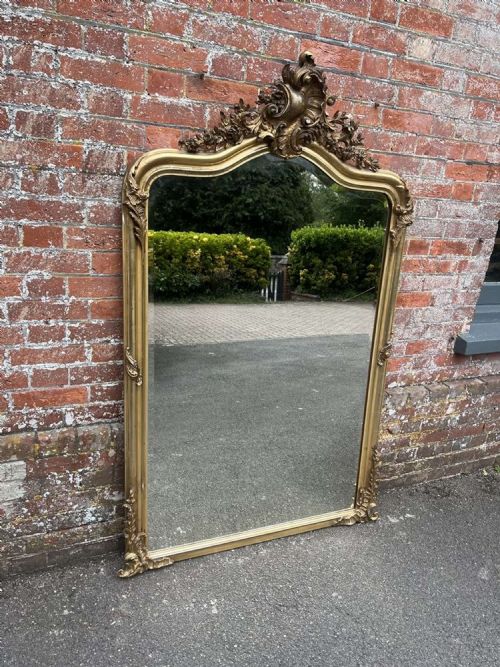
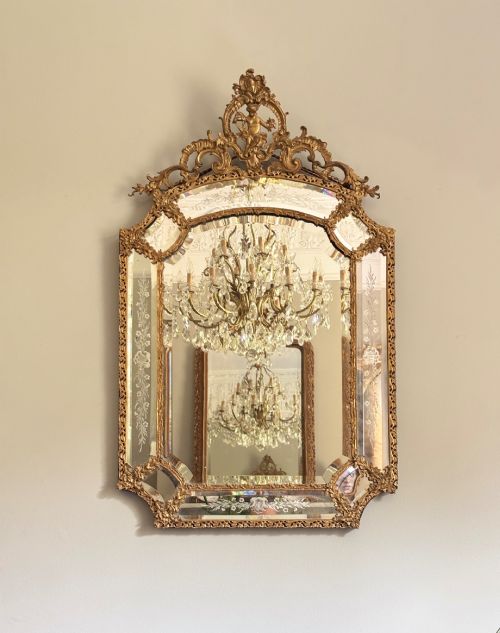
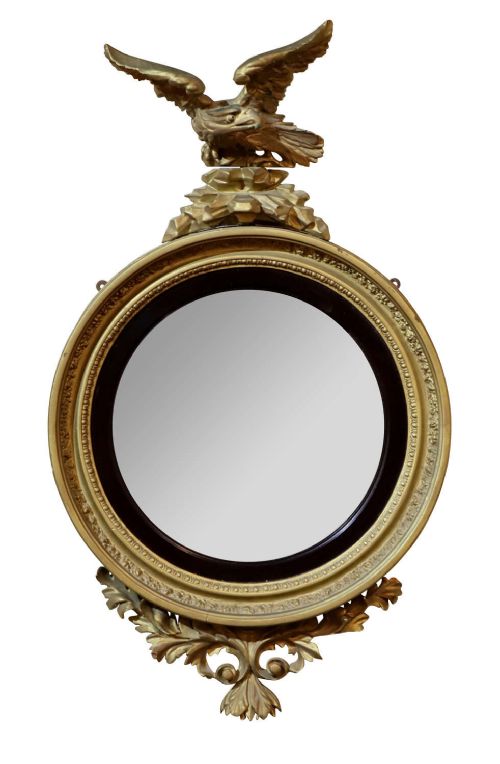
A crested gold mirror is essentially a decorative wall hanging defined by an elaborate upper ornament, often taking the form of an eagle, ribbon, or carved cartouche. When searching for a crested gold mirror, buyers encounter numerous large overmantel and pier forms spanning the eighteenth, nineteenth, and early twentieth centuries.
How They Were Made
Carved wooden foundations, often pine or softwood, receive layers of gesso to build up intricate relief details before receiving gold leaf or metallic paint. Composition ornament moulded from putty appears on many nineteenth-century frames to execute rapid, elaborate floral and scrolling motifs.
Mirrors utilise either early mercury glass with characteristic foxing or later bevelled glass plates secured within the rebated frame. Ebonisation and parcel-gilt treatments provide contrast on specific Victorian and Napoleon III examples.
Crested Gold Mirror Retail Price Guide 2026
Typical asking prices for crested gold mirror among the pieces listed under this phrase on Sellingantiques today, from the lower quarter to the upper quarter. They describe what is for sale here now, not the wider market.
Listings span the eighteenth to the twentieth centuries, with nineteenth-century French and English pieces forming the core of the selection.
What Varies in Quality
Depth and crispness of the hand-carved woodwork distinguish superior frames from those relying entirely on moulded composition ornament. Original gilding retaining its subtle patination and untouched historic mirror plates hold far more visual authority than later re-gilt surfaces and modern replacement glass.
The structural integrity of the cresting matters immensely, as these projecting wooden or gessoed elements suffer the most handling and damage over centuries. Proportion, balance, and the harmonious integration of the crest with the main mirror plate separate ambitious architectural pieces from simpler domestic looking glasses.
The Crested Gold Mirror Glossary
- Gesso
- A plaster-like mixture applied to wood frames to create a smooth surface for gilding or deep relief carving. It allows craftsmen to model intricate scrollwork and floral crests before applying gold leaf.
- Convex mirror
- A round looking glass with a curved surface that reflects a wide-angle, panoramic view of the interior. These pieces frequently feature eagle surmounts and spherical ball-turned frames.
- Overmantel mirror
- A wide looking glass specifically designed to hang on the wall directly above a fireplace mantel. They often incorporate architectural mouldings and grand crested tops to anchor the hearth.
- Pier mirror
- A tall, vertical looking glass proportioned to hang on the narrow wall space between two windows. These frames make maximum use of vertical light in nineteenth-century formal rooms.
- Foxing
- Small dark spots and speckling that develop within the silvering of antique mirror glass over long periods. This chemical ageing process proves the age of original mercury plates.
Crested Gold Mirror: Frequently Asked Questions
How do I hang a heavy overmantel mirror safely?
Large crested gold mirrors carry substantial weight from their wooden frames and thick glass plates. They require professional wall anchors screwed directly into structural studs rather than standard plaster fixings.
Weight distribution matters because the projecting crest places additional strain on the top hanging points. Using heavy-duty mirror brackets ensures the frame stays secure against the wall.
What is a convex mirror used for?
Convex looking glasses originated to monitor activity across large rooms and banking halls. Their curved glass creates a miniature fish-eye perspective that fills dark corners with reflected light.
Placed opposite a window, these circular frames distribute natural illumination effectively. Their distinctive eagle crests traditionally symbolised watchfulness.
How do I clean antique giltwood frames?
Dusting requires a very soft, dry brush to prevent dislodging delicate gesso details or flaking gold leaf. Moisture damages historic water gilding instantly, so wet cleaning products must stay away from the wood surface.
Glass cleaner should be applied directly to a cloth rather than the mirror itself. This prevents liquid from seeping behind the plate and causing further foxing to the silvering.
How can I tell a Regency mirror from a Victorian one?
Regency pieces often display classical motifs like ball-stud frames, reeded pilasters, and spread eagles associated with early nineteenth-century neoclassical taste. Their construction relies heavily on hand-carved wood and distinct gesso proportions.
Victorian examples tend towards heavier, highly ornate Rococo Revival scrolling and extensive moulded composition ornament. They frequently utilise arched tops designed specifically for mid-nineteenth-century domestic interiors.