
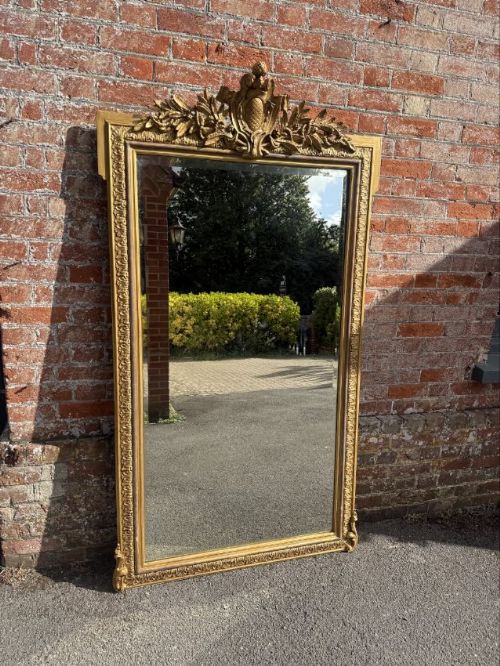
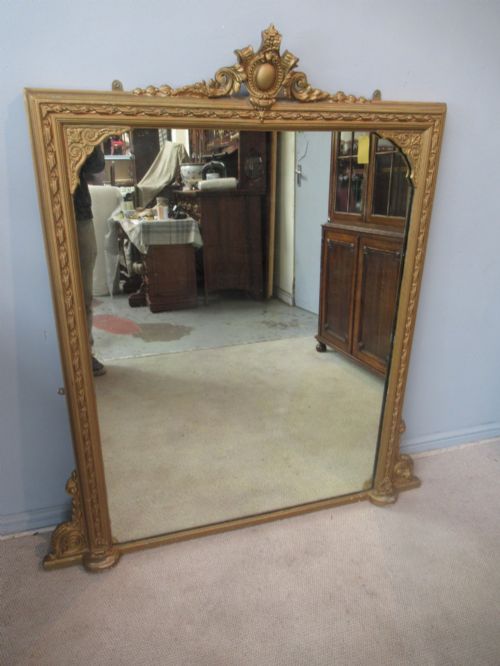
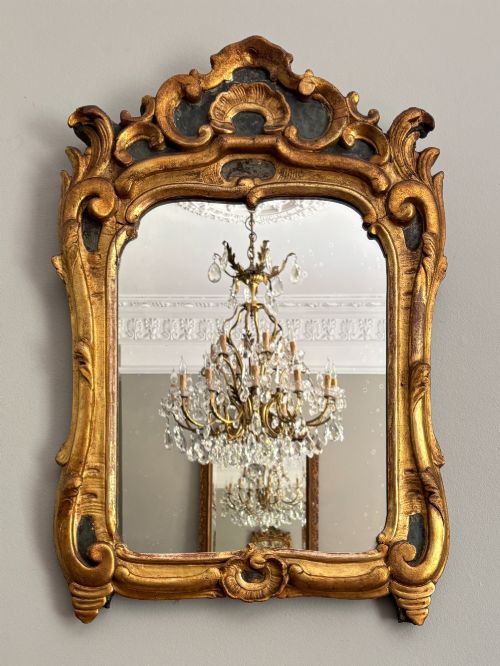
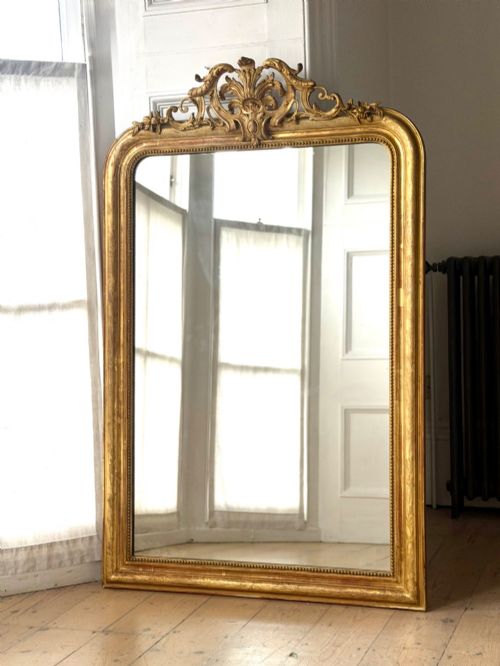
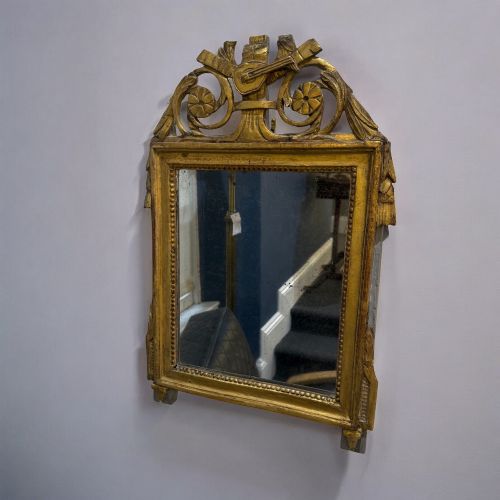
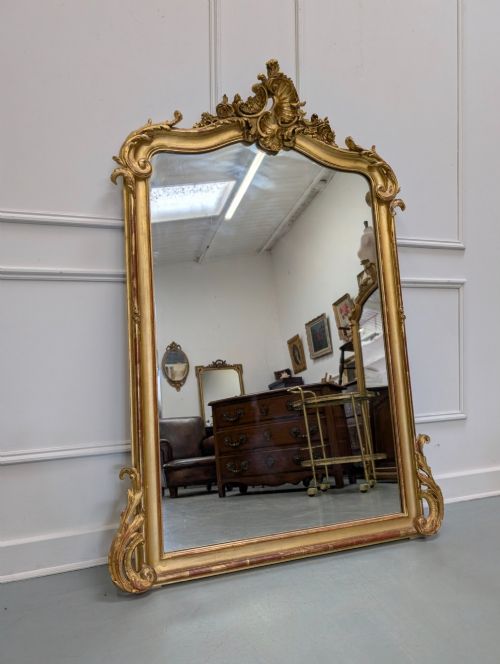
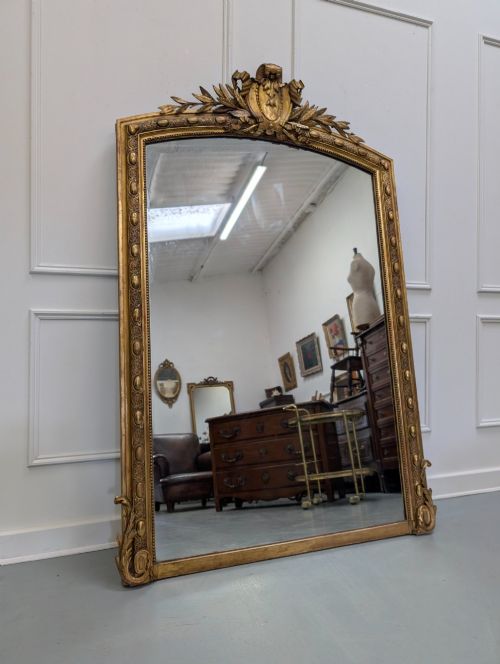
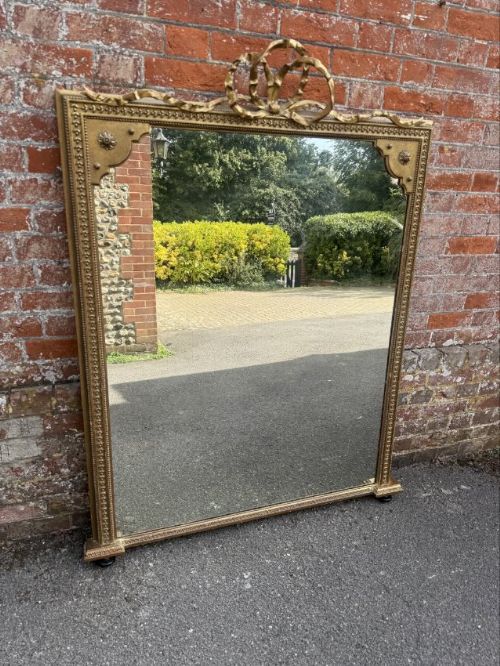
Crested Gilt Wall Mirror
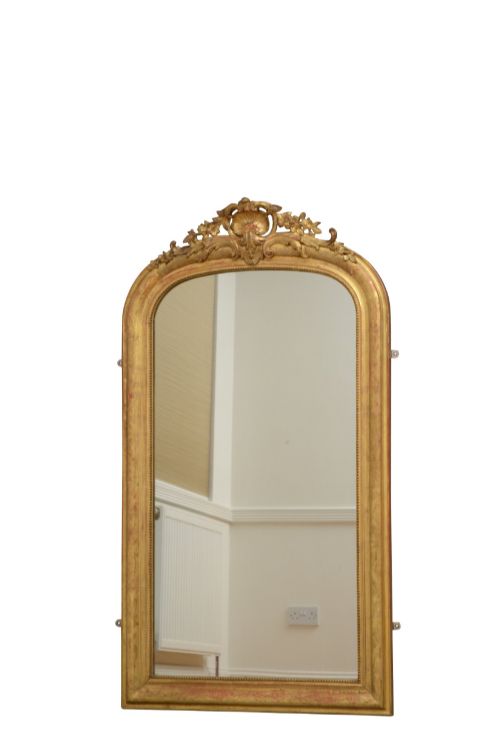
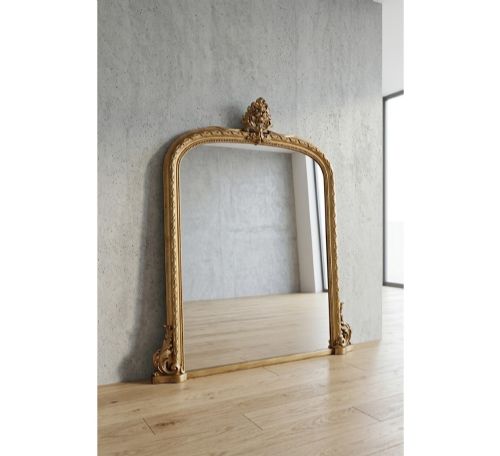
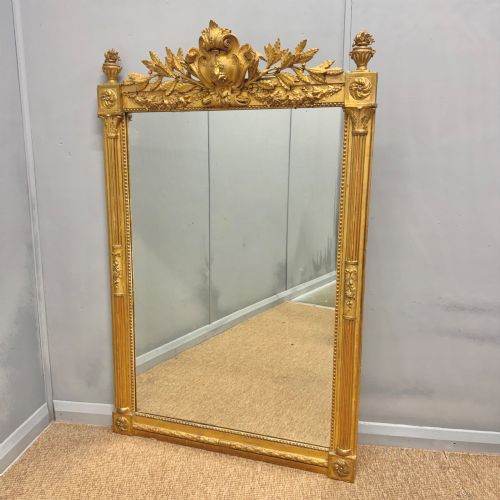
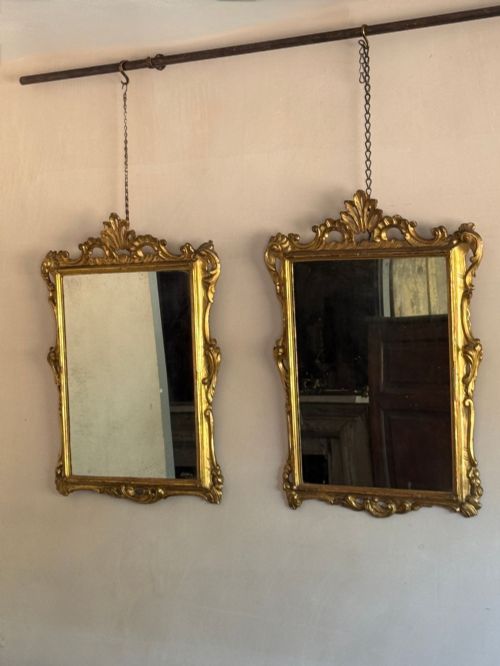
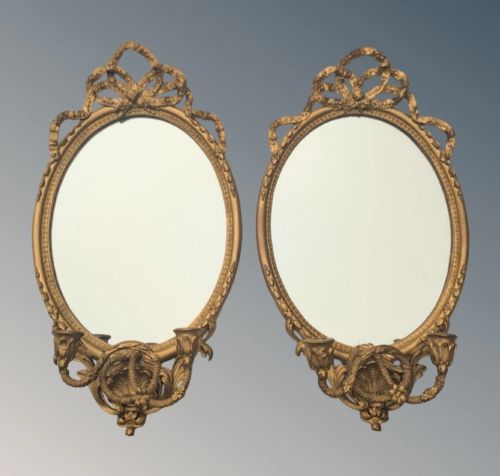
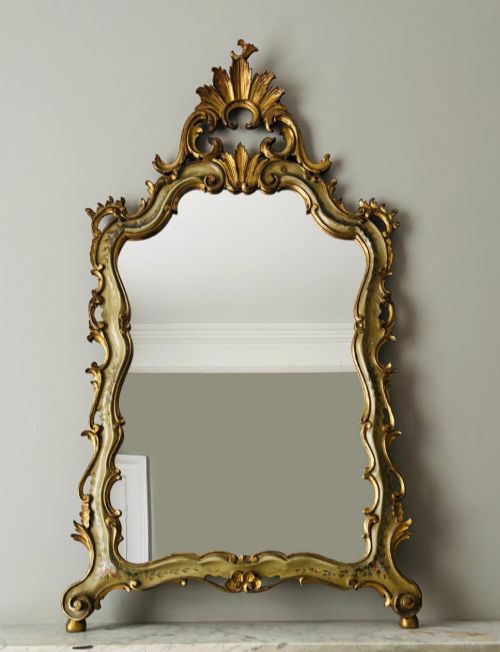
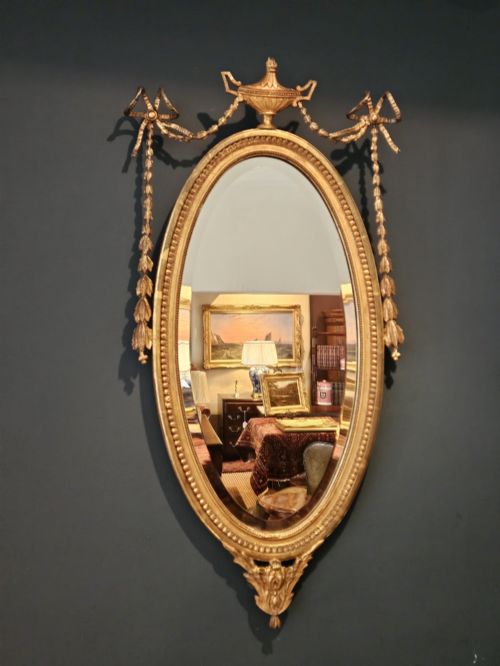
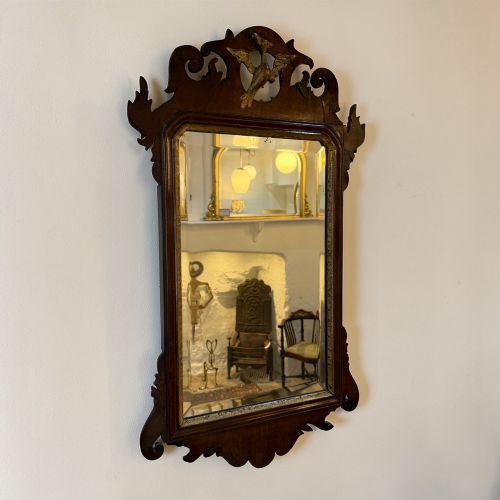
These crested gilt wall mirrors bring height and reflected light to a room, dominated by nineteenth-century French and English examples with carved crests.
Crested Gilt Wall Mirror
When you search for a crested gilt wall mirror, you encounter pieces defined by elaborate top ornaments, ranging from spread eagles and ribbon bows to carved foliage and scrolls. The selections span the eighteenth, nineteenth, and early twentieth centuries, drawing heavily on French and English cabinet-making traditions.
Overmantel mirrors and tall pier mirrors dominate the forms, alongside convex circular glasses and fret-cut mahogany designs. Many date from the Victorian and Regency eras, though significant eighteenth-century and Belle Époque French pieces also appear.
The defining crest sits above the primary glass frame, often taking the form of an eagle surmount or a pierced wooden cartouche. These items function equally as commanding mantel centrepieces and striking wall focal points in traditional interiors.
How They Were Made
Makers built the primary structures from timber such as mahogany, pine, and ebonised wood, applying layered gesso to mould intricate ornamental details. Craftsmen then gilded these surfaces using gold leaf or silver-gilt, creating the bright metallic finishes characteristic of the period.
Glass plates were silvered using traditional techniques, and older examples occasionally retain mercury glass with characteristic foxing and spotting. Frames frequently combine carved wooden elements with delicate gesso mouldings to achieve the high relief of Louis XV, Rococo, and Chippendale styles.
Materials span giltwood, gesso, gold leaf, mahogany, and ebonised wood across eighteenth and nineteenth-century periods.
What Varies in Quality
The crispness of the carved woodwork and the depth of the gesso modelling dictate the visual impact of the piece. Superior examples display sharp, hand-carved relief on the crest and frame, while lesser items rely on softer, shallower moulding.
The retention of original gilding and the character of the mirror plate significantly influence the integrity of the object. Original bevelled glass or undisturbed foxed mercury plates elevate an antique, whereas later replacement glass alters the historical weight of the mirror.
The Crested Gilt Wall Mirror Glossary
- Gesso
- A plaster-like mixture applied to wood frames to provide a smooth base for gilding. Artisans carved intricate decorative motifs directly into this dried layer.
- Giltwood
- Timber that has been coated in gold leaf or gold paint. It forms the primary bright surface of most formal antique wall mirrors.
- Overmantel Mirror
- A wide glass designed specifically to hang above a fireplace mantel. These large pieces frequently feature ornate architectural crests to fill vertical wall space.
- Convex Mirror
- A round mirror with a curved outward glass plate that provides a wide-angle reflection of the room. They often feature eagle surmounts and candle arms.
- Parcel Gilt
- Woodwork where only specific carved details or highlights are gilded, leaving the underlying dark wood, such as mahogany, exposed elsewhere.
- Foxing
- Age-related spots and discoloration within the silvering of antique mirror glass. Collectors prize undisturbed foxing as evidence of genuine age.
Crested Gilt Wall Mirror: Frequently Asked Questions
How do I hang a heavy crested gilt mirror?
These mirrors carry substantial weight due to their timber frames and dense gesso ornamentation. You must anchor them securely into wall studs using heavy-duty brackets suited to the specific wall type.
Professional installation is often advisable for large overmantel formats to ensure the weight distributes evenly across the hanging hardware.
Where should I place an overmantel mirror?
Positioning them directly above a fireplace mantel remains the traditional placement, where they reflect light and anchor the hearth visually. They work equally well hung above a low sideboard or console table in a dining room or hallway.
Ensure the scale of the mirror matches the width of the furniture below it to maintain visual proportion.
What is the difference between Regency and Victorian styles?
Regency mirrors tend to feature classical restraint, often taking circular convex forms with reeded ebonised slips and prominent eagle crests. Victorian pieces frequently embrace heavier, ornate revivalism with deep gesso relief and architectural arches.
Examining the underlying timber construction and the style of the crest helps distinguish between these nineteenth-century periods.