



Crest Wall Plaques
Crest wall plaques bring centuries of heraldry, civic pride and institutional history straight onto interior walls.
Crest Wall Plaques
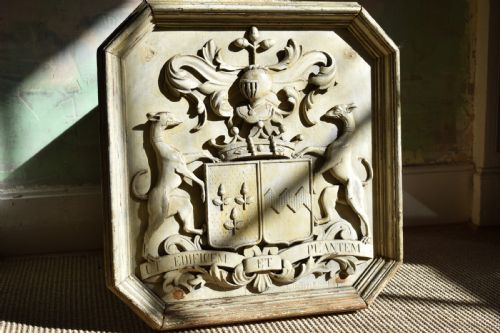
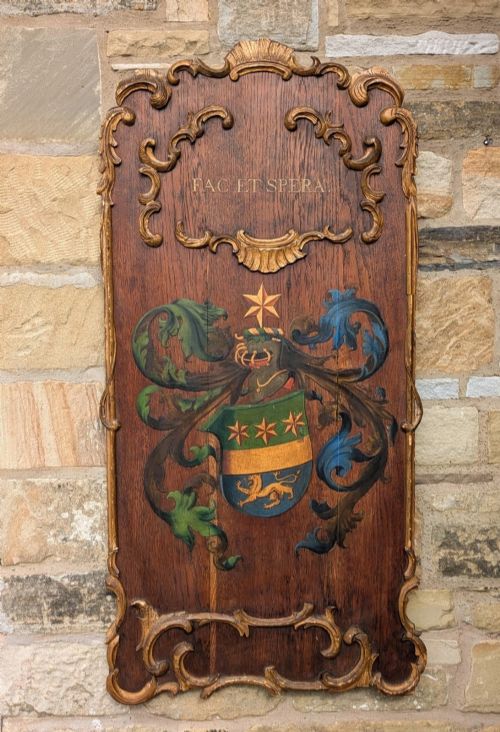
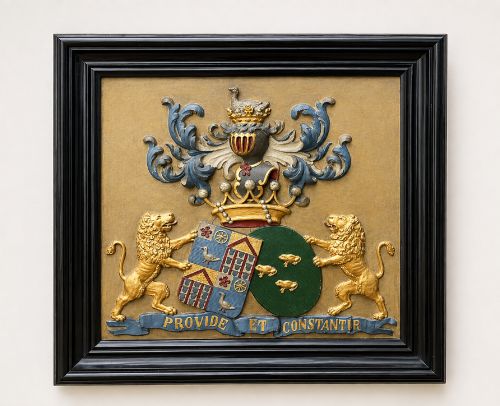
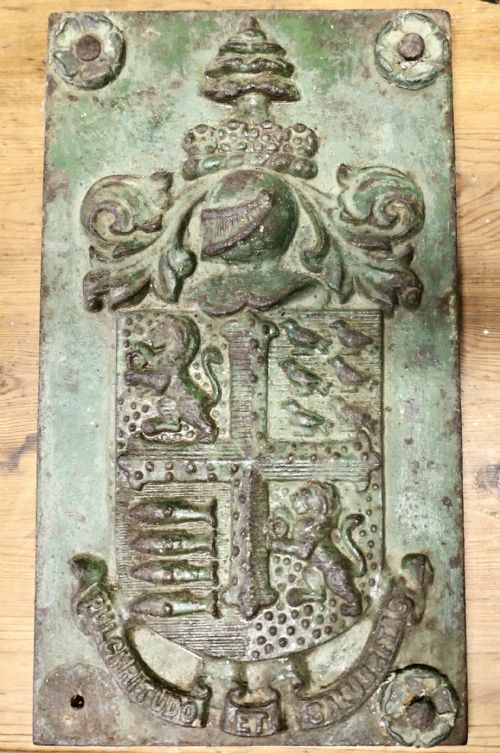
Crest wall plaques encompass carved wooden shields, cast iron royal coats of arms, and hand-painted armorial panels originating from the eighteenth, nineteenth and early twentieth centuries. These decorative objects display lineage, corporate identity or municipal status through heraldic devices and coats of arms.
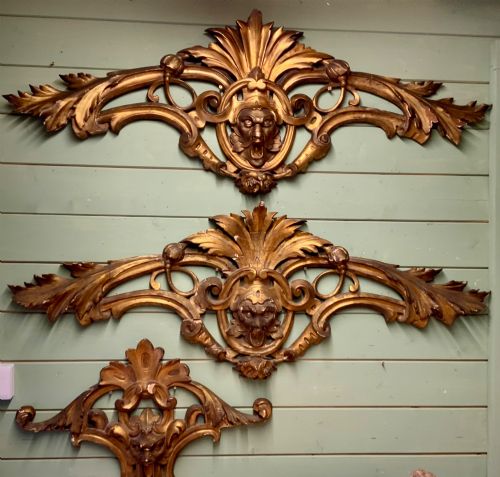
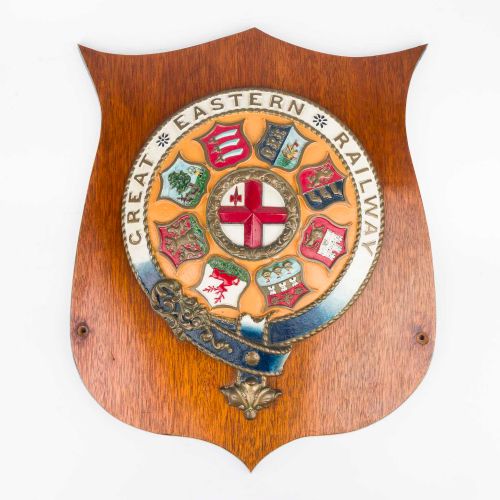
The specimens met on this page span diverse cultural origins, including Dutch marriage plaques, British railway crests, French wood carvings and Italian marble panels. Architectural fragments and fairground carousel panels also appear among the wall decor.
Nineteenth-century examples dominate the selection, heavily influenced by Victorian Gothic revival and heraldic styles. Buyers encounter both monumental cast iron castings intended for public buildings and intimate carved wooden panels meant for domestic display.
Materials and construction
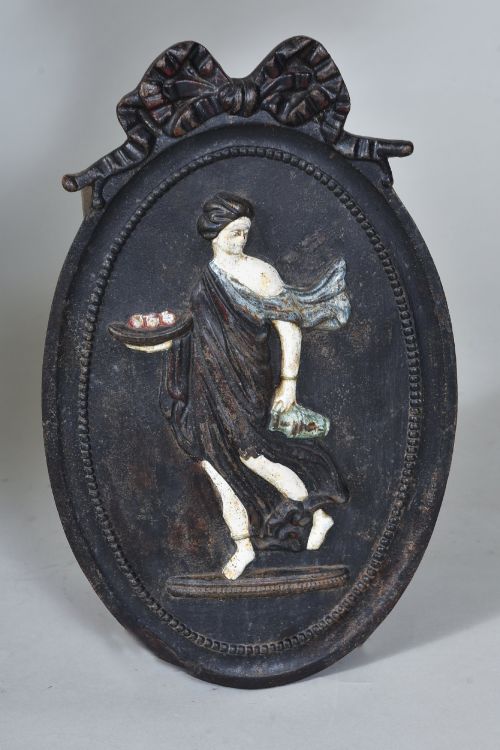
Foundry work and metal casting define the heavier pieces, utilising cast iron, bronze and brass. Makers integrated gold leaf, gesso and polychrome paint to highlight the intricate details of royal coats of arms and institutional badges.
Woodworking traditions shape the lighter armorial panels and shields, employing oak, walnut, hardwood and tiger oak. Carvers combined relief work with inset brass frames or hand-painted surfaces to achieve depth and contrast.
Crest Wall Plaques Retail Price Guide 2026
Typical asking prices for crest wall plaques among the pieces listed under this phrase on Sellingantiques today, from the lower quarter to the upper quarter. They describe what is for sale here now, not the wider market.
Materials span paint, oak, cast iron, gold leaf, wood, bronze, gilt and gesso.
Quality and execution
Quality rests upon the crispness of the carving and the precision of the metal casting. Superior pieces display sharp relief in the heraldic beasts, foliage and mottoes, whereas lesser examples lose definition in the details.
The integrity of the original surface finish dictates value. Intact polychrome paint, authentic gilding and well-preserved patination on metals and woods elevate a plaque far above examples stripped or repainted in later eras.
The Crest Wall Plaques Glossary
- Armorial shield
- A defensive structure displaying heraldic bearings, coats of arms or family crests. These wooden or metal pieces formed the core format for displaying lineage.
- Gesso
- A plaster-like mixture applied to wood surfaces as a base for painting or gilding. It allows artisans to model fine decorative relief details before finishing.
- Polychrome
- The practice of decorating architectural elements or carvings in multiple colours. This technique brought realism and vibrancy to historical coats of arms.
- Architectural salvage
- Building elements rescued from structures slated for demolition. Crest plaques often originate as salvaged exterior or interior ornamentation from public works.
Crest Wall Plaques: Frequently Asked Questions
Where were crest wall plaques originally displayed?
These plaques decorated civic buildings, railway stations, private residences and institutional halls to signify authority, lineage or ownership.
Many heavier iron and bronze variants served as exterior architectural markers or transport emblems before entering the decorative market.
How do I identify a Victorian heraldic plaque?
Victorian pieces often draw upon Gothic revival styles, featuring deep oak or walnut carvings alongside monumental cast iron royal insignia.
Makers of this era frequently incorporated precise historical motifs, mirroring the nineteenth-century fascination with medieval genealogy and pageantry.
Are these plaques heavy to hang?
Weight varies considerably depending on the medium, ranging from light wooden panels to substantial cast iron and marble sculptures.
Substantial metal pieces require secure wall fixings and proper load-bearing support to ensure safe display.
What materials are most common?
Wood, cast iron and bronze dominate the surviving selection, often enhanced with paint, gold leaf or brass elements.
Combinations such as oak inset into brass frames or hand-painted plaster panels also appear among nineteenth-century examples.