



Cream Woven Wall Hanging
A cream woven wall hanging brings centuries of textile artistry into a modern interior, offering rich texture and distinct tribal character.
Cream Woven Wall Hanging
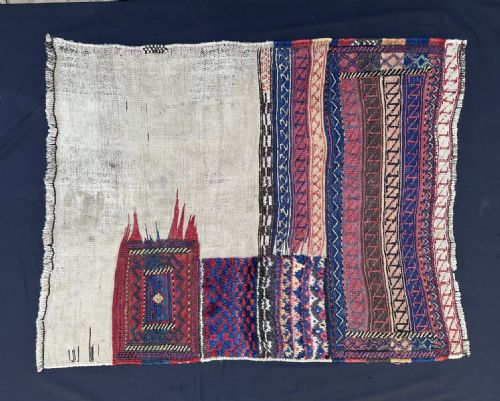
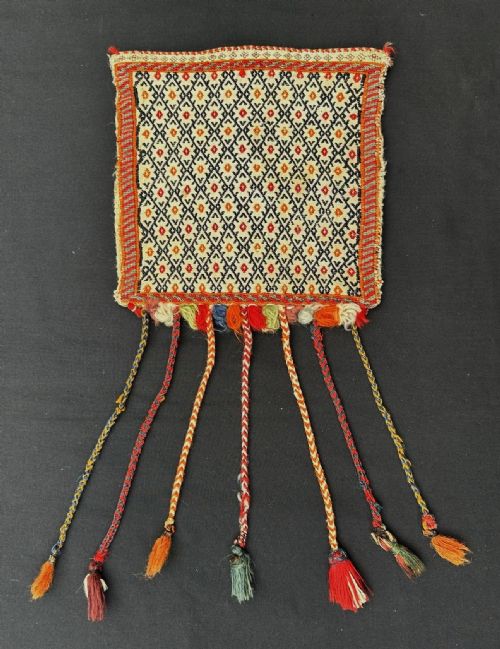
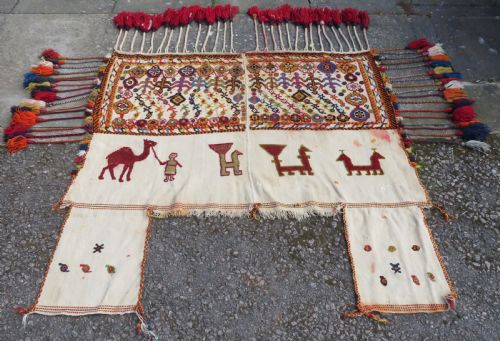
When you search for a cream woven wall hanging, you encounter a diverse array of antique textiles including tribal bags, mats, tapestries, and covers spanning from the eighteenth century to the early twentieth century. These pieces originate from Persian tribal groups, Central Asian nomadic communities, and European workshops.
The selection on this page leans heavily into Persian tribal weaving, featuring works from Lori-Bakhtiari, Qashqa'i, and Turkmen makers alongside French tapestries and Victorian folk art. These items were originally created for domestic use, nomadic storage, or formal decoration before finding new life as wall displays.
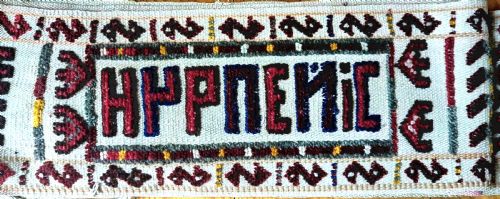
Common forms include wheat sacks known as tacheh, storage bags, tent bands, and framed tapestries that utilise a neutral cream palette. Each textile reflects the specific cultural traditions and utilitarian needs of its makers across the eighteenth, nineteenth, and early twentieth centuries.
How they were made
These textiles rely on natural materials recorded in the listings, predominantly wool, hand-spun wool, cotton, silk, goat hair, and thread, sometimes complemented by walnut frames. Artisans spun and dyed these fibres locally to build durable foundations for flat-woven and hand-knotted structures.
Weavers employed traditional tribal techniques and French tapestry methods, constructing utilitarian objects like bread sofreh and horse blanket covers with remarkable structural density. The integration of different yarns resulted in robust surfaces designed to withstand nomadic movement or formal interior display.
Some weavers immortalised world leaders in wool, capturing Ahmad Shah Qajar and Kaiser Wilhelm II in knotwork.
What varies in quality
Quality in these textiles depends upon the fineness of the spin and the density of the knotting or weaving technique. Finer materials like silk and hand-spun wool combined with precise tribal motifs distinguish the finest examples from simpler utilitarian covers.
The integrity of the construction and the preservation of the original format, whether an intact tent band or a framed Aubusson tapestry, determine the overall calibre of the piece. Superior examples exhibit clear execution of regional designs and enduring structural stability across their natural fibres.
The Cream Woven Wall Hanging Glossary
- Tacheh
- A traditional tribal wheat sack or storage container woven by nomadic groups in Western Persia. These pieces often feature complex geometric patterns suited for functional domestic storage.
- Sofreh
- A woven spread used for kneading dough or serving bread in Persian households. They are typically flat-woven without pile and display minimalist tribal designs.
- Chuval
- A large storage bag produced by Turkmen tribes in Central Asia. They were utilised inside yurts for household possessions and display intricate gul motifs.
- Aubusson
- A style of tapestry woven in France, known for pictorial or architectural designs. These works were traditionally mounted on walls or framed in wood for interior decoration.
- Tent band
- A long, narrow woven strip produced by nomadic tribes to secure tent structures. They showcase repetitive geometric patterns across extended lengths of wool or goat hair.
Cream Woven Wall Hanging: Frequently Asked Questions
How were these antique textiles used originally?
Many of these pieces served practical functions in nomadic or domestic daily life, acting as storage sacks, horse covers, bread spreads, or structural tent bands. Over time, their decorative qualities led to their preservation as wall hangings and display items.
European counterparts, such as French tapestries, were created specifically for interior decoration and architectural enhancement in period rooms.
How do I care for a textile on the wall?
Hanging an antique textile requires weight distribution across a proper support system, such as a fabric sleeve or custom backing, to prevent undue strain on the fibres. Avoid direct, intense sunlight to protect the natural wool, cotton, and silk materials from fading.
Gentle surface cleaning should be handled by specialists experienced in antique fibres rather than standard domestic washing methods.
How can I tell different tribal origins apart?
Tribal origins are identified through specific weaving structures, wool qualities, and characteristic geometric or pictorial motifs unique to regions like the Chahar Mahal valley or Fars Province. Turkmen pieces often display distinct repeating medallions, while Persian tribal weavings incorporate local iconography.
European pieces differ entirely through classical motifs and workshop-based tapestry techniques.
What is the difference between a rug and a tapestry?
Rugs are generally thicker floor coverings featuring a knotted pile or flat-woven structure designed for foot traffic and insulation. Tapestries are lighter, decorative wall hangings woven without pile to showcase detailed pictorial scenes or repeating patterns.
Both categories appear in these listings depending on whether the textile was made for the floor, for storage, or for wall display.