




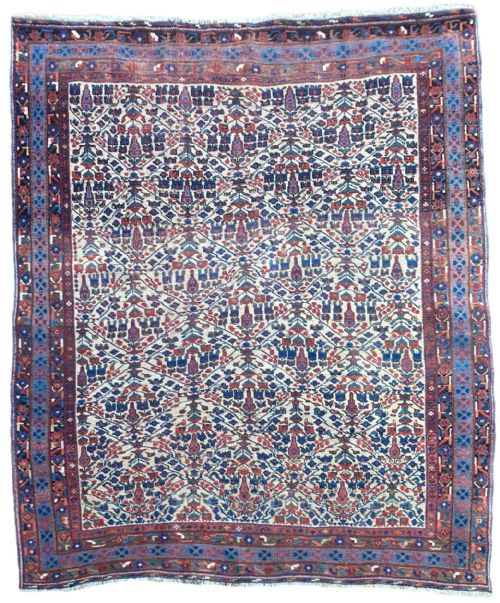


Cream Wool Runner Rug
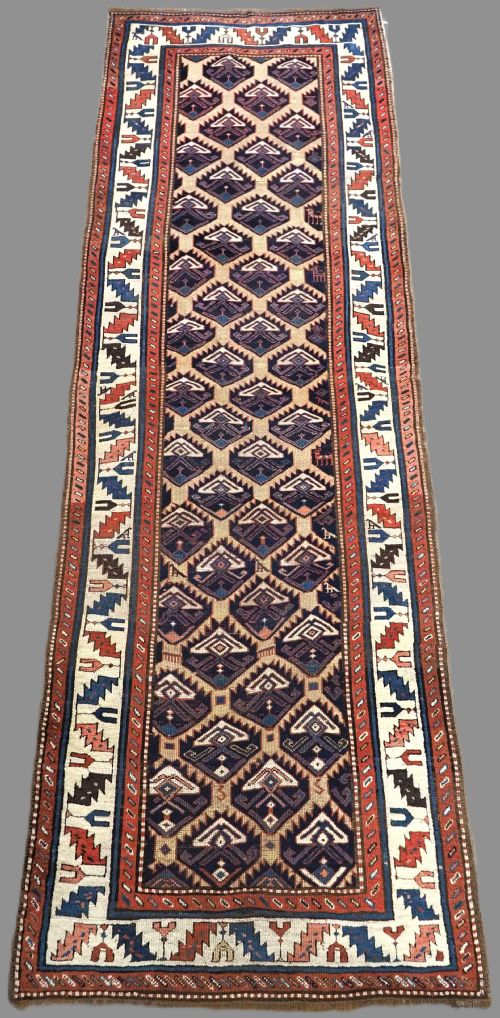
A cream wool runner rug brings warmth and linear rhythm to a hallway, grounded in centuries of nomadic and village weaving traditions.
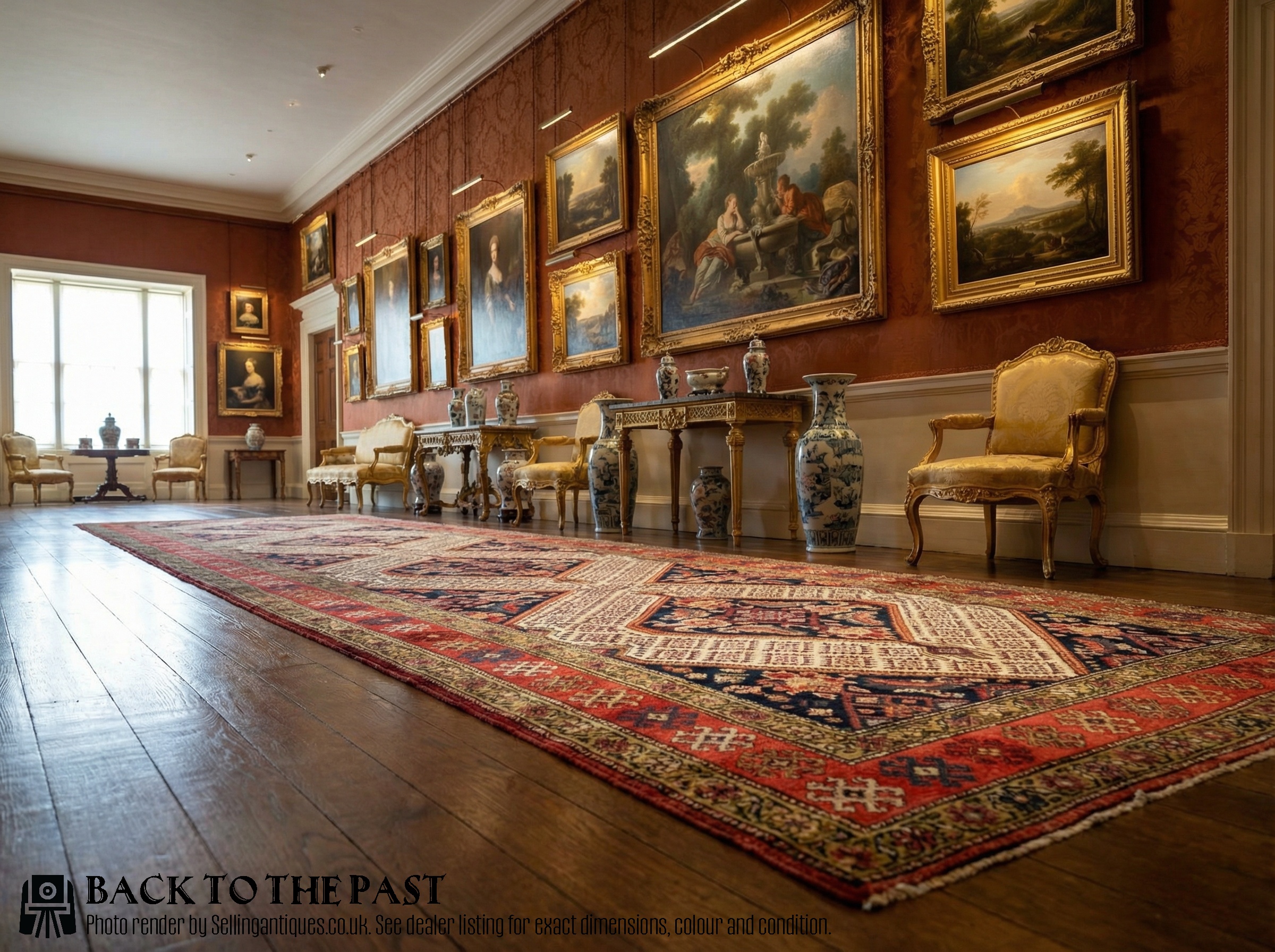
Cream Wool Runner Rug
A cream wool runner rug is a long, narrow textile designed for corridors and passages, combining functional floor covering with decorative tribal or village artistry. These pieces originate from Persian, Caucasian, and Central Asian weaving traditions, spanning the nineteenth and early twentieth centuries.
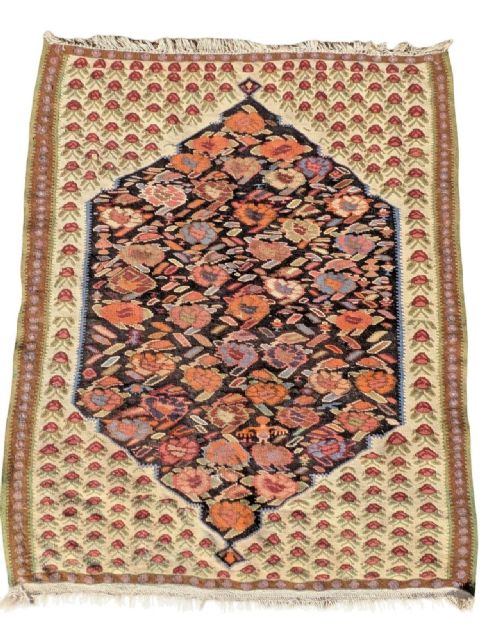
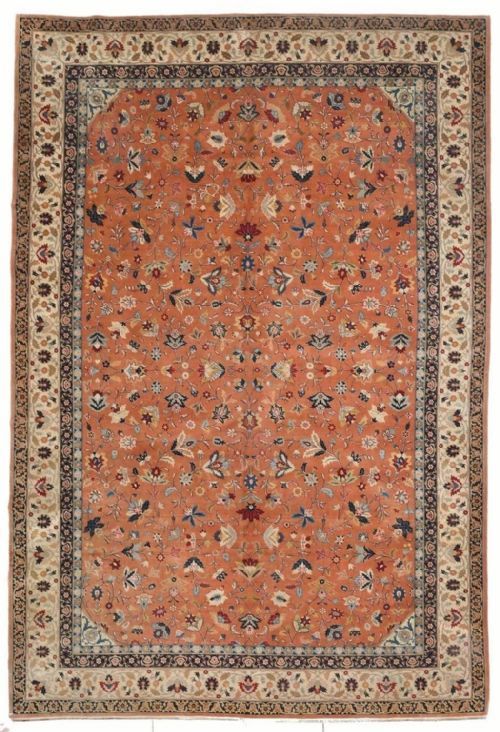
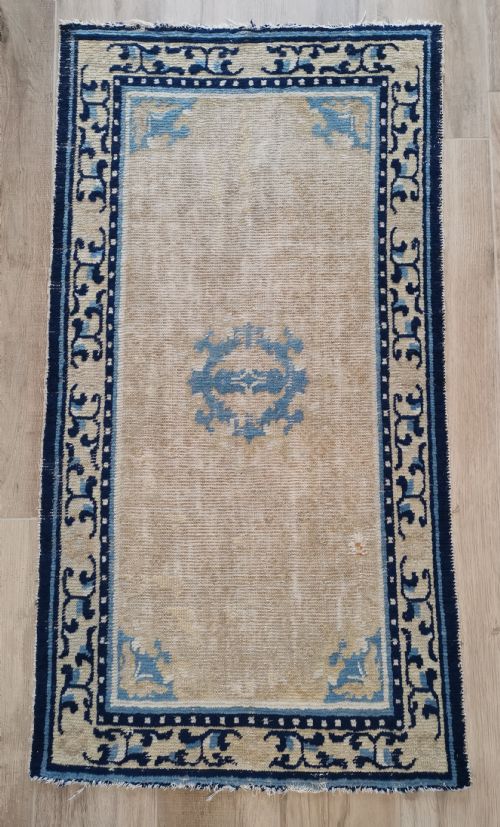
The selections available range from geometric Caucasian runners to floral Persian room dividers and long village carpets. Buyers encounter traditional formats that bridge utilitarian hallway needs with collectible textile history.
How they were made
Makers utilised wool, cotton, and hand-spun wool, often paired with natural dyes and occasional silk highlights to build durable pile and flatweave structures. Artisans knotted or wove these materials by hand in village workshops, nomadic tents, and regional tribal centres.
The reliance on hand-spun fibres and natural dyestuffs accounts for the rich texture and tonal depth seen across these hallway runners and long carpets. Each piece reflects the specific regional techniques of Persian, Turkoman, and Caucasian weavers.
Listings feature pieces from the nineteenth and early twentieth centuries, spanning periods from 1850 to 1930.
What varies in quality
Quality in a cream wool runner rug rests on the fineness of the knotting, the complexity of the design, and the integrity of the natural dyes. Tighter construction and carefully prepared wool create resilient surfaces that withstand heavy passage over generations.
The sophistication of regional patterns - such as lattice layouts, prayer niches, or repeating tribal motifs - distinguishes standard village weaving from exceptional masterworks. Well-preserved foundations and balanced proportions elevate certain examples well above ordinary utility.
Mohtasham Kashan
The Cream Wool Runner Rug Glossary
- Runner
- A long, narrow carpet format specifically proportioned for hallways, corridors, and staircases. These pieces guide movement through domestic spaces while protecting wooden floors.
- Pile
- The vertical tufts or loops of wool that form the soft surface of a knotted rug. This layer absorbs wear and displays the woven design.
- Kilim
- A flatwoven carpet or textile produced without a raised pile. These items rely entirely on the interweaving of warp and weft threads.
- Natural dye
- Colourants derived from plants, insects, and minerals rather than synthetic compounds. These dyes age with subtle tonal variations.
- Warp
- The stationary vertical threads stretched across a loom that form the structural foundation of the textile. Weft threads are woven horizontally through them.
Cream Wool Runner Rug: Frequently Asked Questions
Where should I place a runner rug?
These narrow textiles suit long hallways, entryways, and bedside paths where floorboards need protection and visual softening.
Their elongated proportions guide the eye through transitional spaces without overwhelming smaller rooms.
How do I care for antique wool?
Regular gentle vacuuming without a beater bar keeps dust from settling into the wool pile.
Professional specialist cleaning is recommended to preserve natural dyes and delicate antique foundations.
What is the difference between pile and flatweave?
Knotted pile rugs feature a plush, soft surface created by individual tufts tied to the warp threads.
Flatweaves lack this raised pile entirely, resulting in a smooth, tapestry-like textile suitable for lower-traffic areas.
How can I tell a village rug from a tribal piece?
Village rugs often show more structured floral motifs and consistent room-to-room production methods.
Nomadic tribal pieces tend towards geometric memory-patterns, highly spontaneous layouts, and varied wool textures.