


Cream Wool Mat
A cream wool mat brings tactile warmth and historical pattern to a floor through centuries of weaving traditions.
Cream Wool Mat
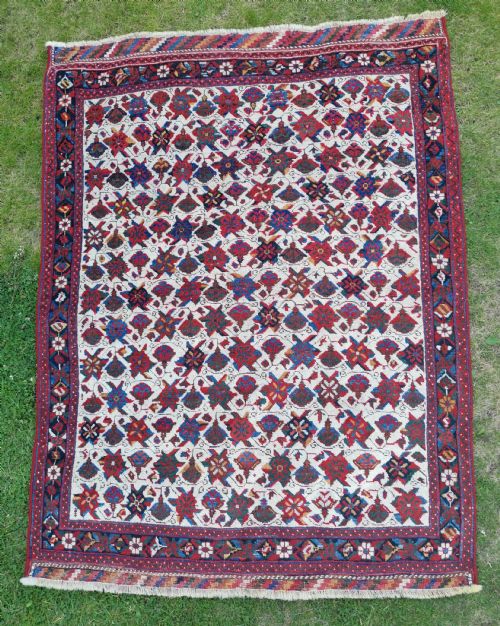
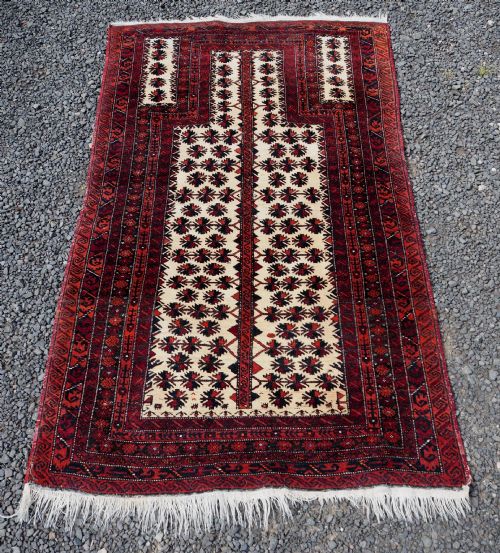
A cream wool mat is a floor covering or textile woven by village, tribal or urban artisans across Persia, Anatolia, the Caucasus and Inner Asia. These textiles function as prayer rugs, domestic floor rugs, carpets and utility pieces such as bread sofrehs.
The pieces listed here span periods from the opening of the nineteenth century through the 1930s, encompassing regional styles like Persian Tribal, Anatolian, Ottoman and village weaves. Buyers searching for a cream wool mat encounter hand-knotted and flatwoven formats featuring ivory and neutral grounds.
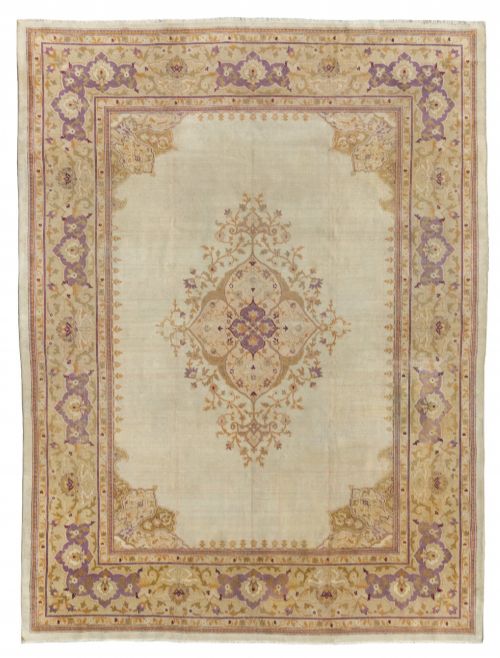
Village and tribal workshops produced many of these items using traditional looms and local designs. Examples range from compact mats to large carpets bearing medallions, tree of life motifs, and floral lattice patterns.
How they were made
Weavers constructed these textiles predominantly from wool, cotton and hand-spun wool, utilising natural fibres for both pile and foundation threads. Artisans knotted the wool onto cotton or wool warp and weft threads, creating durable surfaces designed for daily domestic use.
Village workshops and nomadic weavers applied natural and early synthetic dyes to colour the wool, often achieving soft, muted tones across ivory grounds. Flatwoven kilims and pile rugs relied on hand-weaving techniques passed down through generations within specific regions and tribes.
Some bread cloths retain traces of flour hidden deep within the flatwoven wool folds.
What varies in quality
Knot density and the precision of the weave distinguish finer city carpets from coarser village and tribal mats. Tighter construction allows intricate floral and geometric patterns to maintain clarity over decades of use.
The quality of the wool and the depth of the dye work determine the tactile richness of the surface. Hand-spun wool retains natural lanolin, which contributes to resilience and a softer handle compared to standard commercial wools.
The Cream Wool Mat Glossary
- Prayer rug
- A small textile featuring a mihrab or niche design, historically used for daily prayers by Muslims. These pieces often direct the eye toward a central arch motif.
- Sofreh
- A flatwoven or piled cloth used traditionally for spreading meals or handling bread dough. These utility textiles often display minimalist geometric compositions.
- Kilim
- A flatwoven carpet or rug produced without a pile by tightly interweaving warp and weft threads. This technique creates a lightweight textile with identical patterns visible on both sides.
- Medallion
- A central ornamental design motif placed in the middle of a rug field. Weavers draw symmetry around this focal point to structure the surrounding patterns.
Cream Wool Mat: Frequently Asked Questions
How do I clean a wool mat?
Gently vacuum without a rotating brush roll to remove loose dust and grit from the wool fibres.
Professional specialist cleaning is recommended for addressing deeper soiling or spills to protect the natural dyes.
Where were these rugs made?
The pieces originate from traditional weaving centres across Persia, Anatolian villages, the Caucasus, and Inner Asia.
Nomadic tribes and settled village communities produced distinct regional styles shaped by local materials.
What is a prayer niche?
A prayer niche, or mihrab, is an architectural arch design woven into the upper section of specific rugs.
This motif points toward Mecca during prayer and serves as a primary identifier for prayer rugs.
Are these rugs suitable for high traffic?
Wool possesses natural elasticity and lanolin, which helps the fibres resist crushing and repels dirt effectively.
Thicker pile rugs and tightly knotted formats handle moderate household foot traffic well over time.