

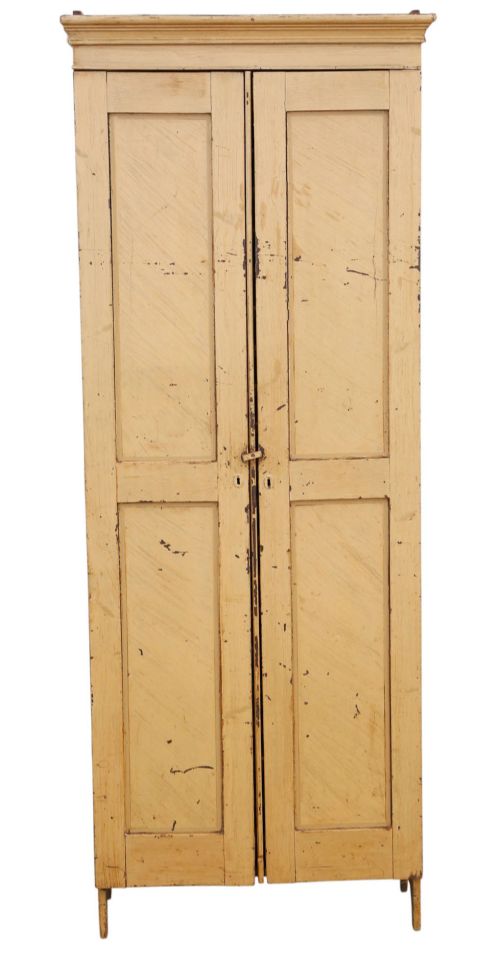
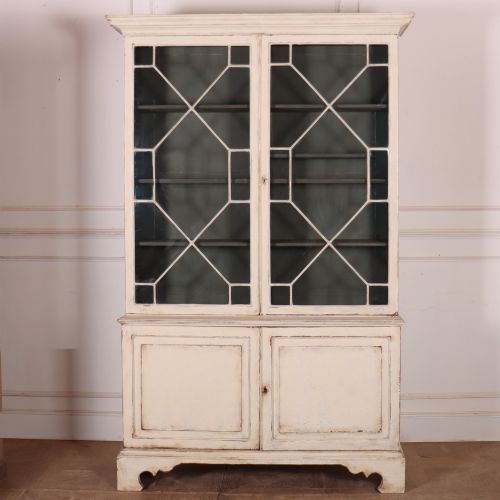
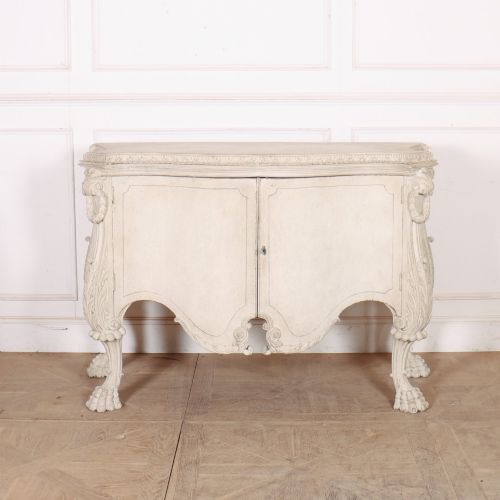
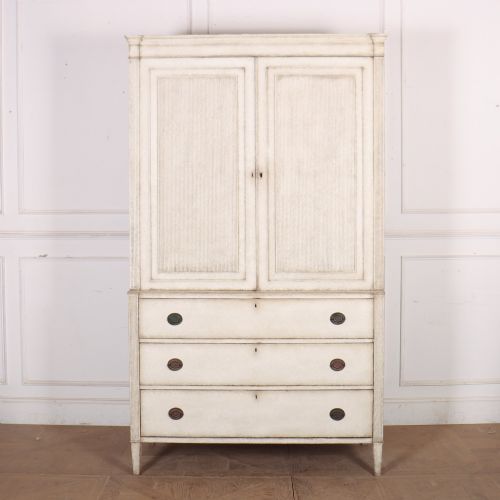
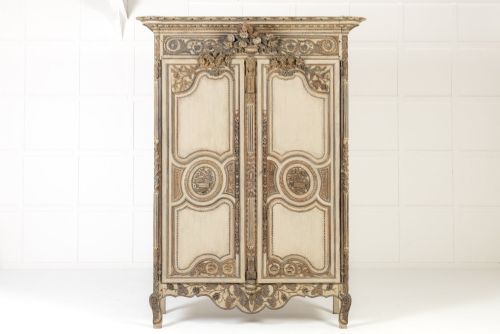
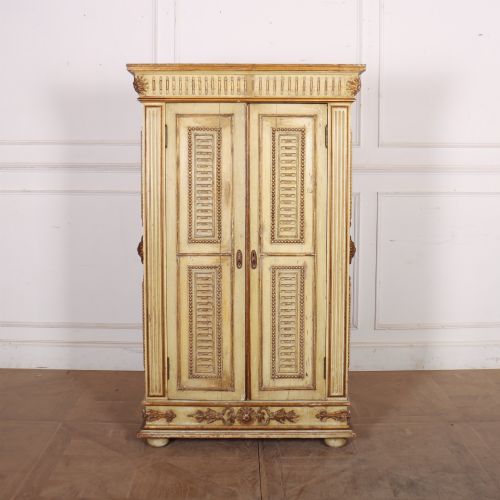


Cream Wooden Press
A cream wooden press offers functional storage wrapped in heritage charm, bringing rustic utility and gentle historic colour to any interior.
Cream Wooden Press
A cream wooden press encompasses large storage forms like housekeepers cupboards, armoires, linen presses, and bookcases from the eighteenth and nineteenth centuries. These pieces emerge primarily from English, French, Italian, and Scandinavian country traditions, reflecting vernacular furniture design.
Buyers encountering this selection will frequently meet tall painted timber cupboards and glazed bookcases carrying aged cream or painted finishes. These substantial items served practical domestic storage needs in historic country houses and farmhouses.
The objects combine utilitarian architecture with softer decorative palettes, moving away from dark polished hardwoods toward lighter painted surfaces. Their forms range from narrow kitchen cupboards to wide side cabinets and grand wardrobes.
How they were made
These items rely on solid pine and timber construction, shaped by traditional woodworking joinery suitable for heavy domestic service. Surfaces receive historic layers of paint, often showing natural wear and weathering over the underlying wood.
Hardware details incorporate functional brass and iron elements, securing doors and drawers built into housekeepers cupboards and armoires. Glazed sections utilise fitted glass panes to create display areas within bookcases and linen cabinets.
Cream Wooden Press Retail Price Guide 2026
Typical asking prices for cream wooden press among the pieces listed under this phrase on Sellingantiques today, from the lower quarter to the upper quarter. They describe what is for sale here now, not the wider market.
Regional styles represented include English, French provincial, Scandinavian, and Italian country traditions applied to large storage cabinets.
What varies in quality
Quality rests in the integrity of the original timber framing and the character of the aged painted surface. Pieces retaining their early or original paint layers demonstrate greater historical value than later repainted examples.
Proportion and architectural detailing distinguish finer regional cabinetmaking from basic utilitarian building. Well-balanced cornices, well-hung doors, and harmonious panel proportions elevate individual cupboards and wardrobes above standard utility items.
The Cream Wooden Press Glossary
- Housekeepers Cupboard
- A large storage cabinet traditionally used for storing linen, china, and dry goods in country houses. These imposing pieces often feature upper cupboard doors and lower drawer configurations.
- Armoire
- A large wardrobe or movable cupboard utilised for hanging clothes and storing garments. European country examples typically display deep panelled doors and substantial timber framing.
- Linen Press
- A tall storage unit specifically designed to hold folded linens and bedding. The interior usually contains sliding shelves or drawers behind upper doors.
- Painted Timber
- Wood surfaces finished with decorative paint rather than clear polish. This technique was widely employed in provincial English, French, Scandinavian, and Italian furniture traditions.
Cream Wooden Press: Frequently Asked Questions
What is a cream wooden press used for?
These large storage items provide generous capacity for clothing, linen, books, and household goods. Their substantial shelving and hanging spaces suit modern domestic organisation.
Historically, they served the vital function of keeping textiles and provisions clean and secure in large country houses and domestic quarters.
How do I style a cream wooden press?
Allow the tall silhouette and aged painted finish to anchor the room as a primary storage statement. The neutral cream tone complements both rustic and contemporary interiors.
Pair the piece with natural textures and simple surrounding furniture to highlight the historic timber and paintwork without visual competition.
Are these pieces English or continental?
The selection spans multiple regional traditions, including English country workshops alongside French, Italian, and Scandinavian provincial makers. Each origin brings distinct architectural proportions and decorative traits.
Examining the construction methods and stylistic quirks helps identify whether a piece originates from an English farmhouse or a continental interior.
How can I tell the age of a cupboard?
Age is indicated by construction traits such as hand-cut joinery, timber shrinkage, and the composition of the wood panels. Hand-forged iron and brass hardware also offer clues to the period.
Surface patination, including the wear patterns on the painted timber, builds up over centuries of use and helps confirm eighteenth or nineteenth-century origins.