





Cream Upholstered Piano Stool
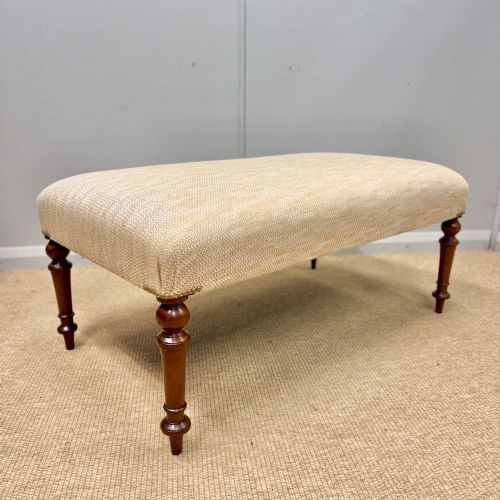
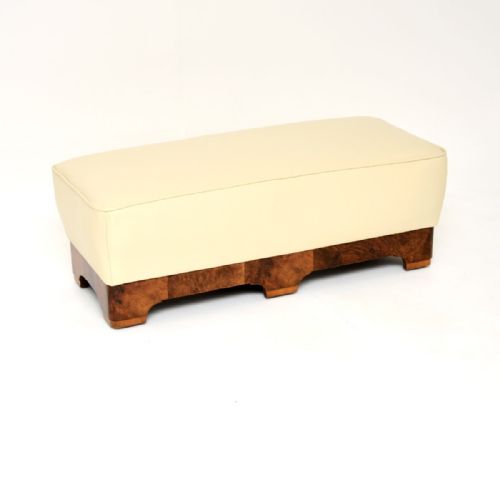
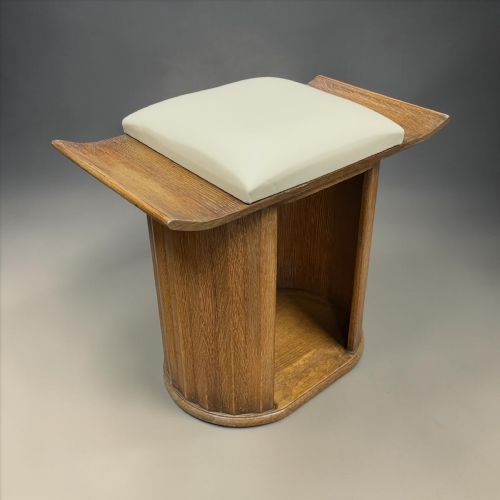
These cream upholstered piano stool examples bring period timber and tactile seating together for daily use at the keyboard.
Cream Upholstered Piano Stool
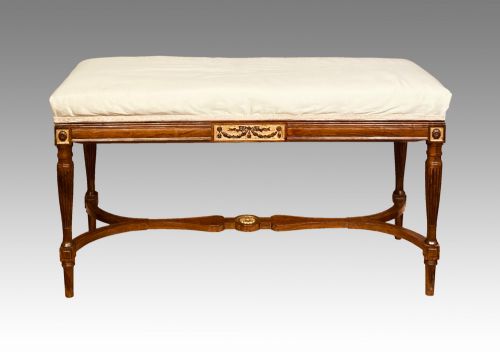
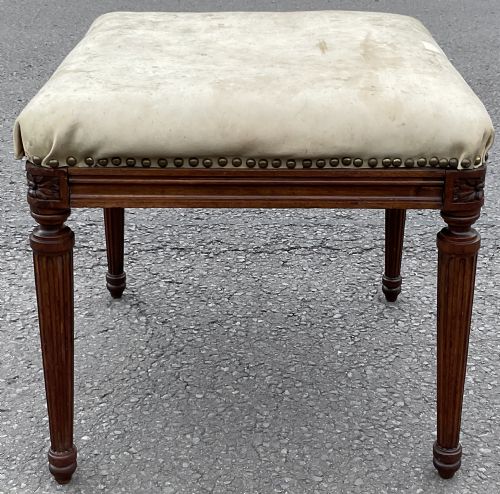
A cream upholstered piano stool sits at the intersection of practical seating and period cabinet making, spanning Victorian and Art Deco eras. You encounter revolving music stools, rise and fall mechanisms, and oblong footstools designed for keyboard players and dressing tables alike.
The materials recorded in these pieces include mahogany, walnut, rosewood, and satinwood, paired with fabric, leather, and traditional upholstery. Frames arrive in styles ranging from Victorian and Edwardian to Chippendale Revival and Queen Anne style.
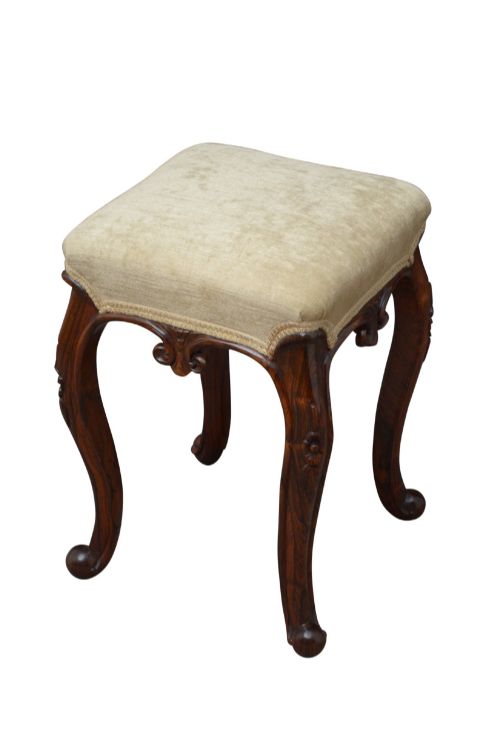
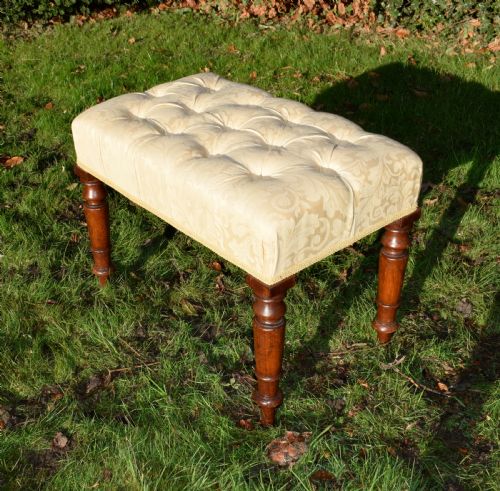
Nineteenth century variants often feature cabriole legs, brass castors, and deep buttoning, while 1930 examples introduce burr walnut finishes and clean rectangular profiles. These seats function as piano benches, dressing table stools, and music chairs.
Materials and construction
Cabinet makers built these frames using dense hardwoods like mahogany, walnut, and rosewood, sometimes selecting exotic timbers such as goncalo alves wood or ebonised finishes. Turned legs, carved ball and claw details, and X-frame supports provided structural stability for daily seating.
Upholstery methods involved traditional stuffing and buttoning, finished with fabrics, leather, or damask in cream tones. Mechanical elements like revolving screws and rise and fall adjustment mechanisms allowed players to alter their seating height at the piano.
Judging the work
Quality rests in the crispness of the timber carving, from the fine hand-carved details on Chippendale style mahogany frames to the precise turning on legs. Timber selection dictates presence, with figured burr walnut and rich rosewood outperforming simpler secondary woods.
The integrity of the mechanical rise and fall or revolving mechanism defines a superior music stool, operating smoothly without excessive play in the screw thread. Upholstery execution matters equally, where hand-tied springs and tight buttoning complete a cohesive piece.
Charles Nosotti
The Cream Upholstered Piano Stool Glossary
- Rise and fall
- A mechanical piano stool feature allowing the seat height to be adjusted by rotating the top or turning a side handle. This mechanism ensures the player achieves the correct posture.
- Cabriole leg
- A furniture leg that curves out and then narrows in, resembling an animal leg in motion. It typically terminates in a pad, claw, or scroll foot.
- X-frame
- A structural base formed by two intersecting members shaped like the letter X. This design provides sturdy support for dressing stools and benches.
- Deep buttoning
- An upholstery technique where twine is pulled through the padding to create a diamond pattern secured by buttons. It adds texture and holds the internal stuffing firmly in place.
- Ebonised
- Timber treated with a dark stain or finish to imitate ebony. This process gives the wood a sleek, dark surface common in Victorian furniture.
Cream Upholstered Piano Stool: Frequently Asked Questions
How do I adjust a rise and fall stool?
You simply rotate the upholstered seat top in a circular motion to raise or lower the height. This screw mechanism moves the platform up or down on a central wooden or metal thread.
Ensure you support the seat evenly while turning to prevent strain on the internal wooden column. Older mechanisms appreciate a gentle touch rather than forced rotation.
What is the difference between a piano stool and a dressing stool?
Piano stools frequently incorporate mechanical height adjustment or a revolving top to suit musicians of different statures. Dressing stools remain at a fixed height suited to bedroom vanity tables.
Both forms share similar timber frames and upholstered cream tops, making their intended use dependent on internal hardware.
How do I care for antique leather and wood?
Clean the timber frame using a soft, dry cloth and nourish the wood periodically with a traditional beeswax polish. Avoid placing the stool near direct heat sources or strong sunlight to prevent timber cracking.
Condition cream leather surfaces with a specialist leather balm to maintain suppleness. Keep fabric upholstery clean with gentle vacuuming using a soft brush attachment.
Are these stools suitable for daily use?
These pieces were built using solid hardwoods like mahogany and walnut, designed for regular domestic seating. Modern placement at a piano or dressing table remains entirely appropriate.
Check that joints and castors remain secure before heavy daily sitting. Traditional upholstery offers robust support when maintained properly.