

Cream Tribal Carpet
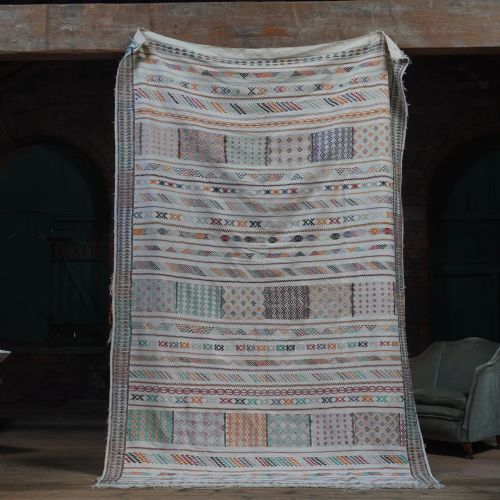
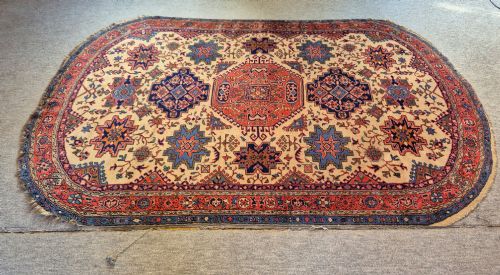
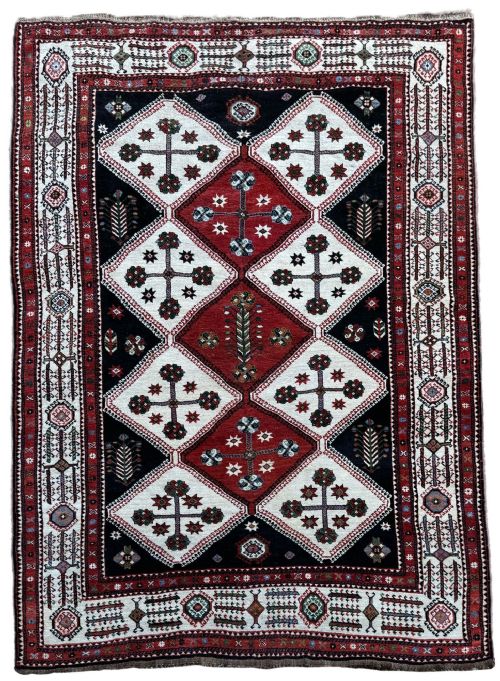
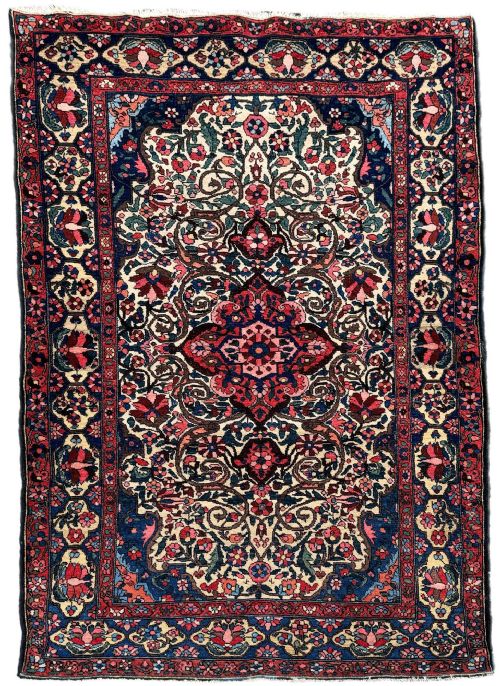
Cream tribal carpet selections bring hand-woven village and nomadic artistry into a room, offering geometric motifs and soft ivory wool backgrounds.
Cream Tribal Carpet
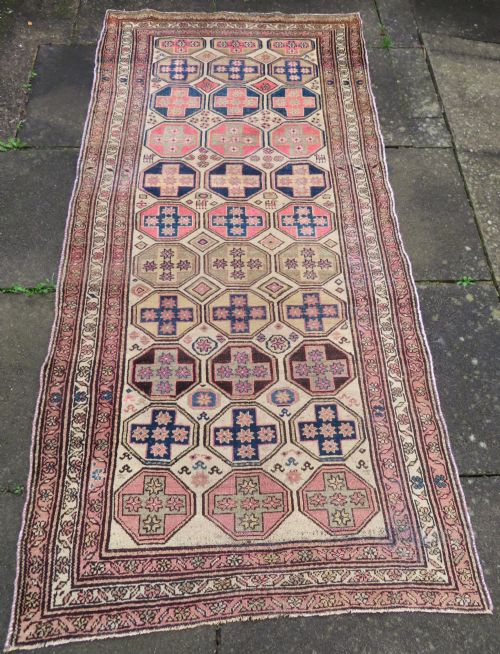
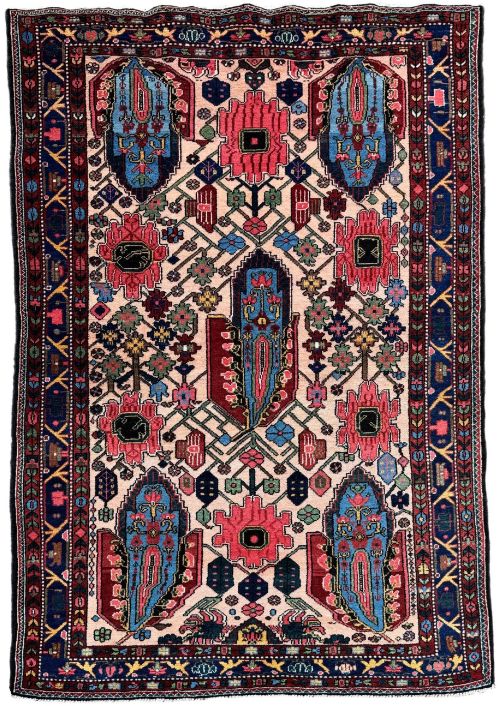
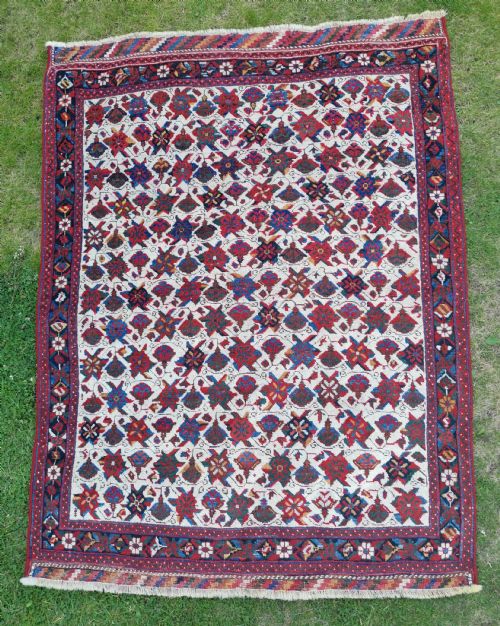
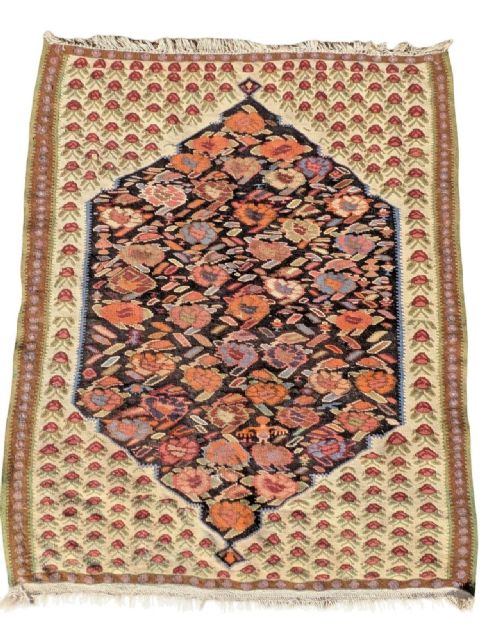
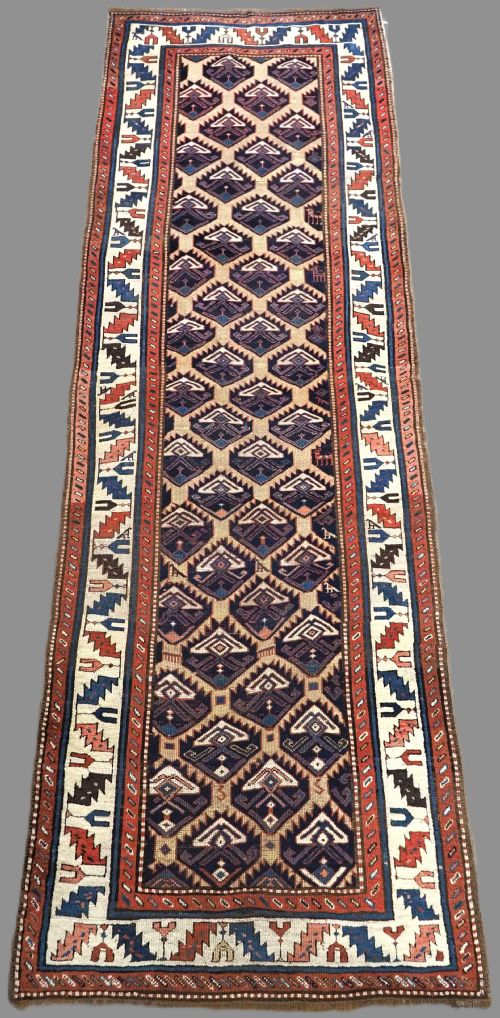
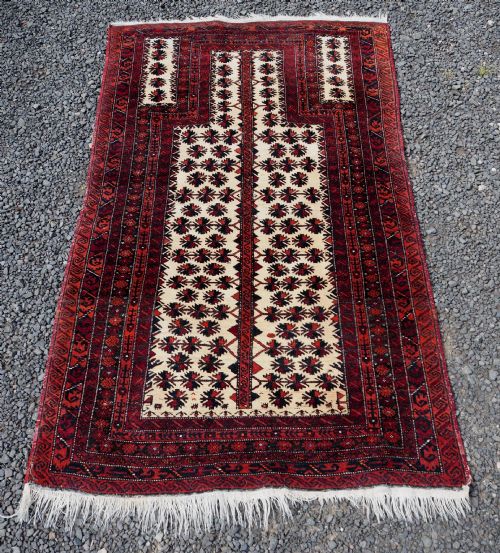
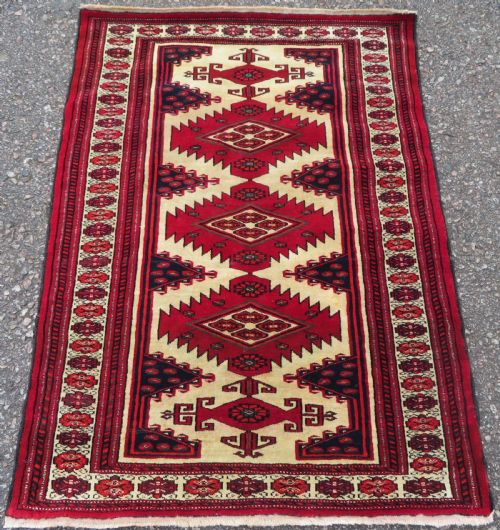
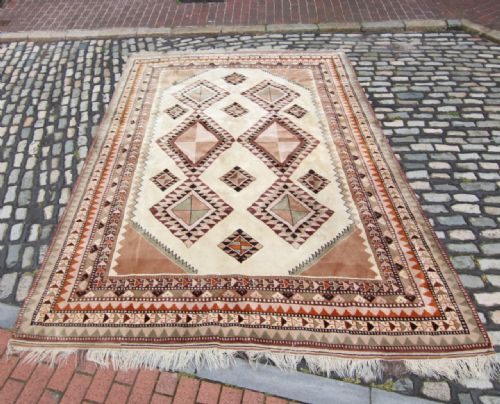
A cream tribal carpet provides a light, neutral ground overlaid with traditional village and nomadic designs originating from Persian, Anatolian, and Caucasian regions. These pieces span the nineteenth and early twentieth centuries, encompassing room-sized carpets, runners, and smaller prayer rugs.
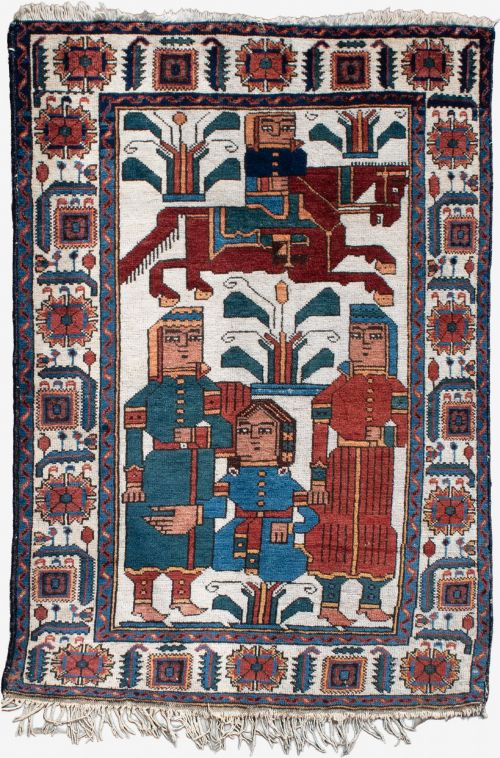
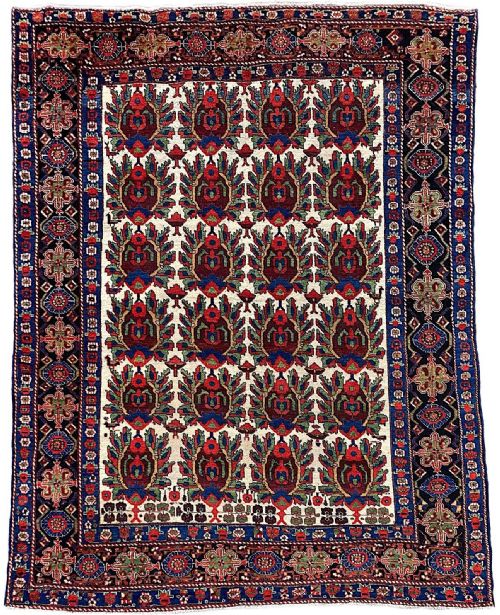
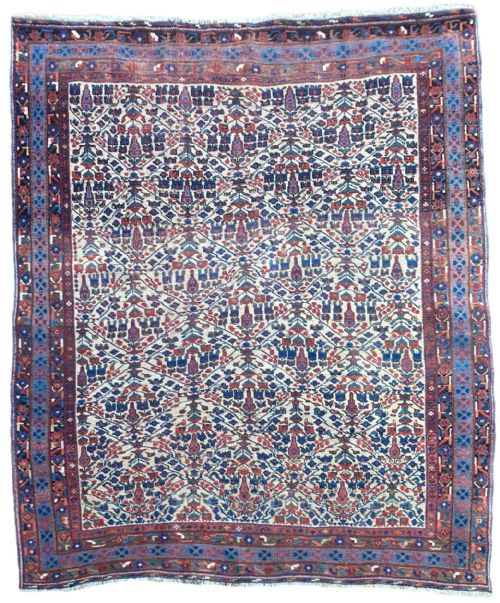
The version most commonly encountered on this page is the antique village or nomadic rug featuring ivory or light wool fields. These pieces often display geometric medallions, animal motifs, or stylized floral patterns woven by tribal groups such as the Afshar, Bakhtiar, and Kurdish weavers.
Materials and construction
Construction relies primarily on wool and cotton foundations, with pile woven using hand-spun wool dyed with natural colourants. Certain Moroccan variants incorporate sabra fibre or cactus silk alongside standard wool elements.
Weavers tied dense knots onto warp and weft threads, creating durable flatweaves like kilims as well as deep-piled floor coverings designed for nomadic or domestic use.
Several nomadic weavers tucked stylized dragons and phoenixes into their ivory fields, perhaps hoping mythical beasts would guard the tent floor.
Determinants of quality
Quality rests upon knot density, the precision of the geometric layout, and the clarity of the natural dyes used across the field. Finer wool selection and tighter spinning yield a more resilient pile that retains its structural integrity over generations.
The sophistication of the tribal design and the preservation of the original ivory or cream ground separate standard village utilities from finer collector pieces.
The Cream Tribal Carpet Glossary
- Kilim
- A flat-woven carpet or rug produced without a pile, traditionally utilising slit-weave techniques. These light textiles function well as decorative wall hangings or floor coverings.
- Prayer rug
- A small mat featuring a mihrab or niche design used historically for daily devotions. These pieces often display directional motifs pointing towards Mecca.
- Warp
- The vertical threads stretched tightly on a loom before weaving begins. The pile knots are tied around these foundational cords.
- Weft
- The horizontal threads passed alternately over and under the warp threads to secure the knot rows. They hold the structural grid of the carpet together.
- Natural dyes
- Colourants extracted from plants, insects, and minerals before the introduction of synthetic alternatives. These organic pigments age with a characteristic softness.
Cream Tribal Carpet: Frequently Asked Questions
How do I clean a wool tribal rug?
Gentle surface brushing and professional specialist washing preserve the natural lanolin in antique wool fibres. Harsh chemical detergents strip the pile and damage organic dyes.
Regular light vacuuming without a rotating power head prevents dust accumulation in the base of the knots. Keeping the textile away from direct sunlight protects the ivory ground from fading unevenly.
Where were these carpets originally woven?
Weaving traditions flourished across village communities and nomadic camps in Persia, Anatolia, the Caucasus, and North Africa. Local tribes passed down specific geometric patterns through generations.
Each region developed distinct colour palettes and structural techniques depending on available livestock and plant materials. This geographic diversity creates the wide stylistic range seen in older floor coverings.
Can I place a runner in a hallway?
Narrow formats function well in corridors, entryways, and beside beds where floor space is restricted. A quality underlay prevents slipping and cushions the foundation against hard flooring.
Rotating the textile periodically ensures even wear patterns from foot traffic over decades of domestic use. Protecting the edges from heavy friction maintains the original binding.
What defines a prayer rug design?
A distinct pointed arch or niche dominates the upper field, symbolising the gateway to paradise. The motif directs the user towards a specific orientation during quiet reflection.
These compact formats often include symbolic trees of life or geometric amulets woven into the border bands. Their smaller scale makes them adaptable for display on walls or smaller floor spaces.