

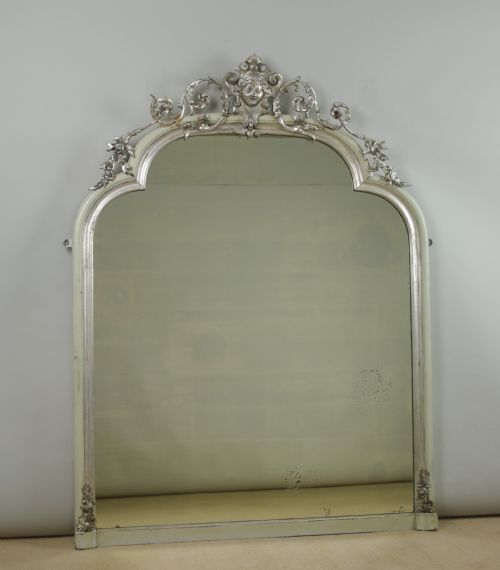


Cream Rococo Wall Mirror
A cream rococo wall mirror brings fluid, asymmetric curves and soft painted finishes to an interior, drawn largely from nineteenth-century revival pieces.
Cream Rococo Wall Mirror
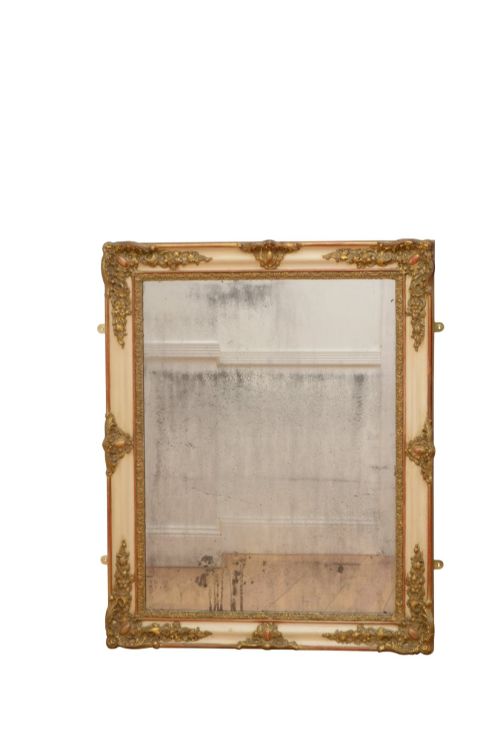
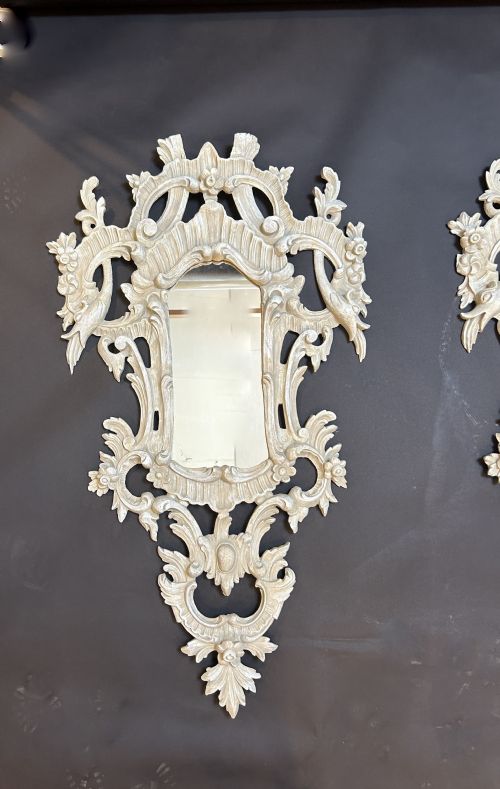
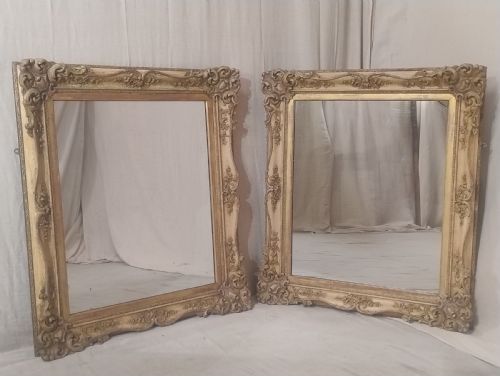
When you search for a cream rococo wall mirror, you encounter ornate frames shaped by C-scrolls, foliage, and asymmetrical cartouches. Most examples appearing here date from the nineteenth century, including revival pieces from French and Italian workshops.
The forms range from compact pier glasses and wall étagères to substantial overmantle mirrors designed for placement above a fireplace. Many pieces combine painted surfaces with parcel gilding or carved wooden details.
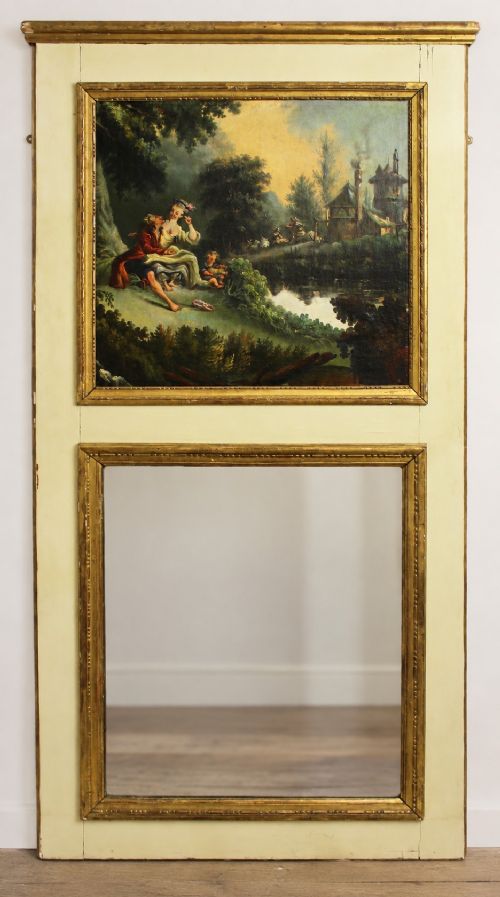
Continental pieces show strong French and Italian stylistic influences, spanning arched top formats, trumeau panels with oil paintings, and intricate fretwork. The cream or white painted finish often bears deliberate distress or the patina of age.
How they were made
Makers built the structural frames primarily from carved wood, applying layers of gesso to build up the intricate relief ornaments and scrollwork characteristic of the style. This gesso layer provided a smooth ground for subsequent painting and gilding.
Surfaces received lead paint, oil-based pigments, or distemper in cream, white, or polychrome schemes, frequently accented with gold leaf or parcel gilding on raised motifs. Original mirror glass was hand-silvered and set within these elaborate wooden armatures.
Cream Rococo Wall Mirror Retail Price Guide 2026
Typical asking prices for cream rococo wall mirror among the pieces listed under this phrase on Sellingantiques today, from the lower quarter to the upper quarter. They describe what is for sale here now, not the wider market.
Some past mirrors hide pastoral oil paintings above the glass, offering landscape views alongside your own reflection.
What varies in quality
The depth and crispness of the hand-carved wood elements beneath the gesso separate superior frames from simpler moulded versions. Finer pieces retain sharply defined scrollwork and foliage rather than softened, uniform relief.
The integrity of the original plate glass and the harmonious application of the painted or parcel-gilt finish dictate the visual strength of the object. Surviving eighteenth-century originals or high-status nineteenth-century interpretations display superior joinery and more confident asymmetry.
The Cream Rococo Wall Mirror Glossary
- Gesso
- A plaster-like mixture applied to wooden frames to create a smooth surface for carving and painting. It allows intricate relief ornaments to be modeled before gilding.
- Trumeau
- An architectural mirror panel incorporating a painted canvas or wood artwork directly above the glass. These tall pieces were traditionally hung between windows.
- Overmantle
- A large horizontal mirror designed specifically to be hung above a fireplace mantelpiece. They often feature arched or shaped tops to fit architectural proportions.
- Parcel Gilt
- A decorative technique where only specific raised portions of a frame are highlighted with gold leaf. The remaining surface displays painted wood or gesso.
- Pier Glass
- A tall, narrow mirror designed to be hung on the solid pier of wall space between two windows. They often sit above small console tables or wall shelves.
Cream Rococo Wall Mirror: Frequently Asked Questions
Where should I hang an overmantle mirror?
These large horizontal frames rest naturally above a fireplace mantelpiece, anchoring the vertical space of a chimney breast. Their proportions reflect the traditional domestic architecture of nineteenth-century reception rooms.
You can also position them above low sideboards or console tables to bounce light across a room. Ensure the wall structure securely supports the considerable weight of the wood and gesso frame.
How do I identify a nineteenth-century revival piece?
Nineteenth-century makers enthusiastically revived eighteenth-century French and Italian rococo forms, incorporating characteristic C-scrolls and asymmetrical foliage. Examining the construction behind the frame reveals period-specific joinery and materials.
The presence of nineteenth-century hardware, combined with period gesso application and aged mirror plates, distinguishes these revival items from later twentieth-century reproductions.
What is the difference between a trumeau and a standard wall mirror?
A trumeau mirror incorporates an integrated oil painting or decorative panel within the upper portion of the wooden frame. This architectural format originated in eighteenth-century French interiors for placement between windows.
Standard wall mirrors focus entirely on the reflective glass plate and the surrounding carved frame. Trumeau pieces offer a dual decorative element combining fine art with functional reflection.
Are painted cream finishes original to these frames?
Many frames feature cream, white, or distressed painted surfaces applied during their original manufacture in the nineteenth century. These finishes often developed natural craquelure and softening over decades of domestic exposure.
Some pieces have undergone later historic repainting to refresh faded surfaces while retaining the underlying carved gesso form. Inspecting the edges reveals the layering of paint over the original gesso base.